
VAYCAI · ATTRACTION GUIDE
Beas River Visitor Guide
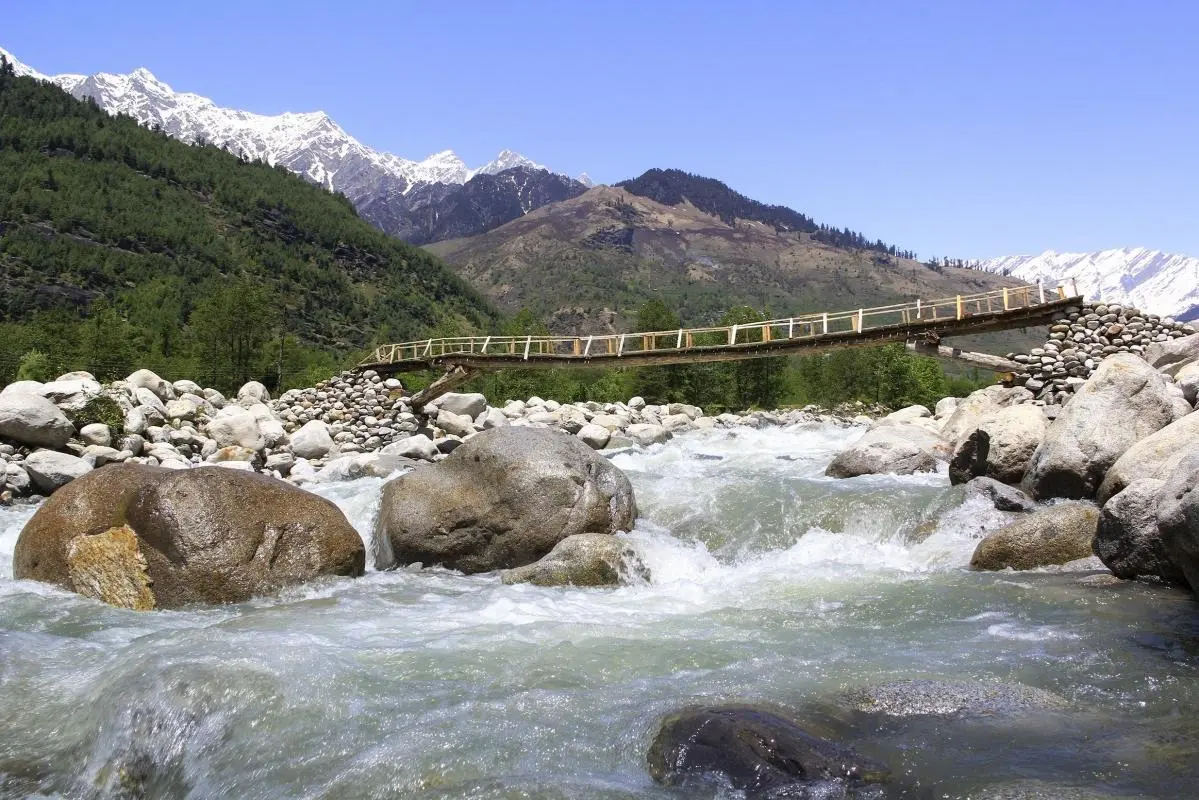
A ribbon of fast water and gravel bars cutting through alpine pines, the Beas River is the active heart of adventure around Manali. Stack morning riverside hikes and photography with afternoon whitewater trips or easy valley rides; add a day of higher-altitude trekking for a full-sensory Himalayan itinerary that balances water, trails, and wide mountain light.
Explore experiences ↓Your guide to places, experiences, and adventures.
THE GOOD STUFF STARTS HERE
Experiences around Beas River


Manali, India
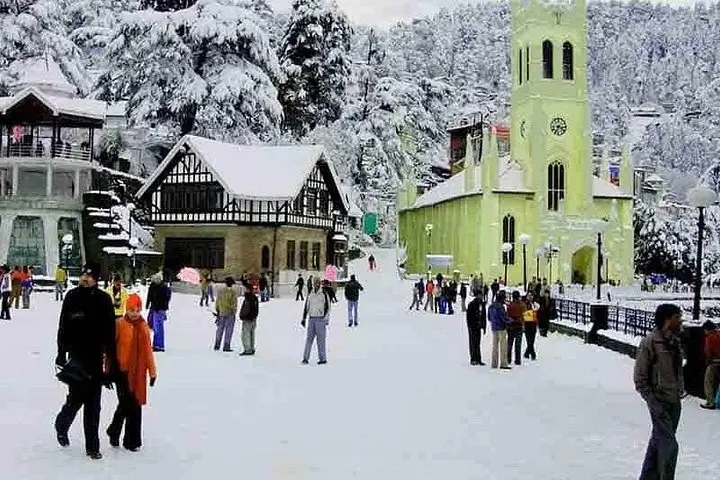
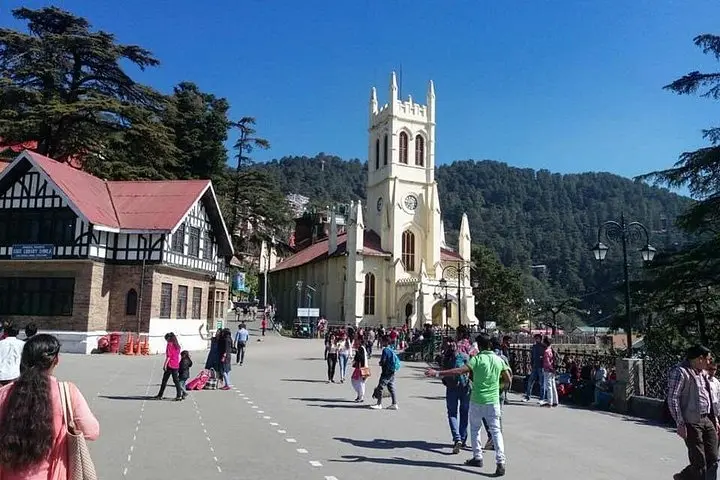
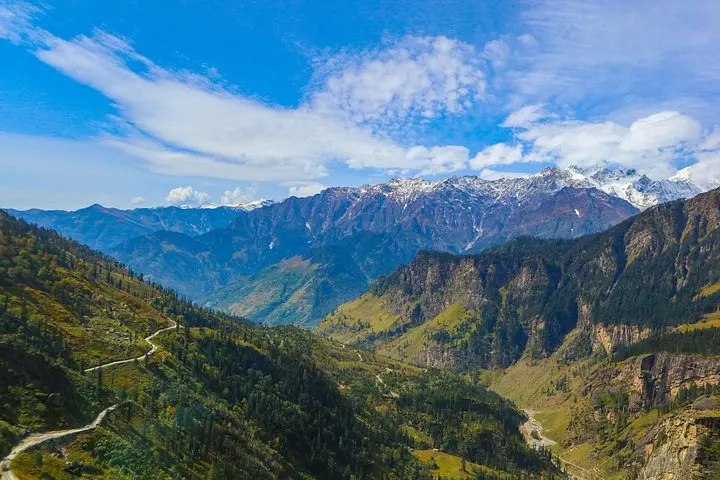
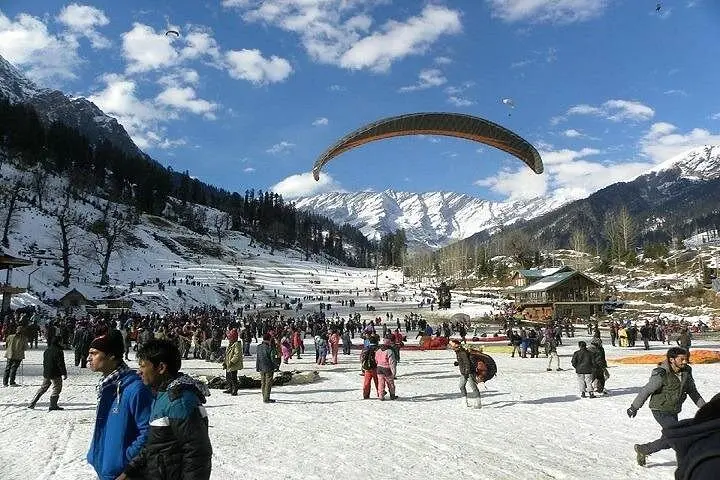
Manali, Kullu & Shimla: 6-Day Private Himalayan Road Trip from Chandigarh
from $375.00USD




Manali, India
Manali 3-Night Road Trip from Delhi — Solang Valley & Rohtang Snow Experience
See current price


Manali, India
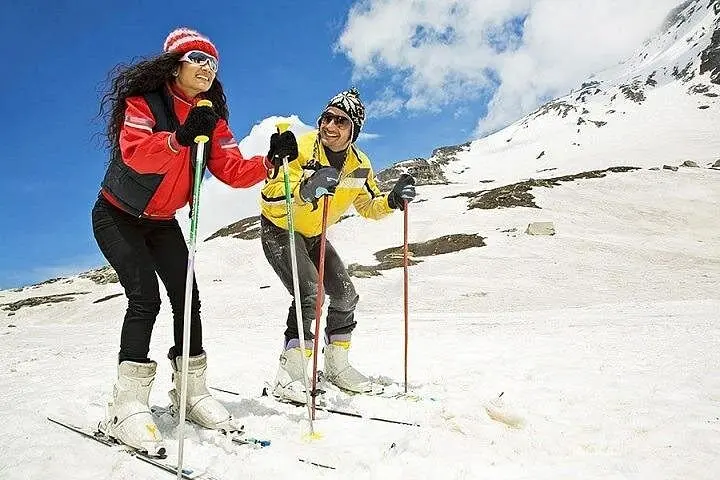
Beas Kund Trek: 4-Day Manali High-Altitude Trek to the Source of the Beas River
from $125.00USD


Manali, India
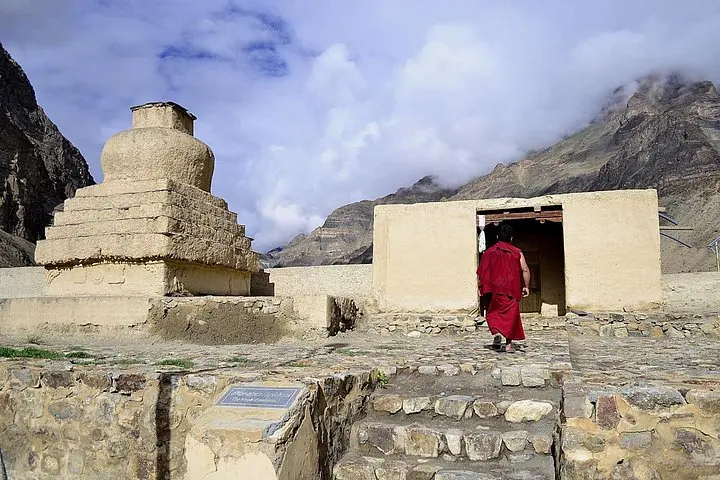
5-Day Kullu Manali Manikaran Volvo Tour from Delhi — Rohtang & Kullu Highlights
from $299.00USD


Manali, India
4-Day Private Kullu and Manali Himalaya Tour: Manikaran, Rohtang & Old Manali
from $596.00USD

Manali, India
Kullu Manali 4N/5D Volvo Tour — Rohtang Pass, Kullu & Manikaran Highlights
from $133.34USD


Listed starting prices may vary by option, travel date and group size. Confirm the final total and availability on Viator. Sponsored links: we may earn a commission from qualifying bookings.
STORIES WORTH GOING FOR
Stories from Manali
GET TO KNOW THE PLACE
Why Visit the Beas River
Step onto the riverbank and the Beas announces itself: a push of cold water, a smell of crushed pine, distant peaks holding the valley. From soft, walkable gravel bars to runs that call outfitters and adrenaline seekers, the river threads through Manali’s adventure options and makes it easy to layer activities into a practical itinerary.
The Beas River is both a geologic storyteller and a local resource. Fed by snowmelt higher in the Pir Panjal and Zanskar ranges, its channels change with the seasons—wider and grainier after spring melt, lower and more placid later in autumn. Historically the valley has been a trade and pilgrimage corridor, and the riverbanks still host small villages and seasonal orchards. As you walk the bank, you’ll pass stone houses, terraced fields, and the occasional tea stall; these human touches give the landscape scale and approachable texture.
Adventure here is easy to assemble and straightforward to prioritize. Morning is often best for photography and short hikes when light slices between trees and crowds are thin; afternoons work well for rafting as outfitters set shuttles and flows stabilize. Plan to pair a guided whitewater session with a self-guided riverside loop or a day ride along the valley road. Roads up toward Rohtang and other high passes offer scenic drives and access to higher-altitude treks; verify pass access seasonally. Practical planning means booking outfitters and lodging in advance during peak months and checking local reports for water levels before committing to a paddle day.
Culturally, the valley is relaxed and service-oriented. Local guides are experienced with river behavior and mountain logistics; they’ll pick routes that match your appetite and the day’s conditions. Respect for the river and local customs goes a long way—pack out your trash, ask before photographing inside homes, and accept pacing that favors safety over ambition. The Beas will nudge you toward both short, repeatable adventures and longer, more demanding pushes, depending on how much you want to stack into a single trip.
Get to know the place
Attractions worth a closer look.
PLAN YOUR VISIT
When to go.
Best months
April, May, June, September, October
Weather
Late spring and early summer bring stable weather and higher snowmelt-fed flows that favor rafting; monsoon months increase vegetation and can make dirt tracks slick. Winters are cold with lower flows and occasional snow blocking higher passes.
Peak season
Peak visitor months are late spring through early summer and school holiday periods; expect higher prices and fuller outfitters—book rafting and accommodation in advance.
Beyond the peak
Shoulder seasons and winter offer quieter trails, lower rates, and clear light for photography; be ready for muddy access and verify which passes and services are open.
PACK WITH PURPOSE
What to bring.
optional
- Binoculars for birding and distant peaks
- Action camera or waterproof housing
- Compact picnic kit
essential
- Layered clothing for variable mountain weather
- Reusable water bottle and water purification method
- Traction footwear or hiking boots
- Sun protection (hat, sunscreen, sunglasses)
- Offline map or downloaded route files
recommended
- Light rain shell and warm midlayer
- Headlamp and spare batteries
- Trekking poles for uneven trails
- Dry bag for electronics during river activities
FIND YOUR PACE
Choose your kind of adventure.
advanced
Challenging itineraries that demand experience, fitness, and often professional guiding.
- Multi-day high-altitude treks exiting the valley
- Extended whitewater runs with technical rapids and rapid portages
- Alpine scramble and ridge navigation above tree line
beginner
Low-risk activities for newcomers who want to experience the river and valley without technical difficulty.
- Riverside strolls and picnic stops
- Short nature walks through pine forests
- Guided mild rafting float trips
intermediate
For travelers comfortable with longer days, variable terrain, and guided river sections.
- Half-day whitewater rafting with a local outfitter
- Day hikes to nearby waterfalls or ridge viewpoints
- Mountain biking on valley tracks and farm roads
BEFORE YOU GO
Your questions, answered.
Do I need a guide for rafting on the Beas River?
For most stretches, especially anything with stronger currents, use a licensed local outfitter—guides provide safety gear, shuttles, and river expertise.
Can I self-guide hikes along the Beas River?
Yes; many riverside loops and valley walks are suitable for self-guiding, but bring a map, start early, and confirm route conditions locally.
How much time should I budget in Manali to experience the river and nearby trails?
A three- to five-day window lets you combine a raft day, a nearby day-hike, and a scenic drive or village visit without rushing.
What transportation options get me to the Beas River from the nearest airport?
Common options include prebooked car transfers, shared taxis, or buses from regional airports; travel times vary with mountain road conditions.
Are there safety concerns with water levels or weather?
Yes—water levels change with snowmelt and rain. Always check local river reports and follow guide recommendations for safety and route selection.
Is the Beas River family-friendly?
Many riverside walks and calmer stretches are family-friendly; choose vetted outfitters and milder raft options if traveling with children.