
VAYCAI · ATTRACTION GUIDE
Materuni Waterfall Visitor Guide
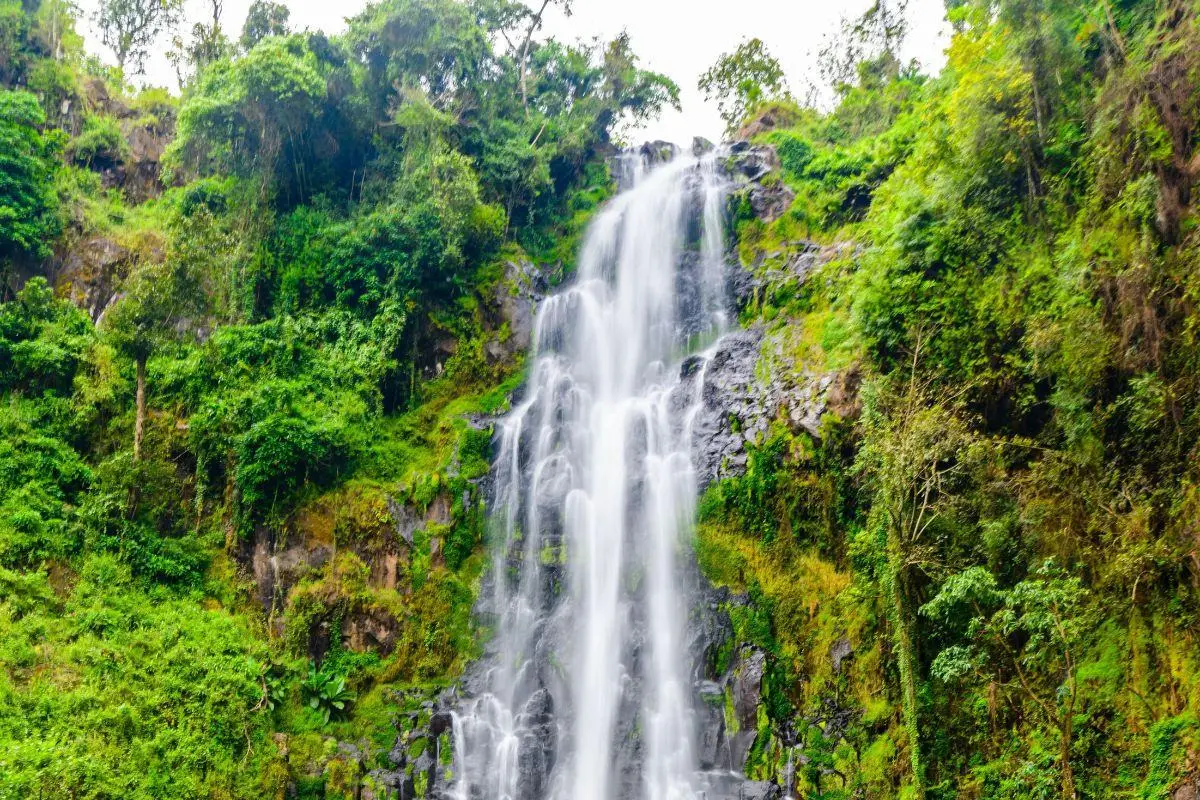
A short, invigorating hike through cultivated terraces and montane forest that ends at a refreshing plunge pool beneath a cascading drop. Pair the walk with a local coffee or village-culture visit to stack hiking, swimming, and cultural interactions into a single, manageable day from Moshi.
Explore experiences ↓Your guide to places, experiences, and adventures.
THE GOOD STUFF STARTS HERE
Experiences around Materuni Waterfall


Moshi, Tanzania
Materuni Village & Waterfall Tour — Coffee, Culture and Kilimanjaro Views
from $91.00USD


Moshi, Tanzania
Materuni Waterfall & Kikuletwa (Chemka) Hot Springs — Day Trip from Moshi or Arusha
from $149.00USD


Moshi, Tanzania
Materuni Waterfalls & Coffee Tour — Full-Day Private Experience from Moshi
from $97.00USD

Moshi, Tanzania
Materuni Waterfalls and Kikuletwa Hot Springs: Full-Day Trip from Moshi
from $100.00USD


Moshi, Tanzania
Materuni Waterfalls, Coffee Tour & Chemka (Chemka) Hot Springs — Day Trip from Arusha
from $120.00USD

Moshi, Tanzania
Materuni Waterfalls & Coffee Tour — Kilimanjaro Village Walk & Coffee-Making Experience
from $120.00USD

Moshi, Tanzania
Materuni Waterfall E-Bike Day Trip: Kilimanjaro Foothills Cycling & Coffee Tour
from $140.00USD


Moshi, Tanzania
Materuni Waterfalls & Coffee Tour — Hike, Local Coffee Shamba and Kilimanjaro Views
from $80.00USD
Moshi, Tanzania
Materuni Waterfalls & Chemka (Kikuletwa) Hot Springs Day Tour from Arusha
from $100.00USD


Moshi, Tanzania
Materuni Waterfall Hike & Chagga Coffee Tour near Moshi — Day Trip Guide
from $35.00USD


Moshi, Tanzania
Serval Wildlife, Materuni Waterfall & Coffee Tour — 2-Day Kilimanjaro Village Experience
from $300.00USD
Listed starting prices may vary by option, travel date and group size. Confirm the final total and availability on Viator. Sponsored links: we may earn a commission from qualifying bookings.
STORIES WORTH GOING FOR
Stories from Moshi
GET TO KNOW THE PLACE
Why Materuni Waterfall
A short hike that feels farther than it is—Materuni’s trail falls away through terraces and forest, the water always nudging you toward the plunge pool. It’s a satisfying half-day adventure that mixes easy hiking, a cool-swimming reward, and tangible cultural exchange with local Chagga hosts.
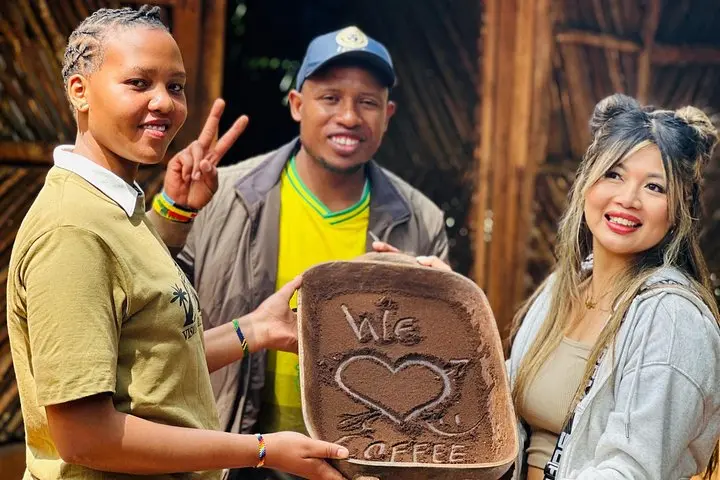
The approach to Materuni is as much cultural as it is natural. Farms terrace the slopes beneath Mount Kilimanjaro, and the trail weaves past banana groves, coffee trees, and small homesteads. The waterfall itself is a product of the mountain’s rains and springs; snowmelt and cloudforest capture feed the streams that cascade down the foothills, so water volume changes with the seasons. Locals have long used these waterways for irrigation and brewing coffee, and many visit routes are guided by village hosts who combine the walk with demonstrations of traditional coffee roasting and local storytelling.
Geologically, you’re hiking on the lower slopes of an ancient volcanic massif. The land holds heat from the mountain and moisture from the cloud layer; moss and ferns crowd the trail where the canopy closes. The final descent can be steep and slippery—steps carved into the soil and roots, simple handrails in places—and the waterfall’s pool invites a cool dip when levels are calm. Because the route crosses private and community lands, access is typically organized through local guides or village-run entry points. This keeps the visit sustainable and offers helpful context about land use, farming practices, and conservation efforts in the Kilimanjaro foothills.
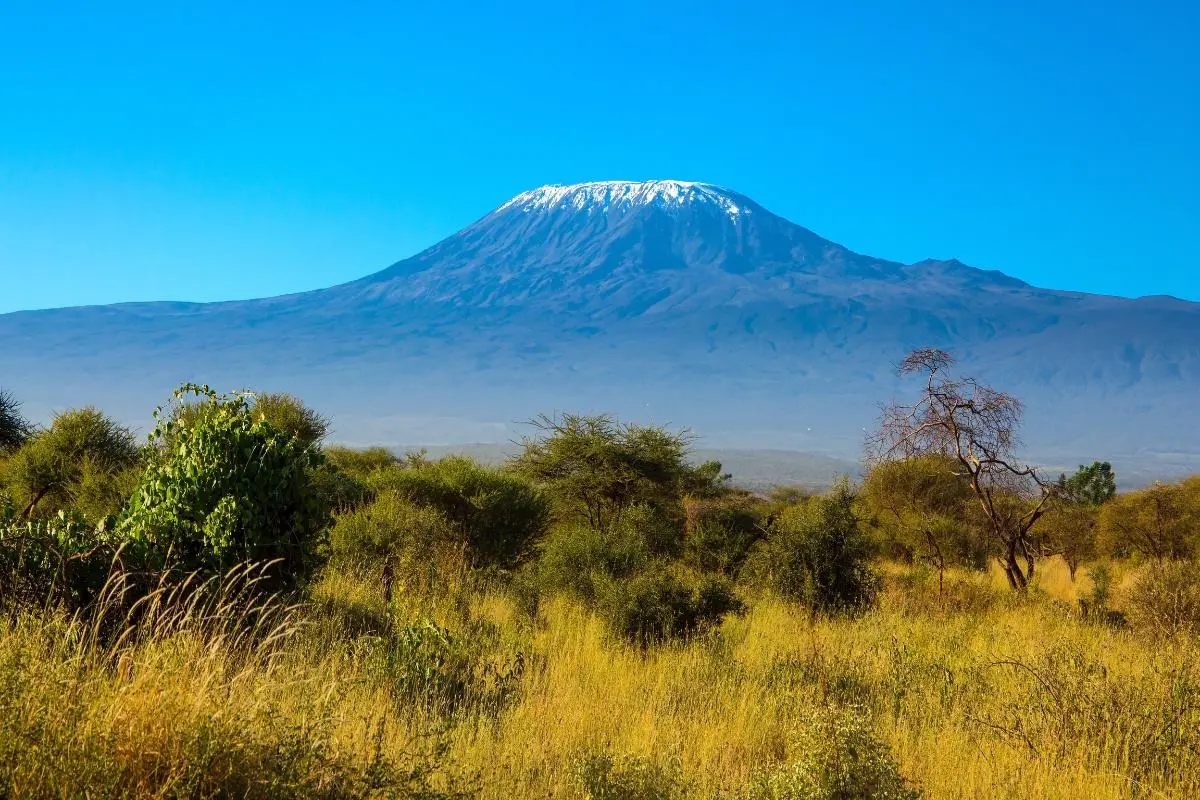
Plan Materuni as a morning or late-afternoon excursion to avoid midday heat and local market traffic. Dress in layers and bring traction on shoes; rains can turn the path slick in the wet season. If you’re stacking experiences, book the coffee-culture stop first, then walk to the falls, finishing with a relaxed return to Moshi along a scenic road that looks up at Kilimanjaro’s southern face. Prioritize a guided visit if you want translation, village access, and a smoother logistics flow; self-guided options exist but check local access conditions and water levels before you go.
Get to know the place
Attractions worth a closer look.
PLAN YOUR VISIT
When to go.
Best months
January, February, June, July, August, September
Weather
The Kilimanjaro foothills have a distinct wet and dry rhythm: the dry months are typically clearer for hiking while the rainy season brings lush green landscapes and higher water flow at the falls. Afternoon showers are more common during long rains, so plan hikes for the morning.
Peak season
The busiest period for Moshi day trips aligns with the long dry season and international mountaineering seasons; expect more day-trippers and tour groups then, so start early and book guides ahead of time.
Beyond the peak
During shoulder and wet months you’ll find fewer crowds and more dramatic water volumes, making for powerful cascades; be prepared for muddy trails and verify access as some routes can become slippery or temporarily impassable.
PACK WITH PURPOSE
What to bring.
optional
- Compact binoculars for birdwatching
- Action camera or waterproof phone case
- Small picnic kit for a post-swim snack
essential
- Sturdy, grippy footwear or hiking shoes
- Reusable water bottle with 1–2 liters of water
- Light layers and a sun-protective shirt
- Insect repellent
- Cash for guide fees, village entry, and snacks
recommended
- Light rain shell or poncho
- Quick-dry towel and change of clothes
- Dry bag for electronics
- Trekking poles for slippery descents
FIND YOUR PACE
Choose your kind of adventure.
advanced
For strong hikers and multisport travelers who link the waterfall to longer or steeper excursions on Kilimanjaro’s lower slopes.
- Steep stream scramble to upper cascades with a guide
- Fastpacking runs on Kilimanjaro foothill trails
- Multi-day approaches that combine village stays and extended ridge routes
beginner
A short, mostly non-technical hike that’s friendly for beginners in decent fitness with appropriate footwear.
- Guided waterfall hike with a village coffee stop
- Casual birdwatching along the shaded trail
- Short scenic drive around Moshi and village visits
intermediate
A step up in effort with steeper sections and longer days when you combine Materuni with nearby outdoor activities.
- Mountain-biking on foothill tracks near Moshi
- Longer loop hikes that include additional riverside trails
- Active cultural walk with hands-on coffee processing
BEFORE YOU GO
Your questions, answered.
Do I need a guide to visit Materuni Waterfall?
A guide is strongly recommended for access, local knowledge, and cultural context; guides also help navigate slippery sections and support community-run entry systems.
How long does the visit take from Moshi?
Most visitors plan a half-day trip including travel, a coffee demonstration, the hike to the falls and time to swim or relax; schedule more time if you want a relaxed picnic or village visit.
Is swimming safe at the pool beneath the falls?
Swimming is common when water levels are moderate, but currents and rocks can be hazardous after heavy rain; always assess conditions and follow your guide’s advice.
Can I visit Materuni as part of a Kilimanjaro trek?
Yes—Materuni works well as a cultural and low-altitude excursion before or after higher-altitude trekking, and it’s an accessible day activity from Moshi for acclimatization or rest days.
What footwear is best for the trail?
Closed, grippy shoes or lightweight hiking boots are best; the final descent can be steep and muddy so traction matters more than a fashion sandal.
Are there facilities or food available at the site?
Basic village facilities and light snacks are usually available through local hosts, but bring cash and essentials as services can be limited and rustic.