Castro, Chile
Lemuy Island day tour from Castro — churches, coastal forest & birdwatching
from $178.34USD
VAYCAI · ATTRACTION GUIDE
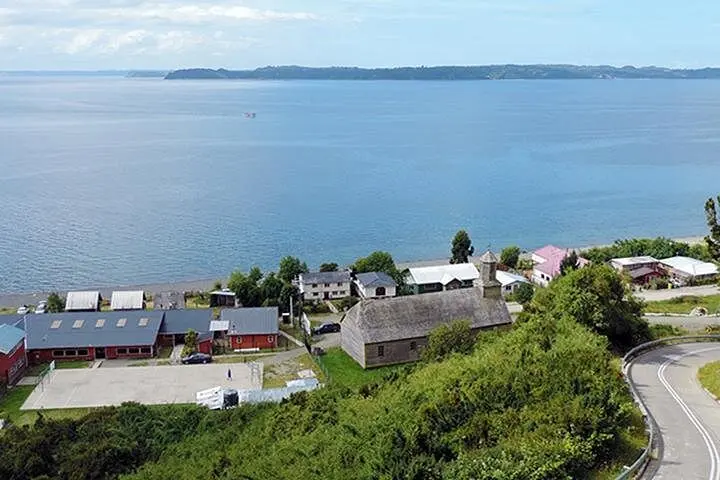
Lemuy Island pairs short coastal hikes, quiet paddling, and village-side culture into an easy island stack you can do in a long weekend. Plan to combine shoreline walks with a bike ride between hamlets and a boat hop to nearby islets to make the most of tides, views, and the painted wooden churches scattered across the island.
Explore experiences ↓Your guide to places, experiences, and adventures.
THE GOOD STUFF STARTS HERE
Castro, Chile
Listed starting prices may vary by option, travel date and group size. Confirm the final total and availability on Viator. Sponsored links: we may earn a commission from qualifying bookings.
STORIES WORTH GOING FOR
GET TO KNOW THE PLACE
Step off a ferry and you feel the island settle around you: gulls wheel, ridgelines hold the wind, and villagers tend small wooden houses painted like signal flags. Lemuy's scale makes it an ideal place to layer short hikes, coastal paddles, and cultural stops into compact adventure days without long transfers.
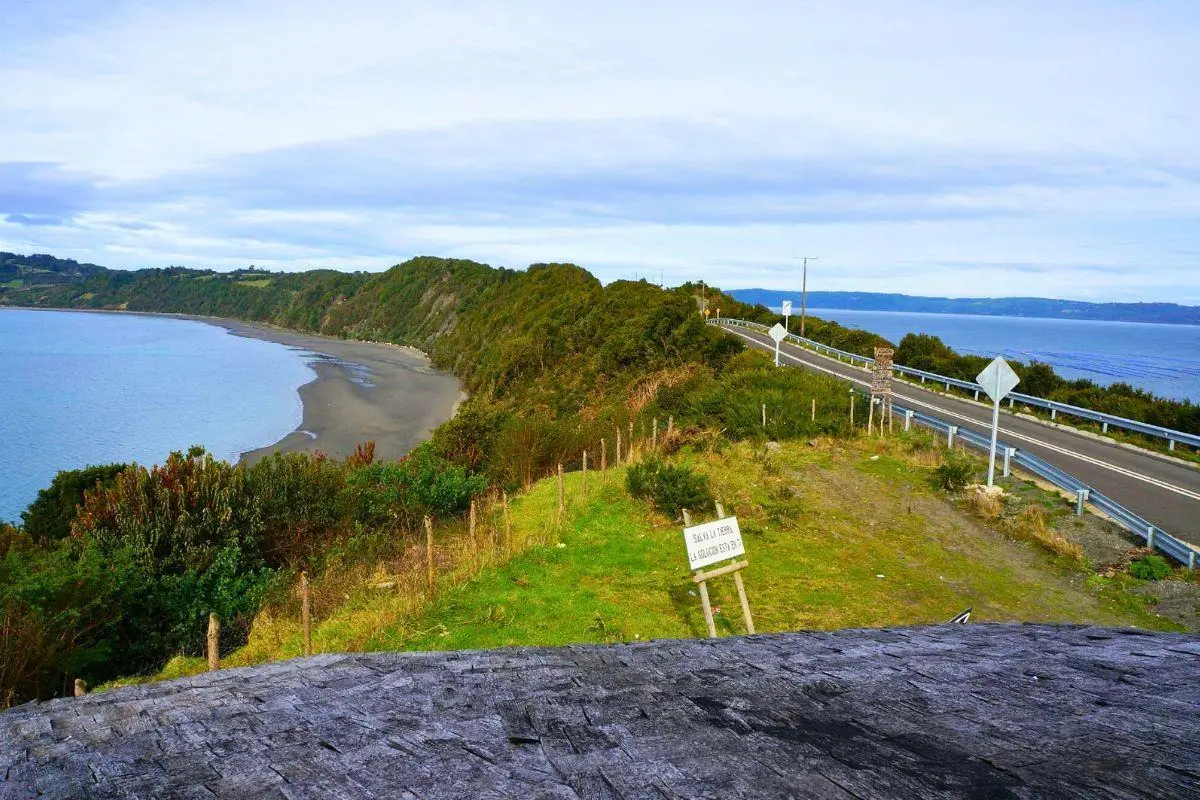
Lemuy sits at the eastern edge of the Chiloé Archipelago, a place where glacially carved channels and volcanic soils shaped a patchwork coastline of coves and low ridgelines. Rock and tide dictate the island’s pace: beaches gather pebbles, kelp beds line sheltered inlets, and the sea nudges at headlands with a steady, weather-driven rhythm. Historically the island’s communities relied on small-scale fishing, boatbuilding, and subsistence agriculture; today many families combine those traditions with hospitality, offering homestays and small guesthouses. Expect painted wooden churches and small village piers rather than large tourist infrastructure.
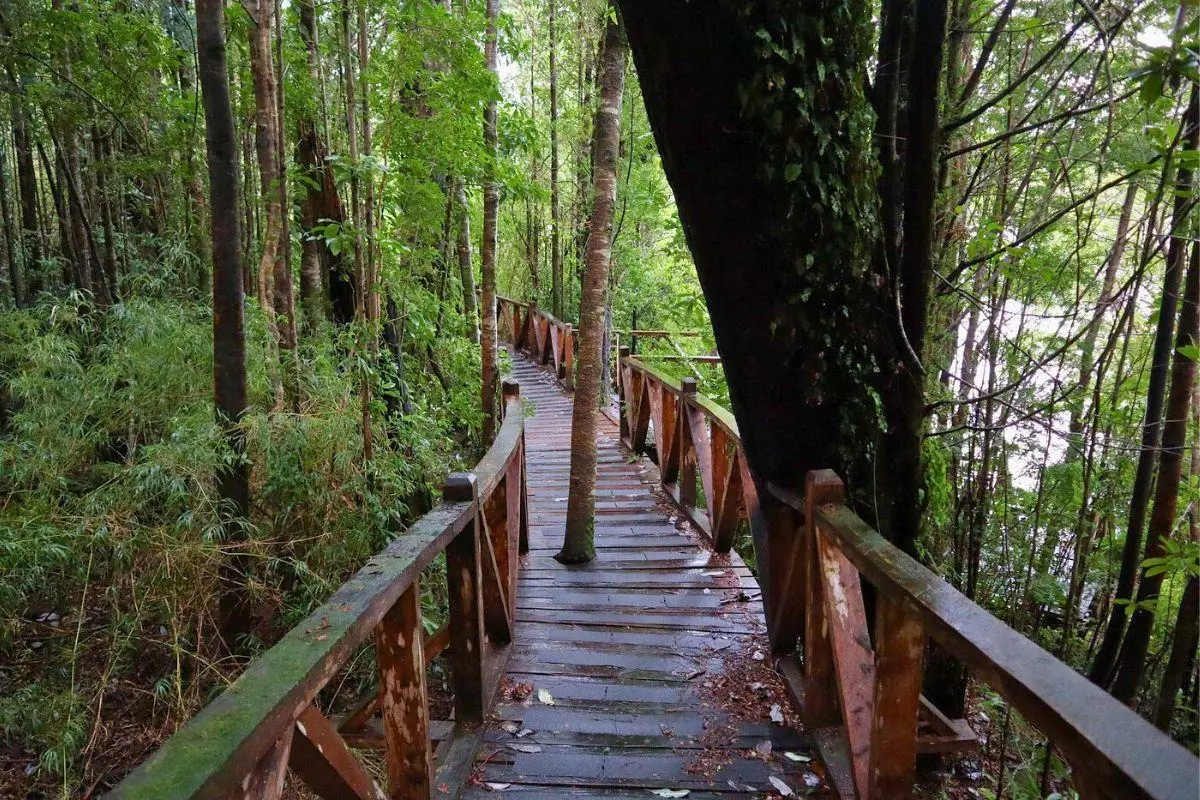
Adventure here is compact and tactile. Trails are short and often follow field edges, forest margins, or old cart paths; the island encourages frequent stops to read the light or watch shorebirds. Tides and weather matter—wind can push you off a planned paddle, and winter rains will make dirt lanes sticky—so plan days with built-in flexibility. A logical itinerary stacks a morning hike or bike loop with a midday seafood lunch in a village and an afternoon kayak or skiff trip for sunsets. Boat transfers to neighboring islets can extend exploration, but they run to a local schedule, so confirm timing before you set out.
Logistics are straightforward from Castro: regular ferries and short car links connect the island to the main island of Chiloé, and from there international access funnels through Puerto Montt. Cell coverage is spotty in coves and mid-island lanes—download maps and carry a paper backup if you need one. Prioritize small-group experiences with local guides for paddling or sea navigation, and treat village rhythms with respect: quiet hours, dogs, and tractors are part of rural island life. With modest planning, Lemuy rewards travelers with intimate coastal scenery, approachable adventures, and a clear sense of place.
Get to know the place
PLAN YOUR VISIT
October, November, December, January, February, March
Southern summer months are generally the mildest with longer daylight and lower rainfall; spring and fall can be changeable with intermittent wind and showers. Winter is wetter and windier, which limits paddling and makes some dirt lanes muddy.
The busiest period is Southern Hemisphere summer (December–February); book accommodations and boat trips ahead and plan for early starts to avoid midday wind on exposed water.
Off-season travel offers quieter villages and lower rates, but expect reduced services and muddy trails; choose sheltered routes and check boat availability before planning paddles.
PACK WITH PURPOSE
FIND YOUR PACE
For experienced outdoor travelers seeking navigational challenges and wind-exposed paddling.
Ideal for travelers new to coastal adventure—short, low-grade walks and calm sheltered paddles.
For active travelers comfortable with variable weather and mixed terrain—longer hikes and independent paddles.
BEFORE YOU GO
You can self-guide short hikes and village visits, but hire a local guide for sea kayaking, boat navigation, or if you want island history and birding expertise.
Regular ferries and short vehicle transfers connect Castro with nearby points; local boats serve intra-island hops—confirm schedules locally as they can vary with tides and weather.
Sea kayaking is popular in sheltered inlets but safety depends on wind and tide; always check conditions, wear a PFD, and consider a guided trip if conditions are uncertain.
A long weekend (2–4 days) allows for a good mix of hikes, paddles, and village time; a week gives room for relaxed exploration and extra boat trips to nearby islets.
Some villages and nearby towns offer bike rentals—reserve in summer and confirm pickup/drop-off logistics since inventory is limited.
Have backup activities like longer village walks, church visits, photography sessions, or a seafood lunch at a local casa to keep the day productive and enjoyable.