
El Nido, Philippines
Private El Nido Islands and Cave Tour — Bacuit Archipelago Caves & Snorkel (Tour B)
from $178.00USD
VAYCAI · ATTRACTION GUIDE
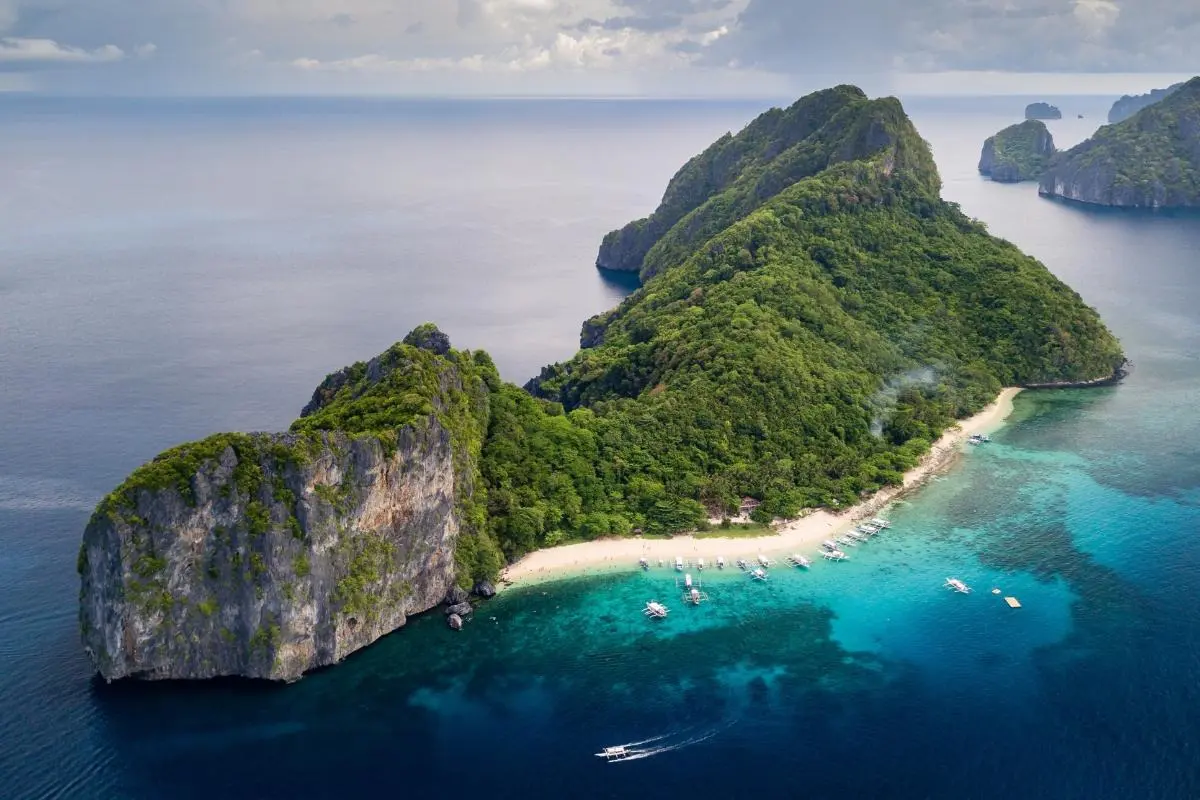
Cathedral Cave is a brief, dramatic stop inside Bacuit Bay’s karst maze, perfect to stack with island-hopping, snorkeling, and short paddles. Visit as part of a half-day boat loop or private tour, timing your approach for low sun angles and calm water to see shafts of light and exposed rock. It’s short on logistics but big on photo-worthy moments—ideal for a morning boat run followed by snorkeling nearby.
Explore experiences ↓Your guide to places, experiences, and adventures.
THE GOOD STUFF STARTS HERE
El Nido, Philippines

El Nido, Philippines

El Nido, Philippines
Listed starting prices may vary by option, travel date and group size. Confirm the final total and availability on Viator. Sponsored links: we may earn a commission from qualifying bookings.
STORIES WORTH GOING FOR
GET TO KNOW THE PLACE
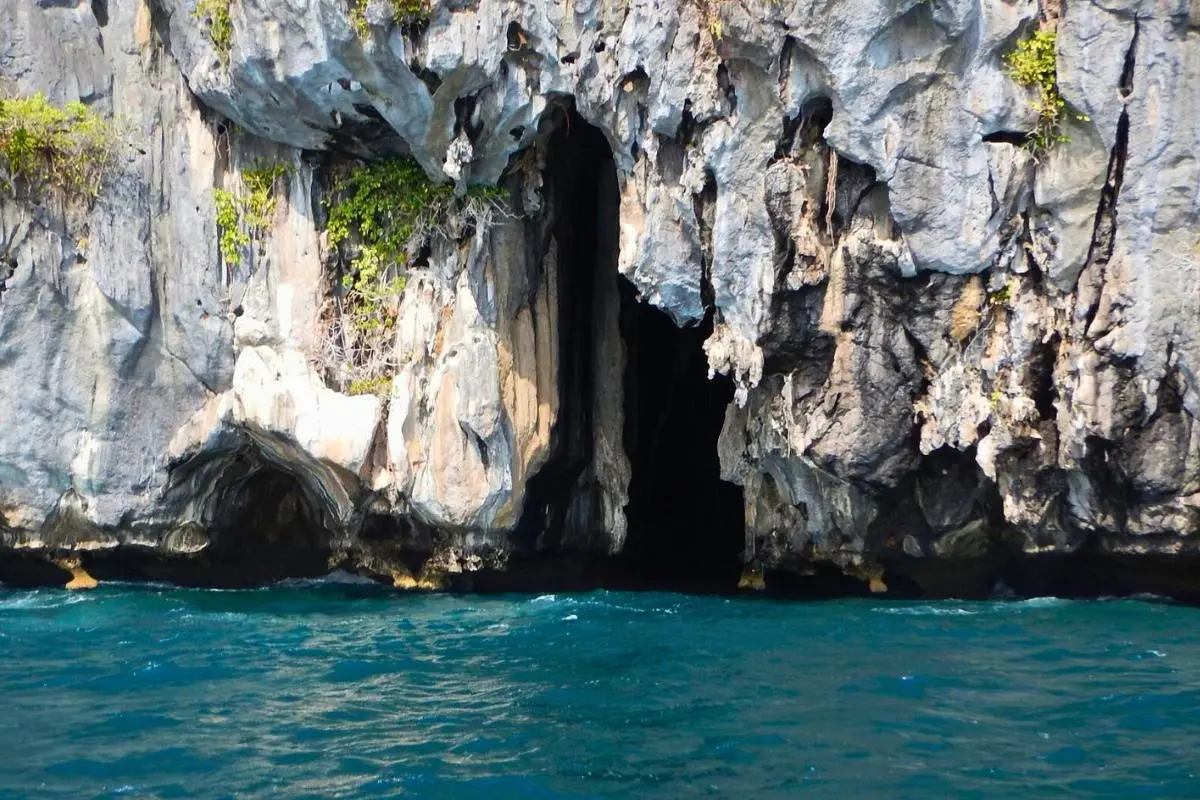
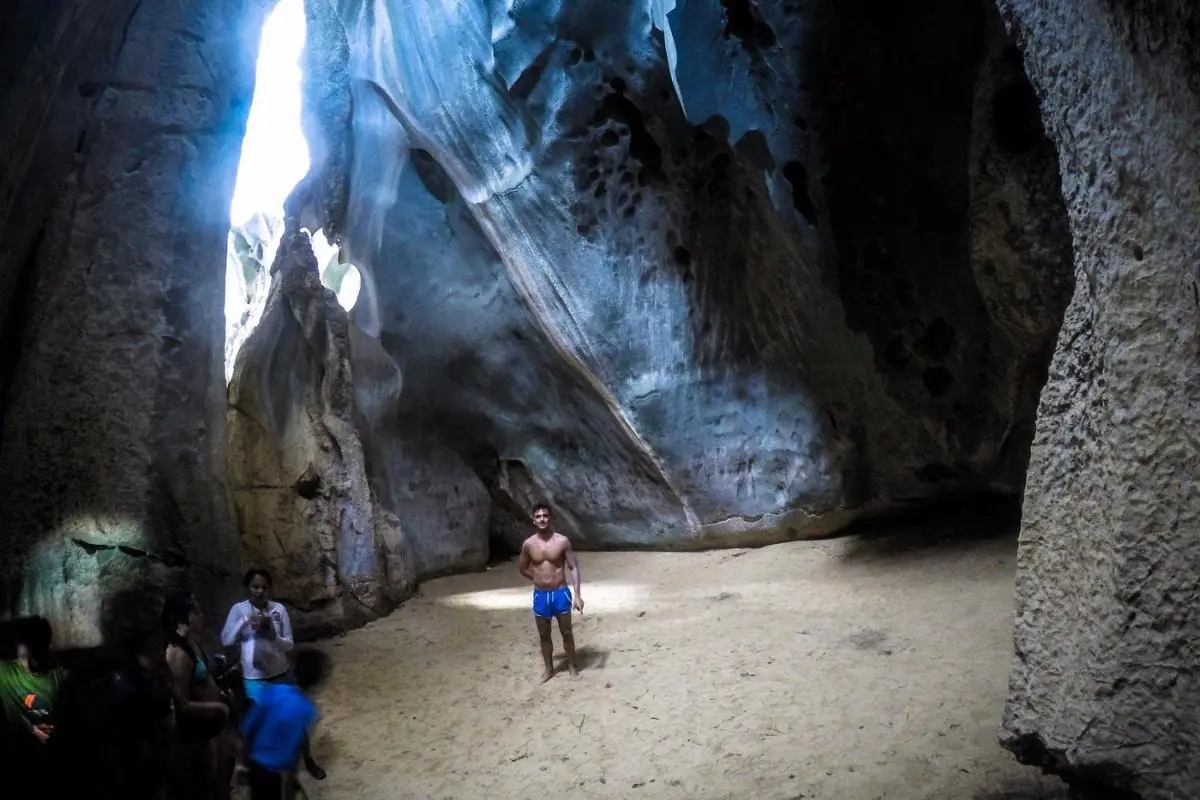
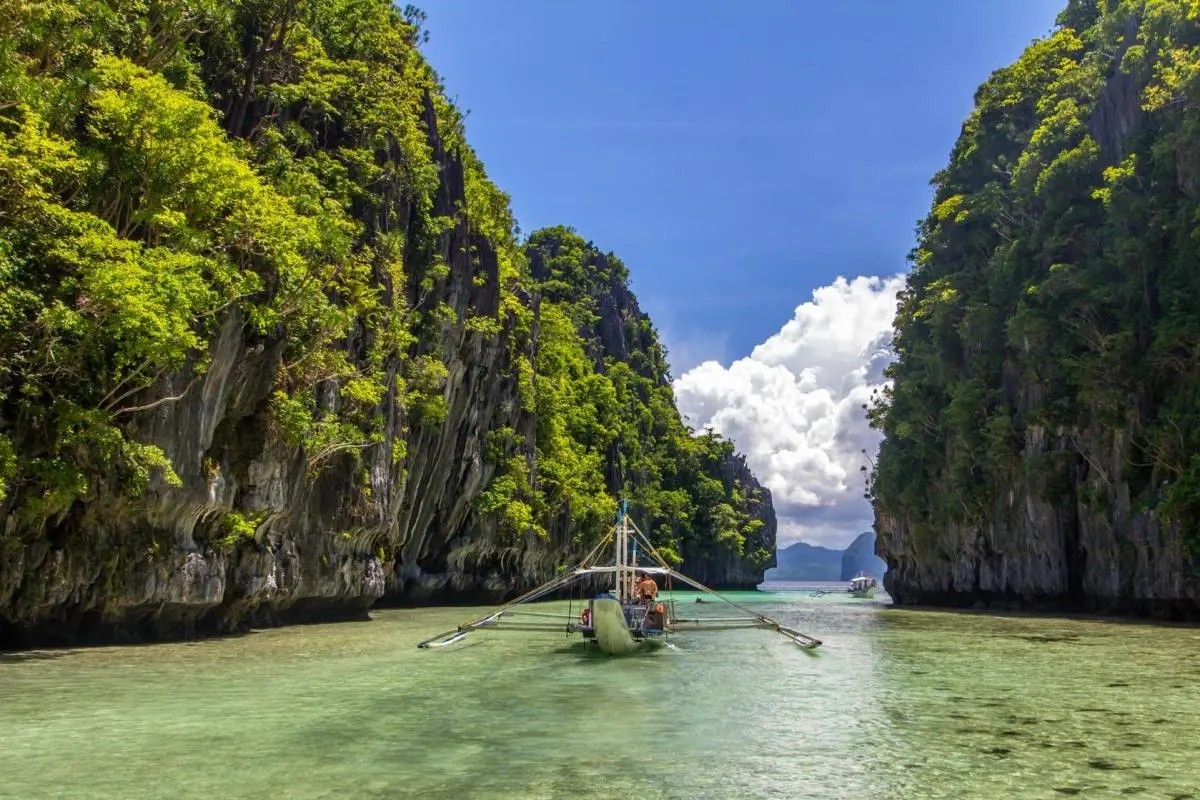
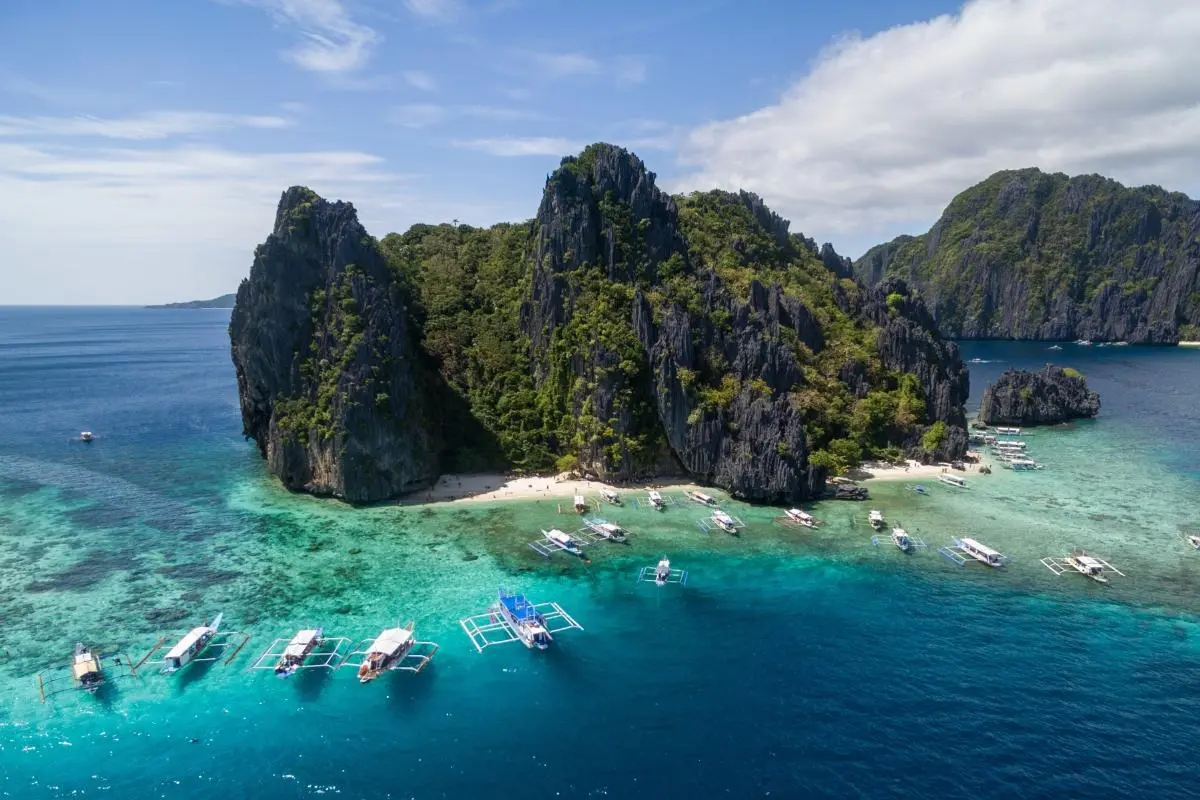
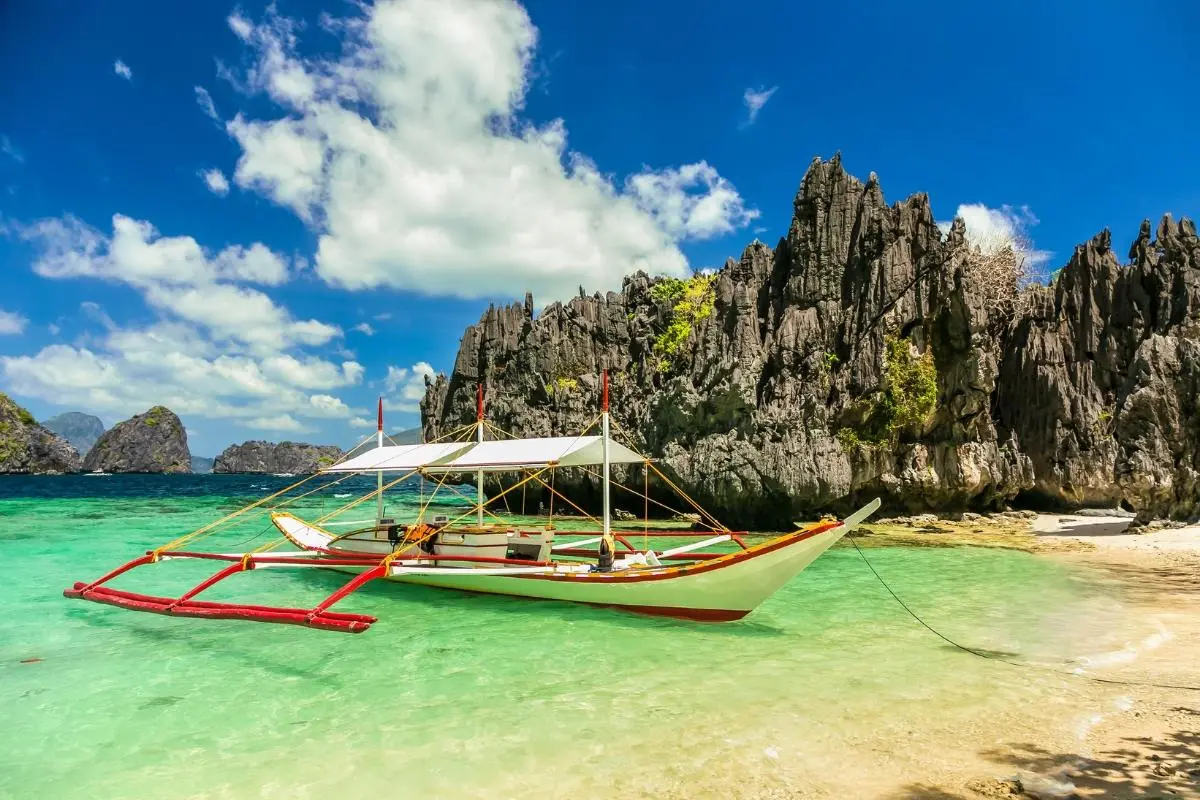
The moment the banca slips into the cave’s mouth you trade open ocean for a chamber of hush and light. Cathedral Cave is less about a long hike than about an intimate encounter—sunbeams on wet limestone, the hush of dripping water, and a brief scramble to better viewpoints. It’s the kind of place you pair with snorkeling, paddling, and short coastal hikes elsewhere in Bacuit Bay.
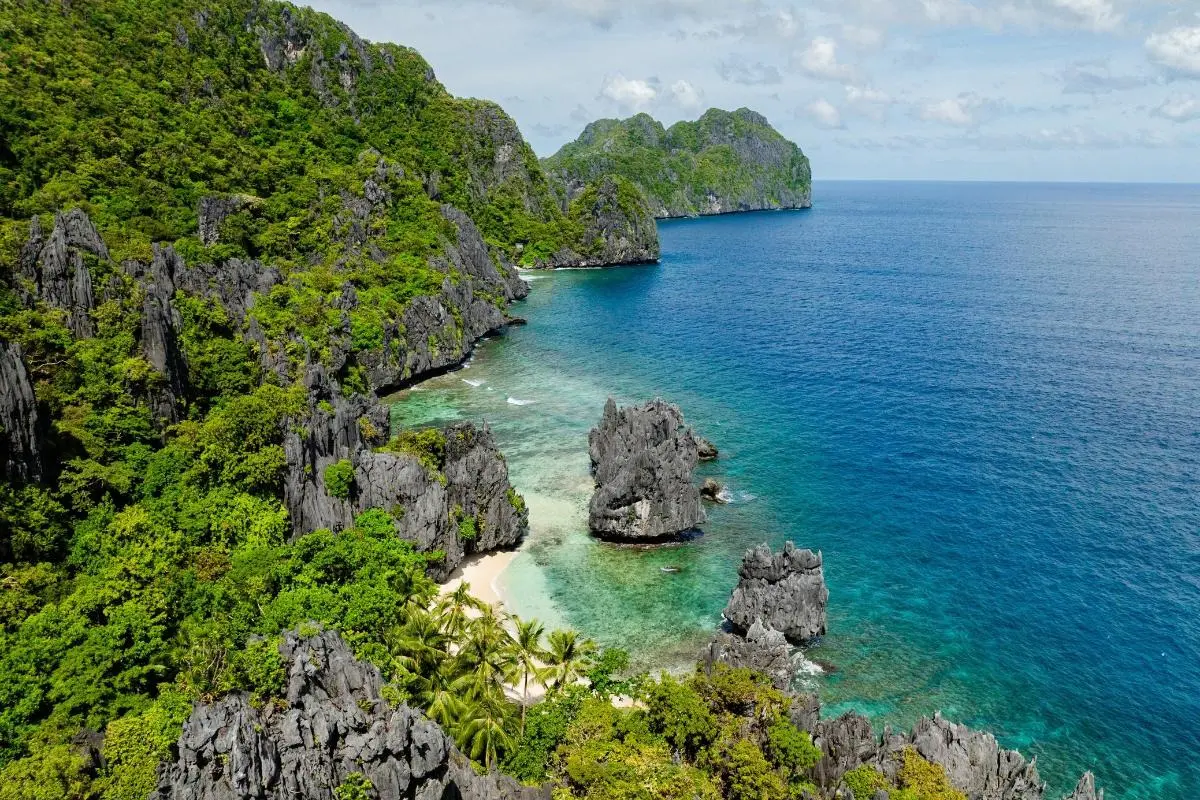
Arrive by small boat and the cave announces itself with a narrowing mouth and a sudden shift in sound: waves become measured, birds quiet, and the cave’s vault takes the day’s light and breaks it into shards. The cave is carved from Palawan limestone—ancient reef and coral laid down, folded and lifted, then eroded by sea and rain. That slow work created the high walls and the cavity above that lets sunlight fall in like a spotlight. Local fishers and island communities have used these crevices for shelter and as navigational markers for generations, so visiting here is also an encounter with working-coast culture rather than isolation.
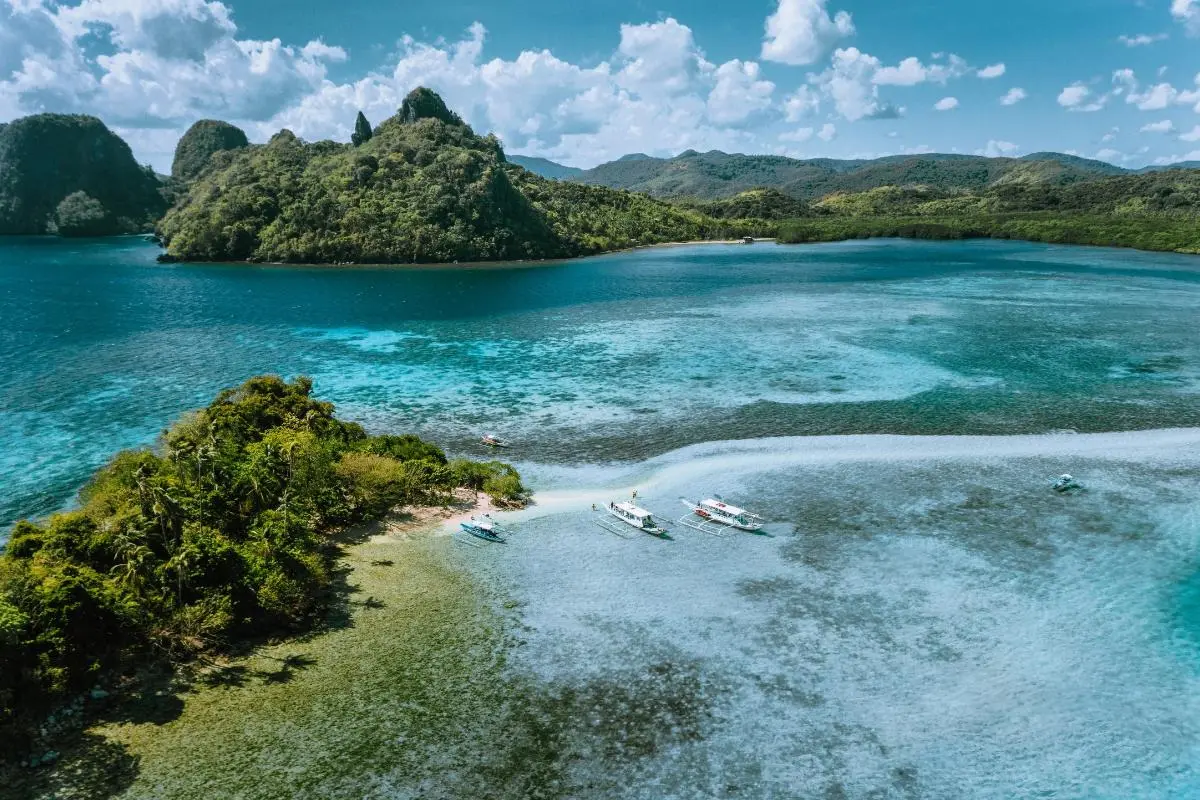
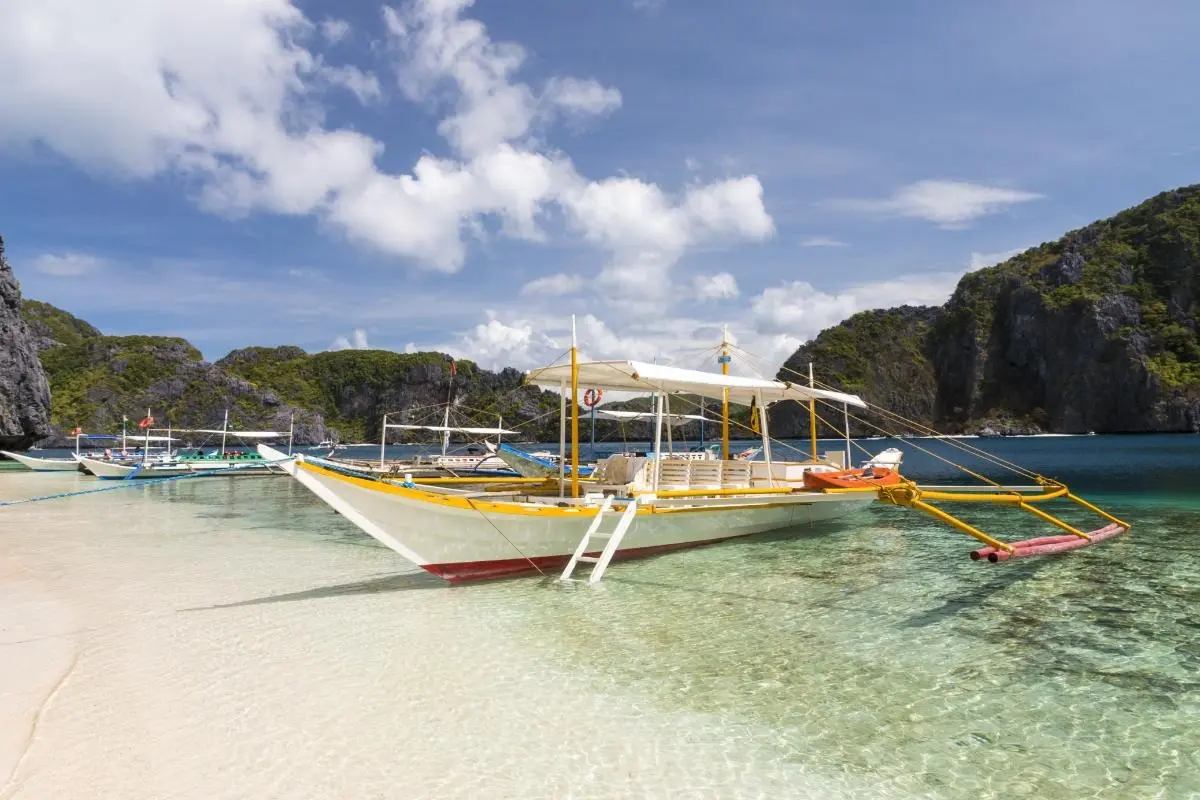
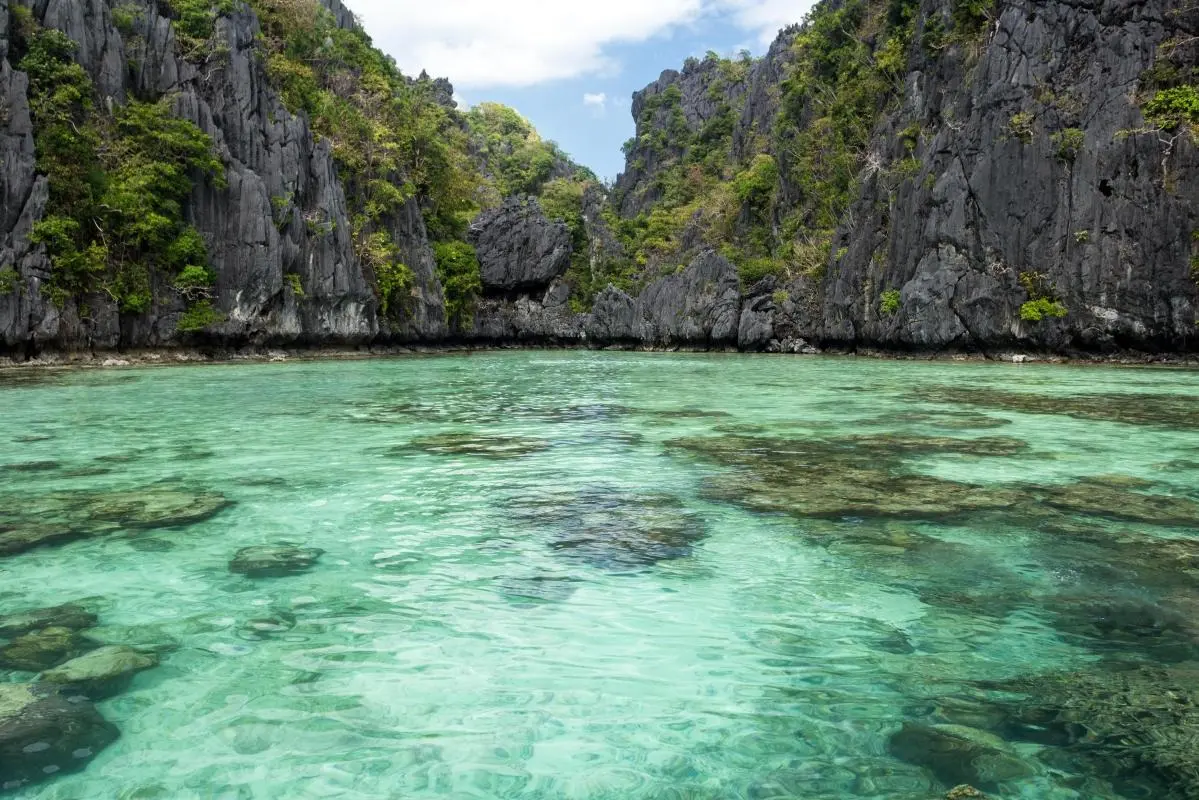
Planning a visit is straightforward but tide-aware. Cathedral Cave is normally reached as part of an island-hopping circuit from El Nido town by banca or private boat; private charters let you time the light and avoid the busiest flotillas. Expect to wet-step or wade depending on tide and sea state, and to climb a few slick rocks to get a full view. Stack the cave with a morning at Big or Small Lagoon for calmer water and with midday snorkeling when corals are most visible. Keep gear in a dry bag, wear footwear with grip, and budget short, flexible windows for photos and exploration.
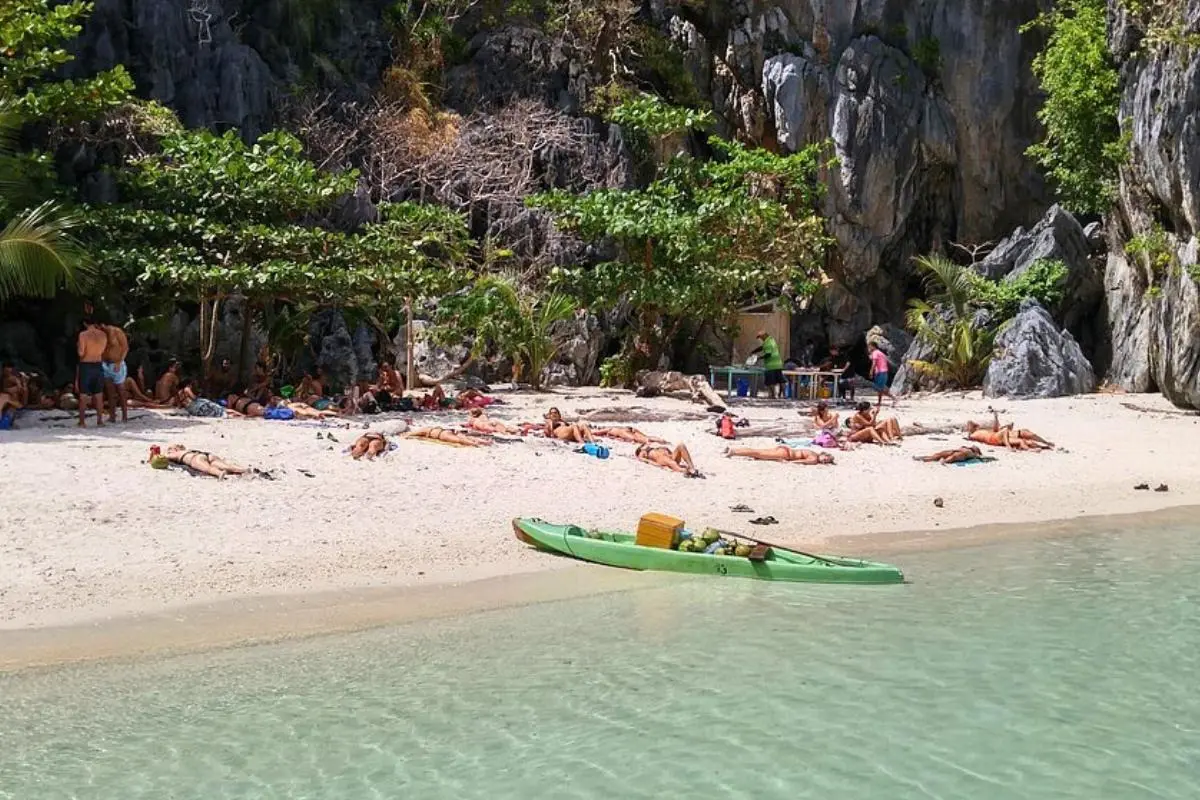
The cave rewards careful attention: notice the bird calls living in ledges, the micro-pools left at low tide, and the thin crust of cave growths that should not be touched. Nature here nudges you toward quiet—move slowly, pack out everything you bring, and rely on local guides who understand currents and access. For photographers and casual explorers alike, Cathedral Cave is a compact highlight—brief, intense, and best enjoyed with a plan that respects tides, guides, and the neighboring marine life.
Get to know the place


PLAN YOUR VISIT
November, December, January, February, March, April
Palawan's dry season falls roughly between November and April with calmer seas and sunnier days, while the wet season brings heavier rain and choppier seas that can make boat access less predictable.
Peak tourism runs December through March when weather is most stable; book boats and shore-side lodging well in advance and plan early departures to beat midday crowds.
Visiting in the shoulder or early monsoon offers lower rates and fewer tour groups, but expect occasional cancellations, higher seas, and muddy trails—plan flexible itineraries and confirm daily departures.
PACK WITH PURPOSE
FIND YOUR PACE
Longer, more technical outings that require experience and planning.
Short, low-commitment activities suitable for casual travelers or families.
Active days that mix paddling and short scrambles with moderate fitness.
BEFORE YOU GO
You don't strictly need a guide for short visits, but joining a reputable boat tour or hiring a local guide improves safety, ensures tide-aware timing, and supports local operators.
Plan 20–45 minutes at the cave itself; most visitors include it as a stop on a half- or full-day island-hopping route.
Access changes with tide and sea state; some visits require wet steps or shallow wading—check local conditions and ask your boat operator before approaching.
Watch for slippery rocks, sudden waves, and hot sun on the deck; wear footwear with grip, secure electronics in dry bags, and follow guide instructions.
Most travelers fly into Puerto Princesa then take a road transfer, or fly into El Nido’s small airport; connections vary by season so coordinate transfers in advance.
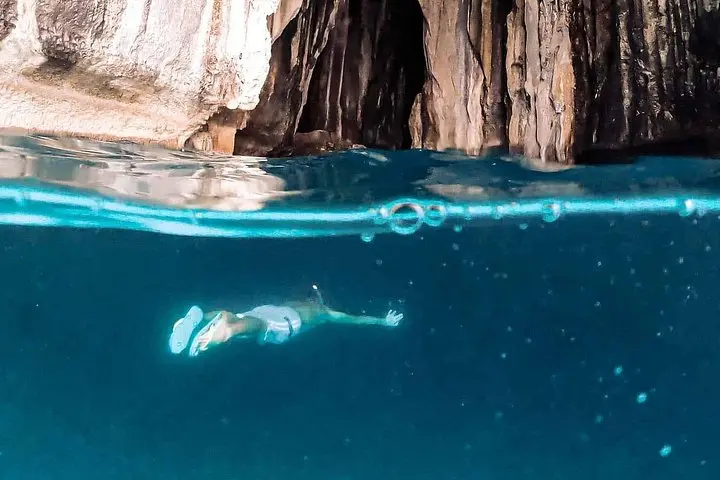
Yes—nearby coves often offer good snorkeling, but conditions are tide- and current-dependent; use guide advice and reef-safe sunscreen.