
VAYCAI · ATTRACTION GUIDE
King’s Highway Visitor Guide
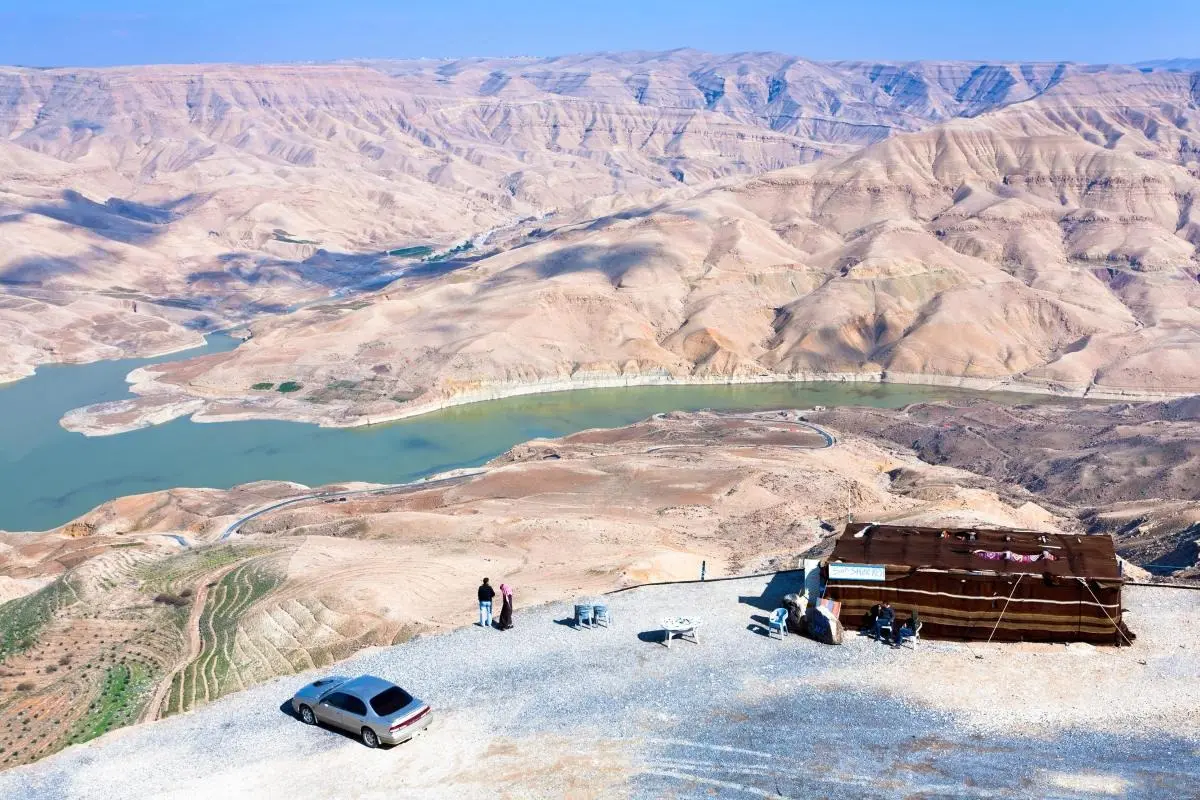
The King’s Highway corridor through Madaba is an adventurous stack—short cultural walks among Byzantine mosaics, scenic driving over basalt ridgelines, and hikeable canyons that open into sweeping desert views. Travelers can pair town-based history tours with half-day hikes or mountain-biking on gravel spurs, then finish with a quiet sunset at a high viewpoint overlooking the Dead Sea.
Explore experiences ↓Your guide to places, experiences, and adventures.
THE GOOD STUFF STARTS HERE
Experiences around King’s Highway
Listed starting prices may vary by option, travel date and group size. Confirm the final total and availability on Viator. Sponsored links: we may earn a commission from qualifying bookings.
STORIES WORTH GOING FOR
Stories from Madaba
GET TO KNOW THE PLACE
Why Travel the King’s Highway
Stone, sky, and mosaics meet along this ancient north–south route. In and around Madaba, the King’s Highway is both a cultural corridor and an outdoor playground: short hikes through wadis, dramatic overlooks at higher passes, and easy access to Byzantine mosaics and small-town markets. It’s a compact way to layer history and movement without long transfers.
Imagine stepping out of a small guesthouse in Madaba and finding the road that once carried caravans still stitched into the landscape. Underfoot, the land is patient; the hills hold heat by day and loosen it at night. The geology shifts quickly—limestone terraces and basalt outcrops give way to soft sandstone gullies where wadis nudge you into cooler shade. That variety makes for efficient days: a short morning walk among olive groves, an afternoon climb for a high-point view, and a late stop at a local bakery for fresh thyme flatbread. The route feels lived-in rather than remote, so services and fuel are generally close, but plan for long gaps between towns if you head into reserve areas.
History is constant here. Madaba’s mosaics are a practical doorway into the region’s Byzantine past: maps, religious scenes, and city plans set the tone for what you’ll see along the road. Further south, Crusader and Ottoman remains—kept watchful on ridgelines—speak to strategic hilltop thinking. Culturally, the corridor is village-forward; small markets and roadside tea stops are where you find local rhythm. From a planning perspective, travel early in the day to avoid midday heat and to take advantage of soft morning light for photography. Dirt spurs and gravel tracks are common, so a vehicle with decent clearance or a local driver will expand your route choices.
Practical priorities: stack a cultural stop with a 1–4 hour outdoor leg rather than trying to cover long distances in a single day. If you’re short on time, prioritize Madaba’s mosaics and a viewpoint at Mount Nebo, then add a canyon hike or a castle visit as daylight allows. If you want deeper wilderness, treat Dana’s reserves and nearby wadis as separate multi-day modules. Respect private grazing lands and shepherd tracks; leave gates as you found them and keep noise low around villages. The landscape will reward a paced itinerary—layers of experience, not a checklist sprint.
PLAN YOUR VISIT
When to go.
Best months
March, April, May, September, October, November
Weather
Spring and fall bring mild days and cool nights, ideal for hiking and sightseeing; summers are hot and dry at lower elevation while winters can be cool with occasional rain at higher passes.
Peak season
The busiest period is spring and early fall when weather is most comfortable; plan ahead for accommodations and start popular sites early to avoid day-trip crowds.
Beyond the peak
Winter offers quieter roads and lower rates in towns, but some remote tracks can be muddy or closed; adjust footwear and route choices accordingly.
PACK WITH PURPOSE
What to bring.
optional
- Binoculars for bird and landscape viewing
- Action camera or compact tripod
- Picnic kit for roadside lunches
essential
- Layered clothing (days can be warm; nights cool)
- 2–3 liters of water and a refill plan
- Sturdy traction footwear or hiking shoes
- Sun protection: hat, sunscreen, sunglasses
- Offline map or GPS and a charged phone
recommended
- Light rain shell or windbreaker
- Headlamp or compact torch
- Trekking poles for loose descents
- Dry bag for electronics and documents
FIND YOUR PACE
Choose your kind of adventure.
advanced
Advanced travelers can take multi-day treks, technical scrambling in narrow gullies, and extended bikepacking routes across varied terrain.
- Multi-day trekking in nearby reserve areas and remote wadis
- Technical scrambling and route-finding in narrow canyons
- Long-distance bikepacking connecting multiple historic sites
beginner
Beginner-friendly outings pair short cultural walks and paved viewpoint strolls with minimal elevation gain.
- Explore Madaba’s mosaic sites and nearby museums
- Easy paved walk to a sunset viewpoint at Mount Nebo
- Short village walk and roadside market visit
intermediate
Intermediate trips add half-day hikes on gravel spurs, longer scenic drives, and casual mountain-biking on back roads.
- Half-day hike into a wadiside canyon
- Gravel road mountain-biking between villages
- Multi-site scenic drive with short off-road stops
BEFORE YOU GO
Your questions, answered.
Do I need a guide to explore the King’s Highway around Madaba?
You can self-guide for towns and well-marked viewpoints, but a local guide is valuable for off-road spurs, reserve access, and deeper historical context.
How many days should I allocate to experience the corridor?
A 2–4 day window lets you stack Madaba mosaics, Mount Nebo, a short canyon hike, and a scenic drive; longer trips allow for multi-day hikes or side trips to reserves.
Is a 4x4 vehicle necessary?
Not for main paved sections, but a high-clearance vehicle or local driver is recommended if you plan to explore gravel spurs, wadis, or reserve access roads.
What safety concerns should I plan for?
Bring ample water, sun protection, and navigation tools; tell someone your plan if heading into remote wadis and check weather for flash-flood risk in rainy months.
Can I combine King’s Highway stops with the Dead Sea or Petra in one trip?
Yes—these areas are commonly stacked. Build in travel time, prioritize a couple of key sites each day, and consider overnighting near the southern or northern ends to reduce transfers.
Are services like food, fuel, and ATMs readily available?
Services are concentrated in towns like Madaba and Karak; carry cash and supplies when heading into quieter stretches between villages.