
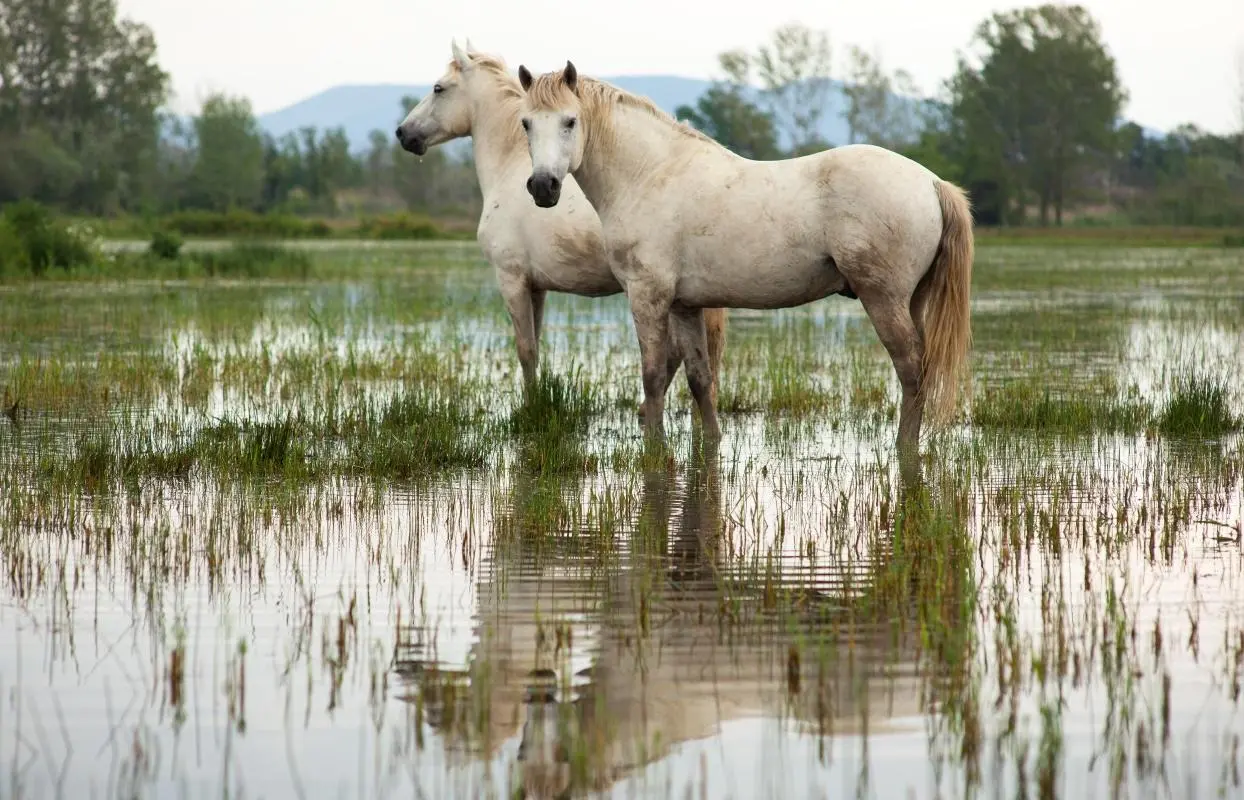
VAYCAI · ATTRACTION GUIDE
Camargue Visitor Guide
The Camargue around Arles stacks lowland adventure: flat cycling and horseback trails through saline marshes, wind-sculpted beaches for paddling and kitesurfing, and sky-high birdwatching along lagoon edges. Plan days to combine a dawn birding session, an afternoon ride or bike loop, and a sunset drive across salt pans where light turns the landscape metallic.
Explore experiences ↓Your guide to places, experiences, and adventures.
THE GOOD STUFF STARTS HERE
Experiences around Camargue

Arles, France
Arles & Camargue Private Day Tour: Roman Ruins, Van Gogh Sites & Flamingos
from $1,298.35USD
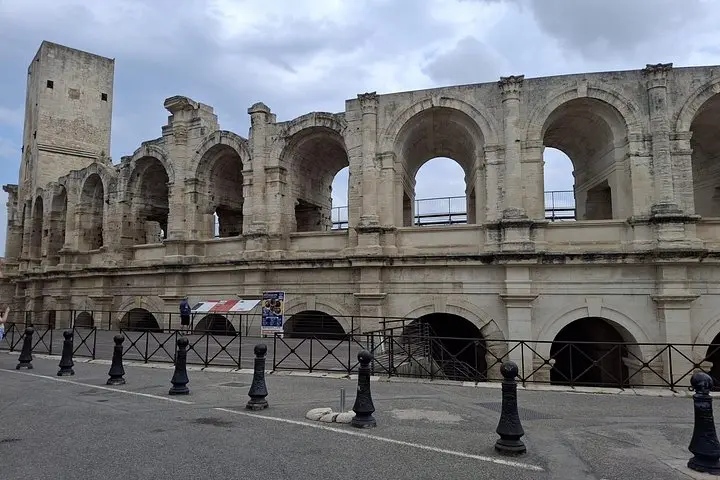
Arles, France
Private Camargue Guided Tour: Arles, Aigues-Mortes & Flamingos Day Trip
from $1,197.60USD

Arles, France
Private 4x4 Camargue Safari from Arles — 4-Hour Wildlife & Wetlands Tour
from $537.29USD

Arles, France
Camargue 4x4 Safari from Arles — 4-Hour Wild Horses, Flamingos & Salt Flats
from $70.78USD


Listed starting prices may vary by option, travel date and group size. Confirm the final total and availability on Viator. Sponsored links: we may earn a commission from qualifying bookings.
STORIES WORTH GOING FOR
Stories from Arles
GET TO KNOW THE PLACE
Why Visit the Camargue
Wide skies and low horizons define the Camargue: a delta that reads like a map of water, salt, and wind. From Arles you can string together short days—birding at dawn, a horseback or cycling exploration mid-day, then a coastal stroll at dusk—making the Camargue an efficient, layered adventure for travelers who want varied outdoor time without long transfers.
Step into the Camargue and the landscape rearranges your pace. The Rhône has pushed sediments into a braided delta that now holds shallow lagoons, salt pans, rice fields, and reed beds; those habitats host a dense, noisy population of birds that announce the morning. The geology is not dramatic, but it is active—wind shapes dunes and paints the salt crusts, and tides and seasonal rains nudge the lagoons from mudflats to quiet water. Human history is woven here too: salt harvests, rice cultivation, and manades (working bull and horse ranches) give the place its cultural itinerary. That mix means your day is both natural and local—watch flamingos feed, then follow a shepherd’s path at the edge of a herd.
Adventure options are straightforward and practical. Birdwatching hides and short trails give novice naturalists a huge payoff with minimal exertion; horseback rides on saline tracks put you closer to the old manadier traditions; and flat roads and compact gravel make cycling efficient and fast—no steep climbs, but plenty of wind management. Water activities happen in sheltered étangs for paddling and along the coast where seasonal winds invite kitesurfers. Plan seasonally: mornings and evenings concentrate wildlife activity, mid-day is best for riding or cycling, and a weather check matters—wind can make a calm lagoon choppy or a beach prime for wind sports.
Logistics are simple but worth planning. Arles is the usual hub for arrivals and has services, markets, and rental options; a car gives the most freedom to hop between hides, manades, and beachheads, though guided transfers cover key sites if you prefer not to drive. Accommodations range from small guesthouses in Arles to farmhouse stays and seaside inns; booking ahead is wise in summer. Respect private property and working ranches—keep distance from bulls and horses unless a guide says otherwise. With a little attention to timing and weather, the Camargue rewards short, stacked days of distinct adventures rather than long, single-discipline outings.
PLAN YOUR VISIT
When to go.
Best months
April, May, September, October
Weather
Spring and early fall are mild with active bird migration and comfortable conditions for riding and cycling; summers are hot and windy, and winter is cool and quieter. Sudden winds can develop any time of year, affecting paddling and coastal sports.
Peak season
The busiest period is July and August when coastal towns fill with beachgoers and local services shift to summer hours; book lodging and key activities well in advance and start days early to avoid crowds.
Beyond the peak
Visiting in late autumn or winter offers solitude, lower prices, and crisp birding mornings; be aware of wetter ground and restricted access on some unpaved tracks—avoid driving on salted mud after heavy rains.
PACK WITH PURPOSE
What to bring.
optional
- Action camera or telephoto lens
- Portable picnic kit
- Lightweight trekking poles for muddy access routes
essential
- Sun protection (hat, SPF sunscreen, sunglasses)
- Reusable water bottle and electrolytes
- Sturdy, closed traction footwear for salt and mud
- Light layers and a windproof jacket
- Offline map or GPS app with downloaded trails
recommended
- Insect repellent and a lightweight head net
- Rain shell or compact weatherproof layer
- Binoculars for birdwatching
- Dry bag for waterfront activities
FIND YOUR PACE
Choose your kind of adventure.
advanced
Challenging itineraries that demand weather sense, navigation, and endurance on exposed flats and open water.
- Multi-day bikepacking across delta backroads with logistical resupply
- Kitesurfing or windsurfing on exposed beaches in strong wind conditions
- Extended wildlife photography expeditions requiring patience and stealth
beginner
Accessible, low-impact adventures ideal for newcomers who want nature without technical gear or intense effort.
- Short guided birdwatching sessions at lagoon hides
- Easy beach walks and shallow estuary paddles
- Gentle cycling on paved coastal and delta roads
intermediate
More active days that mix distance and skill with local conditions like wind and tide.
- Guided horseback rides across marsh tracks with basic riding experience
- Sea-kayaking in sheltered étangs and lagoon transitions
- Longer mixed-surface cycling loops that require wind management
BEFORE YOU GO
Your questions, answered.
Do I need a guide or is the Camargue easy to explore independently?
Both work well: self-guided itineraries suit cycling and beach days, but guides add value for horseback rides, secure wildlife viewing, and deeper cultural visits to working manades.
Is wildlife viewing reliable year-round?
Many species are present year-round, but migration peaks in spring and autumn; dawn and dusk are the most productive windows for birdwatching.
How do I get around if I don't want to rent a car?
You can use guided tours and local transfers from Arles for main sites, and some coastal shuttle services exist, but a car or arranged transport gives far more flexibility.
What safety concerns should I know about?
Watch for strong sun and wind, avoid approaching bulls and horses without permission, and be cautious of soft ground near lagoons—carry water and a basic first-aid kit.
How many days should I spend in the Camargue?
A focused 2–4 day visit lets you stack morning birding, an afternoon ride or bike loop, and a coastal drive; a week allows slower exploration and multiple water or photography sessions.
Can I swim safely in the Camargue?
There are safe, supervised beaches along the coast for swimming; many lagoons are shallow or brackish and not ideal for swimming—ask locals about conditions and designated beaches.