Bansko, Bulgaria
Vihren Peak Knife-Edge Ridge: Technical Ascent of Pirin's 2914m Summit
from $311.89USD
VAYCAI · ATTRACTION GUIDE
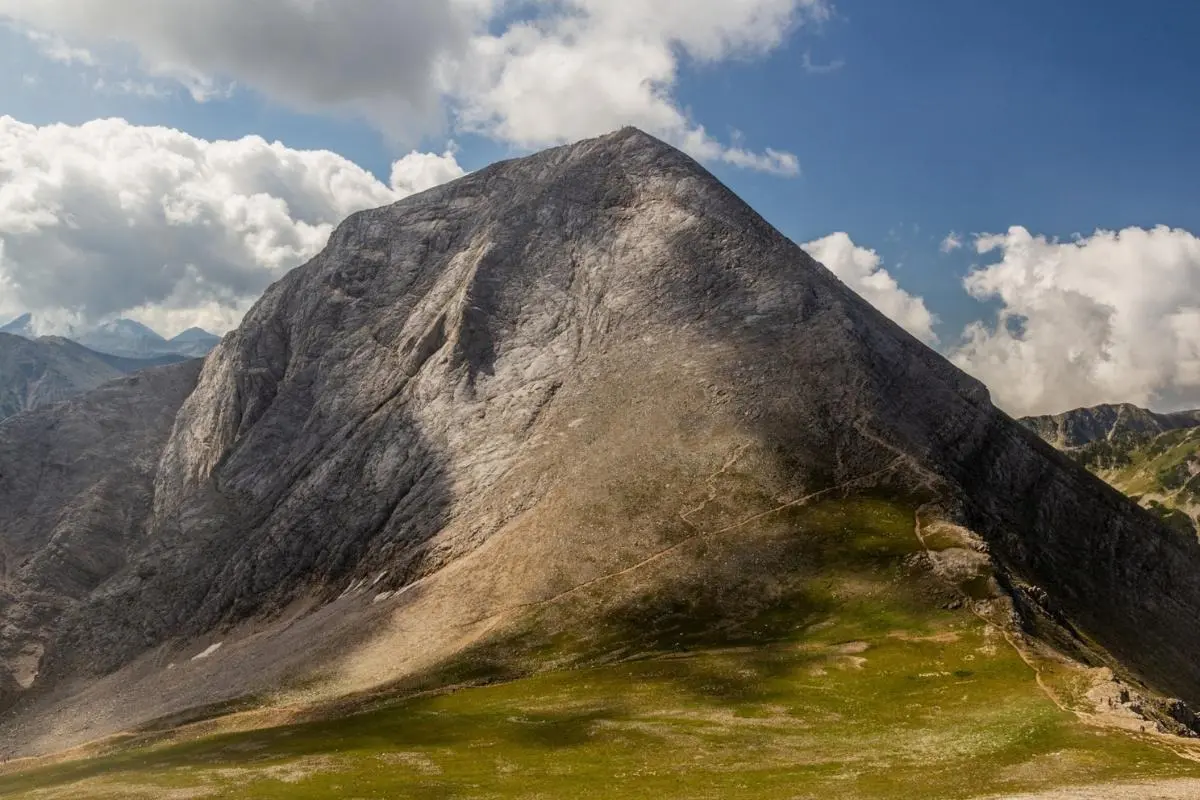
Vihren Peak towers above the Pirin range, rewarding hikers with raw limestone ridgelines, high alpine bowls, and views that stretch to Rila on clear days. Stack a summit push with a gondola-assisted approach from Bansko, a night in a mountain hut, and a recovery day of cultural food in town. Practical routing and weather checks make the difference between a scramble and a spectacular summit day.
Explore experiences ↓Your guide to places, experiences, and adventures.
THE GOOD STUFF STARTS HERE
Bansko, Bulgaria
Listed starting prices may vary by option, travel date and group size. Confirm the final total and availability on Viator. Sponsored links: we may earn a commission from qualifying bookings.
STORIES WORTH GOING FOR
GET TO KNOW THE PLACE
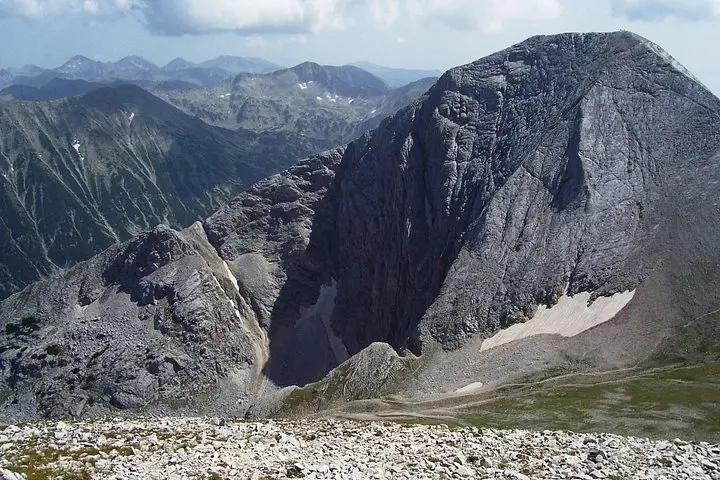
Stepping onto the trail toward Vihren, the Pirin takes on a deliberate, granite-and-limestone hush. Scree slopes nudge you into rhythm; ridgelines hold steady like old hands. This is a summit for people who want compact, high-alpine terrain in a short day—or a hut-supported overnight for a gentler ascent.
The Pirin Mountains are a study in geological contrasts: sharp limestone ridges sit beside ancient metamorphic cores, creating dramatic cols and natural amphitheaters. Vihren itself is the range’s highest climbable peak, and the route alternates between well-worn singletrack, steep stone steps, and exposed slabs where careful footwork pays off. Historically the area has been a crossroads of Balkan cultures; Bansko grew as a mountain town of craftsmen and shepherds, and that practical mountain culture still shows up in local huts and cuisine. When planning your day, factor in the rapid afternoon storms common to high summer and the lingering snowpack that can persist in shaded bowls well into June.
Access is straightforward from Bansko: a short drive or shuttle to trailheads, or a quick lift on the gondola to shorten the approach and conserve energy for the steep final sections. Huts on the standard route offer basic shelter and a chance to split the ascent over two days, which is useful if you want clear-weather summit photography at dawn. Prioritize route-finding for the ridge sections—switchbacks give way to open traverses where cairns and painted markers are your companions. If you're packing a single-day plan, start before sunrise to avoid crowds and afternoon wind; if you're hut-based, book in advance during the summer months and expect rustic amenities.
Beyond the summit push there’s a layered itinerary to build: glacier-carved cirques for photographers, shoulder-season wildflower meadows, and lower-elevation singletrack for mountain biking. Winter brings a different character—deep cold, avalanche-aware touring, and a quieter Bansko—so adjust gear and expectations accordingly. The Pirin is generous but direct; it rewards practical planning and an eye for weather. Respect local trail etiquette, follow hut rules, and carry an offline map or GPS track—cell service can be patchy once you leave the valley.
PLAN YOUR VISIT
June, July, August, September
Late spring and summer offer the most stable hiking weather with warm valley temperatures and colder conditions above 2,000 meters; afternoons can bring localized storms. Winters are cold with significant snowpack suited to experienced ski tourers.
July and August are busiest; book huts, gondola tickets, and accommodations in Bansko ahead of time and start summit days early to avoid crowds and afternoon winds.
Shoulder seasons (June, September) provide fewer crowds, clearer light for photography, and lower prices; note that snow patches and muddy approaches can affect lower trails, so choose routes accordingly.
PACK WITH PURPOSE
FIND YOUR PACE
High-alpine objectives requiring route-finding, experience on exposed rock, and winter skills when snow is present.
Short, lower-elevation outings suitable for hikers new to mountain terrain and looking for scenic day walks near Bansko.
Longer uphill days with steeper terrain and some exposed sections for hikers comfortable with elevation and uneven footing.
BEFORE YOU GO
Experienced, well-equipped hikers can summit self-guided; many travelers opt for a local guide if they want route-finding help, historical context, or to combine the climb with hut logistics.
A direct, early-start day from a trailhead can be a long day; many hikers split the route with a hut stay or use the Bansko gondola to shorten approach time—plan for variable durations based on fitness and stops.
Standard routes are non-technical but include exposed slabs, steep scree, and sections requiring sure footing; traction and poles help in early season or wet conditions.
Bansko is accessible by road from Sofia and other regional centers; travelers commonly fly into Sofia and take a transfer or bus to Bansko—arrange transfers ahead of time, especially during peak season.
Hut availability varies by season and operator; many are staffed in summer and may be limited in shoulder seasons, so verify opening dates and reserve if possible.
Have a weather-aware plan, know descent routes, carry extra layers and shelter, and be prepared to turn back; local guides and hut wardens can advise on conditions.