
VAYCAI · ATTRACTION GUIDE
Robben Island Visitor Guide
Robben Island is a compact, transported landscape — a short ferry ride from Cape Town that stacks powerful historical tours with shoreline birdwatching and sweeping sea views. Most visitors combine the island's guided prison tour with a full Cape Peninsula day: coastal drives, lighthouse lookouts, and a climb or cable-car ride on Table Mountain to frame the visit.
Explore experiences ↓Your guide to places, experiences, and adventures.
THE GOOD STUFF STARTS HERE
Experiences around Robben Island

Cape Town, South Africa
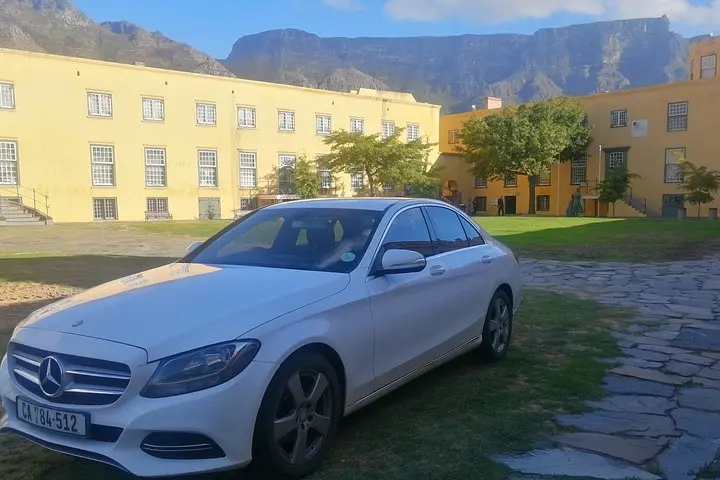
Cable Car to Table Mountain: Half-Day Bo-Kaap & Summit Experience
from $87.58USD
Cape Town, South Africa
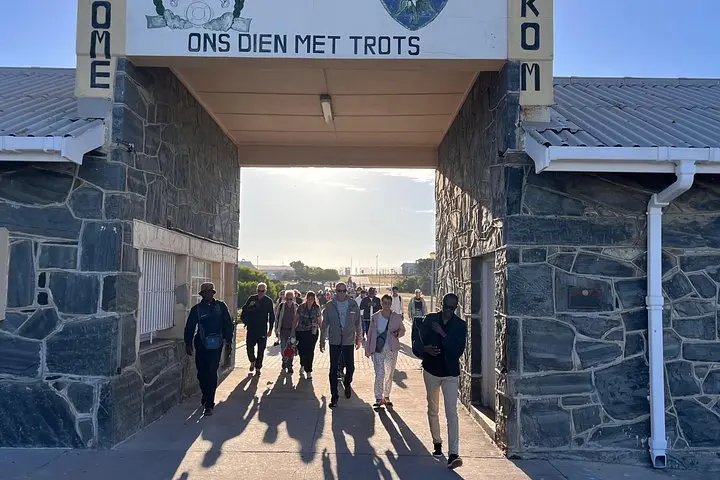
Robben Island History Tour from Cape Town: Ferry, Prison & Mandela’s Cell
from $111.92USD

Cape Town, South Africa
Half-Day Table Mountain Cable Car Tour — Cape Town Summit Views & Easy Summit Walks
from $150.00USD

Cape Town, South Africa
Cape Town Highlights and Hidden Gems — Private Local Walking Tour
from $36.92USD
Cape Town, South Africa
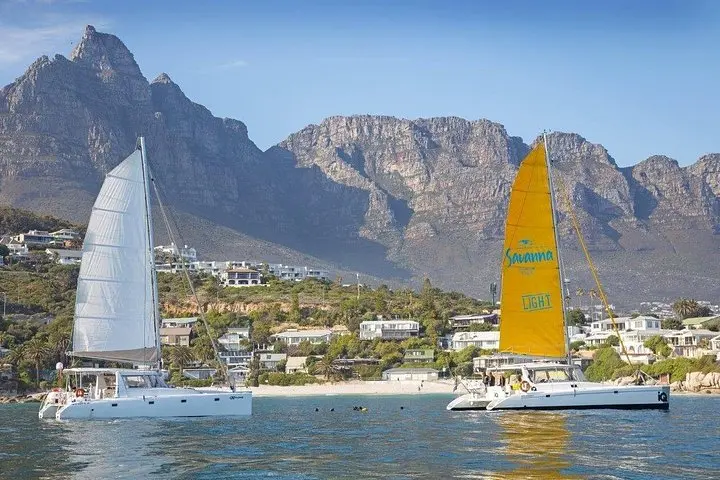
Cape Town Catamaran Cruise: V&A Waterfront to Robben Island & Table Mountain Views
from $25.97USD


Cape Town, South Africa
Robben Island Half-Day Tour: Ferry to Mandela's Prison from Cape Town
from $100.09USD

Cape Town, South Africa
Long March to Freedom Walking Tour — Cape Town History & Castle of Good Hope
from $62.50USD

Cape Town, South Africa
Robben Island and Table Mountain: Full-Day Cape Town History and Summit Experience
from $175.16USD

Cape Town, South Africa
Full-Day Table Mountain Cableway and Robben Island History Tour
from $218.95USD

Cape Town, South Africa
Half-Day Table Mountain and Bo-Kaap Tour with Cableway Ticket — Cape Town
from $92.75USD

Cape Town, South Africa
Iconic Cape Town: Private Historical City and Scenic Passes Tour
from $121.99USD


Cape Town, South Africa
5-Day Cape Town to Addo: Robben Island, Garden Route & Big Five Safari
from $7,500.00USD

Cape Town, South Africa
Cape Town Cruise Transfers — Private Airport & Harbor Transfers to V&A Waterfront
from $75.07USD

Cape Town, South Africa
Cape Town Historical Running Tour: V&A Waterfront, Bo-Kaap and Mouille Point
from $41.71USD

Cape Town, South Africa
Tandem Paragliding Over Cape Town: Signal Hill Flights with Table Mountain Views
from $129.85USD
Cape Town, South Africa
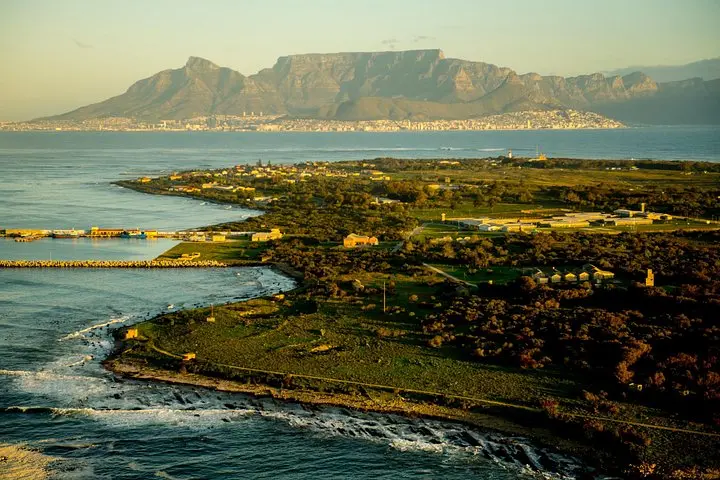
Robben Island Scenic Helicopter Flight — 20-Minute Aerial Tour from Cape Town
from $250.42USD

Cape Town, South Africa
Robben Island Full Tour — Prison Visit, Former-Inmate Guides & Cape Town Ferry
from $87.00USD

Cape Town, South Africa
Cape Town Private Airport & Hotel Transfers — Door-to-Door Comfort from CTIA
from $31.28USD

Cape Town, South Africa
Cape Town Township and Robben Island Day Tour: District Six, Langa & Island Prison
from $206.44USD

Cape Town, South Africa
Robben Island & Two Oceans Aquarium Guided Tour – Cape Town Ferry, History & Wildlife
from $132.00USD
Listed starting prices may vary by option, travel date and group size. Confirm the final total and availability on Viator. Sponsored links: we may earn a commission from qualifying bookings.
STORIES WORTH GOING FOR
Stories from Cape Town
GET TO KNOW THE PLACE
Why Visit Robben Island
The island is quiet until the ferry whistles and a procession of visitors steps onto wind-bleached paths. Stone walls and low buildings sit exposed to the sea; gulls wheel and the water pushes the island’s edges into constant motion. That stark openness gives the history a concrete gravity: the landscape itself keeps the story of incarceration and resilience visible.
Robben Island reads like a geological and human palimpsest. It began as a maritime waypoint and a place to exile dissenters long before it became the site of the high-profile political prison of the 20th century. Granite outcrops and low grasses hold the wind; the island’s geology is straightforward and functional, its highest points offering unfiltered views back to Cape Town and out over Table Bay. Those views help explain why the location was chosen for isolation, and they give visitors the spatial context to imagine the routines of the people who lived here. A guided tour threads those perspectives together — prison cells, quarry sites, chapel and community ruins — so you come away understanding not just the facts but the lived scale of confinement and everyday life.
Practicalities matter here. Access is only by scheduled ferry, and tours are regulated to protect the site and support local guides who carry the oral history. The crossing can be breezy; the water nudges the ferry and you’ll want a wind layer. Visits typically fit into a half-day window but are easiest to pair with other Cape Peninsula experiences: a morning on Robben Island then an afternoon at the Cape Point reserve, or the reverse if you prefer an early drive around the peninsula before the ferry departs. Photography is excellent but respectful framing is important — some spaces are solemn and guides set boundaries for where visitors may walk and photograph.
The cultural thread is strong: former political prisoners and their descendants maintain ties to the site, and interpretive storytelling on the island keeps public memory active. Listen to the guides and prioritize the official walk; it’s more than a tour, it’s an explanation that ties landscape, policy and community together. Time your visit for calmer seas and clearer light if possible, bring layers for wind and sun, and plan transport back into the city. With a bit of logistical planning, Robben Island is an efficiently arranged visit that balances historical immersion with the raw, exposed pleasure of Cape Town’s coastal terrain.
Get to know the place
Attractions worth a closer look.
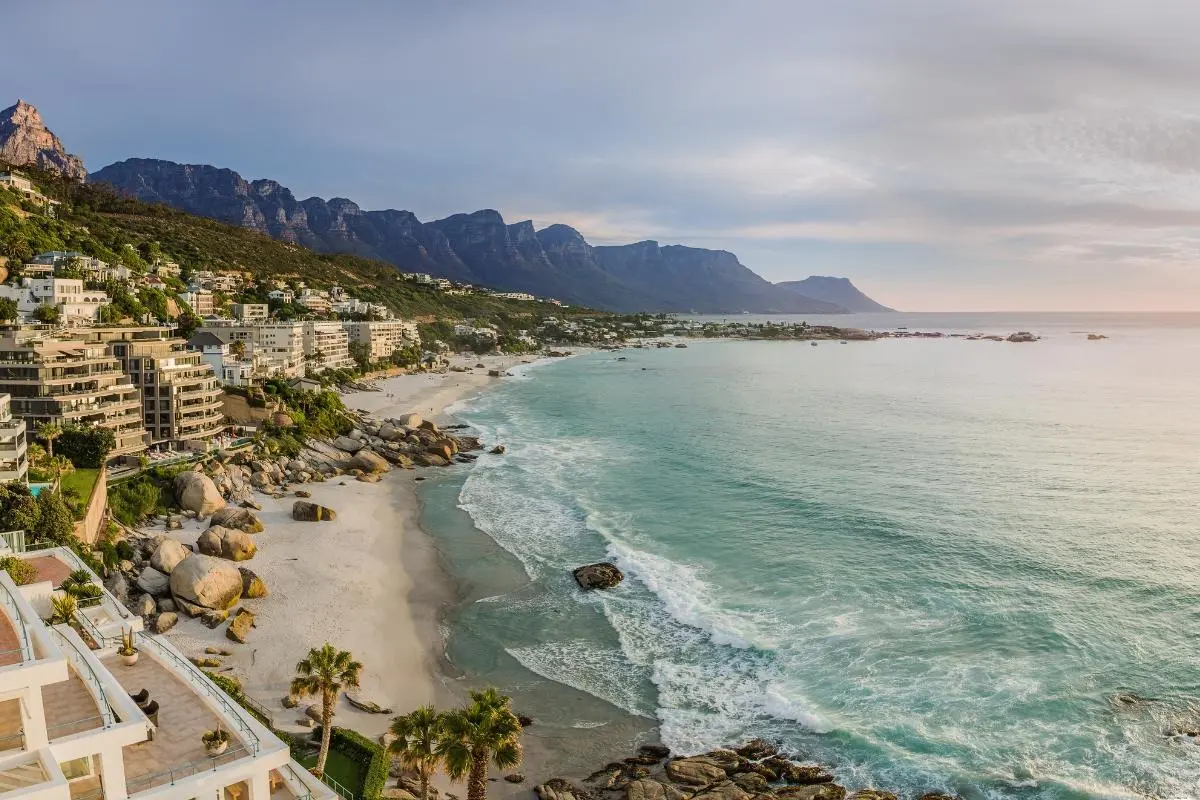
ATTRACTION
Camps Bay
Explore this place ↗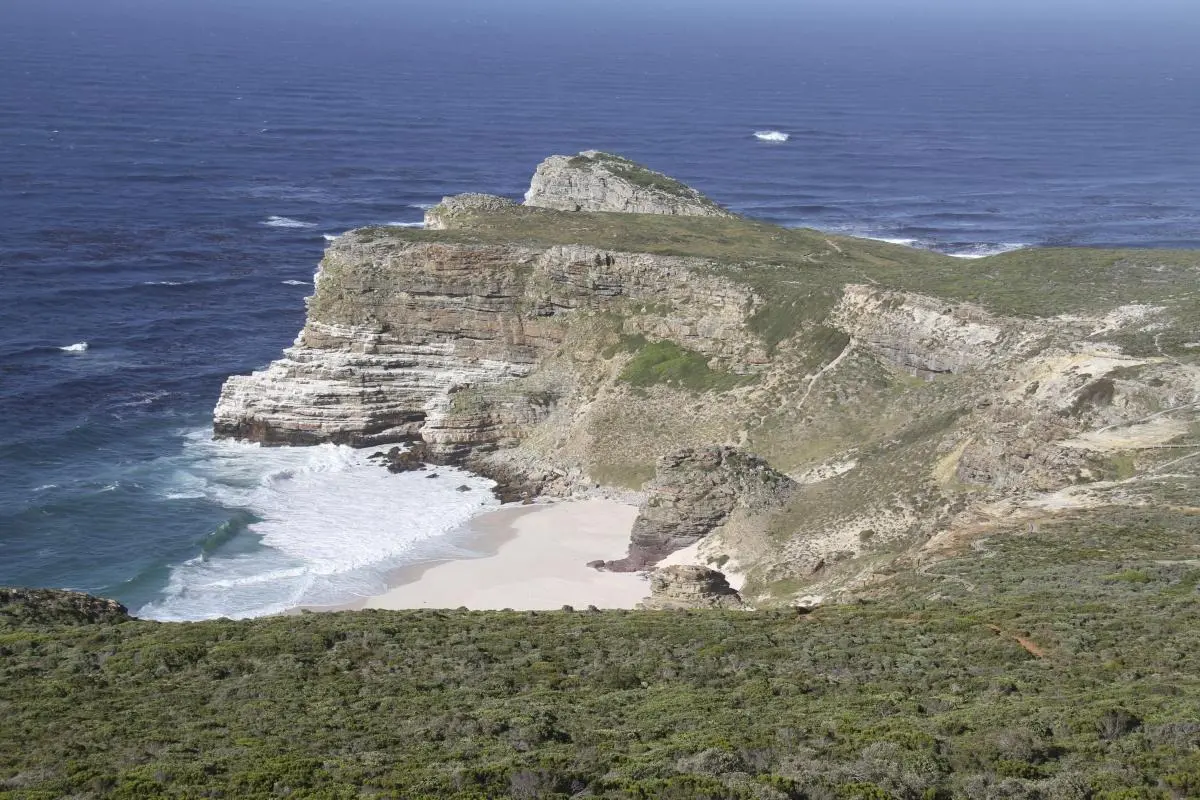
ATTRACTION
Cape Point
Explore this place ↗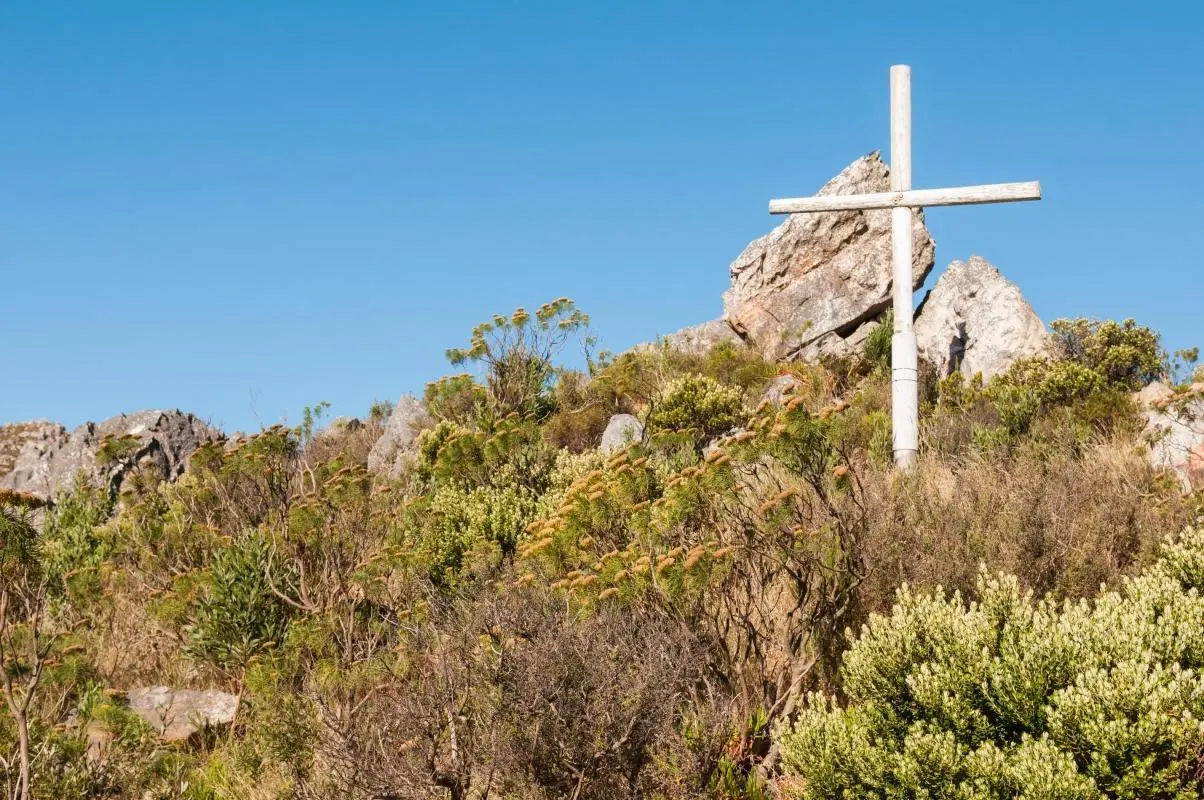
ATTRACTION
Sir Lowry's Pass
Explore this place ↗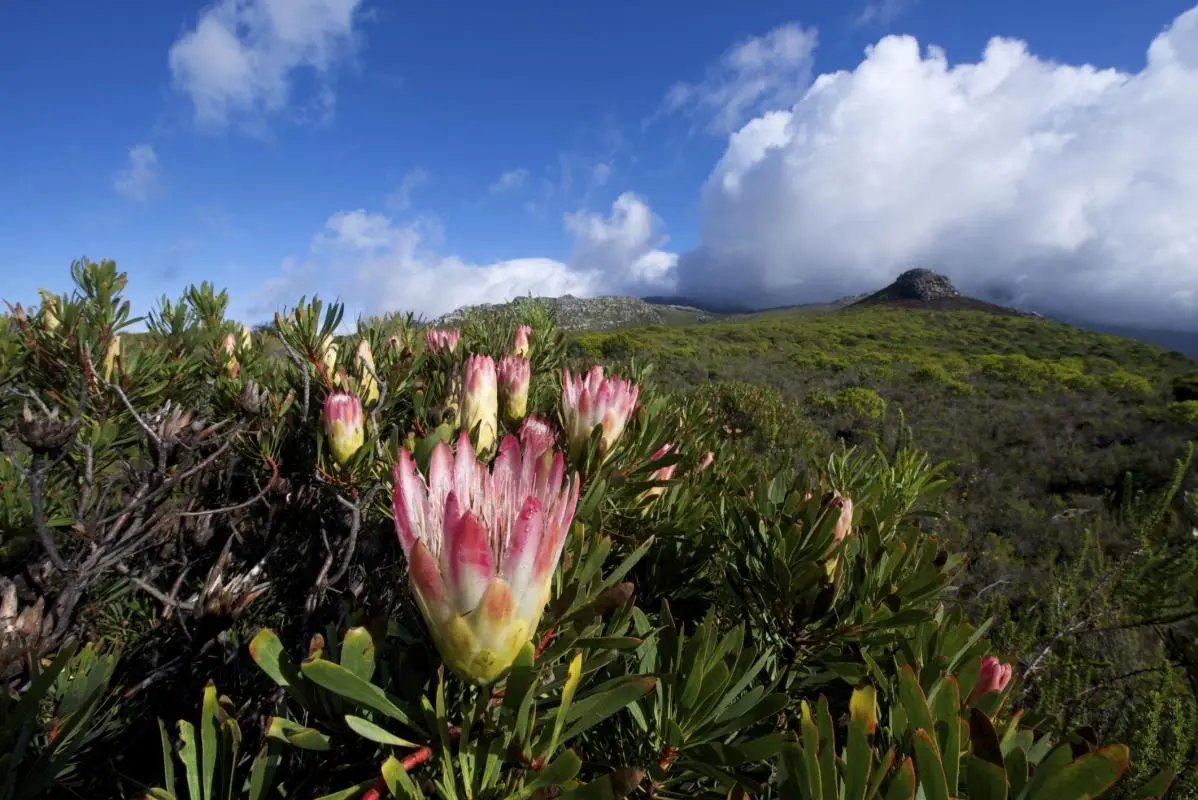
ATTRACTION
Silvermine Nature Reserve
Explore this place ↗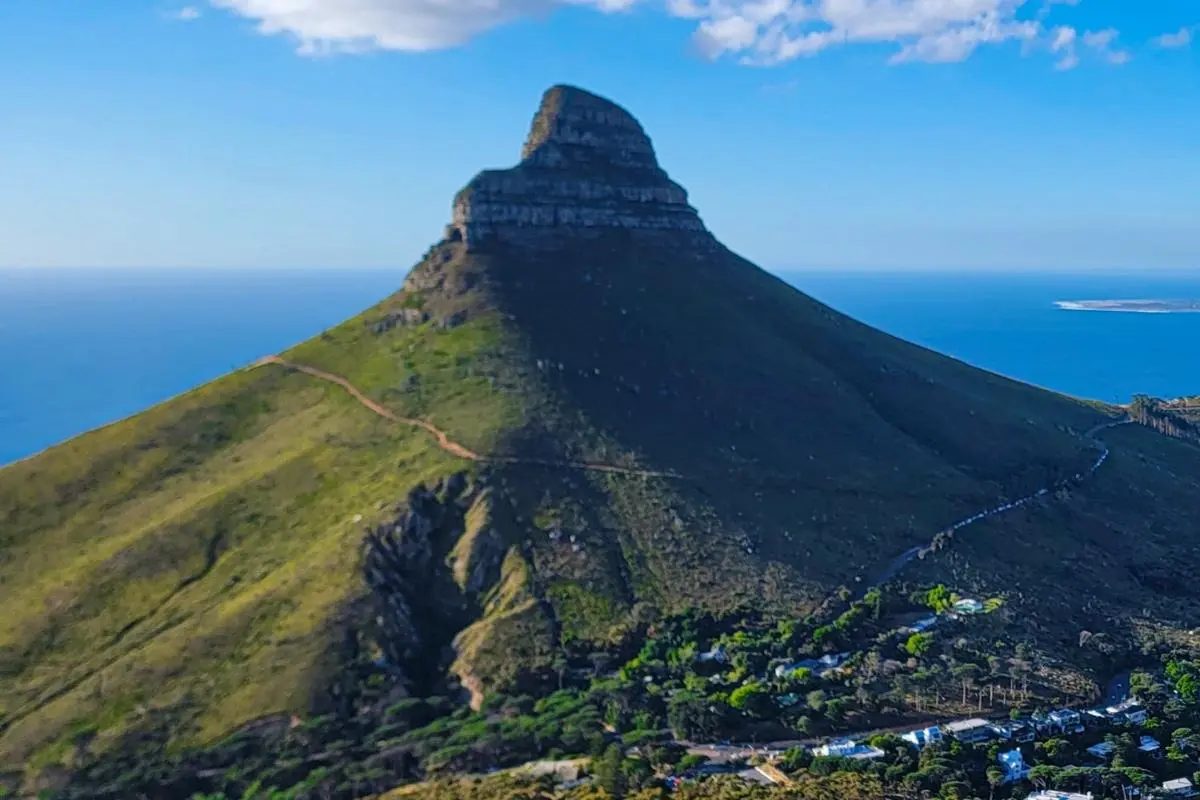
ATTRACTION
Lion's Head
Explore this place ↗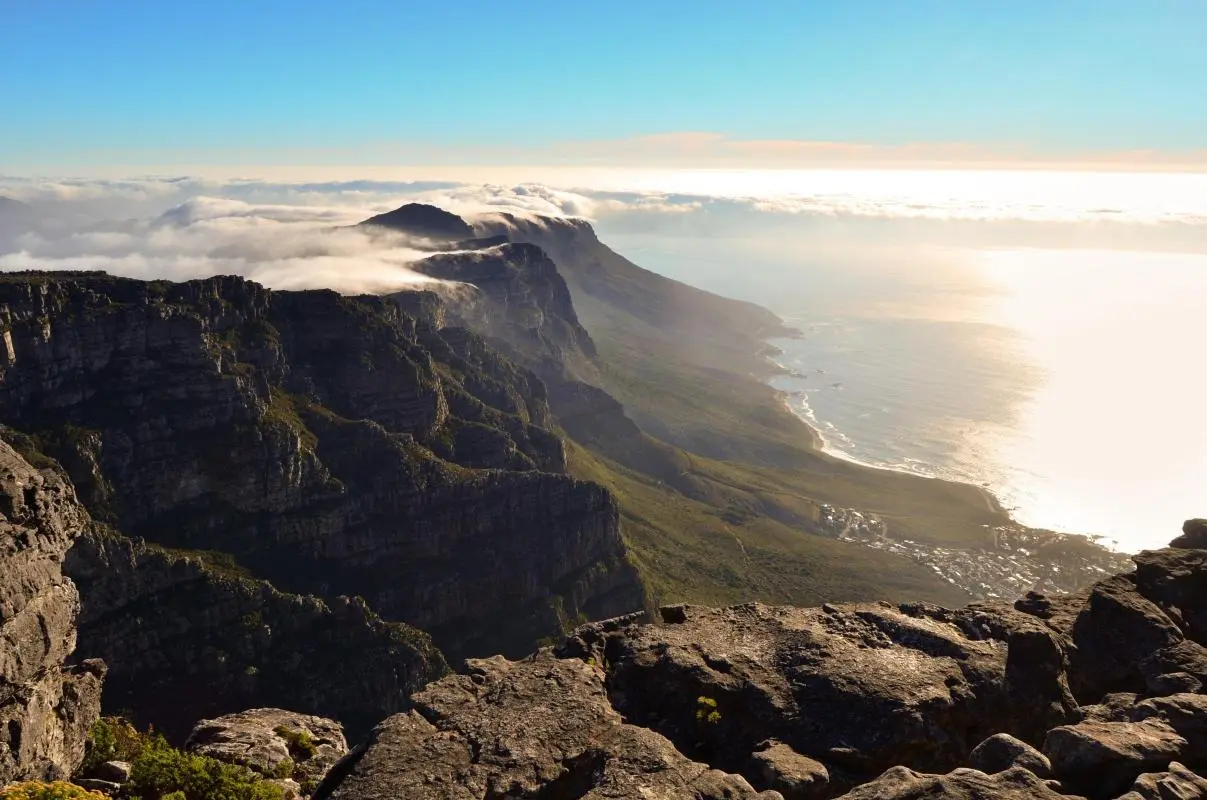
ATTRACTION
Table Mountain National Park
Explore this place ↗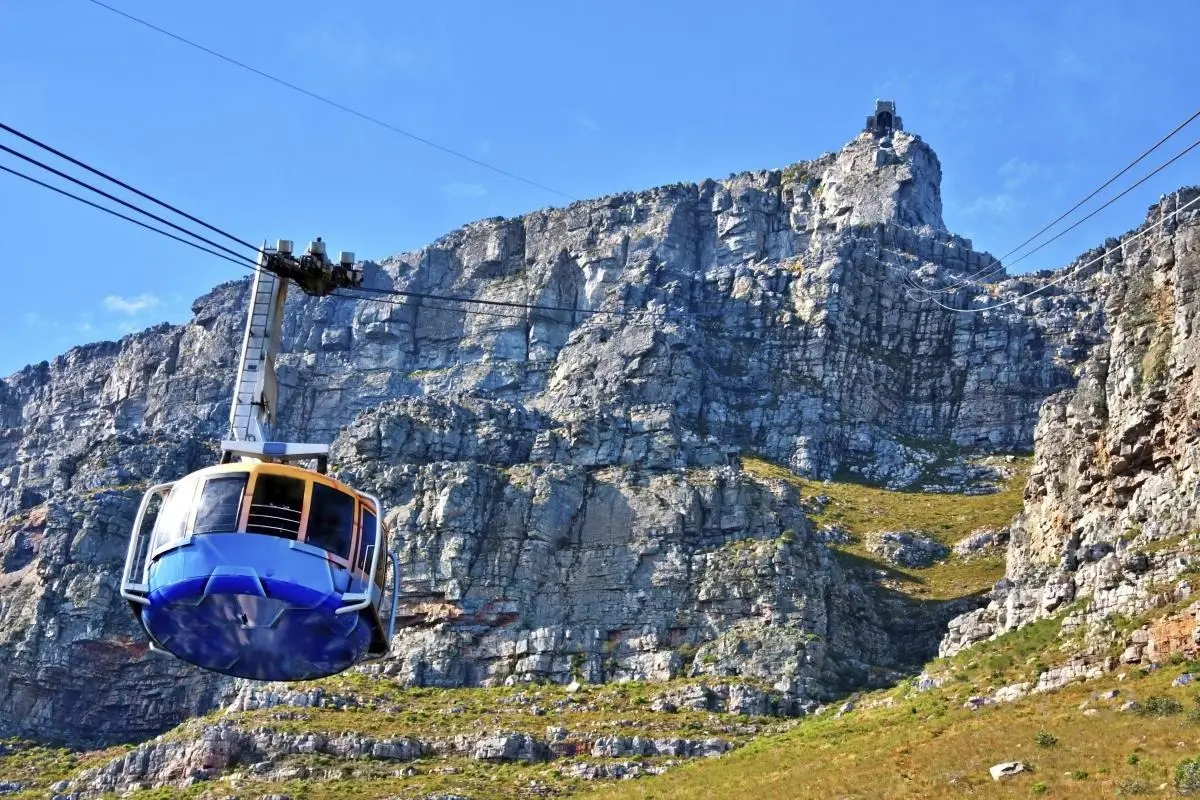
ATTRACTION
Table Mountain and Cableway
Explore this place ↗
ATTRACTION
Cape of Good Hope
Explore this place ↗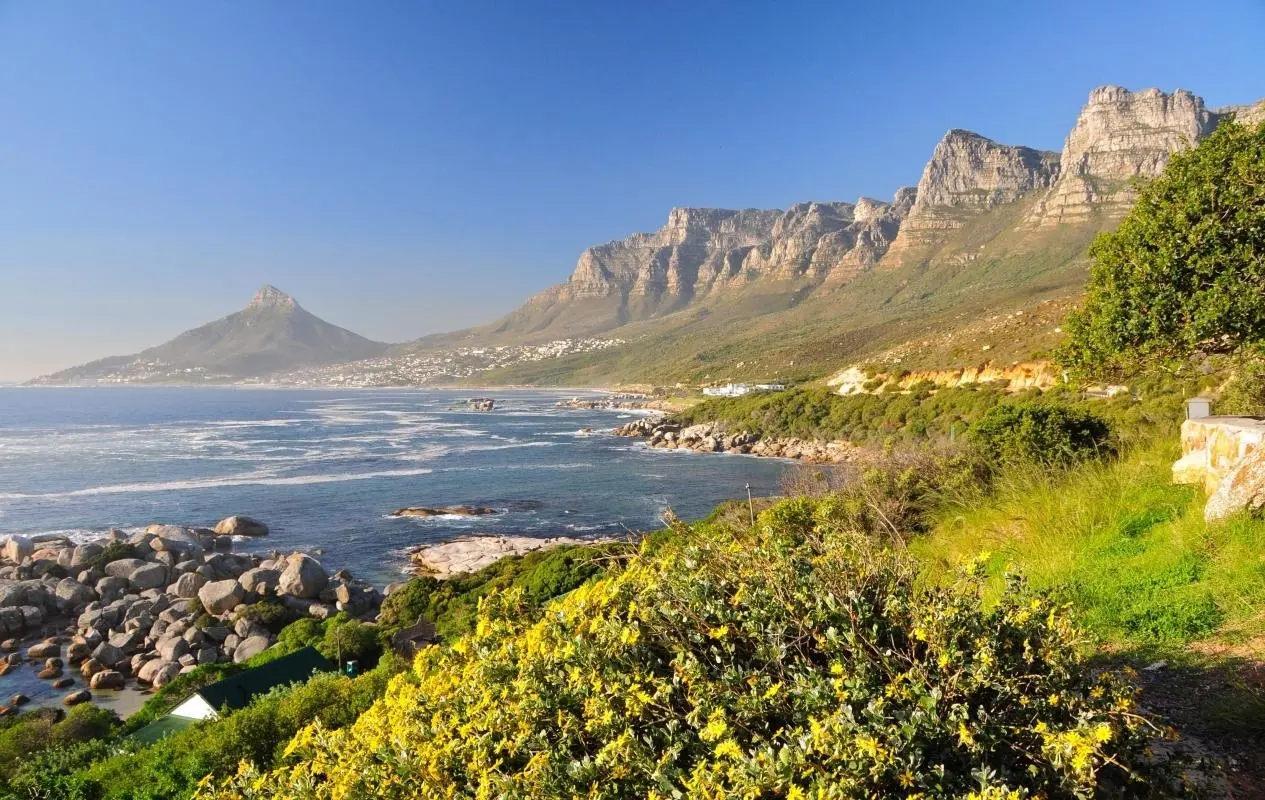
ATTRACTION
Twelve Apostles
Explore this place ↗PLAN YOUR VISIT
When to go.
Best months
October, November, December, January, February, March
Weather
Cape Town has a Mediterranean climate: warm, dry summers with strong southeasterly winds; cooler, wetter winters with choppier seas. Summer offers clearer skies for views; winter requires more weather flexibility.
Peak season
The busiest period is the Southern Hemisphere summer, especially December–January; book ferries and complementary activities well in advance and plan to travel early in the day to avoid crowds.
Beyond the peak
Visiting in shoulder months or winter can mean fewer people and lower land-side crowds, but oceangoing services may be disrupted by wind or swell—be ready to pivot and check crossing conditions.
PACK WITH PURPOSE
What to bring.
optional
- Binoculars for seabird watching
- Action camera or compact camera
- Compact picnic kit for post-tour refreshments
essential
- Windproof mid layer and sun layer (hat, sunglasses)
- Reusable water bottle
- Traction footwear or sturdy walking shoes
- High-SPF sunscreen
- Offline map or notes for logistics and return transit
recommended
- Light rain shell (seas can be damp and gusty)
- Small daypack with dry bag for electronics
- Portable power bank
- Travel umbrella or compact shelter
FIND YOUR PACE
Choose your kind of adventure.
advanced
Combine Robben Island’s history with physically demanding coastal and ocean activities across greater Cape Town.
- Sea kayaking or guided paddling excursions along the peninsula
- Technical hikes on Table Mountain or nearby ridge routes
- Scuba diving in kelp forest or wreck sites off the peninsula
beginner
A straightforward cultural and coastal experience with minimal exertion; ideal for casual travelers and history seekers.
- Ferry crossing and guided island tour
- Seabird watching from shore points
- Short walks around the island precinct
intermediate
Pair the island visit with moderate outdoor activities on the Cape Peninsula for a fuller adventure day.
- Cape Peninsula scenic drive with cliffside viewpoints
- Hike or cable-car ride on Table Mountain for panoramic framing
- Explore coastal walking trails near Cape Point
BEFORE YOU GO
Your questions, answered.
Do I need a guided tour to visit Robben Island?
Yes; visits are typically organized as guided tours that include the ferry crossing and interpretive walking of the historical sites.
How long should I set aside for a visit?
Plan for a half-day minimum to account for the ferry transfer, the guided tour, and time to move between the waterfront and other Cape Town activities.
How do I get to the ferry departure point?
Most ferries depart near the V&A Waterfront in Cape Town; the area is accessible by taxi, rideshare, or public transport from central neighborhoods.
Is the visit suitable for people with limited mobility?
Some parts of the island are accessible, but surfaces can be uneven and wind-exposed; contact operators in advance to confirm accessible options and assistance.
What happens if the sea is rough or the ferry is canceled?
Crossings can be delayed or canceled for safety; operators will usually offer rebooking or refunds—build flexibility into your schedule and check conditions the day before travel.
Can I take photographs of the prison areas?
Photography is generally allowed in public areas, but interpretive and memorial spaces may have restrictions—follow guide instructions and be respectful in solemn zones.