
VAYCAI · ATTRACTION GUIDE
Khasab Fort Visitor Guide
Khasab is a compact base for stacking sea-based and mountain experiences: short hikes along craggy ridgelines, dhow cruises through narrow fjords, and salt-scented paddling between towering cliffs. Most visitors combine a morning at the fort and town market with an afternoon on the water to maximize light and avoid midday heat.
Explore experiences ↓Your guide to places, experiences, and adventures.
THE GOOD STUFF STARTS HERE
Experiences around Khasab Fort


Khasab, Oman
Half-Day Private Tour of Khasab City: Khasab Fort, Wadi Qadah & Tawi Village
from $212.96USD
Listed starting prices may vary by option, travel date and group size. Confirm the final total and availability on Viator. Sponsored links: we may earn a commission from qualifying bookings.
STORIES WORTH GOING FOR
Stories from Khasab
GET TO KNOW THE PLACE
Why Khasab Fort and the Musandam Fjords
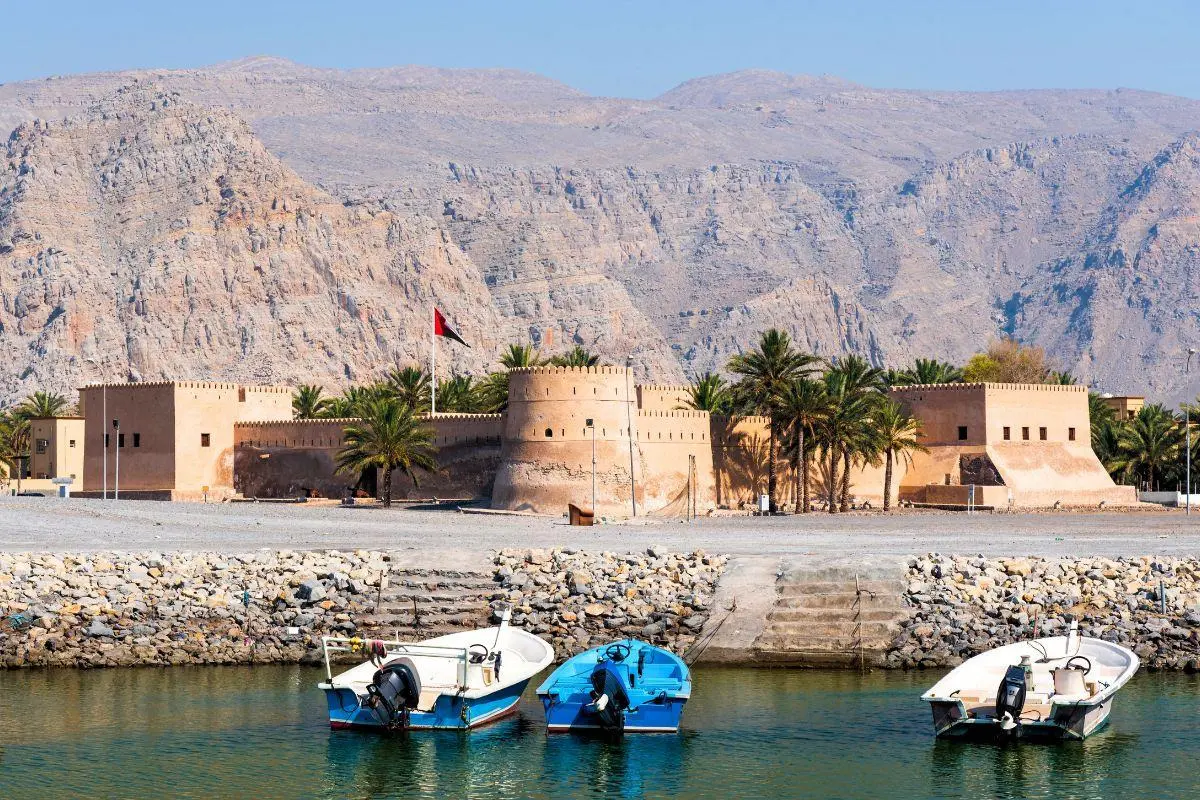
The stone silhouette of Khasab Fort watches over a small port where dhows unload fish and tourists gather for fjord trips. From the fort you can read the human story carved into the coastline and then literally step from history into the water: boats, kayaks, and cliffs are all within reach for a single day of stacked experiences.
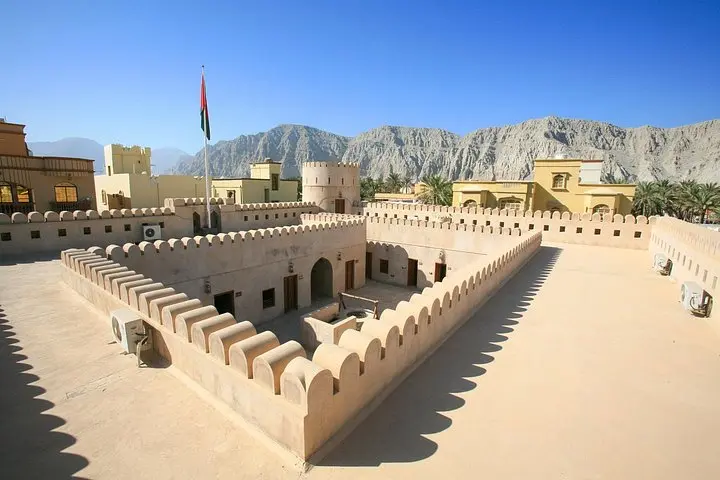
The fort itself is a tidy, walkable introduction: thick walls, watchtowers, and narrow staircases that tell of maritime trade and local defense. Musandam is geologically distinct from the rest of Oman; its rugged limestone and volcanic intrusions have been carved by the sea into steep-walled inlets that look and behave like fjords. Standing on the fort parapet, the ridgelines hold the light and the harbor seems to pull you toward the narrow khors where the water suddenly deepens and the cliffs tighten. Local history threads through: fishermen, pearling stories, and a watchful culture shaped by both sea and mountain.
Practical planning here is straightforward. Khasab is compact—arrive early to walk the fort before the heat builds, then board a dhow or a rigid-hulled boat for fjord cruising. Weather and sea conditions change: mornings are usually calm and ideal for snorkeling or kayaking; afternoons can bring wind that nudges small craft. If you want to hike, choose shorter ridgeline walks or guided routes that start from accessible roads; the terrain is rocky, exposure is common, and shade is rare. Food and services in Khasab are adequate for day trips and short stays, but specialized gear or technical guides are best arranged in advance through local operators.
Stacking experiences is the smart traveler’s move: cultural time at the fort and town market, a midday boat that includes swimming and snorkeling stops, and a late-afternoon shoreline hike or viewpoint session for sunset. For multiday trips, consider an overnight dhow to stretch the fjords into a slow-travel rhythm and to reach quieter anchorages. Respect local customs—modest dress in town and discretion at swimming spots—and plan logistics around tides and boat schedules. Check sea conditions before committing to paddling or snorkeling, and opt for a guide if you want deeper local knowledge on geology, wildlife, and safe coastal access.
PLAN YOUR VISIT
When to go.
Best months
October, November, December, January, February, March
Weather
Fall through early spring brings cooler days and calm seas ideal for snorkeling, kayaking, and hiking; summers are hot and can have stronger afternoon winds. Rain is rare but local storms can affect sea conditions.
Peak season
Peak visitation generally occurs in the cooler months (October through March), with day-trippers from nearby UAE increasing midwinter; book boat trips and accommodations in advance and plan morning starts to avoid crowds.
Beyond the peak
Low season offers quieter fjord anchorages and lower rates, but be mindful of higher temperatures and potential wind; avoid exposed paddling routes during strong summer breezes and select shaded or early-morning hikes.
PACK WITH PURPOSE
What to bring.
optional
- Binoculars for wildlife and coastline viewing
- Action camera or snorkel set for underwater stops
essential
- Layered clothing (light sun layers plus a warm top for mornings/evenings)
- Two liters of water per person and electrolyte snacks
- Sun protection: hat, sunglasses, high-SPF sunscreen
- Traction footwear for rocky trails and rubber-soled shoes for boats
- Offline map or GPS and a charged phone with power bank
- Small first-aid kit and any personal medications
recommended
- Light rain shell or windbreaker for choppy afternoons
- Dry bag for electronics on boats and paddles
- Headlamp for early starts or evening walks
- Trekking poles for uneven ridge walking
FIND YOUR PACE
Choose your kind of adventure.
advanced
Advanced travelers can tackle multi-day dhow voyages, technical coastal navigation, and challenging mountain scrambles with significant exposure.
- Overnight dhow expedition to remote fjord anchorages
- Technical scrambling or off-trail route-finding on Jebel Harim ridgelines
- Self-guided sea-kayak crossing with advanced navigation and tidal planning
beginner
Beginner travelers can enjoy gentle cultural walks, short boat cruises, and sheltered snorkeling stops with minimal technical skill required.
- Visit and walk around Khasab Fort and local market
- Half-day dhow cruise through the Musandam fjords with snorkel stops
- Short, guided coastal viewpoint walk near town
intermediate
Intermediate adventurers will add sea kayaking, longer hikes along exposed ridgelines, and multi-stop snorkeling itineraries.
- Guided day sea-kayak trip into quieter khors
- Longer ridge walk with rocky, exposed sections
- Full-day boat trip combining snorkeling, swimming, and cliff viewing
BEFORE YOU GO
Your questions, answered.
Do I need a guide to visit Khasab Fort and the fjords?
You can visit the fort and walk local streets independently, but hire a vetted boat operator or guide for fjord trips, snorkeling, and paddling for safety and local insight.
How much time should I allocate for a typical visit?
A solid day allows a morning at the fort and town, a half-day dhow or kayak trip, and a short hike or viewpoint session; plan two to three days to explore deeper or include an overnight dhow.
Is snorkeling good in Musandam?
Yes—clear coves and sheltered khors offer good snorkeling; conditions vary by season and tide, so check with operators and avoid rough seas.
Can I kayak the fjords on my own?
Experienced sea kayakers can paddle select routes, but currents and wind can change quickly—book a guided sea-kayak trip if you lack local experience.
What should I know about local customs?
Dress modestly in town and be discreet at public swimming spots; ask before photographing people and respect prayer times and local etiquette.
Are there bike or off-road options in Musandam?
There are scenic coastal and mountain tracks suitable for mountain biking and 4x4 exploration; arrange bike rentals and route briefings through local operators for safety.