Phuket, Thailand
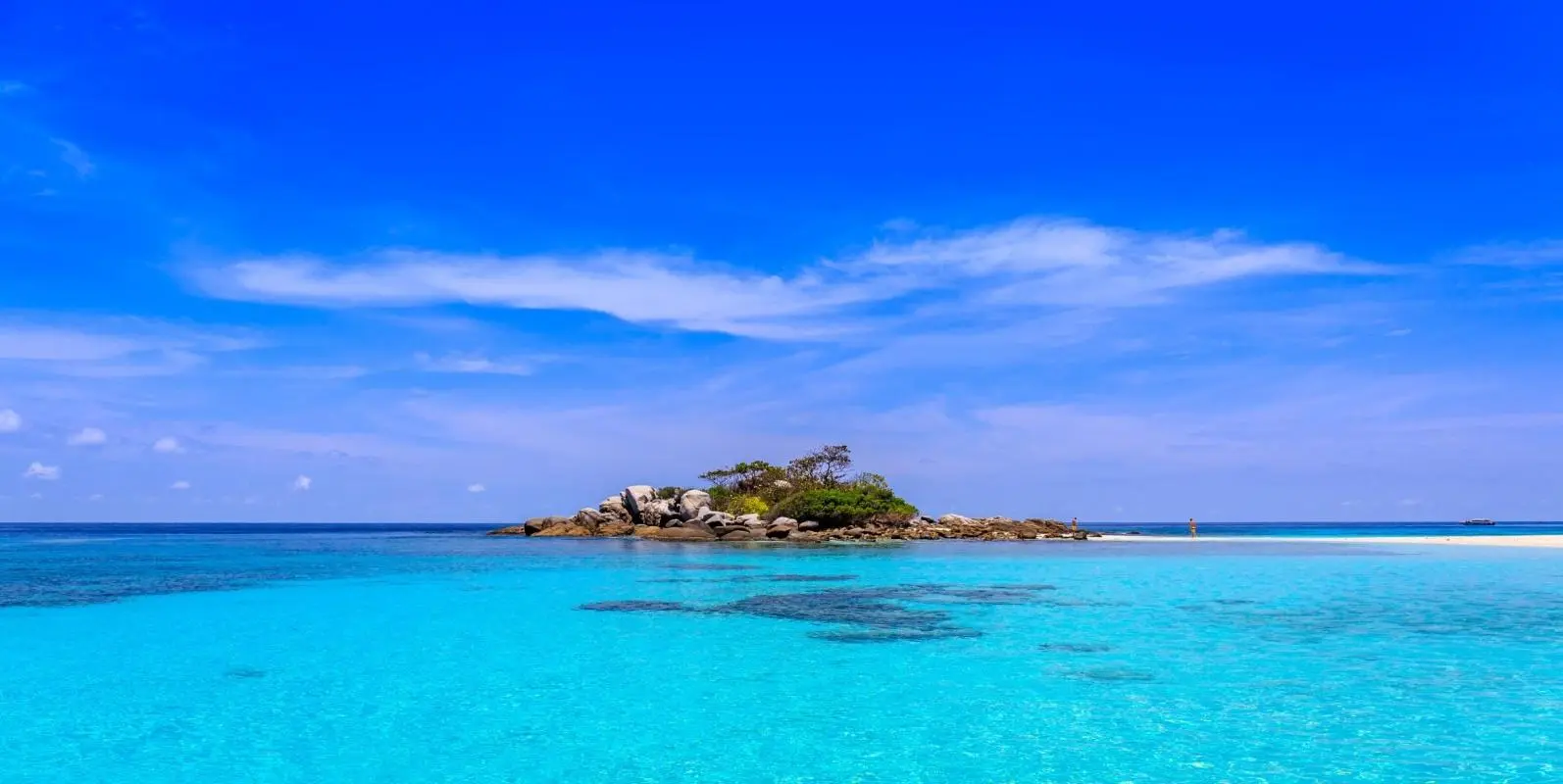
Surin Islands Snorkeling Day Trip from Phuket: Speedboat, Moken Village & Coral Reefs
from $120.90USD
VAYCAI · ATTRACTION GUIDE
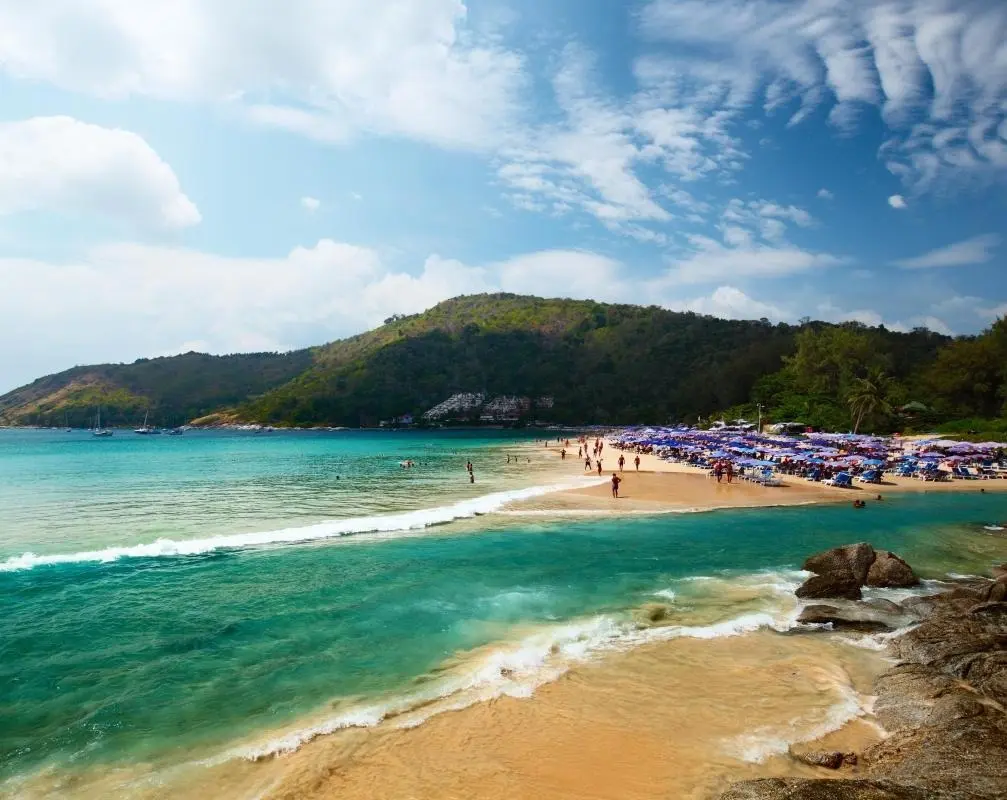
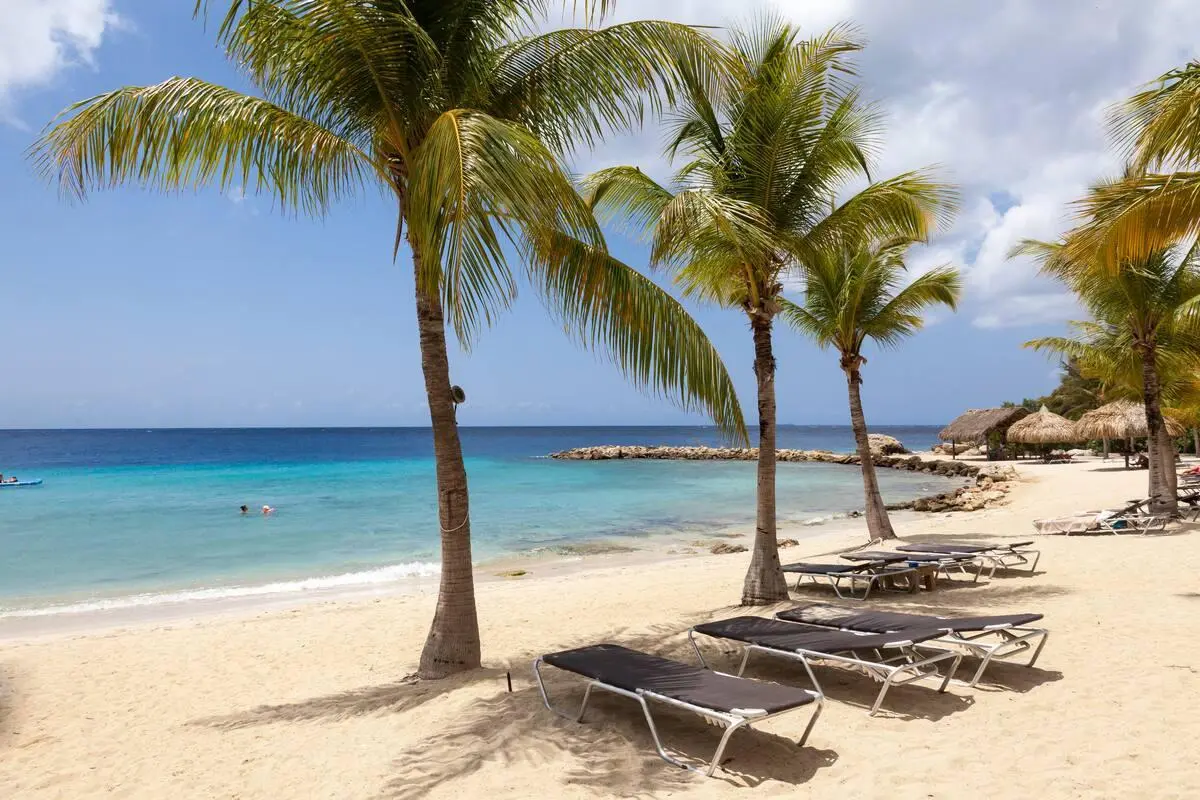
Surin Beach is a compact stretch of powder sand on Phuket’s west coast where surfing, snorkeling, and coastal walking stack into a single day. Morning surf or a paddleboard session can be followed by reef snorkeling and a late-afternoon headland walk to watch the light shift over Andaman Sea. It’s an easy base for island day trips and for sampling Phuket’s coastal seafood scene.
Explore experiences ↓Your guide to places, experiences, and adventures.
THE GOOD STUFF STARTS HERE
Phuket, Thailand



Phuket, Thailand


Phuket, Thailand
Listed starting prices may vary by option, travel date and group size. Confirm the final total and availability on Viator. Sponsored links: we may earn a commission from qualifying bookings.
STORIES WORTH GOING FOR
GET TO KNOW THE PLACE
A small strip of sand with a big personality, Surin Beach mixes active water play and relaxed coastal culture. Mornings often belong to surfers and paddlers, the sea nudging you into motion; afternoons slow down with snorkeling and beach-side meals. It’s compact enough to explore on foot yet well-positioned for island day trips and coastal rides.
Arrive at first light and the sand still holds the night’s cool; the surf will show you where to start. Surin sits on Phuket’s western shore where nearshore reefs create pockets of calm water for snorkeling and breaks that shape consistent, manageable surf. The geology is straightforward: limestone outcrops and mangrove-lined headlands that hold the coastline together, while coral plates sit just off the shallows like submerged terraces. Those formations make for good snorkeling and natural windbreaks on ordinary days, but conditions change with the monsoon so watch for chop and reduced visibility in the wet season.
The human story here is coastal and culinary. Small communities and beachfront restaurants have long fed visitors and fishers; you’ll hear Thai and visitors’ languages blending at tables over grilled fish and spicy salads. Local outfitters run surf lessons, SUP rentals, and guided snorkel trips; many operators work from small shops set back from the sand, which keeps the beach itself relatively open. Practical planning matters: tide and swell will determine where you can safely snorkel and where surf schools run lessons. Renting gear is quick and ubiquitous, but if you prefer a guided reef trip ask about operator safety practices and boat capacity.
To stack a day: surf or paddle at dawn, dry off for a midday snorkel or short boat excursion, then take a late-afternoon walk to one of the rocky points for sunset. If you want to venture further, use Surin as a launch for half-day island trips or a longer coastal bike ride toward Bang Tao. Parking and access are straightforward, but weekends and holiday periods fill the sand. Timing, local weather checks, and simple kit choices—reef-safe sunscreen, reef shoes, and a light rain shell—keep a plan flexible and enjoyable.
PLAN YOUR VISIT
November, December, January, February, March, April
The dry season (roughly November–April) brings clearer seas, calmer swell, and more reliable snorkeling conditions; the monsoon (roughly May–October) brings heavier rain and rougher offshore seas that can cancel boat trips.
The busiest period is late December through January during holidays and high season; plan ahead, book accommodation and popular activities early, and start beach days at dawn to beat crowds.
Visiting in the shoulder or monsoon months delivers lower prices and fewer visitors, but expect rougher seas and occasional cancellations—choose sheltered activities, check operator schedules, and be flexible with plans.
PACK WITH PURPOSE
FIND YOUR PACE
Suited to experienced paddlers and surfers looking for open-water or more technical surf sessions.
Ideal for newcomers seeking low-stress water time and simple coastal walks.
For travelers who want longer water sessions and short-distance island or coastal exploration.
BEFORE YOU GO
You can snorkel from shore in sheltered spots, but guided trips are recommended for deeper reefs and to ensure safety and proper environmental practices.
Yes—local surf schools offer beginner lessons with foam boards and calm, protective breaks; mornings typically offer the gentlest conditions.
A 2–3 night stay lets you sample morning water activities, an island or snorkel trip, and relaxed beach time; extend if you want multi-day island exploration.
The beach is a drive from the airport; taxis and private transfers are common—book a return transfer if you prefer set times and fixed pricing.
Crowds peak around holidays and weekends; weekdays and early mornings are much quieter and better for photography and uninterrupted swimming.
Have a backup plan like a coastal hike, beach yoga, surf lesson, or visiting a nearby market; a travel agent can rebook or swap activities quickly.