
VAYCAI · ATTRACTION GUIDE
Arnhem Land Visitor Guide
Arnhem Land pairs coastal tides, sandstone escarpments and millennia-old rock art into an elemental adventure playground. Stack scenic flights and cultural tours with paddling, remote hiking and wildlife watching to build a multi-day trip out of Darwin without the crowds.
Explore experiences ↓Your guide to places, experiences, and adventures.
THE GOOD STUFF STARTS HERE
Experiences around Arnhem Land

Darwin, Australia
Private Kakadu Day Tour from Darwin: Yellow Water Cruise, Nourlangie & Ubirr in One Day
from $1,282.58USD

Darwin, Australia
5 Day 4WD Kakadu Koolpin Safari: Explore Remote Wilderness and Ancient Culture by 4WD
from $1,118.34USD
Darwin, Australia
2-Day Litchfield & Kakadu: Yellow Water Sunrise, Cultural Walks and Waterfalls
from $1,054.61USD

Darwin, Australia
Slow-Travel Kakadu, Katherine and Litchfield: 4-Day Top End Adventure
from $980.90USD

Darwin, Australia
3-Day Kakadu Cultural Rock Art Experience: Ubirr, Yellow Water & Arnhem Land Insights
from $6,484.67USD

Darwin, Australia
Kakadu Yellow Waters Cruise and Katherine Gorge Helicopter Scenic Air Tour from Darwin
from $1,377.85USD

Darwin, Australia
Kakadu & Mary River Scenic Flight from Darwin — Wetlands, Escarpments & Arnhem Land Aerial Tour
from $646.00USD

Darwin, Australia
Darwin Crocodile Cruise and City Highlights Tour — Jumping Crocs & Stokes Hill Wharf Lunch
from $85.00USD

Darwin, Australia
Full-Day Kakadu National Park Tour & Yellow Water Cruise from Darwin
from $407.32USD

Darwin, Australia
Multi-Day Barramundi & Bluewater Fishing Safaris from Darwin: Two-Day Top-End Angling
from $1,087.99USD

Darwin, Australia
5-Day Top End Camping Tour: Kakadu, Nitmiluk & Litchfield Adventure
from $1,631.99USD
Darwin, Australia
8-Day Darwin, Kakadu & Katherine Gorge Escorted Tour — Complete Guide
from $1,836.48USD
Listed starting prices may vary by option, travel date and group size. Confirm the final total and availability on Viator. Sponsored links: we may earn a commission from qualifying bookings.
STORIES WORTH GOING FOR
Stories from Darwin
GET TO KNOW THE PLACE
Why Arnhem Land
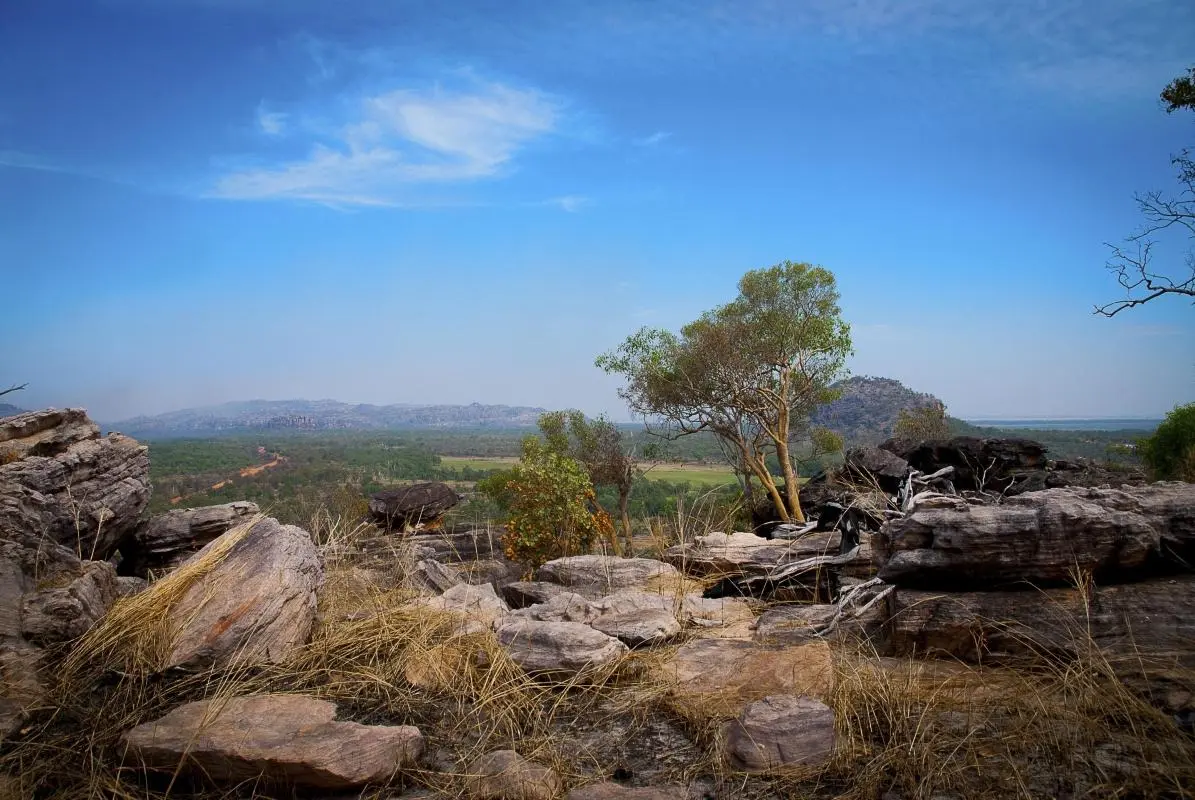
Red escarpments hold shade like a reserve, tidal flats breathe in long, patient pulls and rock shelters keep stories on their walls. Arnhem Land feels older than travel itineraries: it’s a landscape where culture, geology and the tides choreograph the day and where access and timing shape everything you can do.
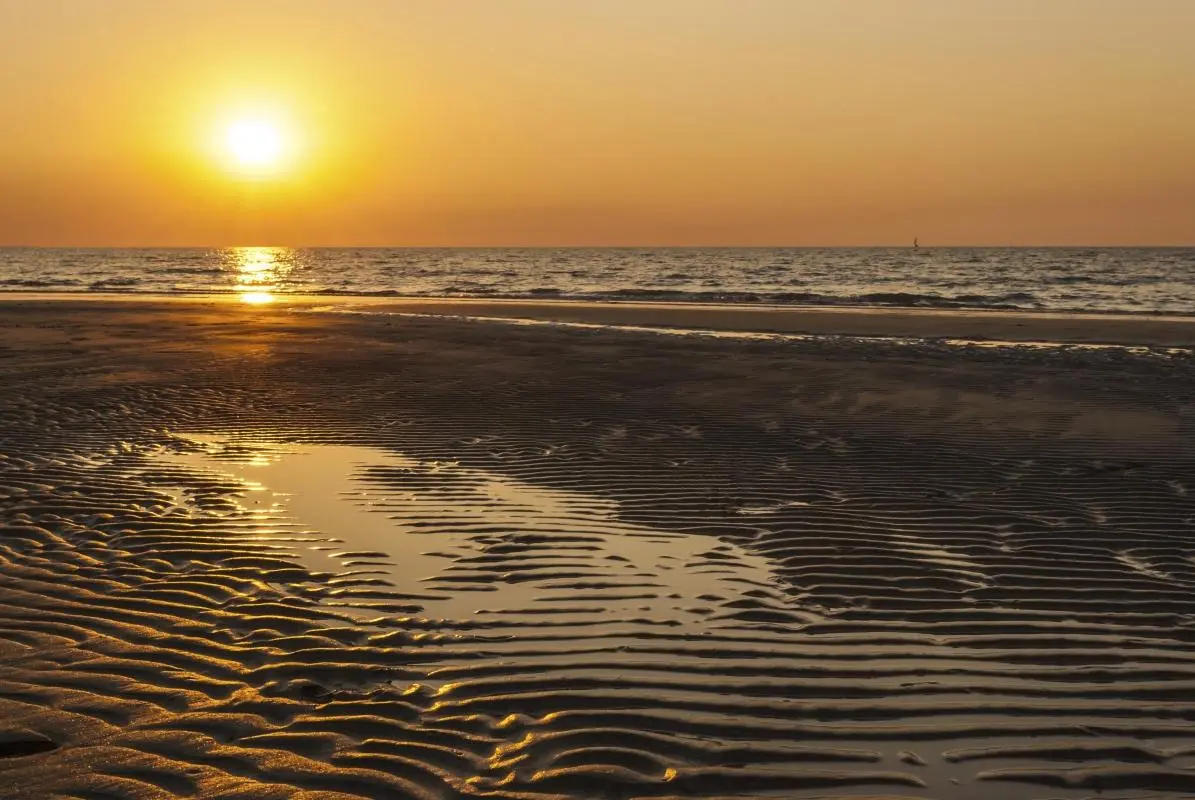
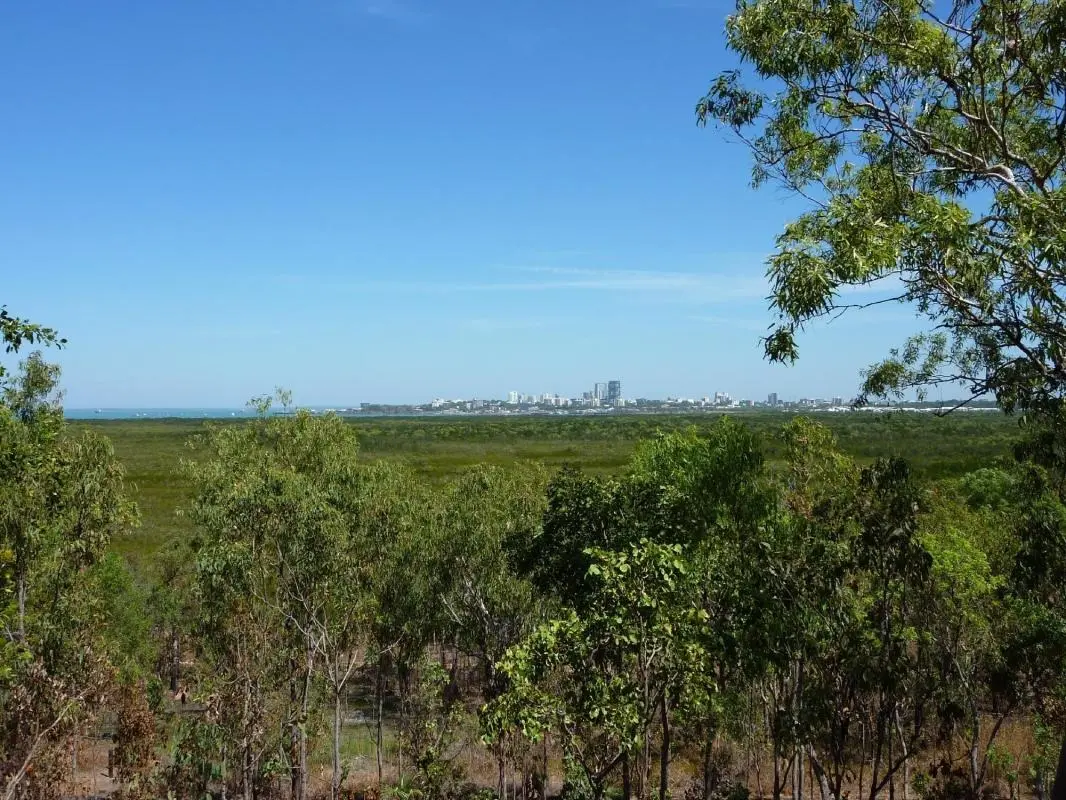
The story of Arnhem Land is written in stone and salt. Sandstone plateaus and escarpments were carved over millions of years; they butt up against tidal coasts where the Arafura Sea pulls far out at low tide and then returns like clockwork. Those coastal rhythms create a shifting playground for mudflat birds, estuarine fish and the occasional saltwater crocodile, so tides and local guidance matter as much as stamina when you plan a beach or creek outing.
Culture is central here. Much of Arnhem Land is Aboriginal-owned country and visits often require permits or must be arranged through traditional-owner-approved operators. That means most meaningful experiences occur with local guides who can read the paintings, point out seasonal food sources and explain the landscape’s stories. Practically, you’ll base in Darwin or a regional airstrip, then layer in scenic flights, boat transfers, or 4WD legs. The wet season folds parts of the region into impassability, so structure your trip in the dry months and leave buffer days for light travel hiccups.
Plan days around light and tides. Sunrise salt flats are quieter for birding and paddling, and late afternoon brings long shadows that reveal the escarpment textures for photography. Camping is possible in designated areas and small eco-lodges operate with limited beds, so book ahead. Respect local directions, carry water and shade, and treat coastal zones as active marine environments—currents nudge and tides transform routes. With a steady plan and local partners, Arnhem Land rewards slow travel with solitude, stellar skies and encounters that stay respectful and memorable.
Get to know the place
Attractions worth a closer look.
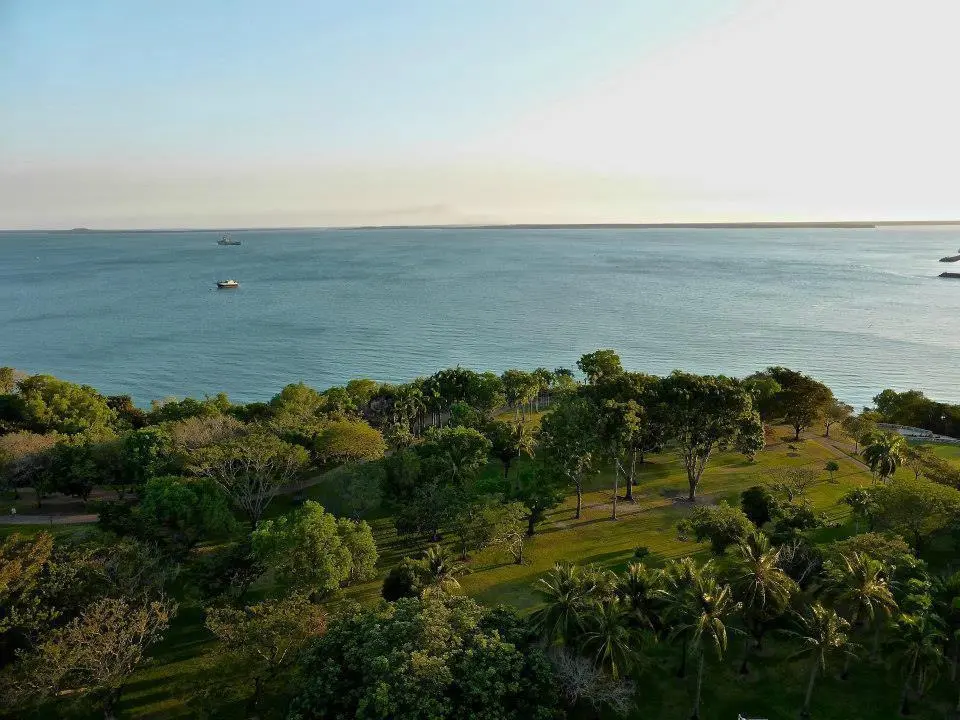
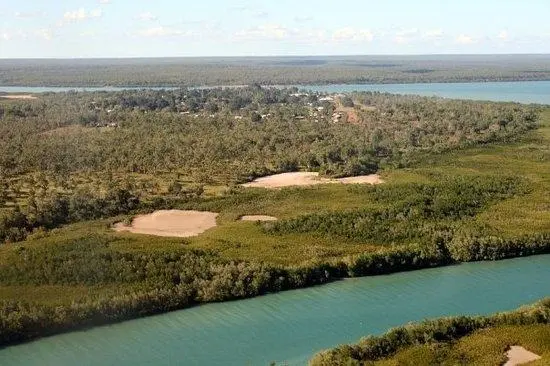
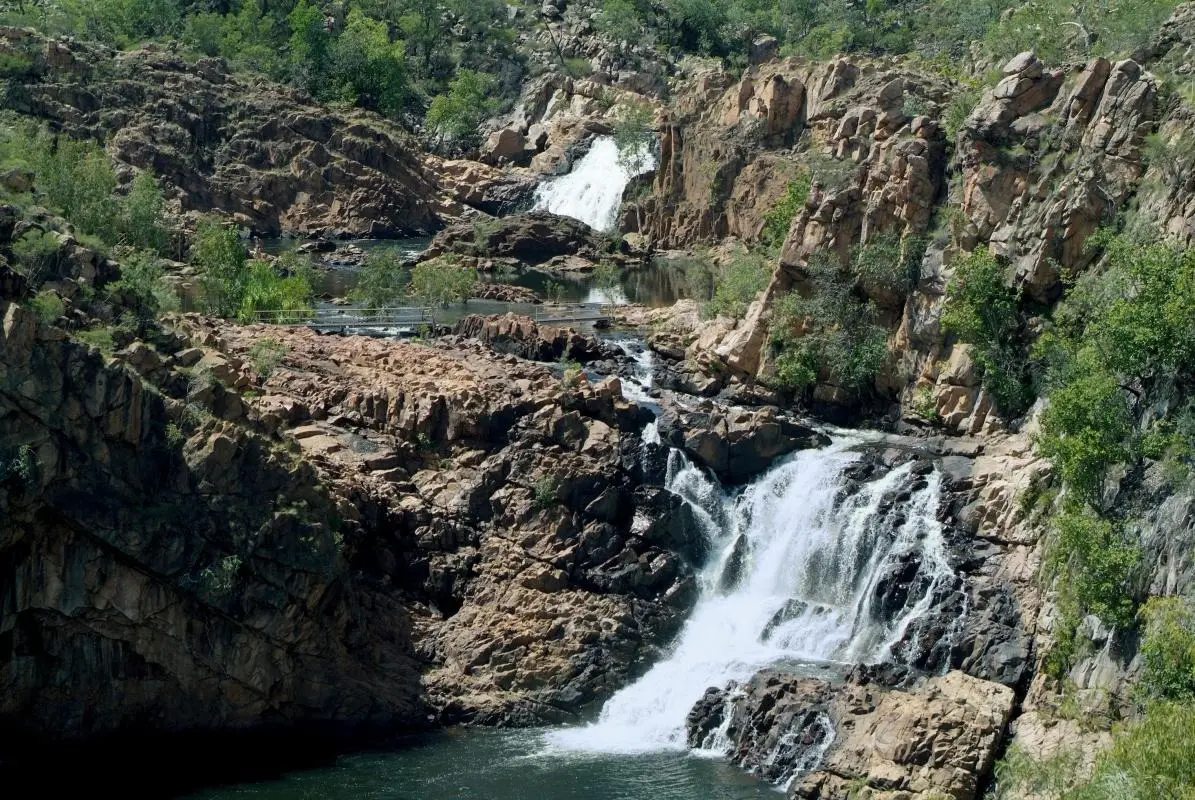
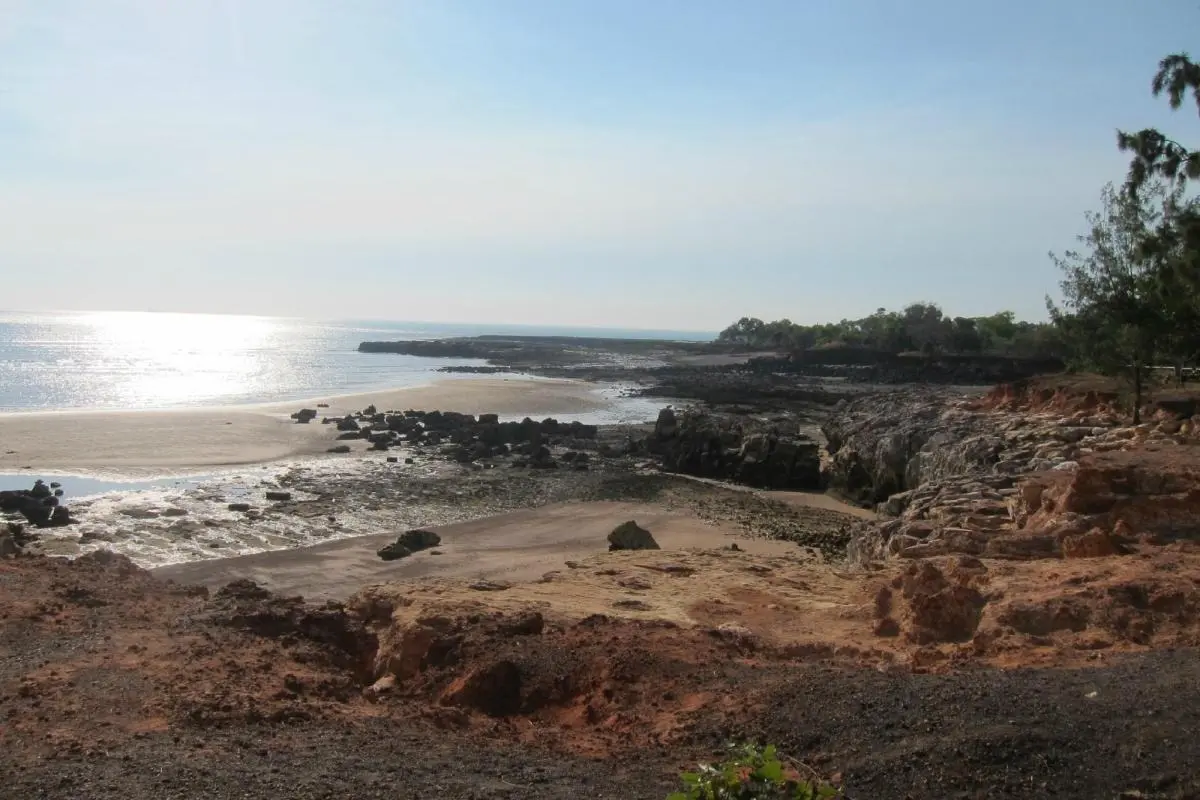
PLAN YOUR VISIT
When to go.
Best months
May, June, July, August, September
Weather
The dry season brings cooler mornings, lower humidity and predictable travel windows; the wet season is hotter, with heavy rains that can make roads and river crossings impassable.
Peak season
The busiest period is the dry-season months when access is most reliable; book flights, guide services and lodging well in advance and plan early starts to avoid midday heat.
Beyond the peak
Shoulder months can offer lower prices and fewer visitors, but expect limited access: some routes and camps close when water levels rise and unmaintained roads become muddy.
PACK WITH PURPOSE
What to bring.
optional
- Binoculars for birding
- Action camera or telephoto lens for rock art and wildlife
essential
- Sun protection (wide-brim hat, SPF 30+ sunscreen, UV shirt)
- At least 2–3 liters of water and a reliable refill plan
- Traction footwear suitable for rock and muddy flats
- Lightweight layers for hot days and cooler nights
- Offline maps or GPS device and a charged phone with power bank
- Basic first-aid kit with blister care
recommended
- Light rain shell (weather can change quickly near the coast)
- Headlamp for early starts and campsites
- Dry bag for electronics and documents
- Trekking poles for uneven escarpment terrain
FIND YOUR PACE
Choose your kind of adventure.
advanced
Extended backcountry routes and multi-day expeditions that require self-sufficiency, navigation skills and flexible timing.
- Multi-day remote camping and exploratory hikes
- Extended coastal 4WD and beach access excursions
- Backcountry fishing and overnight estuary paddling
beginner
Low-impact, culturally rich experiences suitable for casual travelers who prefer guided outings and short walks.
- Guided cultural walk to see rock art panels
- Short boat or estuary cruise for birdwatching
- Scenic flight over escarpments and billabongs
intermediate
A mix of full-day paddles, moderate hikes and off-road transfers for travelers comfortable with longer field days.
- Estuary kayaking with tidal planning
- Moderate hike along escarpment edges
- Multi-location wildlife and photography tour
BEFORE YOU GO
Your questions, answered.
Do I need a permit to visit Arnhem Land?
Many parts of Arnhem Land require permits or visits arranged through traditional-owner-approved operators; check access rules and obtain permits before travel.
Can I explore independently or should I hire a guide?
Guides are strongly recommended for cultural respect, safety and navigation; some areas are only accessible with permitted operators.
How do I get there from Darwin?
Access options include regional flights, charters, boat transfers or long 4WD legs; travel times vary so allow buffer days in your itinerary.
Is it safe to swim or kayak in coastal creeks?
Tidal creeks and estuaries can host saltwater crocodiles—always check local advice, follow guides’ instructions and avoid swimming in unapproved spots.
How many days do I need to experience Arnhem Land?
A focused 3–5 day trip reveals coastal highlights and a cultural visit; a week gives time for deeper exploration and contingency for weather or travel delays.
What weather should I plan for?
Expect warm days and cooler mornings in the dry season, and heavy rain, high humidity and possible access closures during the wet season—pack accordingly and stay flexible.