Montego Bay, Jamaica
Experience the Exhilaration of Negril’s 7 Mile Beach and Rick's Cafe
from $120.00USD
VAYCAI · ATTRACTION GUIDE
Cornwall Beach is a compact, accessible waterfront in Montego Bay that stacks well with reef snorkels, coastal walks, and sunset catamarans. Spend a morning snorkeling the nearshore reef, an afternoon sampling jerk and seafood along the Hip Strip, and an evening on the water for a full-day itinerary without long transfers.
Explore experiences ↓Your guide to places, experiences, and adventures.
THE GOOD STUFF STARTS HERE
Montego Bay, Jamaica
Listed starting prices may vary by option, travel date and group size. Confirm the final total and availability on Viator. Sponsored links: we may earn a commission from qualifying bookings.
STORIES WORTH GOING FOR
GET TO KNOW THE PLACE
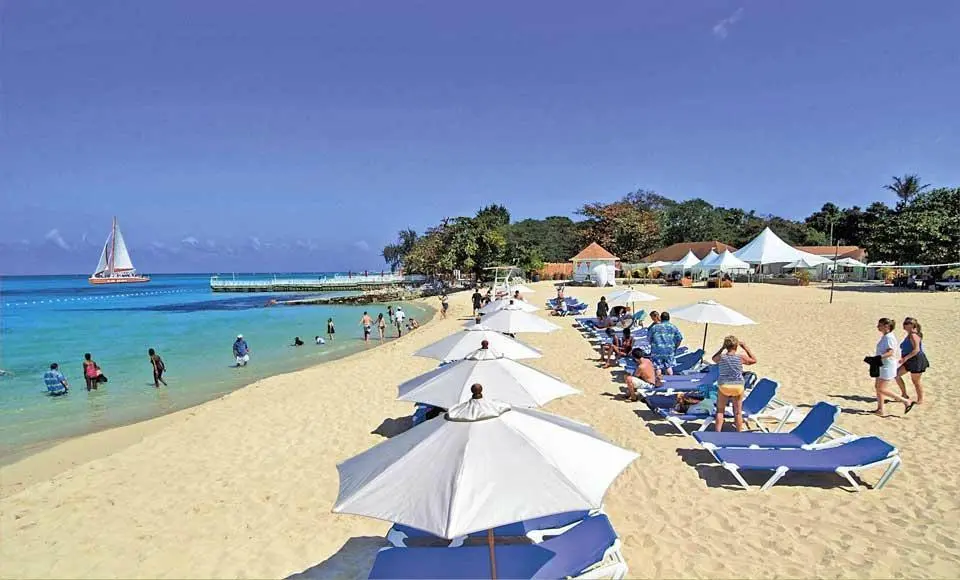
On a clear morning Cornwall Beach lays itself out like an invitation: calm water lapping at sand, fishing skiffs bobbing, and a horizon that wants you to step into it. It’s not the widest beach in Jamaica, but it’s one of the most convenient launch points for marine adventures, coastal strolls, and quick cultural stops along Montego Bay’s Hip Strip.
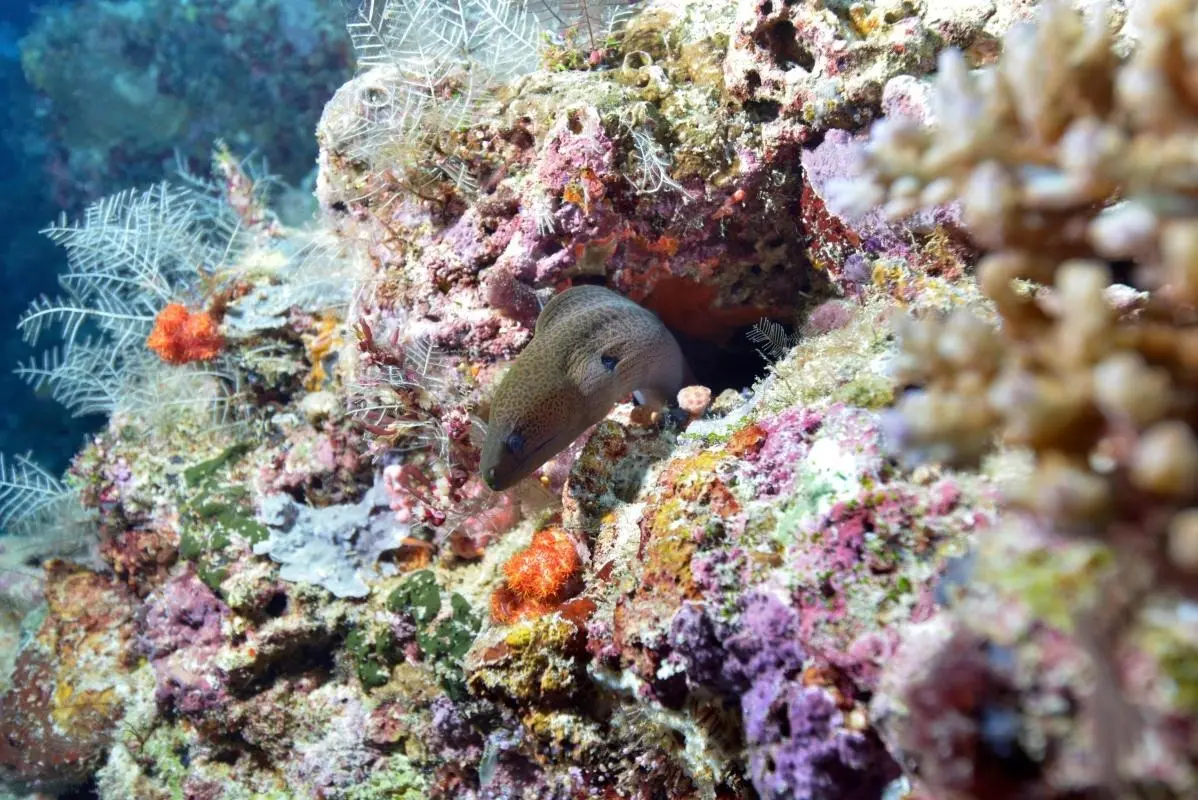
Cornwall Beach sits on the north coast where coral shelves shape the shoreline and the Caribbean nudges the sand into gentle surf. Geologically the bay is a shallow, reef-protected pocket, which makes early-morning snorkeling forgiving for first-timers and families. The beach’s human history is woven into Montego Bay’s colonial past and its evolution into a modern resort hub; today vendors and small food stalls keep the local culinary pulse alive, while nearby historic streets offer a quick glimpse of island life between swims. When planning, aim for mornings for snorkeling and afternoons for people-watching and a swim as the breeze builds.
Culture here is rhythmic and practical. Locals move between work, market, and the water with an economy of motion—boats are both livelihood and leisure. Seasonal patterns are straightforward: dryer months yield glassier seas and clearer snorkeling, while the wetter season can push early afternoon showers that roll through and then release. Timing is everything: reefs show their colors best in calm water, so plan boat trips around the wind and tides when you can. If you’re stacking experiences, pair a reef snorkel with a guided coastal tour or an evening catamaran to watch the sky change; it makes logistics frictionless and maximizes daylight.
Access is simple from Montego Bay’s central strip—short drives or even walkable stretches depending on your lodging. Prioritize reef-aware operators and ask about conservation practices; many local guides are good at pointing out marine life without disturbing it. For practical pacing, balance active mornings on the water with mellow afternoons sampling bakeries, jerk stands, or a roadside patty shop. That way you feel the island’s energy without burning out. Verify tide and weather conditions before booking deeper-water activities and choose operators who provide basic safety gear and briefings.
Get to know the place
PLAN YOUR VISIT
December, January, February, March, April
Montego Bay sees its clearest water and most reliable sunny days in the December–April window; summer months bring higher humidity and a greater chance of short, heavy showers. Trade winds tend to build in the afternoons.
Late December through Easter is the busiest period with higher visitor numbers and fuller operators; book lodging and boat tours well in advance and plan early starts to avoid crowds.
May–November can offer better rates and fewer people; expect occasional rain and check reef visibility before booking snorkeling—some routes can be muddier after storms.
PACK WITH PURPOSE
FIND YOUR PACE
For experienced adventurers looking to push distance or depth with technical water or offshore activities.
Ideal for travelers new to marine activities seeking easy, low-stress water experiences and short coastal walks.
For visitors comfortable in the water who want to add guided boat excursions and longer paddles to their day.
BEFORE YOU GO
You can snorkel near shore on your own in calm conditions, but hiring a local guide or joining a short boat trip improves safety and helps you find the best reef spots while supporting local operators.
Plan for a half-day to enjoy a morning snorkel, a relaxed lunch, and a short coastal walk; for a stacked itinerary add a sunset sail or afternoon paddle and allow a full day.
Yes—shallow water and reef protection make it suitable for families, though children should always be supervised and life jackets are recommended for weaker swimmers.
Most central hotels and guesthouses offer short taxi rides or can arrange transfers; some properties are within walking distance of the Hip Strip and beach access.
Expect trade-wind breezes in afternoons and brief showers in the wet season; pivot to cultural stops, local markets, museums, or indoor cooking demonstrations if weather closes in.
Reef areas are generally calm, but currents can pick up on windy days; ask your guide about conditions, avoid touching coral, and follow local safety briefings.