
VAYCAI · ATTRACTION GUIDE
Gwangalli Beach Visitor Guide
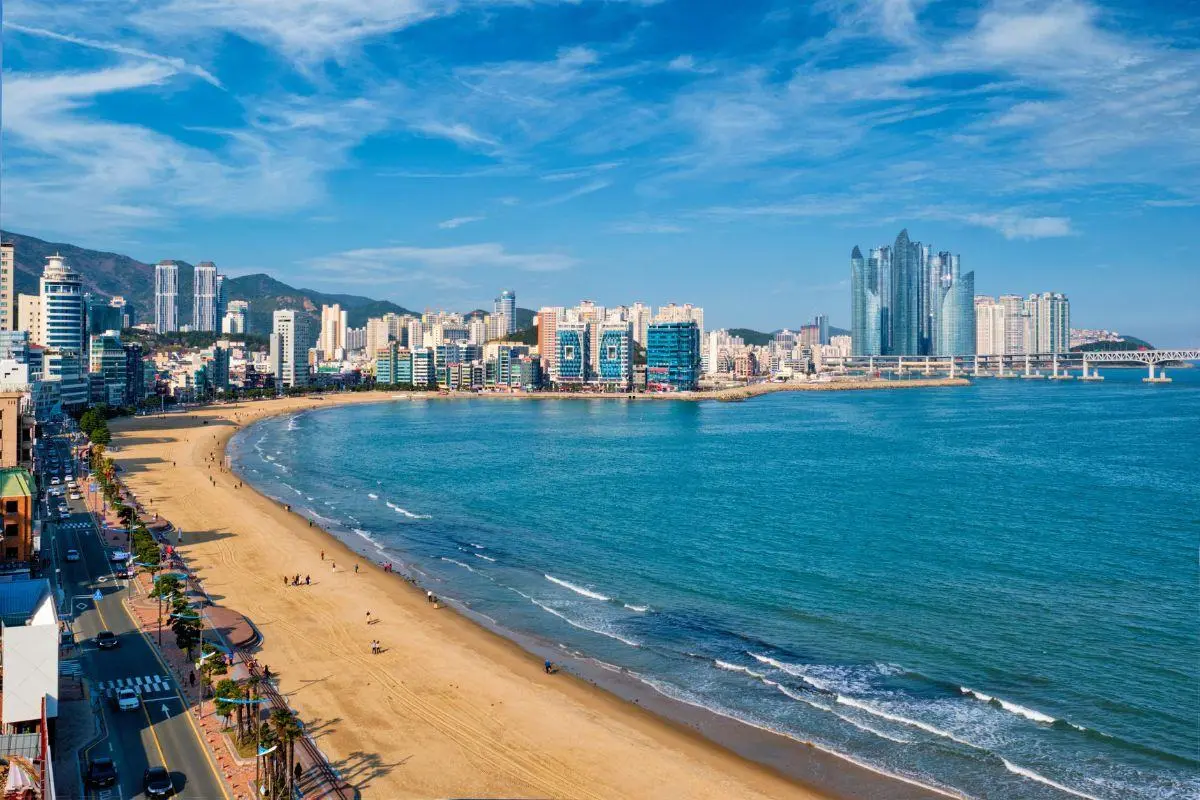
Gwangalli Beach blends approachable ocean action with easy urban logistics: think paddleboarding at dawn, a cyclists’ promenade by midday, and bridge-lit evenings. Stack water time with short coastal hikes or a seafood meal at local vendors to make a compact active itinerary that never feels rushed.
Explore experiences ↓Your guide to places, experiences, and adventures.
THE GOOD STUFF STARTS HERE
Experiences around Gwangalli Beach

Busan, South Korea
2-Day Busan Customized Tour: East & South Coastal Highlights with Private Guide
from $500.00USD

Busan, South Korea
Busan Night Views: Gwangalli, Marine City & Hwangnyeongsan Small-Group Tour
from $45.00USD

Busan, South Korea
Busan by Night: Gwangan Bridge & Busan Cinema Center Evening Coach Tour
from $95.00USD


Busan, South Korea
Day Trip to Busan & Tongdosa by KTX: Temple, Beach, Market and Culture from Seoul
from $435.00USD

Busan, South Korea
Hanbok Rental at Gwangalli Beach: Traditional Dress Photo Experience in Busan
from $14.20USD




Busan, South Korea
Busan Highlights: Hydrangea Season, Songdo Air Cruise & Gamcheon Village Day Tour
from $67.00USD
Listed starting prices may vary by option, travel date and group size. Confirm the final total and availability on Viator. Sponsored links: we may earn a commission from qualifying bookings.
STORIES WORTH GOING FOR
Stories from Busan
GET TO KNOW THE PLACE
Why Gwangalli Beach
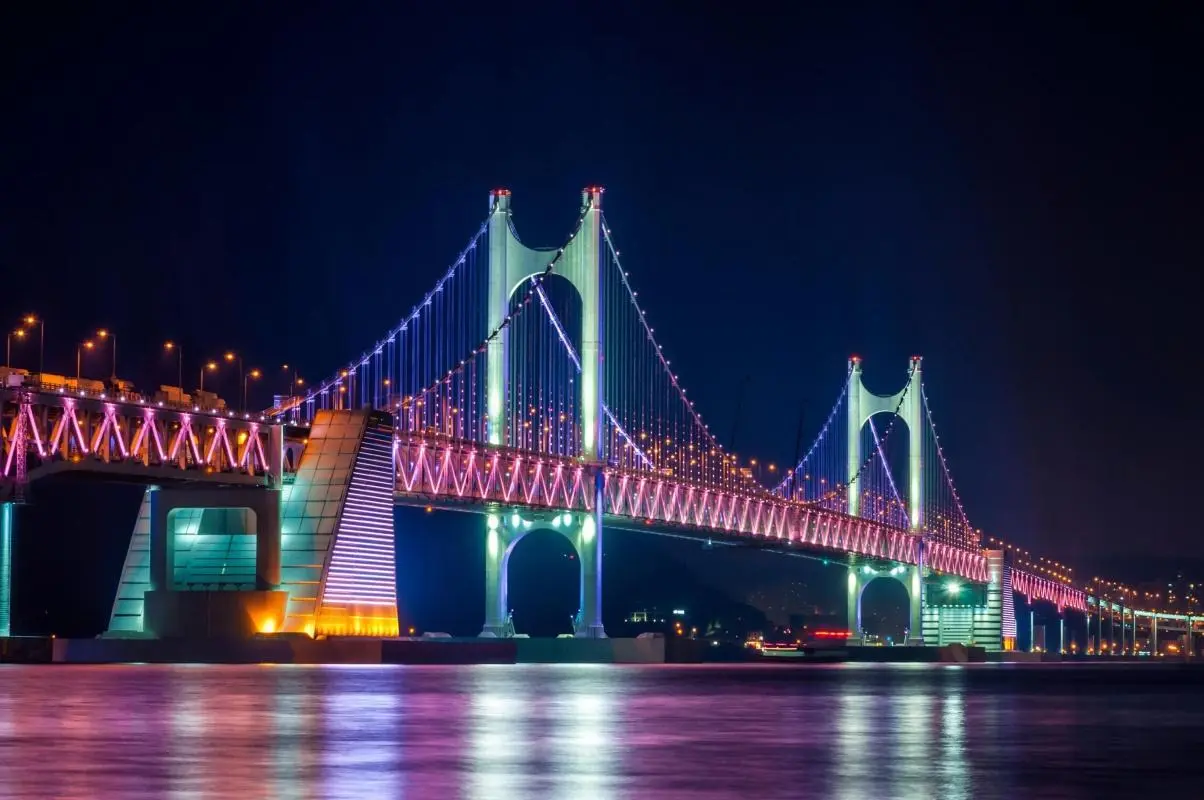
The first thing you notice at Gwangalli is motion: tides nudging the sand, cyclists threading the promenade, and the Gwangan Bridge anchoring the skyline. It's an urban beach that keeps its sea-sense—enough swell for paddleboarding and casual surfing, and a shoreline built for short, active itineraries. For travelers who like to mix water time with city comforts, Gwangalli is a compact, easy-to-layer destination.
Gwangalli began as a modest fishing shoreline and has evolved into one of Busan’s liveliest beaches without losing its weathered character. Geologically the bay is a gentle curve of sand backed by a built promenade and low bluffs that collect the city’s light at dusk. The sea here is social: currents push and pull in predictable rhythms during low and high tide, and the exposed sandbars at certain tides tempt long walks. Local culture leans toward late evenings—dining, busking, and strolling—so plan active mornings and relaxed nights. The Gwangan Bridge is more than a view; it’s a landmark that orients the coast and provides one of the best vantage points for sunset photography.
Practical planning is straightforward. Gwangalli’s urban setting means short transfers from Busan’s transport hubs and a wide range of lodging from guesthouses to mid-scale hotels. Summer brings lifeguards and full services but also crowds; spring and fall offer cooler water and clearer skies, ideal for paddling and coastal walks. Stack experiences: an early paddle session, an afternoon market run or museum detour, then a bridge-view picnic at sunset. If you’re seeking a day trip, combine the beach with nearby scenic spots for short hikes or a ferry to coastal viewpoints for layered scenery without long drives.
Safety and logistics matter here. The ocean is playful but can be choppy—check local conditions before heading out and respect red-flag advisories. Gear rentals and lesson-oriented activities are common in season, so booking lesson slots for stand-up paddleboarding or beginner surf sessions in advance will save time. For evenings, aim for the promenade or designated viewing areas rather than fragile dunes; local etiquette favors keeping the sand clean and the beach accessible for everyone. Ultimately, Gwangalli rewards travelers who combine a readiness to move—on foot, by bike, or on the water—with a willingness to slow down and watch the city and sea trade light as the day ends.
PLAN YOUR VISIT
When to go.
Best months
April, May, September, October, November
Weather
Spring and fall offer mild temperatures and clearer sea conditions suited to paddling and coastal walks. Summers are hot and humid with monsoon and typhoon risk at times; winters are cool and quieter with more exposed winds.
Peak season
Peak season runs through June to August when beaches and promenade services are busiest; plan for higher rates and crowds, and book lodging and activity slots early.
Beyond the peak
Off-season travel (late fall through early spring) yields lower prices, fewer people, and clearer long-range views, but expect reduced services and potentially rougher seas—check conditions before launching on water activities.
PACK WITH PURPOSE
What to bring.
optional
- Binoculars for bridge and bird watching
- Action camera or waterproof camera
- Compact picnic kit
essential
- Layered clothing for coastal wind and evening chill
- Reusable water bottle and snacks
- Traction footwear or water shoes
- Sun protection: hat, sunscreen, sunglasses
- Offline map or local transit app access
recommended
- Light rain shell or windbreaker
- Dry bag for electronics
- Spare quick-dry towel
- Waterproof phone case
FIND YOUR PACE
Choose your kind of adventure.
advanced
For experienced adventurers seeking challenging ocean conditions, longer mixed-route days, and photography-focused sessions.
- Open-water sea kayak crossings and route linking to nearby headlands
- Long coastal bike rides linking several Busan waterfronts
- Sunrise-to-sunset sea paddling with tidal navigation
beginner
Perfect for travelers new to coastal activities who want low-stress water time and easy promenade outings.
- Short stand-up paddleboard lesson in calm morning water
- Leisurely coastal walk along the promenade
- Casual cycling on flat seaside paths
intermediate
Great for travelers with some ocean experience ready to expand into longer paddles and mixed urban-coastal routes.
- Multi-kilometer paddleboarding or kayak loops near the bay
- Evening wind-driven surf or beginner-intermediate surf sessions
- Coastal hikes to nearby viewpoints and city-side ridge trails
BEFORE YOU GO
Your questions, answered.
Do I need a guide for paddleboarding or can I rent gear on-site?
You can rent gear and take lessons from local operators in season; beginners may prefer a short guided lesson for safety and technique, while experienced paddlers can usually self-launch after checking conditions.
Is Gwangalli safe for evening walks and photography?
Yes—promenade lighting and populated waterfront areas make evening walks safe, but keep to designated paths and watch for wet sand near the tide line when photographing at low light.
How much time should I allocate for a good visit?
A focused half-day covers a paddle or beach stroll plus a coffee; a full day lets you add cycling, a market visit, and a sunset viewpoint—combine with nearby attractions for a multi-day itinerary.
What are the main weather risks to plan around?
Summer monsoon rains and occasional typhoons can disrupt activities; strong winds and choppy seas can appear outside of storms—always verify local forecasts and avoid water activities when advisories are posted.
How do I get there from central Busan?
Gwangalli is accessible by Busan’s public transit network and by short taxi rides from central hubs; confirm routes and schedules before travel to time arrival for morning light or sunset.
Are there family-friendly options at the beach?
Yes—gentle shoreline areas, a wide promenade for strollers, and nearby restaurants make Gwangalli family-friendly; lifeguard coverage varies by season, so supervise children closely.