Da Nang, Vietnam
Half-Day Son Tra Peninsula Tour: Monkey Mountain, Radar Station & Linh Ung Pagoda
from $95.00USD
VAYCAI · ATTRACTION GUIDE
Son Tra is a compact wilderness edge to Da Nang—steep ridgelines, coastal viewpoints, and sheltered coves stack into one accessible day of adventure. Hikers, cyclists, and wildlife watchers can combine short jungle trails with a scenic ridge drive and a beach stop for a single half-day or a full day of exploration.
Explore experiences ↓Your guide to places, experiences, and adventures.
THE GOOD STUFF STARTS HERE
Da Nang, Vietnam

Da Nang, Vietnam

Da Nang, Vietnam

Da Nang, Vietnam


Da Nang, Vietnam

Da Nang, Vietnam


Da Nang, Vietnam



Da Nang, Vietnam


Da Nang, Vietnam

Da Nang, Vietnam

Da Nang, Vietnam

Da Nang, Vietnam
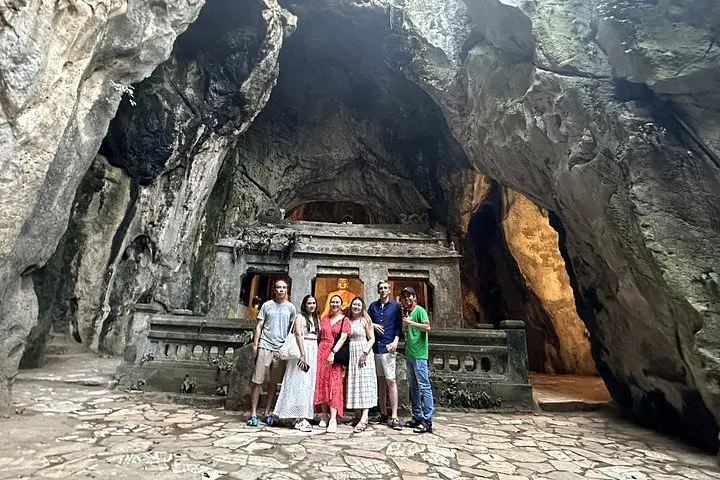
Da Nang, Vietnam
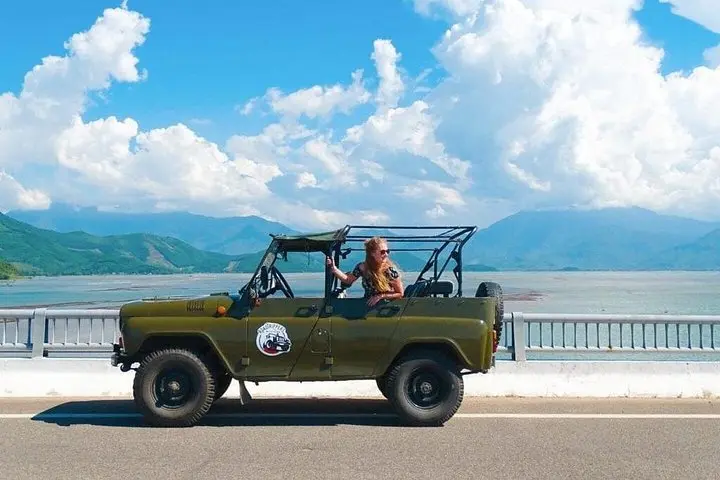

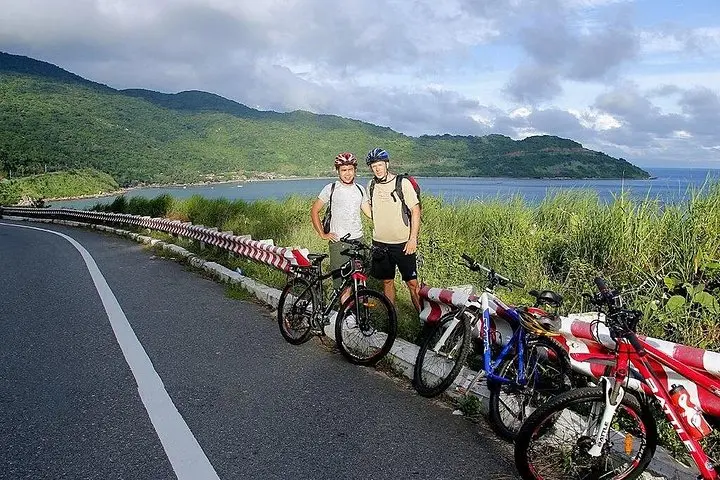
Da Nang, Vietnam

Listed starting prices may vary by option, travel date and group size. Confirm the final total and availability on Viator. Sponsored links: we may earn a commission from qualifying bookings.
STORIES WORTH GOING FOR
GET TO KNOW THE PLACE
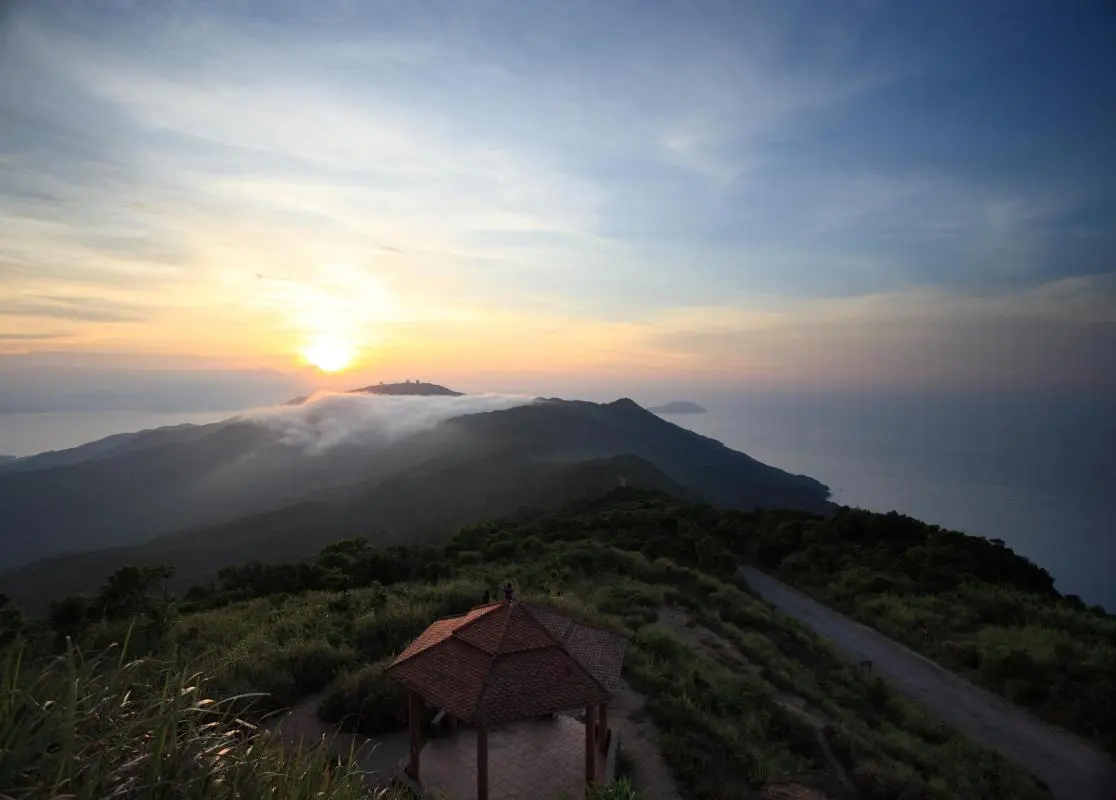
You emerge from the city into a green wall of trees and the air changes—salt and damp leaves. Son Tra’s ridgeline holds the city at bay and pushes views over Da Nang Bay and the open South China Sea. It’s compact but varied, where a quick hike can end at a temple overlook and a longer routing threads dense forest and rocky promontories.
Son Tra’s geology reads like a coastal story: granite and volcanic remnants sculpt the peninsula’s steep headlands, and those stones cradle pockets of evergreen forest that feel older than the city below. Human history here folds traditional fishing villages, French-era coastal defenses, and the now-iconic Linh Ung Pagoda—its statue watches ships and sunlight in equal measure. Local fishermen still haul nets at dawn, and in the afternoons the wind often rolls in from the sea, pushing clouds along the ridgeline. The forest nudges visitors toward shade and hides small waterfalls and freshwater springs that swell in the rainy months.
Culturally, the peninsula sits as both a spiritual shorthand and a recreational asset for Da Nang. Linh Ung Pagoda is a magnet at sunrise; the road to the top is a ribbon of switchbacks that invites cyclists and drivers alike. Wildlife here—most famously macaques but also a number of bird species and the rare red-shanked douc—gives any visit a lively edge, though you should observe at a distance and avoid feeding animals. Access is straightforward from central Da Nang: a short drive brings you from urban bustle into quiet, with multiple trailheads and scenic pullouts for photographers and families.
Planning advice: put sunrise or late afternoon at the top of your list for light and fewer people, and stack experiences by pairing a morning ridge hike with an afternoon beach stop. If you’re combining activities—cycling, a guided wildlife walk, or a kayak rental—allow for transport time and variable weather. Trails can be muddy after heavy rains and the narrow coastal road can be busy on holiday weekends, so start early, carry water, and have a backup plan for wet conditions. Prioritize viewpoints, a pagoda visit, and a short wildlife walk if your day is limited.
Get to know the place
PLAN YOUR VISIT
February, March, April, May, September, October
Spring and early summer bring warm, relatively dry conditions ideal for hiking and clear views; late summer and early autumn can be wetter with occasional storms that make trails slippery and seas rough.
The busiest periods are national holidays and the summer months when domestic tourists visit; plan to start at dawn, and book accommodations and any guided experiences in advance.
Visiting in the rainy months offers quieter trails and lower rates, but expect muddy conditions and possible temporary closures; choose higher, drier routes and avoid low-lying tracks after heavy rain.
PACK WITH PURPOSE
FIND YOUR PACE
Challenging, longer routes and multi-activity days that combine navigation, endurance, and exposure to coastal weather.
Short, mostly paved or well-graded trails and viewpoint accesses suitable for casual walkers and families.
Longer hikes and mixed-surface loops plus road cycling on steep switchbacks for those comfortable with elevation gain.
BEFORE YOU GO
No—many trails and viewpoints are accessible self-guided, but a local guide adds wildlife insight, safer navigation on minor tracks, and cultural context.
Macaques are curious and can be bold around food—keep a safe distance, secure backpacks, and never feed them to reduce risk.
A focused sunrise-to-mid-morning outing covers main viewpoints and Linh Ung Pagoda; a half-day to full day lets you add a longer hike, beach time, or cycling loop.
Taxis, rented scooters, or arranged transfers will reach the peninsula in under an hour from most central points; many visitors combine a transfer with a local guide.
There are sheltered coves suitable for a swim; check local conditions and avoid open water on windy days—kayak operators can advise on safe spots.
Access is generally open, though some viewpoints or park operations may request small fees or donations; verify current access rules before arrival.