
Interlaken, Switzerland
Snowshoe Tour from Interlaken: Alpine Forests Below the Eiger, Mönch & Jungfrau
from $127.67USD
VAYCAI · ATTRACTION GUIDE
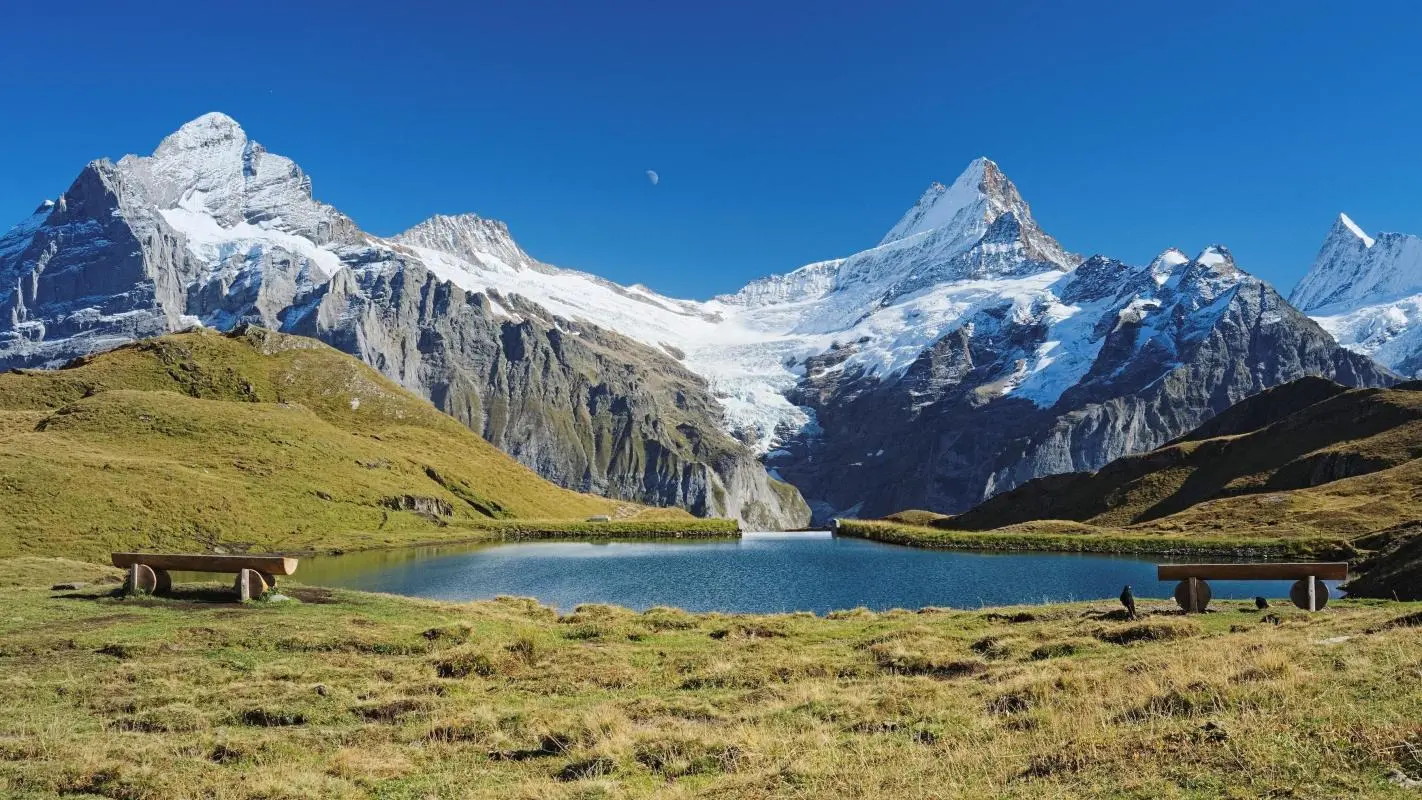
Mönch Peak anchors the high skyline above Interlaken and the Jungfrau massif, offering alpine climbing, glacier travel, and sweeping viewpoints. Pair a summit approach with valley hikes, scenic train rides, and lakeside paddling to stack a full-mountain itinerary across technical and gentle experiences.
Explore experiences ↓Your guide to places, experiences, and adventures.
THE GOOD STUFF STARTS HERE
Interlaken, Switzerland

Listed starting prices may vary by option, travel date and group size. Confirm the final total and availability on Viator. Sponsored links: we may earn a commission from qualifying bookings.
STORIES WORTH GOING FOR
GET TO KNOW THE PLACE
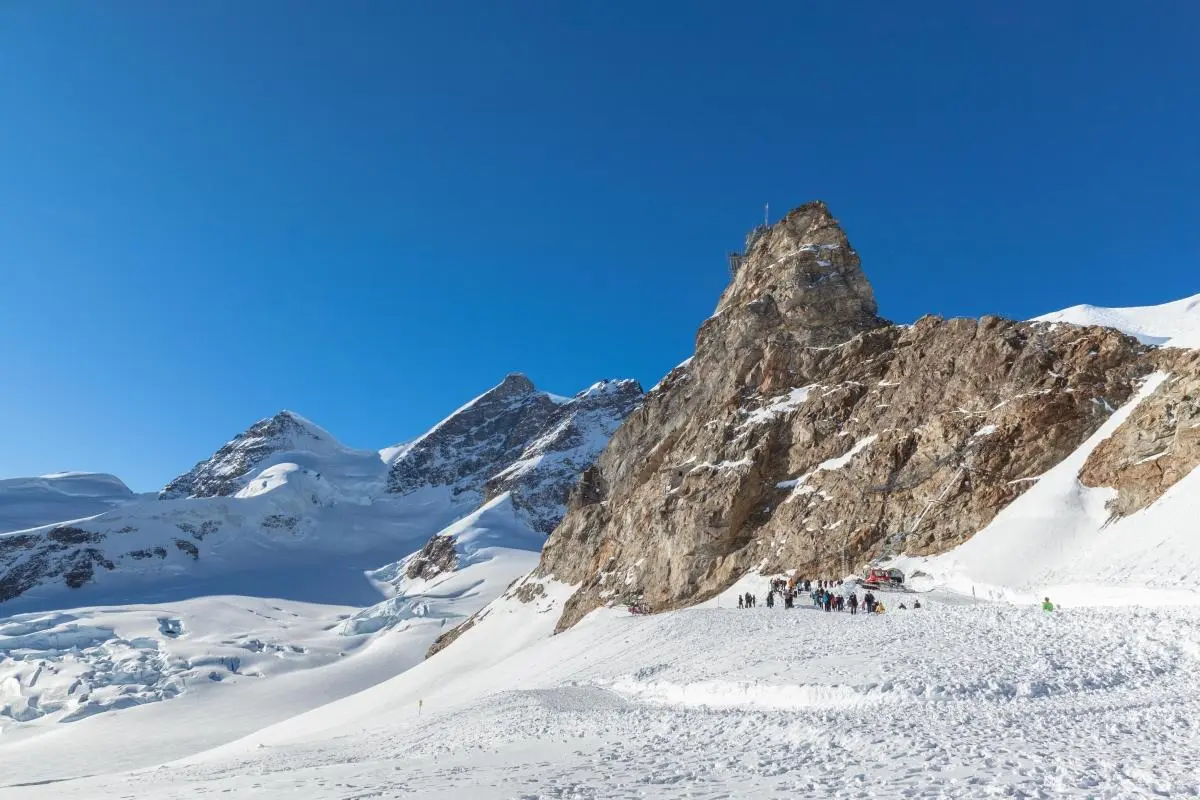
Mönch stands as a pivot between the Eiger and Jungfrau, a compact mountain that reads like an alpine primer: rock, snow, and glacier. It rewards precise planning and respect for changing conditions, and it slots neatly into a weeklong Interlaken plan where high-mountain objectives and valley adventures coexist.
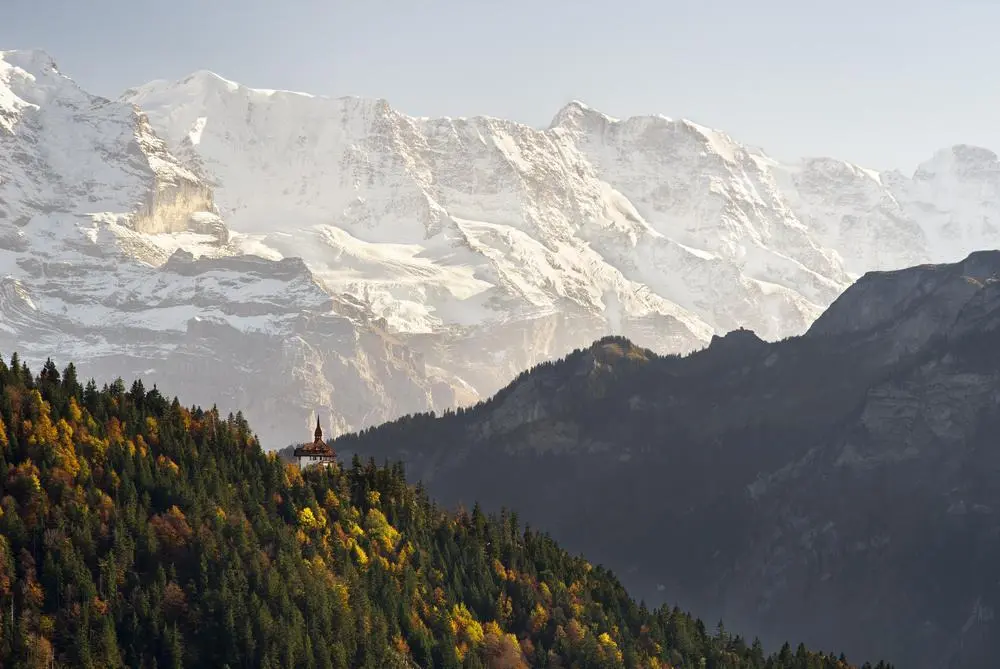
You arrive in a place where ice remembers glacial epochs and stone remembers the footsteps of early alpinists. Ridgelines hold tight against the sky and glaciers nudge the valley with slow authority. The peak’s history sits in the broader story of 19th-century mountaineering and alpine tourism, when climbers first threaded routes through the Bernese Alps and valley towns matured into transport hubs. Today the culture here is still partly defined by those roots: mountain guides have practical, no-nonsense knowledge; chalet kitchens turn out fortified meals; and local trails hum with a steady stream of hikers, bikers, and train travelers sharing the same views.
Geologically, Mönch is a study in contrasts—hard crystalline rock braided with névé and permanent ice at higher elevations. That combination creates routes that can switch from boot-friendly scree to slick glacier travel in a matter of hours. Practically that means planning matters: check snow and crevasse conditions, budget time for approach glaciation, and expect rapidly shifting weather. Access is straightforward from Interlaken by valley roads and mountain railways or cable cars to neighboring cols; from there, days can be stacked to include scenic train passages, lakeside paddles, or lower-altitude hikes for recovery. Timing is the advantage: early starts beat the afternoon storms and quieter weekdays reduce alpine traffic on popular access ridges.
If you prioritize, put safety first and views second: hire a certified guide for glacier travel and any route requiring ropes, crampons, or crevasse rescue proficiency. Reserve accommodation and mountain-rail tickets during the busy months, and plan for buffer days in case of weather. For mixed groups, split the itinerary—one day for technical objectives with a guide, one day for valley rides and paddles, and another for a scenic ascent by rail or cable car. The result is a balanced trip that feels properly alpine without being all summit or all sightseeing.
Get to know the place


PLAN YOUR VISIT
June, July, August, September
Summer brings the most accessible alpine conditions but also builds afternoon thunderstorms; early summer may still have significant snow on high approaches. Winters are snowy and primarily for ski and ice-climbing seasons rather than standard hiking.
July and August are the busiest months for Interlaken and mountain access; book accommodations, guides, and any railway tickets in advance and plan for early starts to avoid crowds and afternoon storms.
Late spring and early autumn offer lower prices and fewer people; expect residual snow, wetter trails, and more technical route choices—adjust plans and avoid glacier travel without proper gear and guides.
PACK WITH PURPOSE
FIND YOUR PACE
Experienced alpinists tackling Mönch aim for technical climbs, glacier navigation, and multi-pitch routes requiring ropework.
Suitable for travelers who want alpine scenery without technical climbing or glacier exposure.
For fit hikers comfortable on steep trails and basic alpine terrain who may try short glacier crossings with a guide.
BEFORE YOU GO
For technical routes and glacier travel, hiring a certified mountain guide is strongly recommended; non-technical viewpoints can be reached without a guide.
Plan a full alpine day for approach and descent, and include at least one buffer day for weather or travel delays.
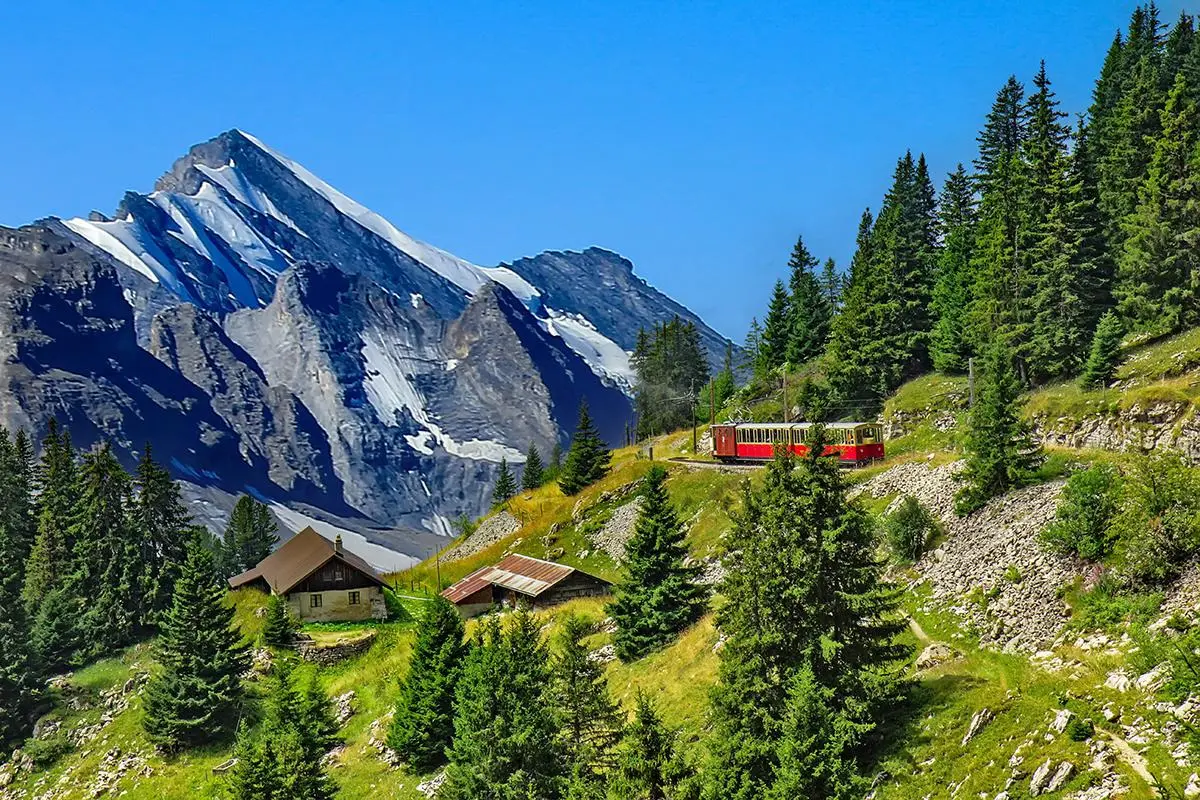
Valley trains, regional buses, and cable cars from nearby towns shorten approaches; many trailheads are accessible via short transfers from Interlaken.
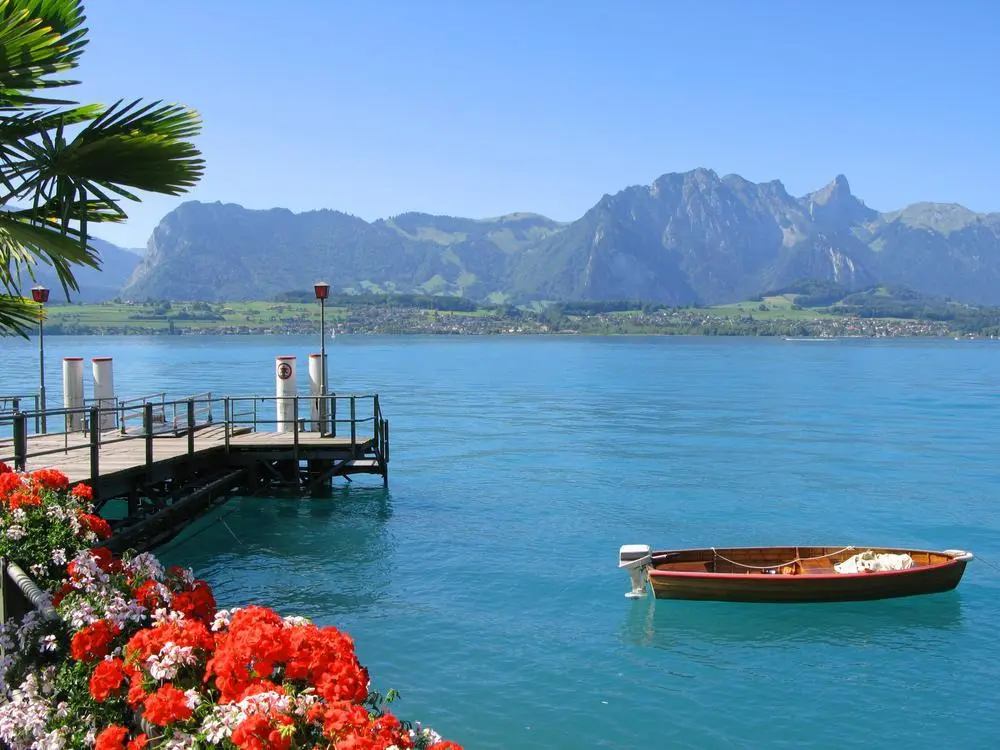
Yes—scenic railways, high alpine viewpoints reached by cable car, lakeside paddling, and valley hikes offer memorable days without technical gear.
Afternoon storms can be sudden and intense; schedule early starts, monitor forecasts, and keep flexible plans with contingency days.
Yes—crampons, ice axe, rope, and crevasse rescue gear are standard; these should be used with a trained guide unless you have equivalent experience.