
VAYCAI · ATTRACTION GUIDE
Lighthouse Reef Visitor Guide
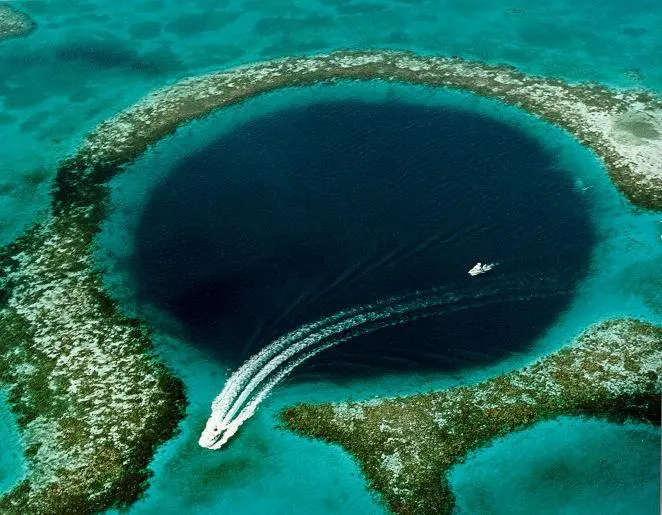
Lighthouse Reef is an offshore atoll where diving, snorkeling, and sea-based itineraries stack together into multi-day adventures. Travelers typically combine coral-garden dives, a visit to the Great Blue Hole, and birding at Half Moon Caye via liveaboard or day-boat to maximize water time and wildlife encounters.
Explore experiences ↓Your guide to places, experiences, and adventures.
Nearby experiences in Belize City. Check each itinerary for a visit to Lighthouse Reef.
THE GOOD STUFF STARTS HERE
Experiences around Lighthouse Reef

Belize City, Belize
Jungle Horseback & Cave Tube Adventure Near Belize City — Ride, Float & Explore
from $150.00USD

Belize City, Belize
Altun Ha and Belize City Tour: Explore Ancient Maya Ruins and Belize City Highlights
from $165.00USD

Belize City, Belize
Belize Cave Tubing & Crystal Cave Tour from Belize City — Jungle Tubing and Maya Relics
from $98.00USD

Belize City, Belize
Mayan World Cave Tubing and Zipline — Belize Jungle Adventure from Belize City
from $90.00USD
Belize City, Belize
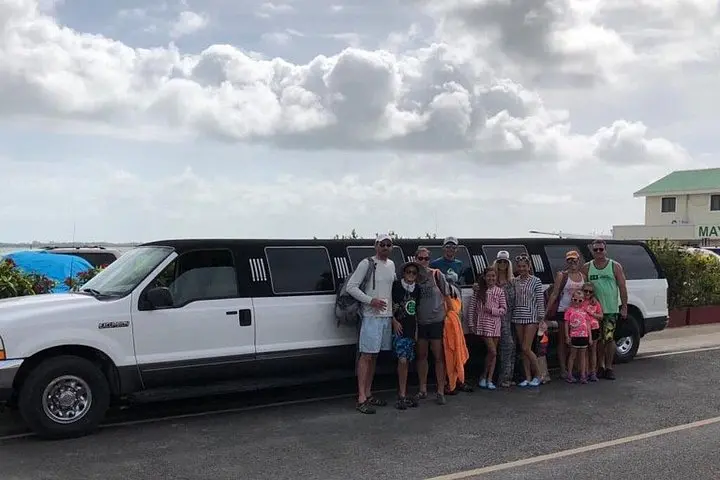
Private Limo Tour to Altun Ha Ruins with Ziplining & Cave Tubing from Ambergris Caye
from $215.00USD


Belize City, Belize
Belize in 10 Days: First-Class, Action-Packed Tour from Ambergris Caye to Caracol
from $4,821.67USD

Belize City, Belize
Private Cave Tubing and Altun Ha — Belize Jungle, River & Mayan Ruins Adventure
from $135.00USD

Belize City, Belize
Altun Ha & Belize Cave Tubing: Full-Day Mayan Ruins and Underground River Adventure
from $155.00USD
Belize City, Belize
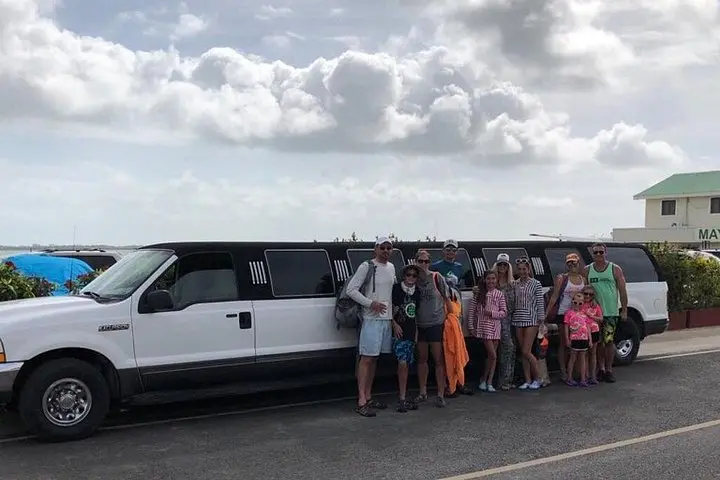
Altun Ha, Cave Tubing & Rainforest ATV: Full-Day Limo Adventure from Belize City
from $260.00USD

Belize City, Belize
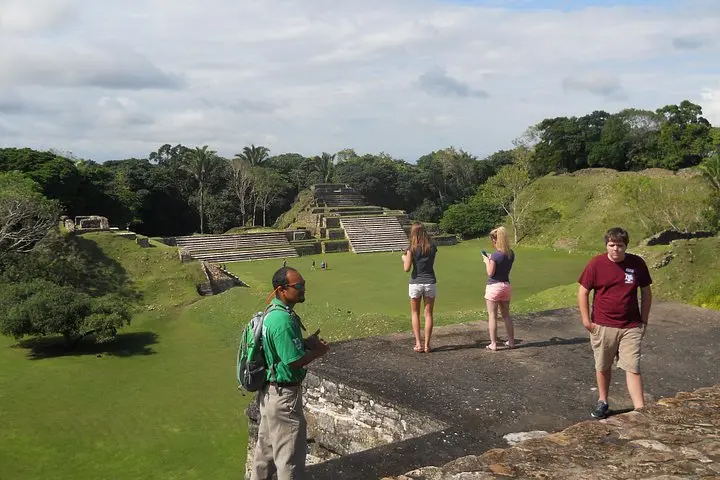
Jungle Jeep and Altun Ha Tour — Jeep Backroads to Ancient Mayan Ruins
from $215.00USD
Belize City, Belize
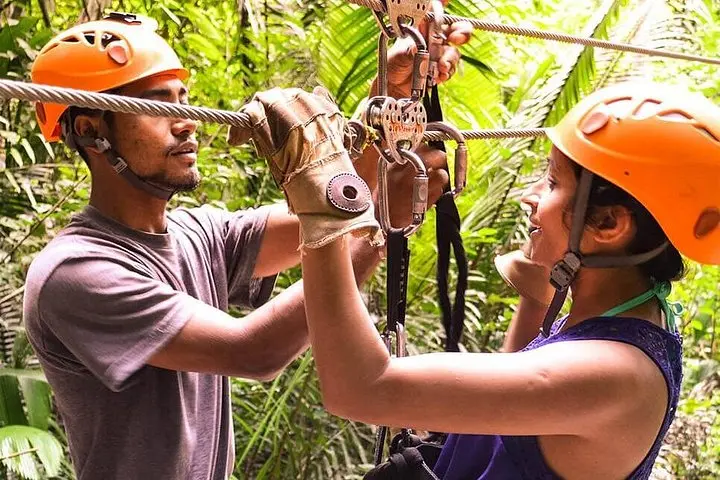
Sibun River Zipline and Altun Ha Maya Ruins Day Tour — Belize Adventure
from $125.00USD
Belize City, Belize
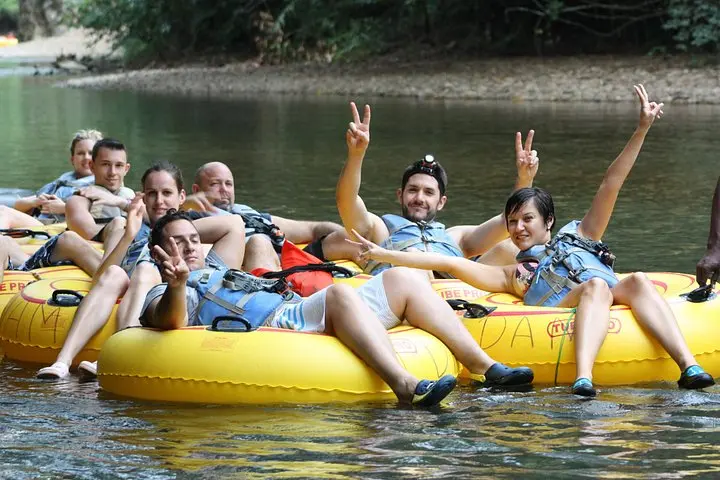
Belize Cave Tubing from Belize City — Caves Branch River Underground Float
from $218.00USD

Belize City, Belize
Altun Ha & Rainforest Day Trip from Belize City — Mayan Ruins, Jungle Walks & City Highlights
from $116.14USD

Belize City, Belize
Belize City TukTuk Sightseeing: 90-Minute Guided City Tour with Drinks and Music
from $75.00USD

Belize City, Belize
Altun Ha Day Trip: Cave Tubing, Zipline & Maya Ruins from Caye Caulker
from $268.00USD


Belize City, Belize
Altun Ha, Cave Tubing & Baboon Sanctuary Day Tour from Belize City
from $275.00USD

Belize City, Belize
Altun Ha Temple, Cave Tubing & Rainforest Zipline — Day Trip from San Pedro
from $385.00USD

Belize City, Belize
Private Tour of Altun Ha Mayan Site from Belize City — Day-Trip Guide
from $391.37USD

Belize City, Belize
Private Cave Tubing Adventure from Belize City — Tube Through Limestone Caves & Jungle
from $163.34USD

Listed starting prices may vary by option, travel date and group size. Confirm the final total and availability on Viator. Sponsored links: we may earn a commission from qualifying bookings.
STORIES WORTH GOING FOR
Stories from Belize City
GET TO KNOW THE PLACE
Why Visit Lighthouse Reef
Offshore and a little untamed, Lighthouse Reef rewards travelers who trade convenience for rich marine terrain. Clear water, vertical walls, and sheltered coral patches create a compact menu of adventures you can stack: shallow snorkel swims, multi-dive days, and single-site missions to the Great Blue Hole. Boats and liveaboards are the practical spine of any visit — plan travel time accordingly.
Imagine a morning when the sea is a polished sheet and the boat hums toward the atoll: the reef holds color and life tight to its rim while the wind eases and the water seems to invite you in. Lighthouse Reef is an atoll built by time and tide; its coral rims lean into surf and drop into deeper oceanic blue. The Great Blue Hole is the geomorphic magnet — a circular sinkhole that has drawn explorers and divers for decades. Outside of that icon, patches of coral gardens, spur-and-groove walls, and sandy channels host sharks, reef fish, rays, and a constant turnover of pelagics that slide through the lagoon. Currents will nudge and sometimes push; visibility can be exceptional, but conditions vary by season.
The human story here is maritime: small Belizean cayes with fishing camps, conservation zones, and a growing eco-tourism ethic. Half Moon Caye is both a natural monument and a nesting ground for red-footed boobies and frigatebirds — a quick, respectful stop for wildlife viewing between dives. Geologically, the atoll is a product of coral growth on an ancient submerged platform and karst processes that created the Blue Hole. For planning, access comes by sea from Belize City or San Pedro; operators run day trips but liveaboards or multi-day charters let you reach the outer walls and quieter dive sites. Local guides know the currents, the best entry points, and where the wildlife is concentrated — their experience shortens scouting time and increases safe water time.
Practical priorities: if you want the Blue Hole, book it early and be prepared for a day with several dives and a fair amount of transit. If your focus is coral gardens and shallow snorkeling, a shorter day trip can deliver high return. Stack activities by sea condition — mornings often present the calmest surface; afternoons can stiffen with onshore breeze. Safety matters: dive within your certification, heed guide briefings about currents and ascents, and use reef-safe sunscreen. Pack for humidity, sun, and salt; a dry bag, quick-dry layers, and sturdy sea shoes keep you comfortable between dives and on rocky cay landings. Finally, consider conservation-minded operators and leave no trace: the reef is resilient but fragile, and respectful behavior preserves the experience for everyone.
Get to know the place
Attractions worth a closer look.
PLAN YOUR VISIT
When to go.
Best months
December, January, February, March, April
Weather
The late-winter and spring months tend to bring clearer seas and more stable weather, which improves diving and visibility; summer and autumn can produce short heavy rains and occasional tropical storms. Sea conditions and visibility vary with winds and currents.
Peak season
Peak visitation runs through the dry months (roughly December–April); book dives, liveaboards, and transfers well in advance and plan for early departures to avoid crowding at popular sites.
Beyond the peak
May–November can offer lower prices and fewer boats, but expect higher chance of rain and choppier seas; check marine conditions and choose sheltered sites if sea state is elevated.
PACK WITH PURPOSE
What to bring.
optional
- Binoculars for birding on Half Moon Caye
- Compact picnic kit for private caye lunches
- Waterproof phone case or float strap
essential
- Reef-safe sunscreen and sun hat
- Light, quick-dry layers and UV-protective shirt
- Reusable water bottle and hydration system
- Waterproof ID and dive certification card
- Sturdy sea shoes or sandals with traction
- Basic first-aid kit and any personal medications
- Offline map or downloadable trip notes
recommended
- Dry bag for electronics and spare clothes
- Personal mask/snorkel/fins if you prefer familiar gear
- Light rain shell or windbreaker
- Headlamp for early starts or boat transits
- Pole or small action camera for underwater shots
FIND YOUR PACE
Choose your kind of adventure.
advanced
Advanced travelers pursue deeper walls, blue-water drift dives, and targeted trips to the Great Blue Hole and remote outer sites.
- Expedition-style dives to the Great Blue Hole with experienced guides
- Deep wall and drift dives on outer reef channels
- Multi-day liveaboard itineraries to remote dive sites
beginner
Beginner trips focus on shallow snorkel sites, calm lagoon swims, and wildlife viewing with guided support.
- Guided shallow-water snorkeling over coral gardens
- Half Moon Caye wildlife stop and short beach walk
- Introductory snorkel sessions from day-boat
intermediate
Intermediate visitors mix multi-dive days on walls and drift dives with paddling between nearby cayes.
- Multiple reef dives with guided wall and channel sites
- Kayaking or paddleboarding around sheltered cayes
- Full-day trips combining snorkeling and shallow dives
BEFORE YOU GO
Your questions, answered.
Do I need a guide to dive the Great Blue Hole?
Yes — local dive operators coordinate Blue Hole trips and provide experienced guides who know the site, currents, and safe dive profiles; solo expedition is not recommended.
Can non-divers still enjoy Lighthouse Reef?
Absolutely — snorkeling, glass-bottom-boat tours, wildlife watching at Half Moon Caye, and paddling around cayes offer excellent experiences without scuba certification.
How long should I plan for a visit?
A minimum of two days lets you do a day trip and a shorter reef site; three to five days is ideal for stacking multiple dives and a Blue Hole or liveaboard option.
What are the main safety concerns?
Open-ocean transit, changing currents, and sun exposure are primary concerns; use certified guides, follow briefings, monitor weather, and carry reef-safe sun protection.
How do I get to Lighthouse Reef from Belize City?
Most visitors travel by boat from Belize City or by arranged boat transfers from San Pedro; liveaboards also originate from these hubs and reduce repeated transit times.
What if weather cancels my boat trip?
Operators typically rebook or offer refunds depending on policy; have flexible plans, allow buffer days in your schedule, and ask your agent about contingency options.