Paihia, New Zealand
Bay of Islands V8 Trike Thrill: Paihia 60-Min Scenic Adrenalin Tour
from $138.57USD
VAYCAI · ATTRACTION GUIDE
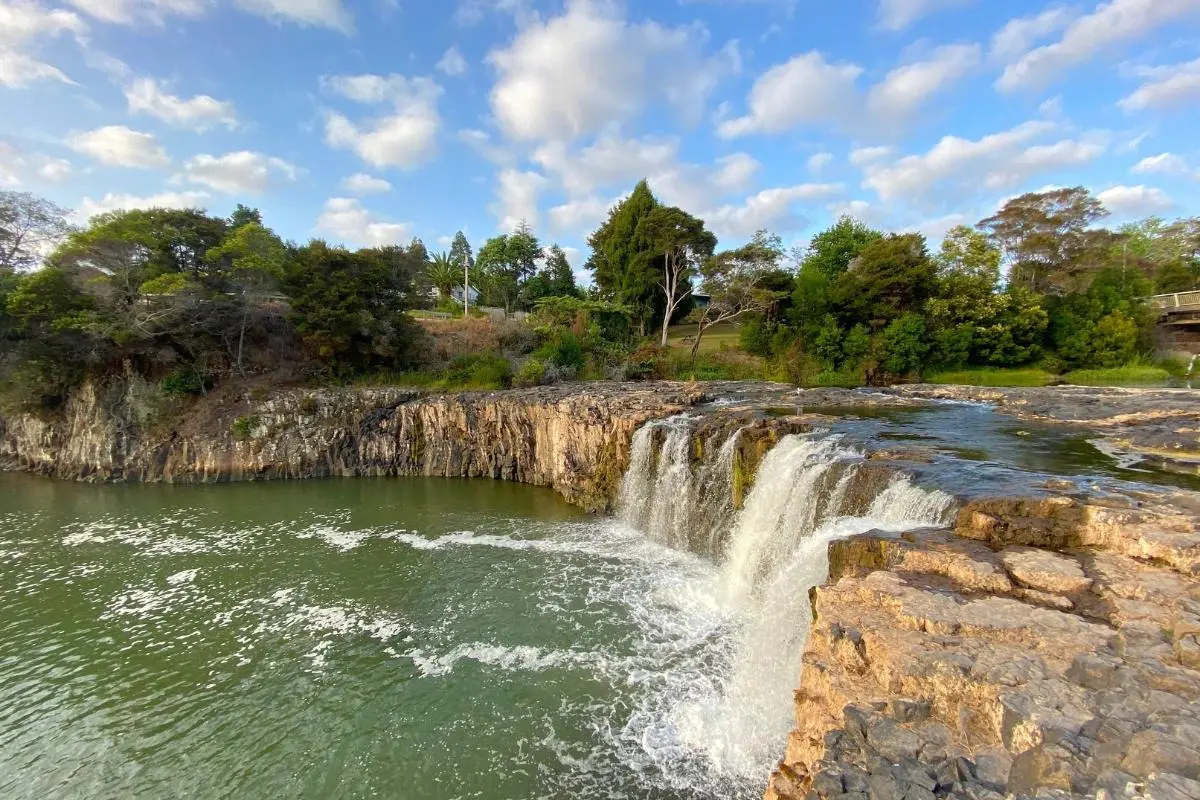
Haruru Falls is a compact, dramatic waterfall set where river meets tidal estuary just outside Paihia—ideal for stacking a short bushwalk with paddling or a scenic drive around the Bay of Islands. Spend a half day combining the falls' lookout and river edge with coastal exploration or a cultural stop at Waitangi; it's a high-reward, low-effort inclusion for most Northland itineraries.
Explore experiences ↓Your guide to places, experiences, and adventures.
THE GOOD STUFF STARTS HERE
Paihia, New Zealand

Paihia, New Zealand

Paihia, New Zealand

Paihia, New Zealand


Paihia, New Zealand


Paihia, New Zealand

Paihia, New Zealand
Paihia, New Zealand
Listed starting prices may vary by option, travel date and group size. Confirm the final total and availability on Viator. Sponsored links: we may earn a commission from qualifying bookings.
STORIES WORTH GOING FOR
GET TO KNOW THE PLACE
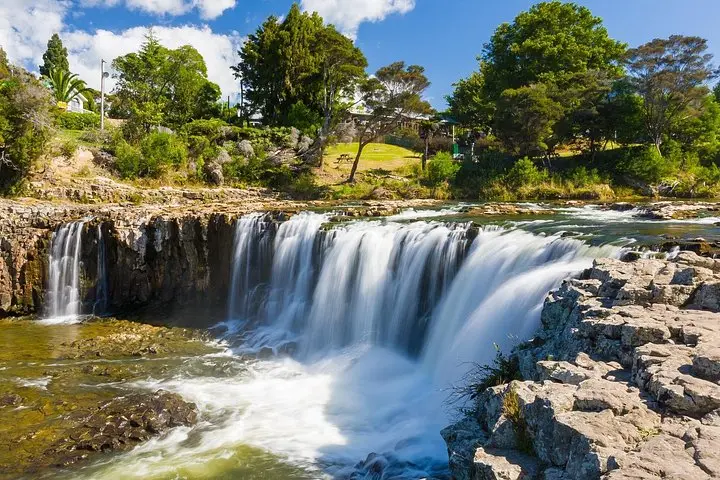
Stepping onto the Haruru Falls viewing platform, the fall's curtain of water announces itself with a steady rumble that nudges you closer. It’s compact but forceful, a neat piece of Northland geology where river, basalt, and tidal floodplain meet—easy to access from Paihia yet feeling like a small wilderness pocket.
The scene at Haruru Falls reads like a chapter in Northland’s layered geology: river water racing over older basalt flows, carving a jagged lip that throws water into a shallow cascade and spills into a tidal estuary. Maori history is woven through the place—local iwi used river corridors for travel and food gathering, and the name Haruru evokes the sound the waters make. Cultural sites and Waitangi Treaty Grounds are minutes away, so you can combine a nature stop with history and context. The falls themselves are modest in scale but dramatic in character; they hold the landscape’s attention and push visitors to pause.
Practically, Haruru Falls is a half-day anchor. The car park and short boardwalk bring you to viewpoints within minutes; the main loop is gentle enough for families and older travelers, while river access gives kayakers and paddleboarders a quiet estuary to explore when tides permit. Add a short coastal drive to capture Bay of Islands viewpoints, or stack a morning at the falls with an afternoon cruise. Water levels and tides change the river approach: after heavy rain the currents strengthen and the falls look more thunderous, but access to the river edge can be muddier—plan footwear accordingly.
When you plan the day, prioritize an early visit for softer light and fewer visitors, or late afternoon for warm tones and quieter car parks. If you want a guided experience, local operators run kayaking and eco-tours that include river navigation and birdwatching—book these in advance in summer. For self-guided travelers, bring a waterproof layer, shoes with traction, and an offline map or phone battery: cell coverage can be patchy in forested sections. Above all, treat the estuary as both scenic and dynamic—the tides decide where you can paddle and how the falls present themselves.
PLAN YOUR VISIT
November, December, January, February, March
Late spring through summer offers the most stable weather for paddling and bushwalks, though short, sharp showers are common year-round; winters are cooler and quieter. River and estuary conditions vary with rainfall and tides.
Peak season runs through the Southern Hemisphere summer; the area is busiest in December–February so book accommodation and guided activities ahead and consider early starts to avoid crowds.
Shoulder months bring fewer visitors and lower prices, and the falls are atmospheric with higher flows after winter rains; expect muddier trails and be cautious on slippery boardwalks and riverbanks.
PACK WITH PURPOSE
FIND YOUR PACE
More committed options that require navigation skills, tides knowledge, or higher fitness.
Accessible activities for casual visitors and families that require little technical skill.
Activities for travelers comfortable on water or uneven terrain with moderate fitness.
BEFORE YOU GO
No, the viewing platform and short loop are accessible for self-guided visitors, but guided paddles or eco-tours add interpretation and handle tides and launch logistics.
Plan 1–3 hours to include a short walk, viewpoints, and optional river access; combine with nearby stops for a half-day or full-day itinerary.
Paddling is common but conditions change with tides and runoff; check tide times and weather, and consider booking a guided tour if you’re unfamiliar with estuarine currents.
Swimming is not generally recommended near the falls due to currents and variable riverbed conditions; stick to designated launch points and ask local operators about safe spots.
Wear traction footwear and quick-dry layers; bring a waterproof shell for spray and showers and sun protection for exposed lookouts.
Pair an early falls visit with a mid-morning Waitangi stop or a boat cruise from Paihia; book cruises and guided paddles in advance during summer.