Toronto, Canada
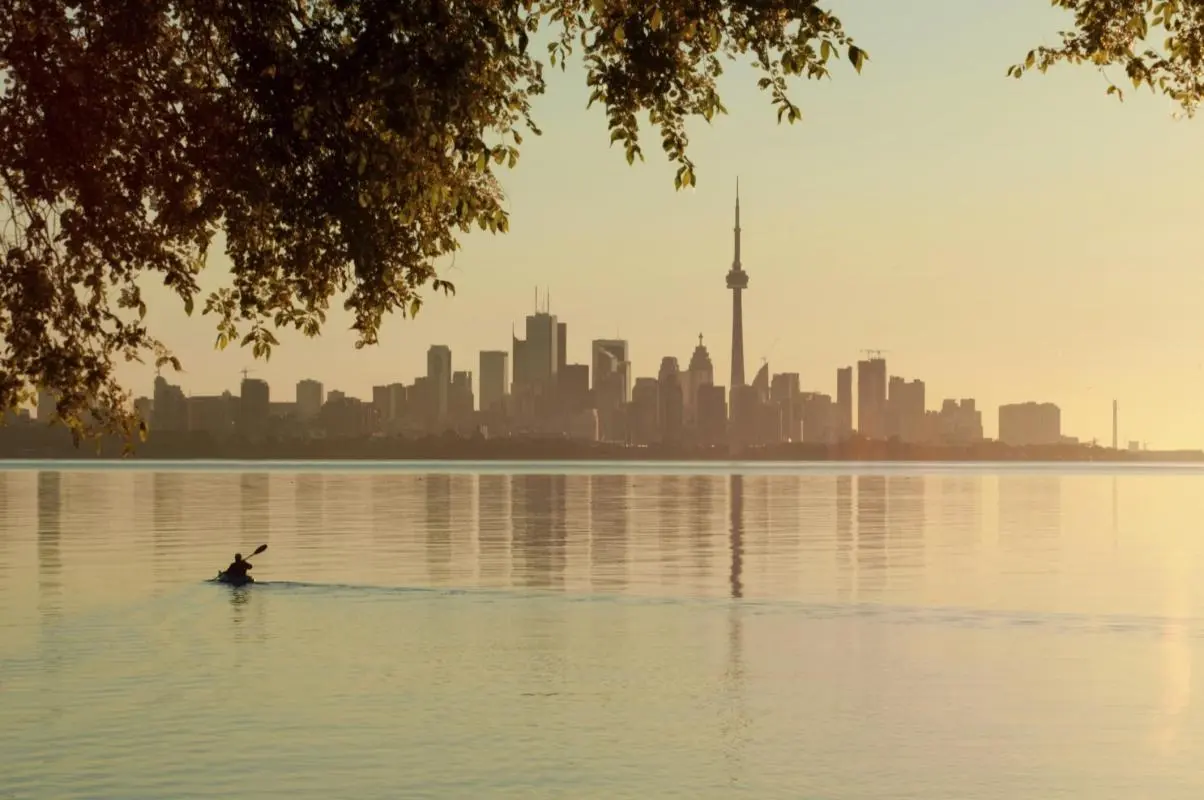
Sunset Canoe Tour of the Toronto Islands — Skyline Paddling at Golden Hour
from $105.96USD
VAYCAI · ATTRACTION GUIDE
Toronto Harbour layers urban energy over Lake Ontario's shore: ferry to car-free islands, paddle through protected coves, and cycle waterfront trails between art galleries and shipping piers. Stack a morning paddle with an afternoon bike ride and a sunset harbour cruise to maximize variety without fighting logistics.
Explore experiences ↓Your guide to places, experiences, and adventures.
THE GOOD STUFF STARTS HERE
Toronto, Canada


Toronto, Canada

Toronto, Canada

Toronto, Canada




Toronto, Canada

Toronto, Canada

Toronto, Canada
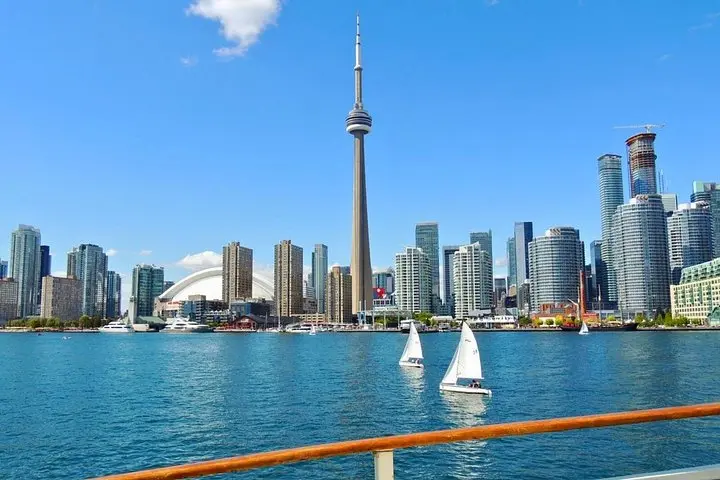
Toronto, Canada

Toronto, Canada

Toronto, Canada

Toronto, Canada


Toronto, Canada

Toronto, Canada

Toronto, Canada

Listed starting prices may vary by option, travel date and group size. Confirm the final total and availability on Viator. Sponsored links: we may earn a commission from qualifying bookings.
STORIES WORTH GOING FOR
GET TO KNOW THE PLACE
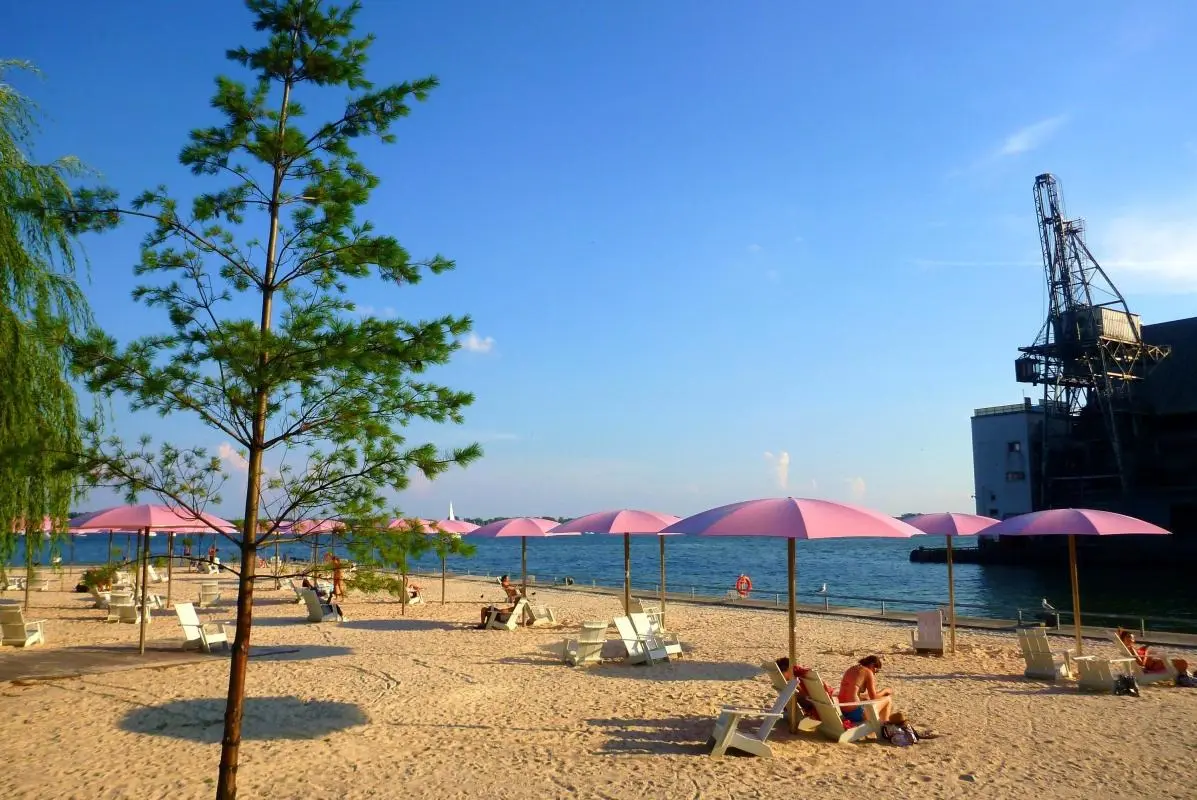
Toronto Harbour compresses multiple landscapes into a half-day or full-day of varied adventure: sheltered paddling lanes, promenade cycling, and island trails that feel miles away from the city. The harbour's mix of industrial piers, restored parks, and small islands invites easy stacking of experiences for travelers who want both urban amenities and active time on the water.
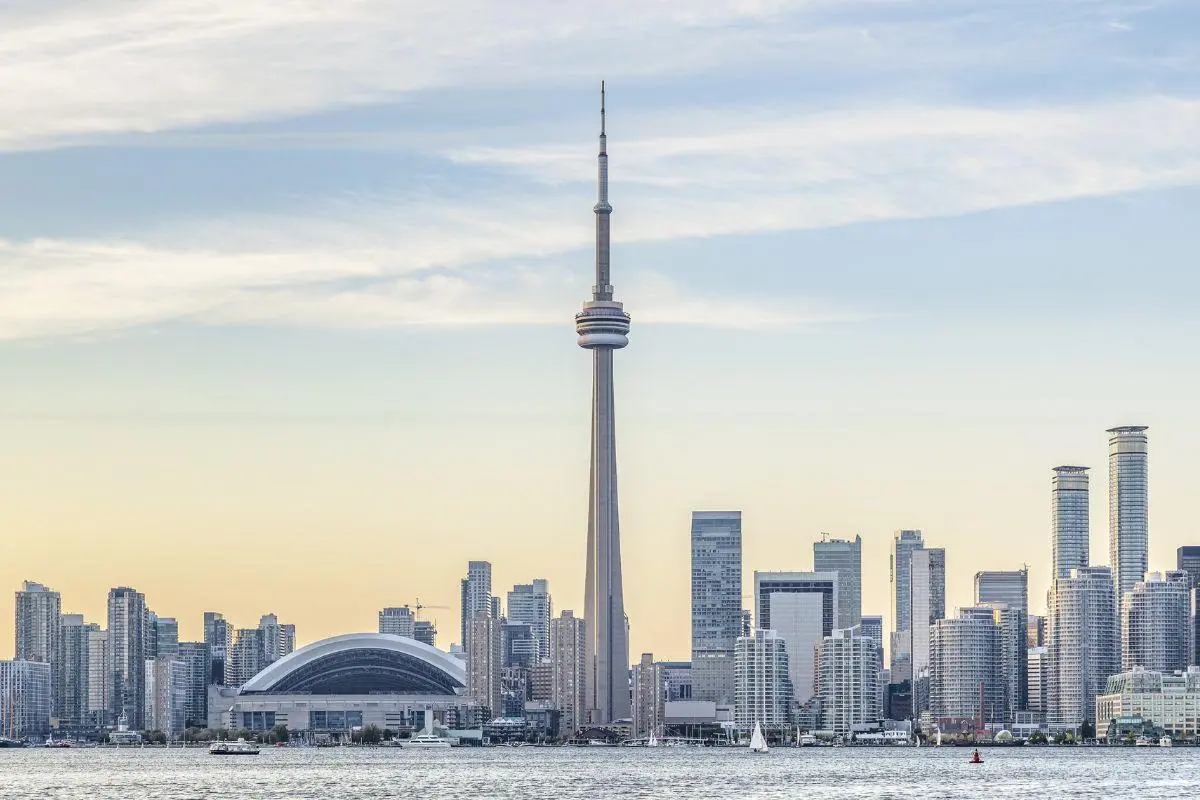
Step off a streetcar and the city gives way to water. The harbour is a post-glacial shoreline shaped by Lake Ontario's long, slow work; sand spits and shallow coves were later patched by human hands into ports and parks. In the morning the water nudges a cool breeze through the slips; by afternoon ferries and freighters assert themselves and the skyline takes on its hard-edged silhouette. This is a place where geology meets industry and both are readable from a kayak or a ferry seat. Bring a sense for layers — natural, built, and recreational — and you'll understand why local routes often begin with a dock and end at a café.
History and culture are folded into the shoreline: Indigenous waterways, nineteenth-century shipping, twentieth-century reclamation, and a twenty-first-century focus on public access. Locals move between markets, galleries, and waterfront parks by bike and foot, so planning a visit is often about timing: morning paddles before the tour boats, lunchtime on the Islands, then a late-afternoon bike loop. Access is straightforward from downtown transit hubs and multiple ferry slips, and gear rentals are plentiful near Harbourfront. If you want solitude, push your start time early or cross to quieter islands; if you prefer social energy, plan late afternoons when the promenades fill.
Practical edges matter: wind can build quickly on Lake Ontario, so check weather and ferry schedules before leaving the shore. Water levels and currents vary seasonally, and some areas have restricted access for wildlife protection or port operations — respect signage and local boating rules. Most visitors successfully stack short experiences: a guided harbor paddle, a picnic on an island, and a rented city bike for the waterfront trail. That flexibility — mix-and-match adventures within walking distance of downtown lodging — is what makes Toronto Harbour a compact, high-value outdoor destination.
Get to know the place
PLAN YOUR VISIT
May, June, July, August, September
Late spring through early fall delivers the most comfortable conditions for paddling and cycling; summer brings warm days and occasional thunderstorms, while winters are cold and limit most water-based activities.
The busiest period is June through August when ferries, rentals, and waterfront paths fill; book rentals and guided experiences in advance and plan early starts to avoid congestion.
Shoulder seasons offer lower crowds, lower rates, and clear light for photography; be mindful of muddy park trails and cooler water temperatures when paddling.
PACK WITH PURPOSE
FIND YOUR PACE
Advanced adventures involve longer distances, stronger winds, and route-finding around commercial traffic.
Beginner activities are low-impact and close to shore with minimal technical skills required.
Intermediate options introduce longer crossings, mixed-surface cycling, and navigational decisions.
BEFORE YOU GO
No — sheltered coves are suitable for self-guided paddlers, but a guide is recommended if you’re unfamiliar with local currents, wakes from ferries, or want historical context.
Plan a half-day for a single activity or a full day to stack a morning paddle, island time, and an afternoon bike loop with breaks.
Yes — several streetcar and subway stops are within walking distance of Harbourfront and ferry slips, making it easy to reach without a car.
Winds and wakes can create choppy conditions; check forecasts, avoid exposed areas on windy days, and obey marine traffic lanes.
Policies vary by ferry operator and season; check the specific ferry rules before arrival and consider arriving early to secure space.
Pivot to waterfront cycling, museum visits, or a harbour cruise; have a waterproof layer and flexible bookings where possible.