
VAYCAI · ATTRACTION GUIDE
Playa Delfines Visitor Guide
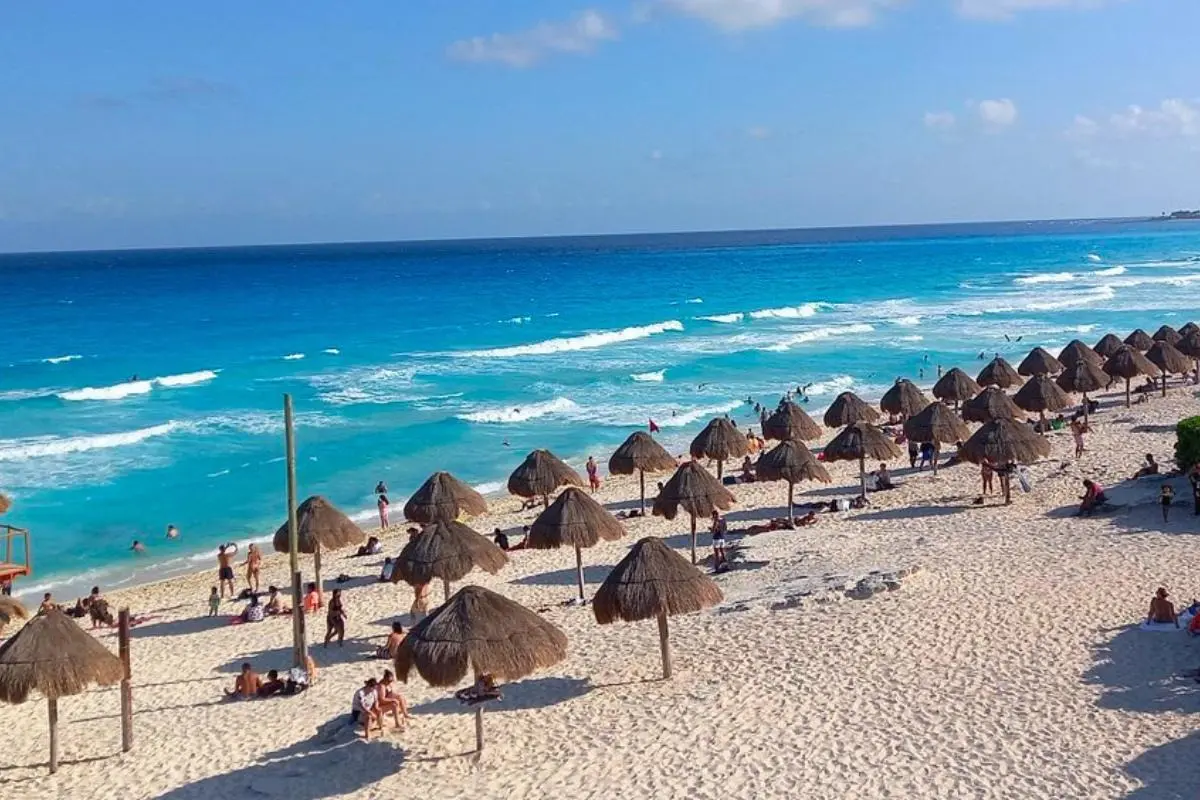
Playa Delfines is a wide, public stretch of sand in Cancun's Hotel Zone that stacks quick seaside thrills with easy access to coastal walks and nearby water adventures. Plan a sunrise visit for calmer surf, combine a beach stop with a lagoon paddle or ferry to Isla Mujeres, and treat it as a scenic launch point rather than a full-day resort beach.
Explore experiences ↓Your guide to places, experiences, and adventures.
THE GOOD STUFF STARTS HERE
Experiences around Playa Delfines

Cancun, Mexico
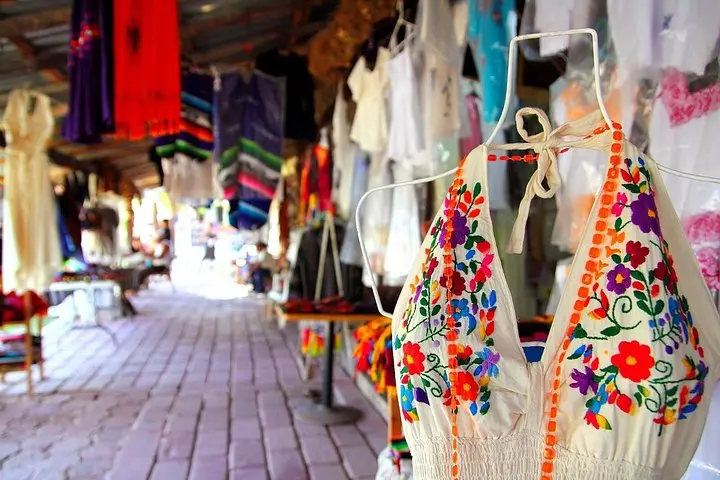
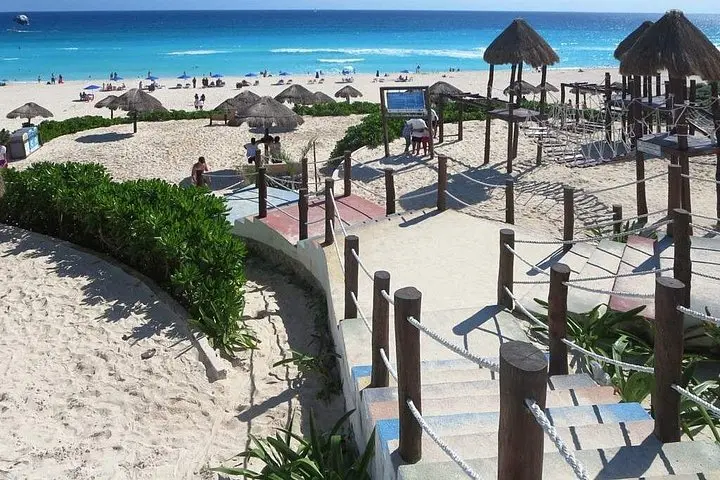
Cancun City Tour: El Meco Ruins, Mercado 28 & Playa Delfines — Private Cultural Experience
See current price

Cancun, Mexico
Cancun City Experience: El Meco, Plaza 28, Tequila & Playa Delfines Tour
from $77.00USD



Cancun, Mexico
Cancun Cultural City Tour: El Meco, Mercado 28 & Playa Delfines (Private Transfer)
from $108.00USD

Cancún, Mexico
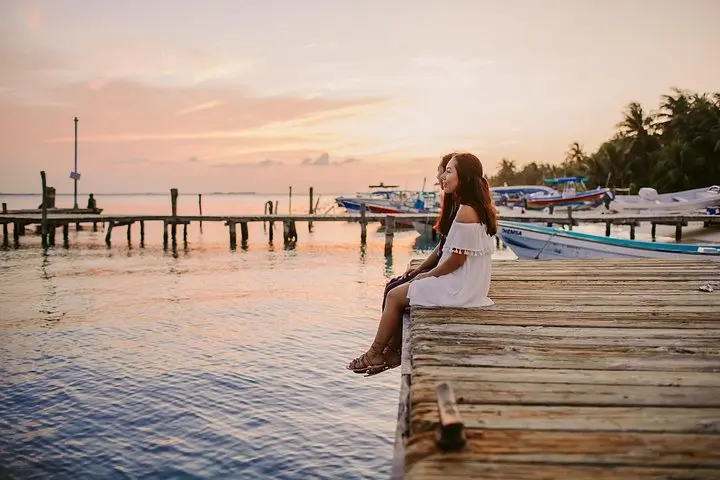
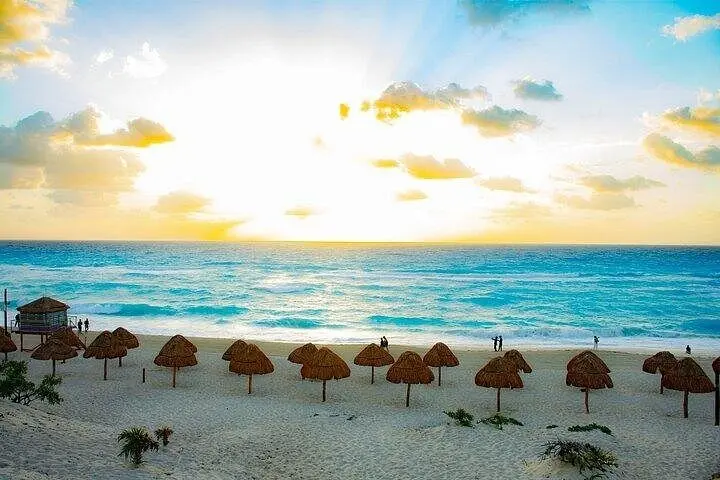
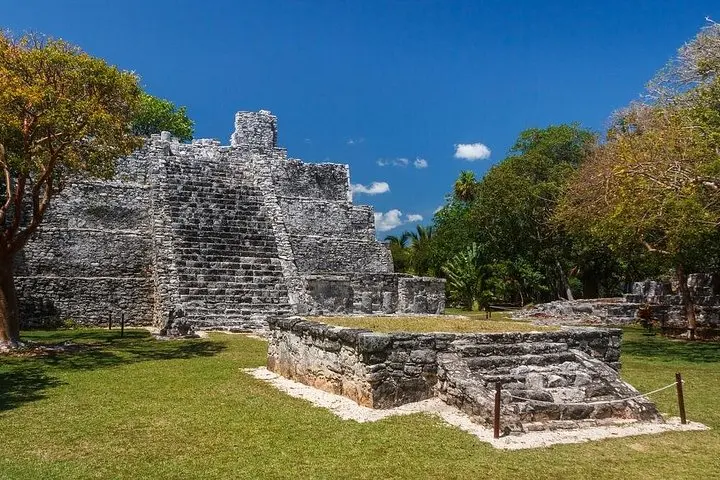
Cancún Sunset Private Ride: Ocean Views, Mirador & Puerto Cancún Photo Tour
from $128.36USD


Cancún, Mexico
Cancun Shopping & Food Private Urban Tour: Mercado 28, Tequila & Playa Delfines
from $95.00USD

Cancún, Mexico
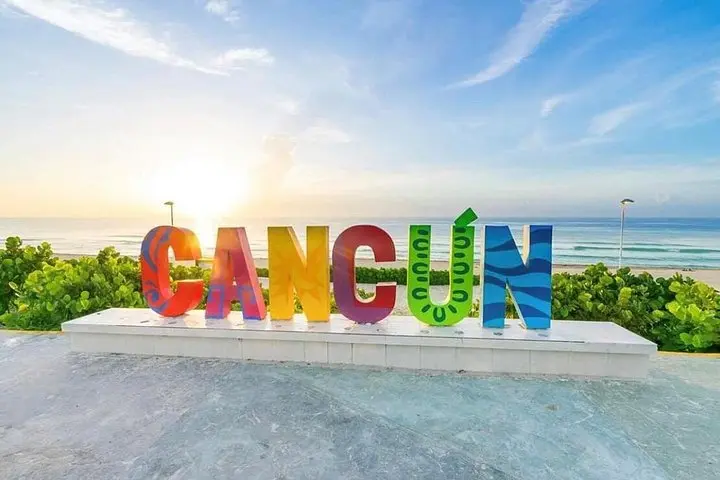
Private Cancun Food and Shopping Tour: Local Tequila, Mercado 28 & Playa Delfines
from $580.00USD



Cancún, Mexico
Guided Shopping Day Tour in Cancún — Mercado 28, La Isla & Playa Delfines
from $99.00USD


Listed starting prices may vary by option, travel date and group size. Confirm the final total and availability on Viator. Sponsored links: we may earn a commission from qualifying bookings.
STORIES WORTH GOING FOR
Stories from Cancun
GET TO KNOW THE PLACE
Why Playa Delfines Deserves a Stop
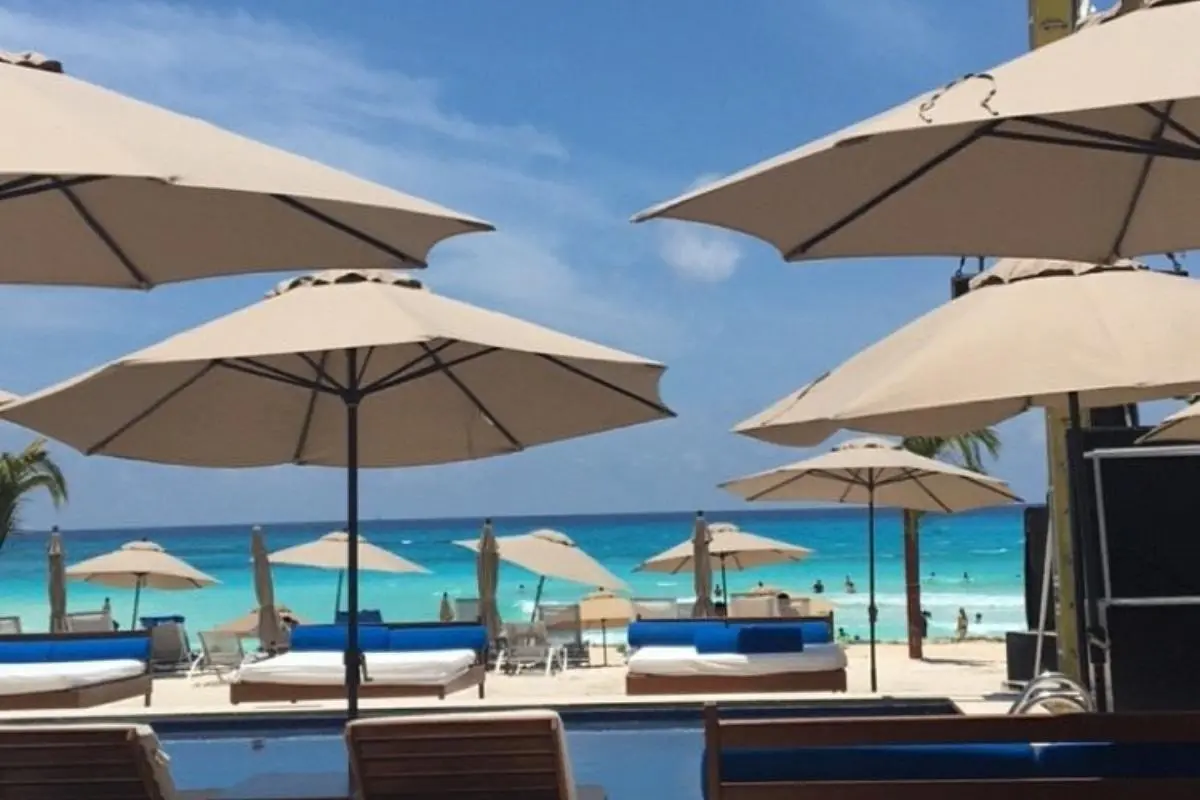
Stand on the mirador at Playa Delfines and the Caribbean opens like a wide, moving map: turquoise flats, a low line of breakers, and the distant curve of Isla Mujeres. The beach is a public lookout more than a private resort lawn—it’s where the sea reminds you it has a say in the day, and where quick shore-side adventures stack easily with longer waterborne trips.
Playa Delfines sits at the eastern edge of Cancun’s Hotel Zone, a ribbon of development backed by the calm lagoon of Nichupté and fronted by the Mesoamerican Barrier Reef offshore. Geologically the coast is built on coastal limestone and sand derived from coral and shells, which gives the beach its bright, durable sand and the reef its close, accessible drop-offs. Historically the stretch has always been a crossroads: a working coastline where local fishers, day-trippers, and resort guests meet. The mirador—an open viewpoint—makes it one of the best public photo stops in Cancun; on clear days you can see Isla Mujeres across the channel as ferries trace the water.
Culturally, the beach is pragmatic rather than polished: vendors rotate through at peak times, families use the shallow edges when conditions permit, and photographers stake out the early hours. The sea here is lively; trade winds push and the surf announces itself. That makes Playa Delfines a good staging area for other local adventures. Arrange a snorkeling or diving boat to reach reef snorkel sites beyond the breakers, or cross to Laguna Nichupté for calmer paddling and bird-watching. Practical planning matters: check local flags and conditions before entering the water, plan beach time for morning or late afternoon to avoid midday heat, and expect public parking space and short walks from the boulevard.
When you prioritize, think of Playa Delfines as a connector: an early-morning beach and viewpoint, a convenient drop-in spot before a reef excursion, or a late-afternoon stop to watch surf and sunset. If you’re stacking experiences, book reef trips and Isla Mujeres ferries in advance during winter peak season, carry reef-safe sunscreen, and consider a dry bag for gear. The coastline here nudges you into activity—sometimes a calm paddle, sometimes a surf session—and it rewards travelers who pair its open, public access with smart logistics and respect for local conditions.
Get to know the place
Attractions worth a closer look.

PLAN YOUR VISIT
When to go.
Best months
November, December, January, February, March, April
Weather
November through April is drier with more predictable sunny mornings and cooler evenings; summer months warm up with higher humidity and afternoon thunderstorms and the Atlantic hurricane season runs from June through November. Trade winds often pick up in winter, shaping surf and kitesurf conditions.
Peak season
The busiest period runs from mid-December through Easter and national holidays, so book accommodations, reef trips, and ferries well in advance and plan early starts to avoid crowds.
Beyond the peak
Visiting in late spring or fall lowers costs and crowds and makes it easier to secure same‑day activity bookings, but be prepared for more variable weather, higher chance of rain, and occasional service reductions.
PACK WITH PURPOSE
What to bring.
optional
- Binoculars for bird and boat watching
- Portable picnic kit
- Inflatable swim ring or float
- Beach towel or travel towel
essential
- Reef‑safe sunscreen
- Plenty of water and a refillable bottle
- Hat and UV-protective clothing
- Sturdy sandals or reef shoes
- Personal ID and some cash for vendors
- Phone with offline map or downloaded directions
- Light dry bag for valuables
recommended
- Compact shade or beach umbrella
- Mask and snorkel for shore exploration
- Light wind shell for breezy mornings
- Waterproof phone case or action camera
- Small first‑aid kit and blister care
FIND YOUR PACE
Choose your kind of adventure.
advanced
Advanced visitors seek stronger conditions and longer outings: surf sessions, offshore dives, or kitesurfing in windier seasons.
- Surfing off the break when conditions permit
- Certified scuba diving to reef drop‑offs
- Kitesurfing lessons and advanced sessions in high wind
beginner
Beginner travelers can enjoy calm shore views, short walks, and supervised wading when conditions allow.
- Sunrise visit and mirador photos
- Shallow water play at guarded sections
- Short coastal walk along the Hotel Zone
intermediate
Intermediate adventurers can combine beach time with guided snorkeling, lagoon paddles, or light coastal exploration.
- Guided snorkel trip to nearby reef sites
- Kayak or SUP in Laguna Nichupté
- Coastal photography and bird watching
BEFORE YOU GO
Your questions, answered.
Is Playa Delfines safe for swimming?
Conditions change daily; swim only when the beach flag indicates it is safe and follow lifeguard or local guidance. Currents can be strong near the breakers.
How do I get to Playa Delfines from downtown Cancun or the airport?
The Hotel Zone is a short drive from downtown Cancun and the airport; local buses and taxis are frequent along the main boulevard, and many hotels offer transfers.
Can I snorkel at Playa Delfines or do I need to join a boat trip?
Shore snorkeling is limited by surf and visibility; for the best reef snorkeling you’ll typically join a boat trip which departs from nearby marinas.
How much time should I budget for a visit?
A quick stop for the mirador and photos can take 30–60 minutes; plan half a day if pairing beach time with a nearby tour or a paddle in Laguna Nichupté.
Are there accessibility options for visitors with mobility challenges?
Public access points include ramps and walkways in parts of the Hotel Zone, but sand and beach access can be uneven; check locally for the most accessible entry points.
Should I hire a guide or go self-guided?
A guide is useful for reef trips, paddles, and when conditions are uncertain; self-guided visits work well for the mirador and short beach stops if you monitor conditions and local signage.