Broome, Australia
Fly the Falls: Broome Scenic Flight Over Horizontal Falls & Cygnet Bay
from $584.80USD
VAYCAI · ATTRACTION GUIDE
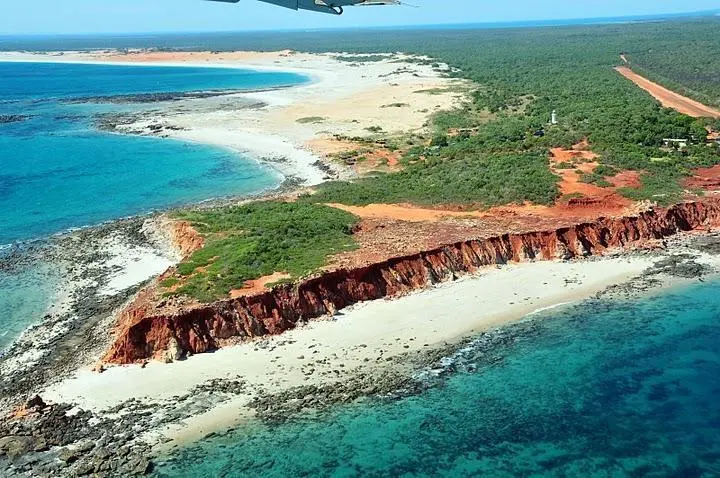
Cape Leveque is where ochre cliffs drop to wild Indian Ocean bays and salt-laced winds shape the days. Stack red-cliff viewpoints, snorkeling and fishing off quiet beaches, and short 4WD scenic runs to create a three-day adventure loop from Broome—ideal for photographers, paddlers, and anyone who wants remote coastal time without deep backcountry planning.
Explore experiences ↓Your guide to places, experiences, and adventures.
THE GOOD STUFF STARTS HERE
Broome, Australia
Broome, Australia

Broome, Australia
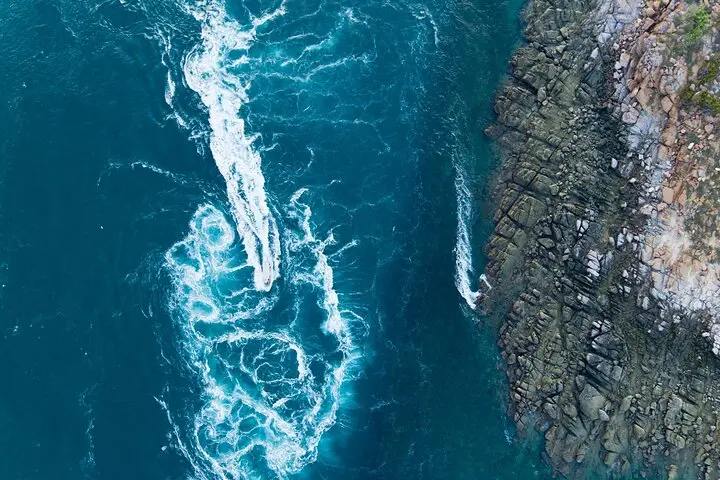
Broome, Australia
Listed starting prices may vary by option, travel date and group size. Confirm the final total and availability on Viator. Sponsored links: we may earn a commission from qualifying bookings.
STORIES WORTH GOING FOR
GET TO KNOW THE PLACE
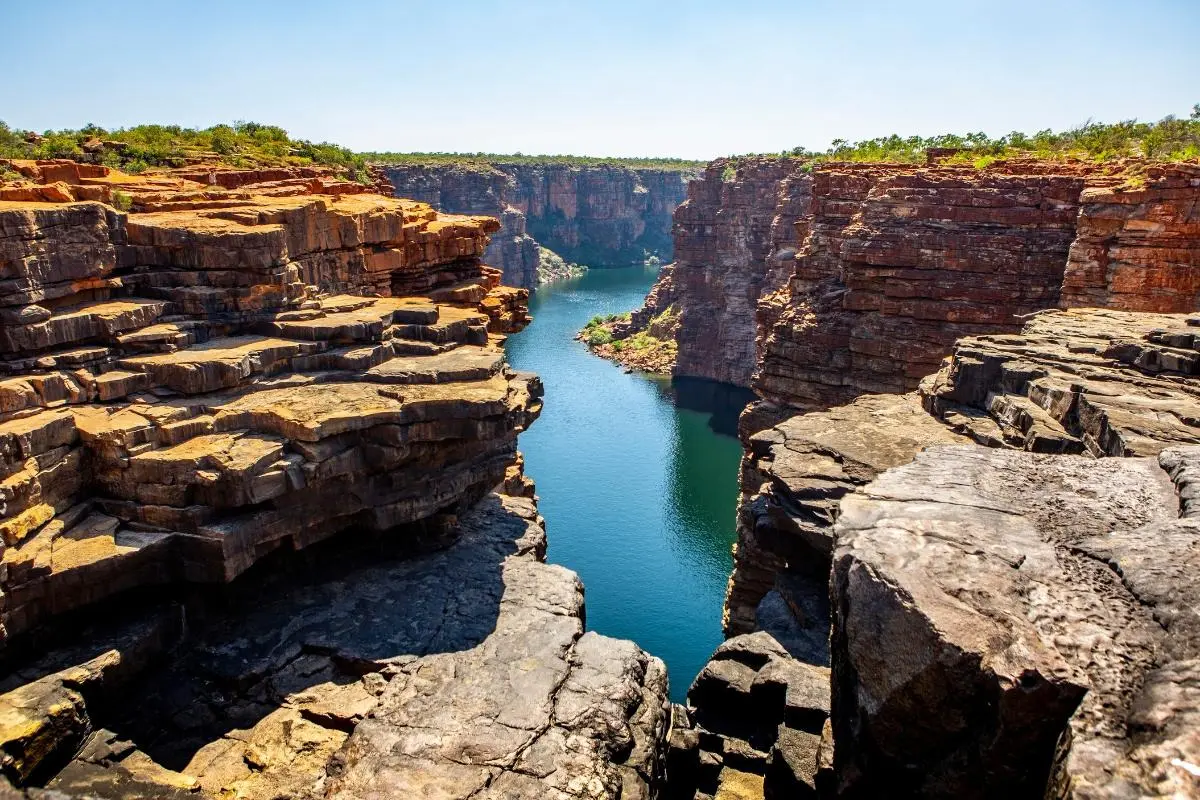
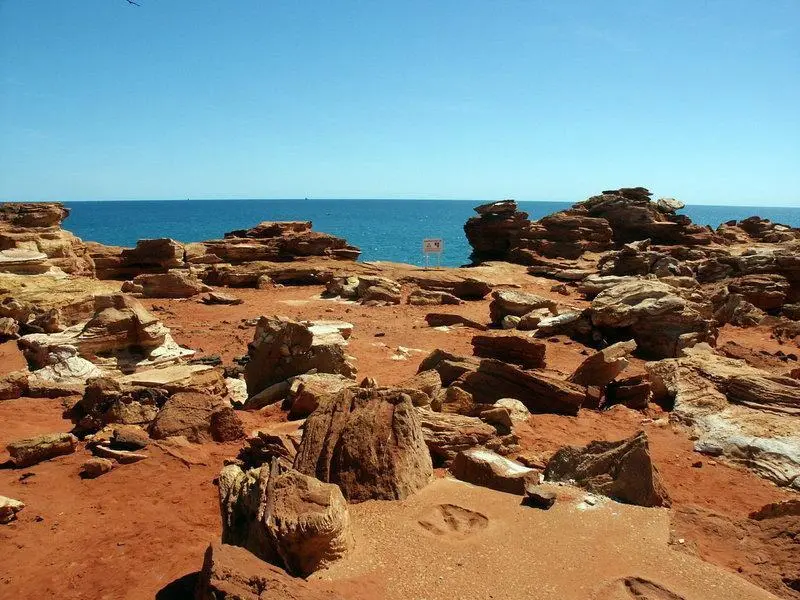
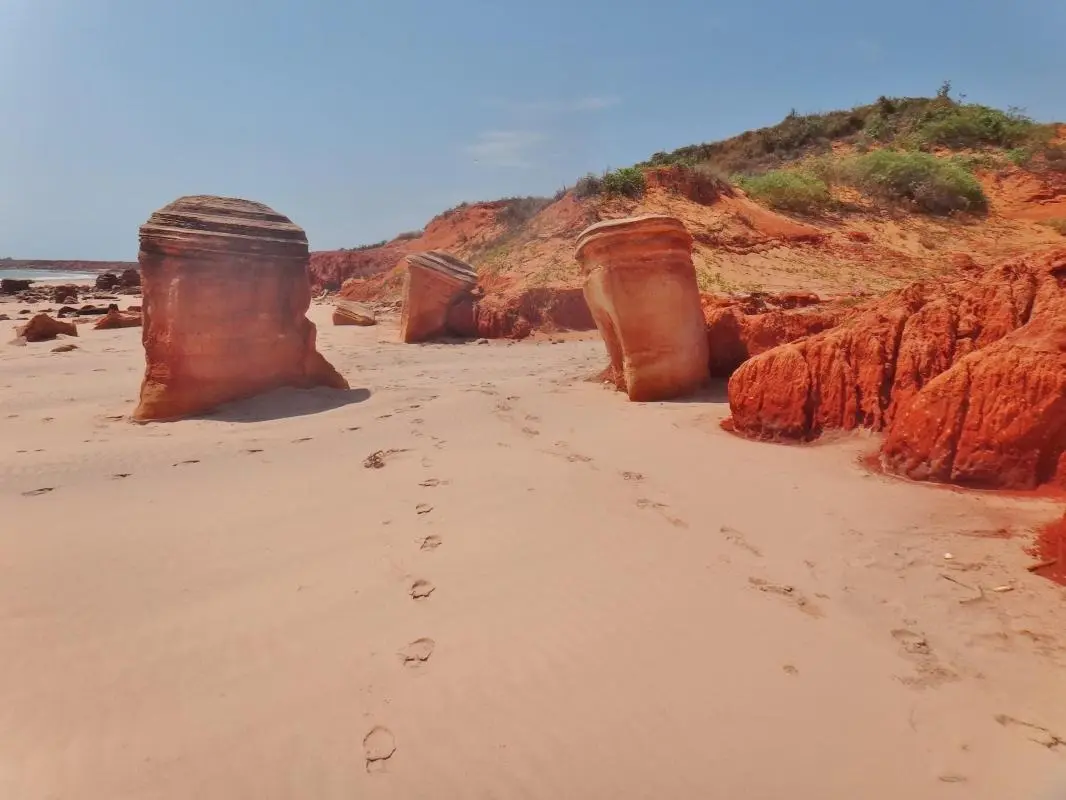
A drive north from Broome deposits you onto a shoreline that moves at its own pace: tides nudge mangroves, red cliffs hold the skyline, and the ocean pushes bright color into sheltered bays. Cape Leveque pairs uncomplicated access with a sense of remoteness, so visitors can mix beach time with short exploratory hikes, snorkeling, and local cultural experiences on a compact itinerary.
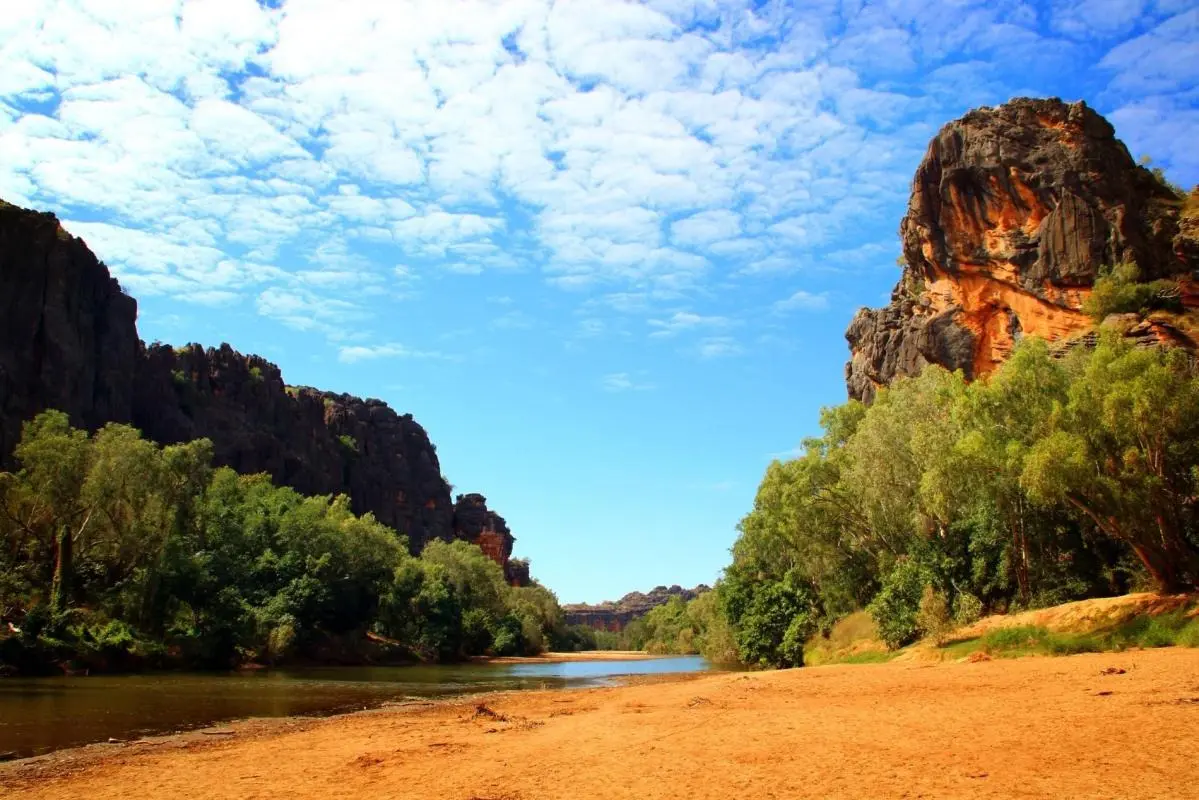
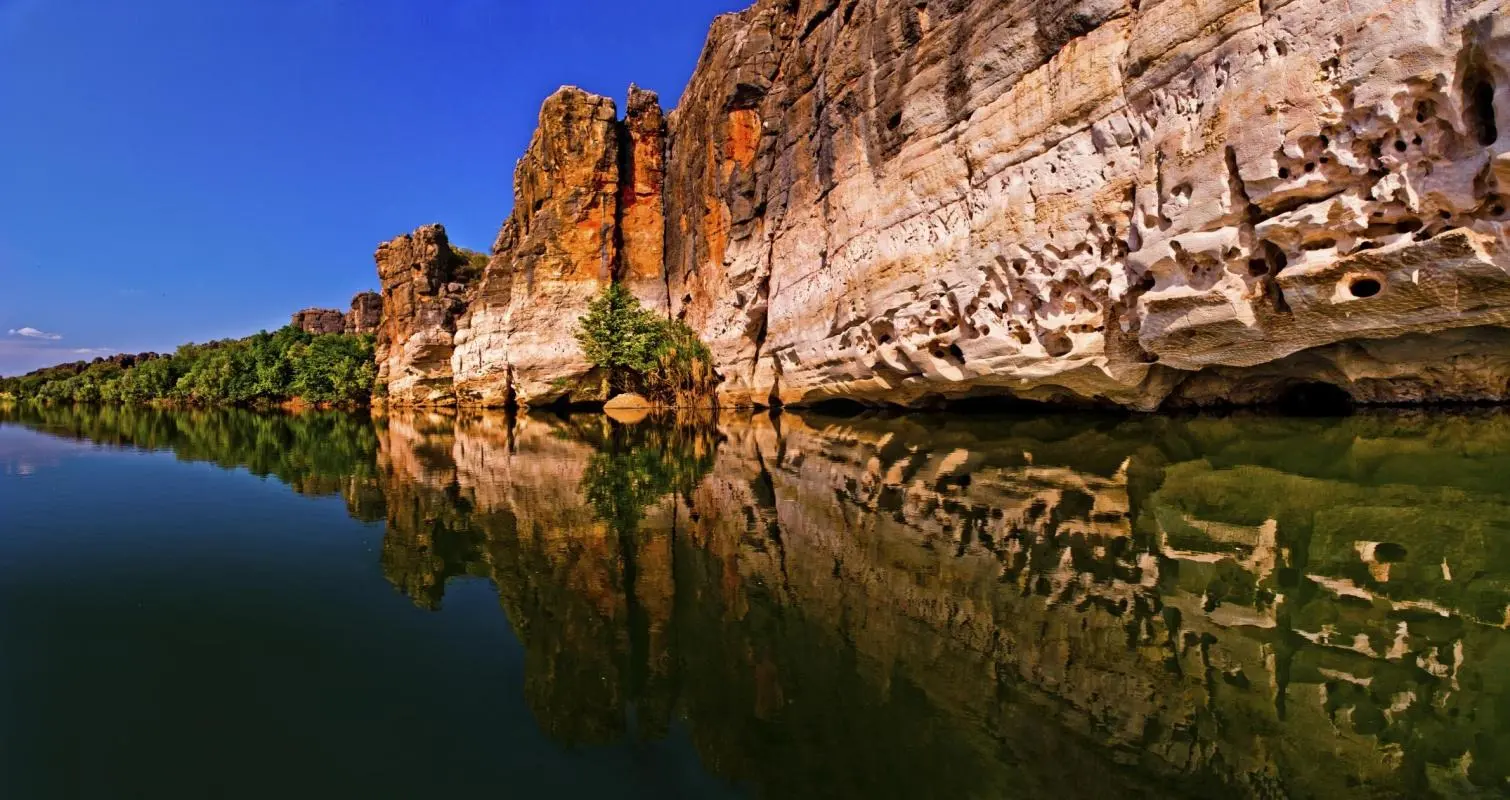
Cape Leveque sits on the Dampier Peninsula where ancient red pindan soil and sandstone cliffs meet the Indian Ocean. The geology reads like a layered story—iron-rich soils stain dunes and cliffs, then give way to pale sand flats and tidal channels. The area is part of a larger Kimberley landscape shaped by wet-dry seasonality; summer brings heavy rains and swollen creeks while the dry winter months open roads and reveal the full range of coastal life. Indigenous communities maintain a strong cultural presence here; art, seasonal hunting, and guided cultural walks are part of the local rhythm and best approached with respect and a willingness to listen.
Getting there is straightforward from Broome but it’s a different kind of travel: surf, sand and a 4WD attitude. The main strand involves short stretches of unsealed road that can be soft after rain, so verify access and tide windows before you go. Activities stack easily—snorkel in morning glass, fish or kayak midday, then climb a headland for sunset—so plan around tides and heat. Accommodations range from camps and caravan parks to small eco-lodges and community-run sites; booking ahead in the dry season avoids frustrating surprises. Practical gear choices and a conservative driving plan make all the difference: a little prep equals a lot more time enjoying the coast.
Prioritize time by mixing action with slowdown: two nights gives you enough flexibility to experience snorkeling, a headland walk, and an evening of stargazing without rushing. If you have more days, add a guided cultural visit and a longer coastal paddle when tides are favorable. The landscape is generous but reactive—the ocean and wind set the tempo—so treat plans as suggestions, check local advice, and leave room to respond to weather and tide shifts. That approach turns a trip to Cape Leveque into a deliberate coastal rhythm rather than a tightly scheduled checklist.
Get to know the place
PLAN YOUR VISIT
May, June, July, August, September
Cape Leveque has a tropical wet-dry climate: dry season months are sunny and stable, while summer brings monsoonal rains, high humidity, and occasional cyclonic weather that can close roads.
The busiest period is the dry winter months (June–August); book accommodations and guided activities well in advance and start daytime excursions early to avoid heat and crowds.
Visiting in shoulder months can mean fewer people and lower rates, but expect variable road conditions, muddy access, and limited guided services—plan flexible routes and check local advisories.
PACK WITH PURPOSE
FIND YOUR PACE
Advanced adventurers will find challenging beach driving, longer coastal paddles, and remote multi-day outings that require planning and backcountry skills.
Beginner travelers can enjoy easy beach strolls, sheltered snorkeling in calm conditions, and short guided cultural walks with minimal technical skill.
Intermediate visitors can combine paddling, moderate overland driving on sandy tracks, and half-day fishing or kayak excursions.
BEFORE YOU GO
A 4WD is recommended for sections of unsealed road and soft sand; some operators offer transfers if you prefer not to drive yourself. Verify conditions after rain.
Yes; community-run tours and cultural experiences are offered but availability varies—book ahead and approach respectfully, following local guidance.
A flexible two- to three-night stay gives time for snorkeling, a headland viewpoint at sunset, and a guided cultural visit; day trips from Broome work if you have limited time.
Snorkeling is best in the dry season when seas are calmer; always check local conditions, tide windows, and follow guide advice about currents and marine life.
Tides dramatically affect intertidal access and snorkeling spots; plan around low and high tide windows, and allow extra time for sensible transit on exposed beaches.
Broome has medical services; Cape Leveque sites are remote so carry a basic first-aid kit and plan for longer response times in emergencies.