
VAYCAI · ATTRACTION GUIDE
Elephantine Island Visitor Guide
Elephantine Island stacks slow-water adventure with archaeological discovery: short walks between temples and a nilometer, felucca sails around the island, and easy birdwatching in the adjacent gardens. Pair a morning stroll among ruins with an afternoon garden visit and an evening market stop in Aswan for a compact, culture-forward day.
Explore experiences ↓Your guide to places, experiences, and adventures.
THE GOOD STUFF STARTS HERE
Experiences around Elephantine Island







Aswan, Egypt
Philae Temple Express: 2-Hour Aswan Island Tour to Philae & Elephantine
See current price



Listed starting prices may vary by option, travel date and group size. Confirm the final total and availability on Viator. Sponsored links: we may earn a commission from qualifying bookings.
STORIES WORTH GOING FOR
Stories from Aswan
GET TO KNOW THE PLACE
Why Elephantine Island
Step off the Aswan Corniche and onto an island that has held a Nile harbor, temples, and a community for millennia. Elephantine is compact, tactile, and easy to fold into any Upper Egypt itinerary — good for half-day explorers or travelers layering cultural stops with gentle river activity.
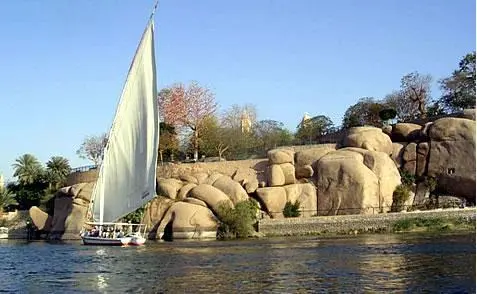
The island reads like a pocket history of the Nile. Weathered granite blocks and temple foundations mark Elephantine's role as an ancient border post and religious center where the river's moods shaped daily life. The geology is straightforward — hard granite bedrock rising through the floodplain — and that rock was quarried and worked here for centuries. Walking between the temple remains, you feel the Nile nudging the island’s edge and the heat holding midday light in place. For photographers and history-minded travelers the island rewards unhurried observation: inscriptions, ruins, and the occasional boatyard detail.
Practicalities are refreshingly simple. Boats depart frequently from the Aswan Corniche; a five- to ten-minute ride places you on shaded lanes and riverside viewpoints. Plan your visit around light and crowds: mornings and late afternoons are best for cooler air and softer light, while mid-day invites a shaded garden stop on Kitchener’s Island or a market break in town. If you want depth, arrange a guided archaeology tour or a combined trip that includes the nearby granite quarries and Nubian village for context. The island’s scale makes it ideal for stacking — temple walk, garden stroll, felucca glide, and a market detour — without committing to a full-day outing.
Culture here is present-tense: local vendors, small cafés, and Nubian families who live and work along the river keep the island from feeling like a museum. Language is straightforward — Arabic and some English — and interactions are warm when approached respectfully. Because the island sits in the Nile’s pulse, water levels and ferry schedules can vary with seasons and maintenance; verify crossings and set flexible arrival times. For planners, Elephantine is low-friction adventure: minimal hiking, maximum context, and easy connections to Aswan’s broader activities.
Get to know the place
Attractions worth a closer look.
PLAN YOUR VISIT
When to go.
Best months
October, November, December, January, February, March
Weather
Winters are mild and ideal for walking and sailing; spring warms up quickly and summer brings high heat that limits midday activity. Short boat trips are typically calm outside of rare windy periods.
Peak season
The busiest period runs through the cool months (December–February); plan to book guided experiences and nearby lodging in advance and start activities early to avoid crowds and midday sun.
Beyond the peak
Late spring and summer offer quieter visits and potential value on accommodations, but expect high temperatures; prioritize early-morning felucca rides and shaded garden stops and be prepared to alter plans during the hottest hours.
PACK WITH PURPOSE
What to bring.
optional
- Binoculars for birdwatching
- Action camera or travel camera
- Picnic kit
essential
- Sun protection (wide-brim hat, sunscreen)
- Plenty of water and a reusable bottle
- Sturdy traction footwear for uneven stone
- Passport and small local-currency cash
- Offline map or a downloaded route on your phone
recommended
- Light rain shell or wind layer
- Headlamp or small flashlight
- Dry bag for electronics during boat rides
- Light daypack
FIND YOUR PACE
Choose your kind of adventure.
advanced
Longer, more involved days that combine island time with regional exploration and independent navigation of river logistics.
- Self-organized multi-stop river day including Elephantine, nearby islands, and quarries
- Early-morning long-distance paddling or extended felucca navigation on the Nile
- Research-focused or specialist-guided study of inscriptions and granite quarry sites
beginner
Low-effort cultural exploration suitable for most travelers looking for short walks and easy boat rides.
- Self-guided walk among temple ruins and the nilometer
- Short felucca ride around the island at sunset
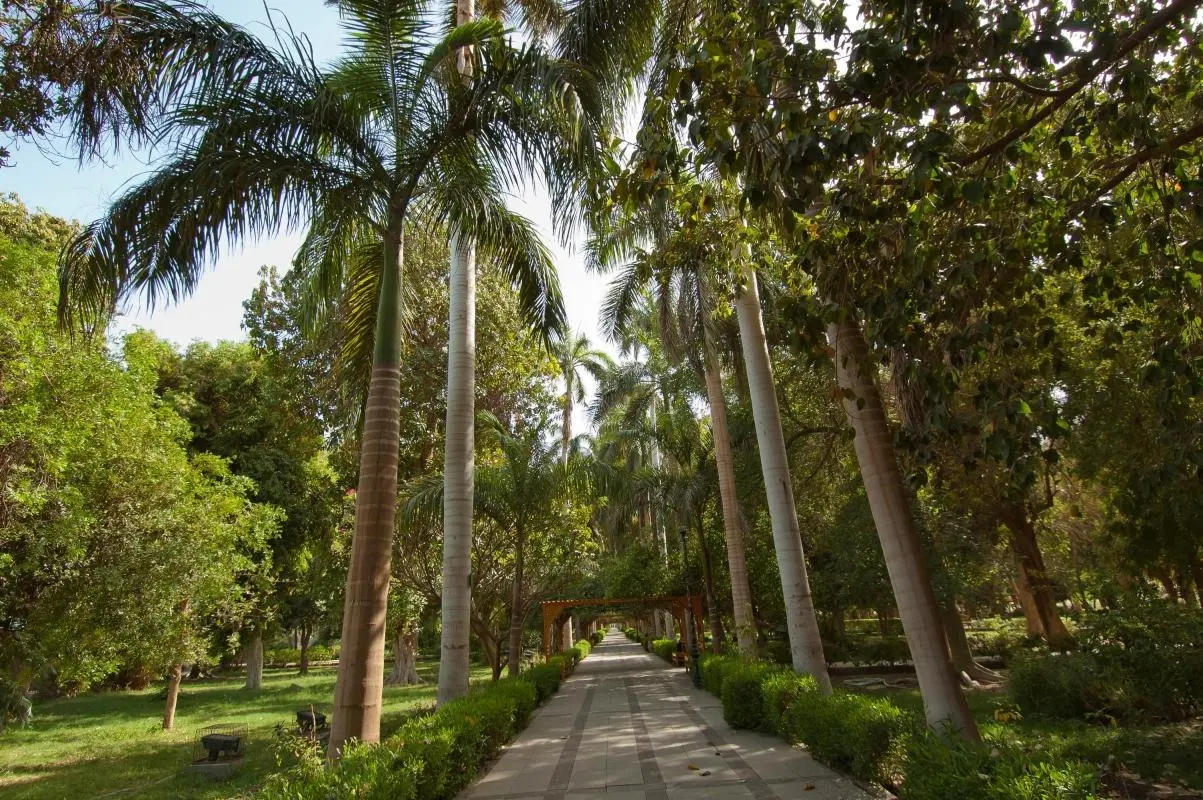
- Relaxed stroll through Kitchener’s Island botanical garden
intermediate
A step up with guided history, extended birdwatching, and cultural exchanges with Nubian communities.
- Guided archaeological tour with a local Egyptologist
- Morning birdwatching session on Kitchener’s Island and riverbanks
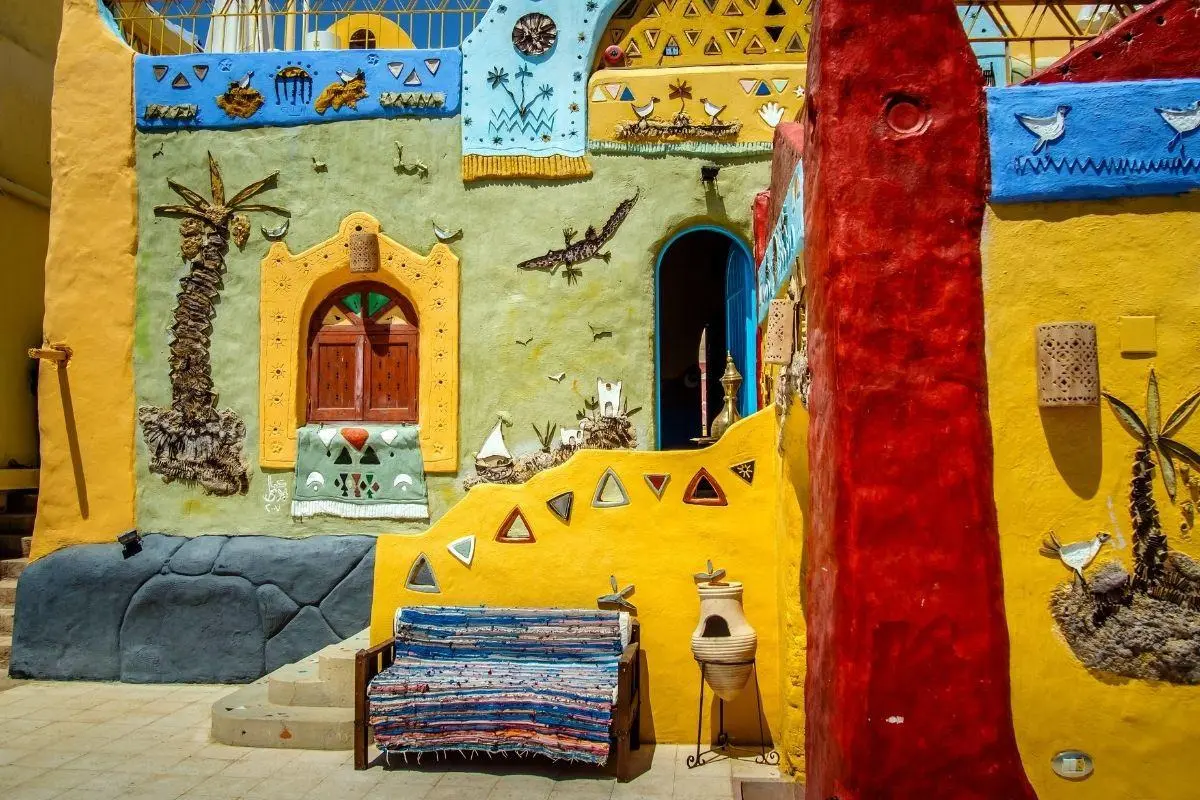
- Cultural visit to a nearby Nubian village with a local guide
BEFORE YOU GO
Your questions, answered.
Do I need a guide to visit Elephantine Island?
No, the island can be explored independently, but a local guide adds archaeological context and helps navigate local customs and connections to nearby sites.
How long should I plan to spend on the island?
Most visitors spend two to four hours to see the main ruins, visit Kitchener’s Island gardens, and take a short felucca ride; you can easily stack three or four activities in a half-day.
How do I get to Elephantine Island from central Aswan?
Local boats and small ferries depart from the Aswan Corniche; crossings are short and frequent but check schedules and negotiate fares locally or book through an agent for certainty.
Is Elephantine Island family friendly?
Yes — the walking is short and mostly flat, with shaded rest spots; families should watch children near river edges and uneven stone.
Are there food and restroom facilities on the island?
Basic cafés and vendors operate on and near the island, but facilities are modest; carry water and small change, and plan for limited restroom availability.
What should I do if weather or Nile conditions change my plans?
Be flexible: move activities to morning or late afternoon, substitute a market or museum visit, or reschedule a boat trip; your agent can help rearrange logistics quickly.