
VAYCAI · ATTRACTION GUIDE
Cacimbinhas Beach Visitor Guide
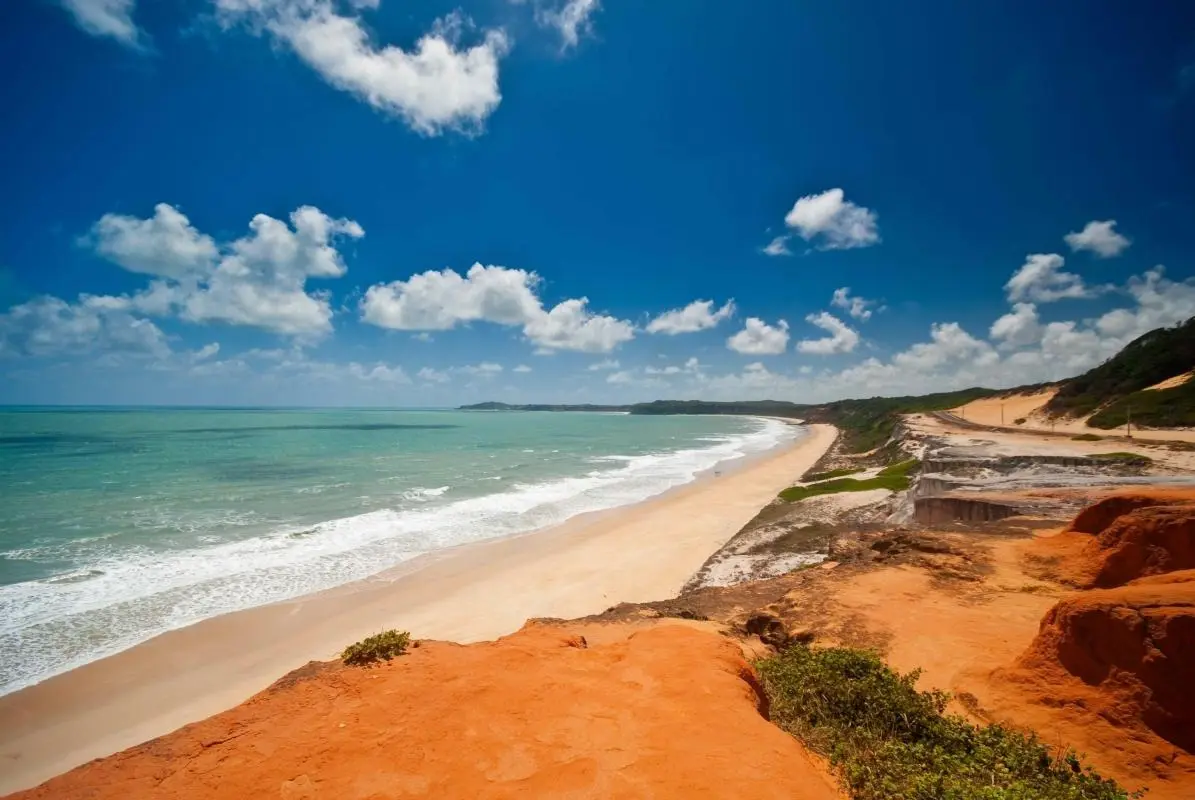
Cacimbinhas mixes broad sand, dune-sculpted skyline, and Atlantic surf into a compact coastal playground where you can stack dune walks, surf or bodyboard sessions, and reef snorkeling. Days here are easy to combine with scenic drives to nearby beaches and short boat trips to shallow reefs; evenings favor fresh seafood and low-key beach bars.
Explore experiences ↓Your guide to places, experiences, and adventures.
Nearby experiences in Natal. Check each itinerary for a visit to Cacimbinhas Beach.
THE GOOD STUFF STARTS HERE
Experiences around Cacimbinhas Beach






Listed starting prices may vary by option, travel date and group size. Confirm the final total and availability on Viator. Sponsored links: we may earn a commission from qualifying bookings.
STORIES WORTH GOING FOR
Stories from Natal
GET TO KNOW THE PLACE
Why Visit Cacimbinhas Beach
Flat, wide beaches meet wind-carved dunes at Cacimbinhas, a stretch that feels both accessible and a little wild. The coastline invites short, rewarding outings—dune walks that end at surfable breaks, reef flats that hide easy snorkeling, and coastal roads that let you collect landscapes without long transfers.
Arrive before sunrise and the beach reads like a living map: wave lines appear, dunes hold their ridgelines, and fishermen set nets along sheltered coves. Geologically this coast is defined by sand pushed north and south by longshore drift; the dunes are young, the sand constantly moving. Culturally the area bears Northeastern Brazil’s easy hospitality—small kiosks serve fresh fish and tapioca, and local guides offer buggy runs and boat trips without fuss. Time your visit around tides and wind, since currents can give the Atlantic a blunt edge and the best snorkeling windows fall on calm, lower-wind days.
Plan to stack short experiences rather than long treks: a morning surf or bodyboard session, midday reef snorkeling during a calm tide, and a late-afternoon dune walk to catch shifting light. Access is usually by paved road from Natal with short sandy spurs; some quieter coves require a short walk across dunes or a local 4x4 transfer. Bring traction footwear for walking on steep dune faces and reef shoes for shallow snorkeling; sun protection is essential year-round. If you want lessons, book a local surf instructor or snorkel guide in advance during busy months.
Safety and logistics are straightforward but pragmatic. Lifeguards are not guaranteed across the entire beach, so watch currents and ask locals about safe swimming spots. The coastal winds nudge the surf and can make paddling or snorkeling choppy—if wind rises, pivot to a dune hike or a scenic drive toward Ponta Negra or Genipabu. For multi-day itineraries, base in Natal or a nearby pousada and use Cacimbinhas as a repeatable day destination; that setup gives you flexibility to chase calm tides and the best light for photos.
Get to know the place
Attractions worth a closer look.

PLAN YOUR VISIT
When to go.
Best months
September, October, November, December, January, February
Weather
The region has warm temperatures year-round; the main variation is wind and short rainy periods. Calmer, drier windows are common in the local spring and early summer months, which are better for snorkeling and paddling.
Peak season
Peak season runs around the Southern Hemisphere summer and local holiday periods; expect more visitors and book lessons and transfers well in advance.
Beyond the peak
Off-season offers lower rates and quieter beaches, but heavier rains and rougher seas can limit snorkeling; choose sheltered coves and flexible activities when conditions look unstable.
PACK WITH PURPOSE
What to bring.
optional
- Binoculars for birding
- Action camera for surf and snorkeling footage
- Compact picnic kit for a beach meal
essential
- Plenty of water and high-SPF sunscreen
- Traction footwear or reef shoes
- Sun protection: hat and sunglasses
- Light layers for coastal wind
- Offline map or GPS and charged phone
- Small first-aid kit and blister care
recommended
- Light rain shell (seasonal)
- Dry bag for electronics
- Headlamp if you plan early starts or late returns
- Trekking poles for sandy approaches
FIND YOUR PACE
Choose your kind of adventure.
advanced
Advanced travelers chase wind- and tide-dependent sessions: technical surf, long exploratory coastal runs, and multi-stop photography or birding itineraries.
- Challenging surf sessions on bigger Atlantic swells
- Extended sand-run training over steep dune faces
- Multi-day coastal route planning and photography expeditions
beginner
Beginner-friendly options are short, low-effort beach walks, shallow snorkeling in calm conditions, and gentle bodyboarding near small breaks.
- Shallow reef snorkeling during calm, low-wind windows
- Short dune walks and beach photography
- Bodyboarding or beginner surf lesson in sheltered breaks
intermediate
Intermediate visitors can combine longer dune traverses with guided snorkel trips and surf sessions on more exposed breaks.
- Mixed surf and tide-aware reef snorkeling
- Guided buggy or 4x4 dune exploration and coastal drives
- Early-morning coastal running or hiking along the back-dune line
BEFORE YOU GO
Your questions, answered.
Do I need a guide to visit Cacimbinhas Beach?
No—many sections are accessible for independent visitors—but hiring a local guide or joining a small tour helps with tide timing, reef access, and safe swimming spots.
Is swimming safe at Cacimbinhas?
Swimming is possible but currents vary; swim in monitored areas if available, ask locals about safe breaks, and avoid swimming alone on windy days.
How long should I plan for a visit?
A half-day can cover a surf and dune walk; a full day lets you add reef snorkeling, birding, or a coastal drive to nearby beaches.
How do I get there from Natal?
Most visitors drive or take a transfer from Natal; some quieter access points require a short sandy spur or a local 4x4/buggy ride.
Can I snorkel at low cost?
Yes—snorkel gear can be rented locally or brought with you; choose calm tide windows and consider a guided snorkel if you’re unfamiliar with reef conditions.
What weather should I prepare for?
Expect warm temperatures with possible strong coastal winds and occasional short rains; pack sun protection and a light wind layer.