
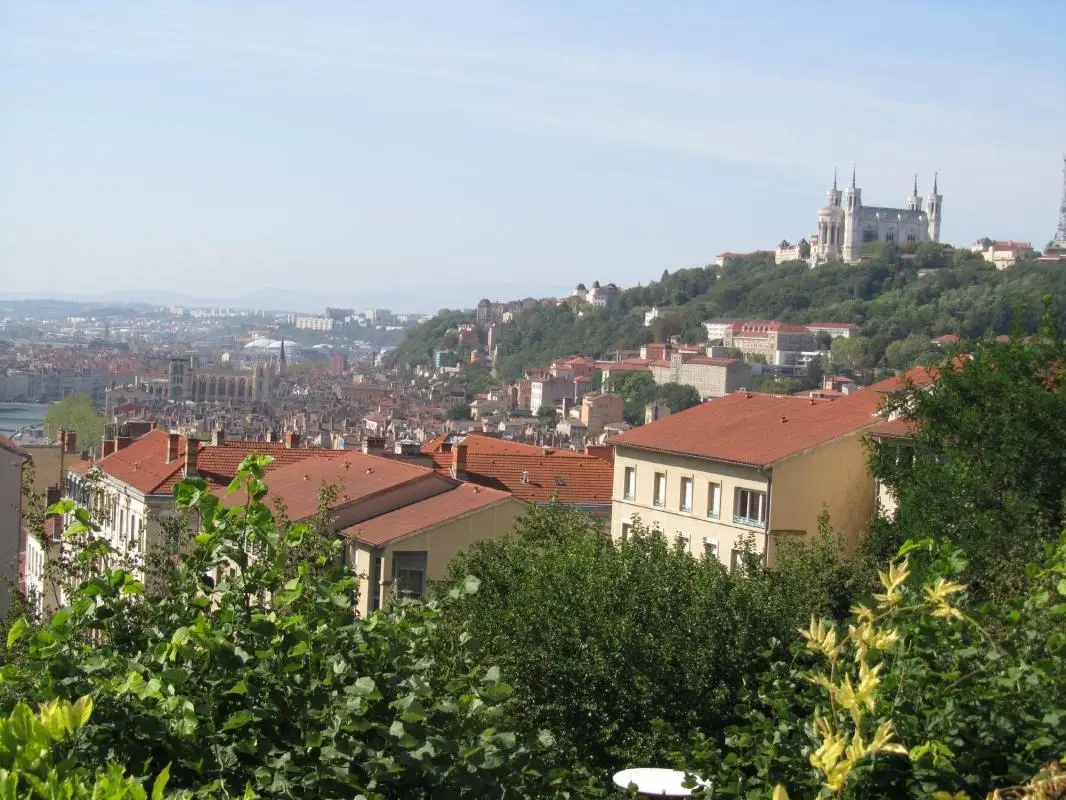
VAYCAI · ATTRACTION GUIDE
Croix-Rousse Visitor Guide
Croix-Rousse stacks urban walking, history, and sweeping city views into a compact hilltop neighborhood. Combine morning market runs and stair-by-stair hill climbs with riverfront cycling and late-day panoramas for a day that blends culture and light exercise without leaving Lyon.
Explore experiences ↓Your guide to places, experiences, and adventures.
THE GOOD STUFF STARTS HERE
Experiences around Croix-Rousse

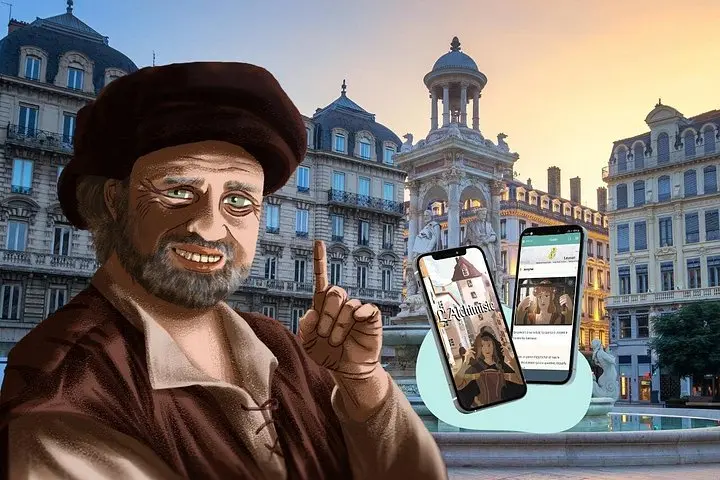


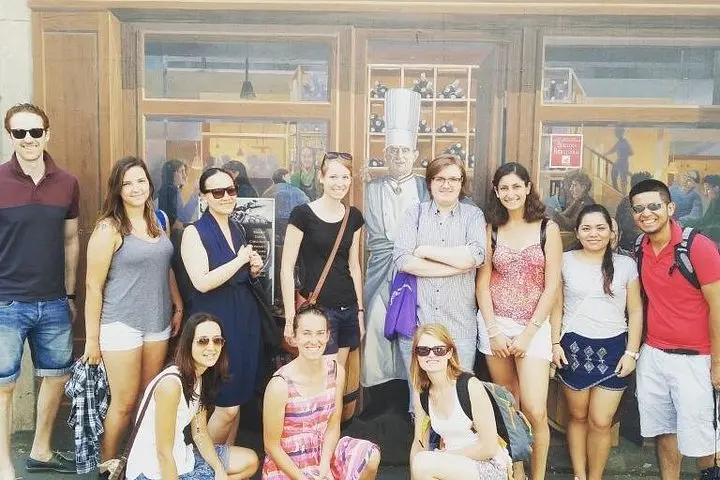


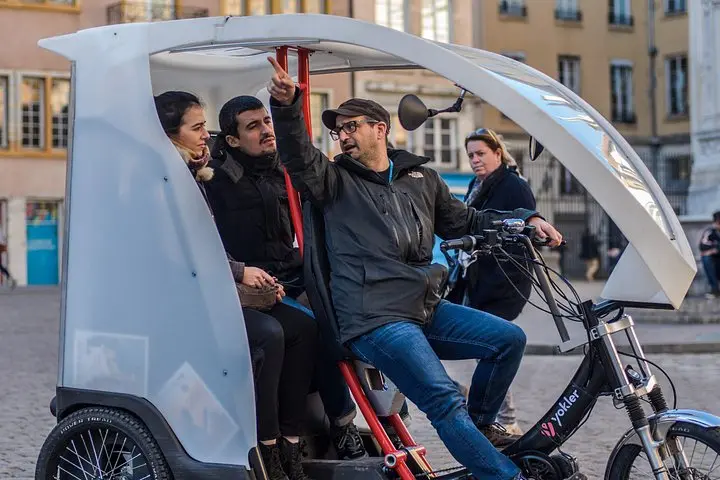

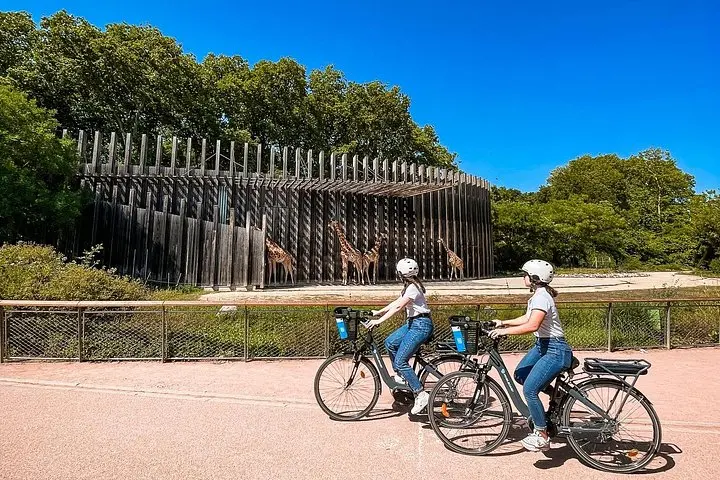





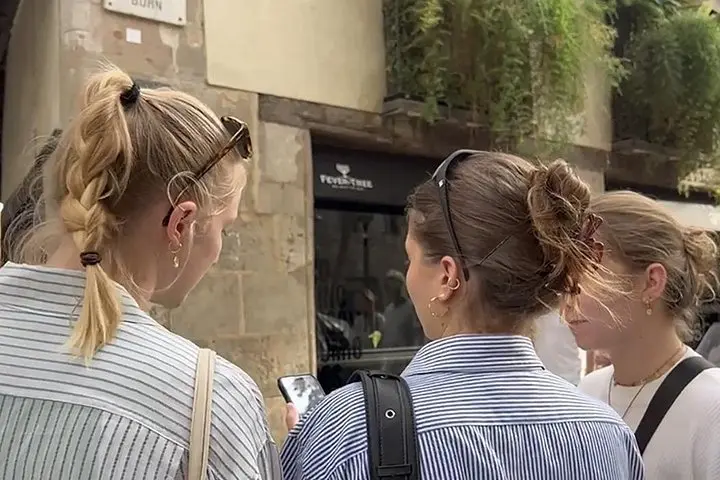
Listed starting prices may vary by option, travel date and group size. Confirm the final total and availability on Viator. Sponsored links: we may earn a commission from qualifying bookings.
STORIES WORTH GOING FOR
Stories from Lyon
GET TO KNOW THE PLACE
Why Visit Croix-Rousse
Perched above Lyon, Croix-Rousse feels like a village that keeps walking shoes, history, and views on permanent loan. The neighborhood’s narrow lanes and covered passageways invite exploration on foot, while the plateau rewards a steady climb with open vistas and a gritty, lived-in character that contrasts the city below.
The story of Croix-Rousse is written in stone and silk. Once the center of Lyon’s silk-weaving industry, the quarter’s broad, tall buildings and high windows were designed to accommodate large looms and teams of workers called canuts. Today those same structures house ateliers, cafés, and murals that nod to the neighborhood’s industrial past. Geologically the plateau is a gentle rise from the Saône and Rhône, a small knoll that holds light differently at dawn and dusk; the ridgeline keeps the city’s bustle at arm’s length and offers pockets of quiet where plane trees and pigeons take a break.
For active travelers the area is practical and immediate. Trails aren’t remote alpine routes but steep stairways, pedestrian lanes, and grassy outlooks that demand ankle-strong steps more than technical gear. You can stack experiences: a market run for fresh provisions, an architectural detour through hidden traboules, then a hill-top sit to watch the river shift its light. The Saône and Rhône nudge you toward cycling routes and flat riverside paths; these are low-stakes paddling and biking opportunities better suited to casual outings than whitewater missions. Timing matters—late spring and early autumn bring the nicest walking conditions, while summer invites early starts to avoid heat.
Culturally, Croix-Rousse is approachable. Local markets sell seasonal produce and regional cheeses, street art fills unexpected corners, and small museums preserve canut history without feeling staged. Practical planning is straightforward: arrive by tram or metro, expect cobbled steps rather than elevators, and pick lodging on the plateau if you favor sunset views and easy access to morning walks. Prioritize one or two focal points a day—market, viewpoint, and a long café break—and you’ll leave with more than a checklist: a sense of having moved through the neighborhood in a way that matches its rhythm.
Get to know the place
Attractions worth a closer look.

ATTRACTION
Lyon Museum of Fine Arts (Musée des Beaux Arts de Lyon)
Explore this place ↗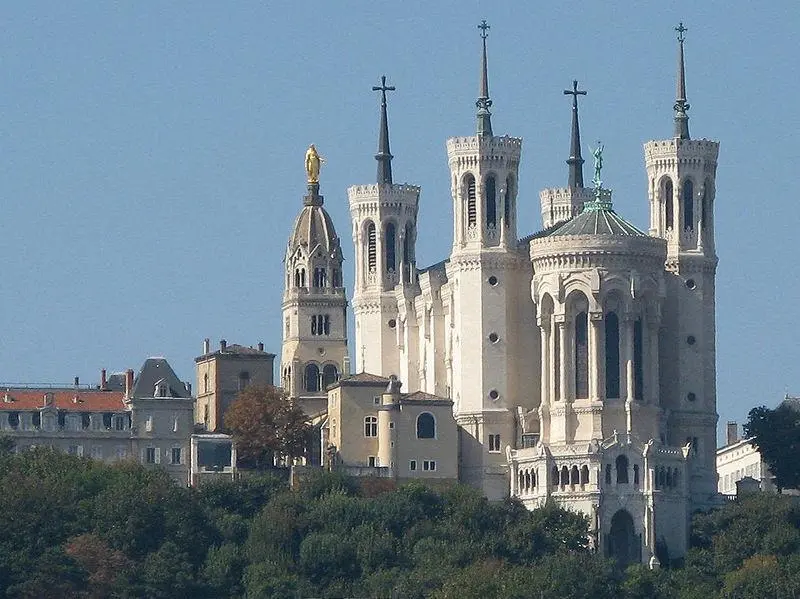
ATTRACTION
Basilica of Notre-Dame de Fourvière (Basilique Notre-Dame de Fourvière)
Explore this place ↗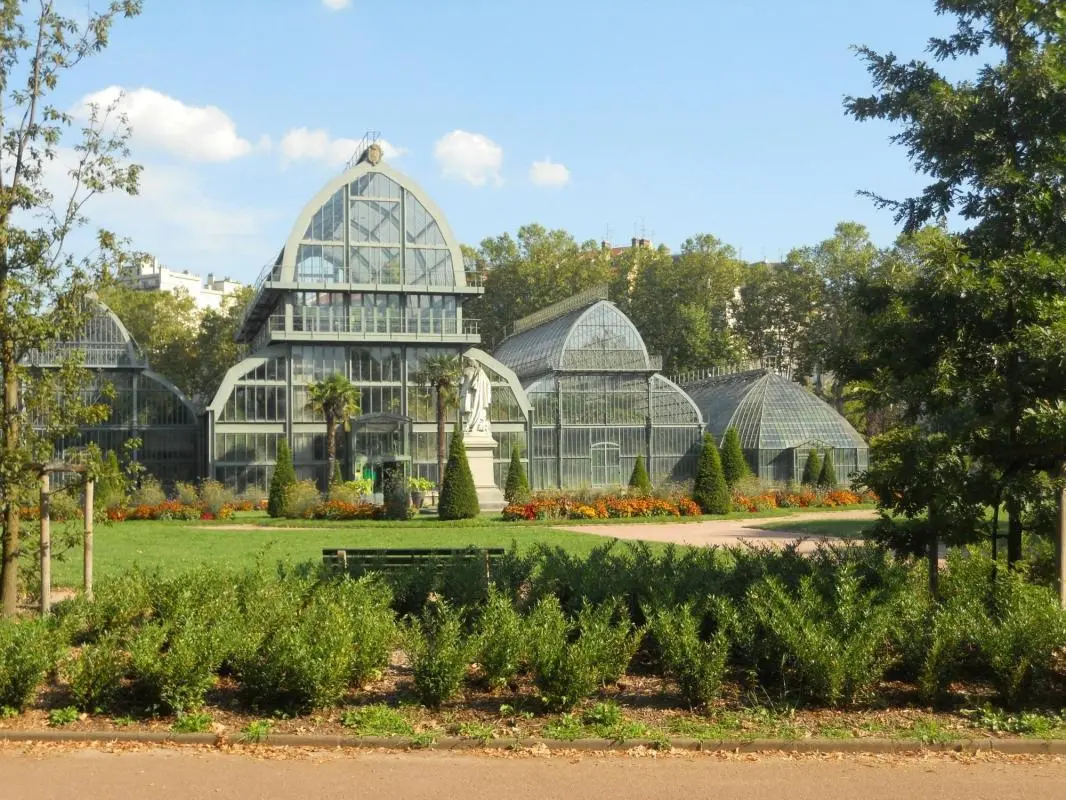
ATTRACTION
Tête d'Or Park (Parc de la Tête d'Or)
Explore this place ↗
ATTRACTION
Bellecour Square (Place Bellecour)
Explore this place ↗PLAN YOUR VISIT
When to go.
Best months
April, May, September, October
Weather
Spring and fall are generally comfortable for hill walking and outdoor markets, summer brings warmer days and occasional storms, and winter is quieter with colder air and slick cobbles possible.
Peak season
The busiest period runs through summer; expect larger crowds and fuller cafés—book lodging and specialized tours in advance and plan early-morning starts to avoid midday heat.
Beyond the peak
Off-season travel offers fewer crowds, lower rates, and a more local feel, but note that some outdoor seating and seasonal market stalls may be reduced and cobbles can be slippery in wet or cold conditions.
PACK WITH PURPOSE
What to bring.
optional
- Compact binoculars for city views
- Action camera or small tripod
- Picnic blanket and reusable cutlery
essential
- Sturdy walking shoes with good traction
- Layered clothing for variable urban microclimates
- Reusable water bottle
- Sun protection (hat, sunscreen, sunglasses)
- Offline map or downloaded navigation app
recommended
- Light rain shell
- Small daypack or crossbody bag
- Portable phone charger
- Trekking poles for steep stair sections
FIND YOUR PACE
Choose your kind of adventure.
advanced
Challenging outings that push elevation and technical skills into the nearby hills and crags.
- Technical road or gravel rides into surrounding hills
- Steep, technical trail runs that connect multiple ridgelines
- Rock-climbing sessions at nearby limestone crags
beginner
Low-impact urban walking and cultural exploration with short climbs and many rest options.
- Guided neighborhood walk highlighting canut history
- Morning market visit and café break
- Easy riverside cycling along the Saône
intermediate
Steeper hill walks, longer exploratory loops, and mixed urban trails that demand steady legs.
- Self-guided hill loop with multiple viewpoints
- Uphill trail runs on Fourvière slopes
- Full-day bike loop including surrounding hills
BEFORE YOU GO
Your questions, answered.
Do I need a guide to explore Croix-Rousse?
No—many visitors self-guide using maps and walking routes, but a guided tour adds depth to the canut history and points out hidden traboules you might otherwise miss.
Is Croix-Rousse suitable for cycling?
Yes, but expect steep streets on the plateau; use an e-bike or plan routes along the Saône for flatter, easier riding.
Are the traboules open to the public?
Some traboules are open and accessible, while others are private; be respectful, follow posted signs, and avoid blocking residential access when passing through.
What's the best way to reach Croix-Rousse from central Lyon?
Public transit like the metro and tram is the most practical option, and many visitors also walk from adjacent central neighborhoods if they prefer a scenic approach.
How much time should I plan for a first visit?
Plan at least a half day to cover markets, a hill viewpoint, and a few traboules; a full day allows a more relaxed pace with time for cafés and a riverside ride.
How should I pivot if weather turns bad?
Shift to indoor activities: museums, long café stops, or covered markets, and verify opening times before heading out in inclement weather.