THE ADVENTURE COLLECTIVE FIELD NOTES
A closer look at the journey.
A low road climbs out of Athens and the landscape changes from olive groves to craggy limestone ridges. By midmorning the driver eases the vehicle onto a mountain shoulder above Delphi and the traveler stands where Apollo’s oracle once answered questions, the valley below folding away in bands of cultivated terraces and scrub.
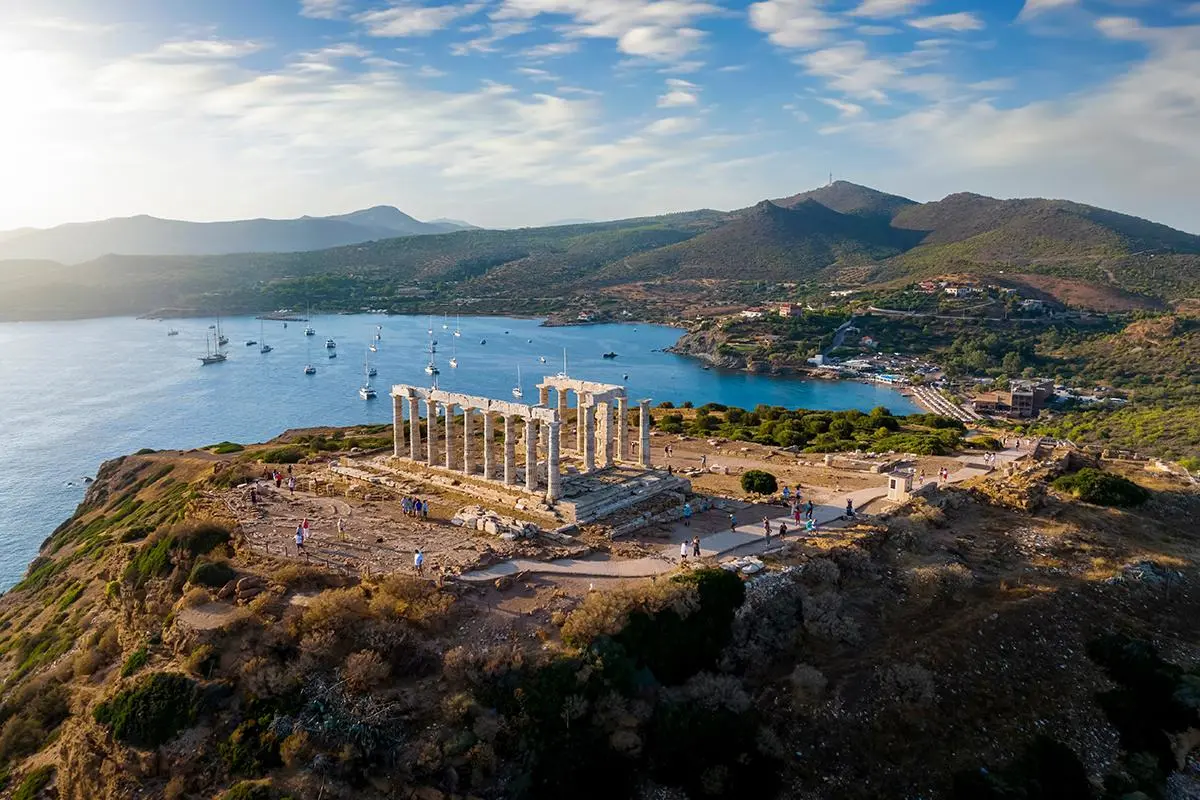
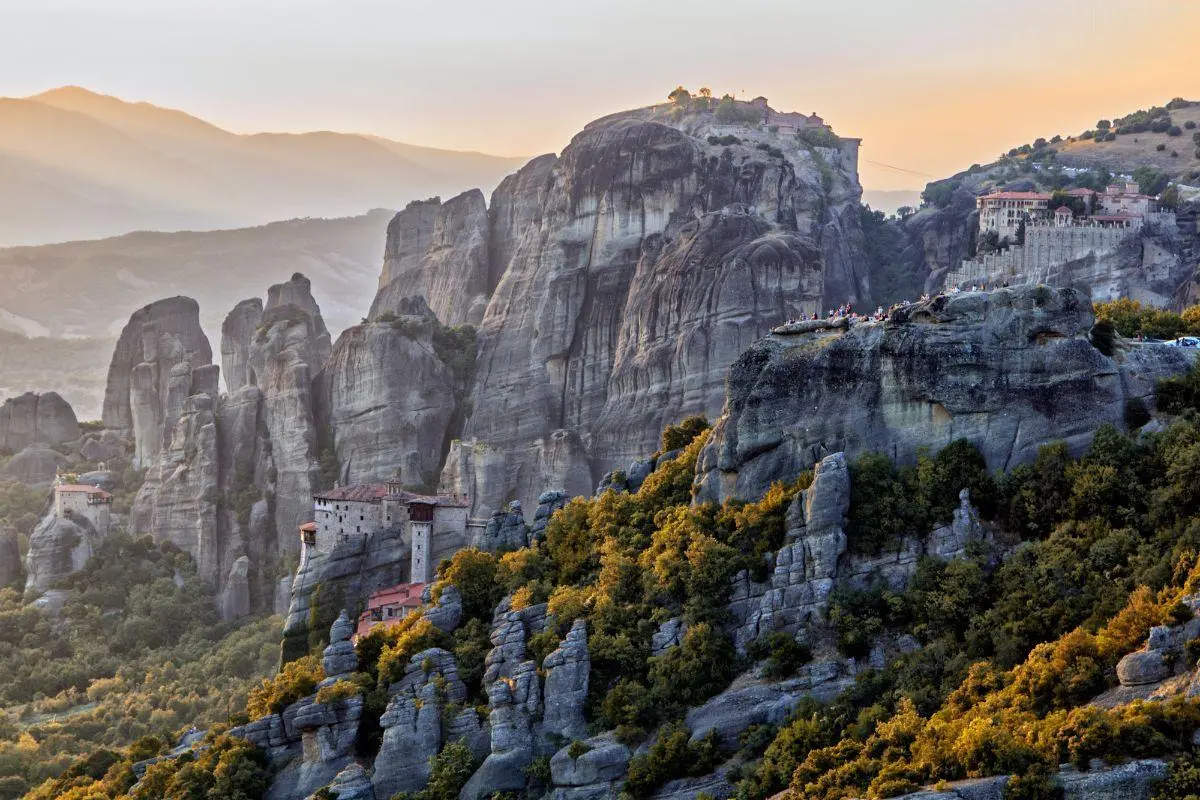
Delphi’s theater and Temple of Apollo speak to a millennium of civic ritual; its marble steps and the museum’s Charioteer reveal classical Greece’s artistic standards. Geologically, the Parnassus range is composed of uplifted metamorphosed limestones while Meteora, two hours north, is a field of towering sandstone–conglomerate pillars formed by river deposition and millennia of erosion.
Meteora’s monasteries—built from the 14th century onward—perch on these spires and remain active centers of Orthodox life. Local towns like Arachova and Kalambaka serve as practical bases: tavernas, guesthouses and routes into the rocks that reward early risers with light and fewer crowds.
Practical guidance: expect long drives and short walking tours at archaeological sites and monastery approaches—comfortable, broken-in walking shoes and layered clothing are essential. Respect dress codes at monasteries (shoulders and knees covered); carry water and euros for small-entry fees and snacks. Start early to maximize light and to avoid afternoon tour buses; allow time for a quiet look at the museum collections in Delphi and a short hike beneath Meteora’s cliffs for sweeping viewpoints.
This private, two-day itinerary balances history, geology and quiet observation—ideal for travelers who want concentrated exposure to two of Greece’s most memorable landscapes without the logistics of planning each leg themselves.
Things to know before you go
Dress for the monasteries
Bring a scarf or lightweight cover-up—shoulders and knees must be covered to enter active monasteries.
Start early
Begin sunrise or early morning visits at Meteora and Delphi to avoid crowds and get the best light for photos.
Bring cash
Carry small denominations of euros for local entry fees, refreshments, and tips where cards aren’t accepted.
Comfortable footwear
Sturdy walking shoes with decent grip are useful for uneven steps and short trails around the monasteries and archaeological sites.
Your questions, answered.
Do I need a guide to visit the monasteries?
A licensed guide is not included; drivers provide transport and local knowledge but you’ll need to hire a licensed guide separately for in-depth tours inside the monasteries.
Are entrances to archaeological sites included?
Admissions are not included in the itinerary description—bring cash or card for entry fees at Delphi and select Meteora monasteries.
Is this tour wheelchair accessible?
Transportation options are wheelchair accessible, but historic sites and monastery approaches involve steps and uneven ground that limit full accessibility.
What does the overnight stay include?
Accommodation and breakfast are included according to your booking; evening meals are typically at local tavernas and are not universally provided.