THE ADVENTURE COLLECTIVE FIELD NOTES
A closer look at the journey.
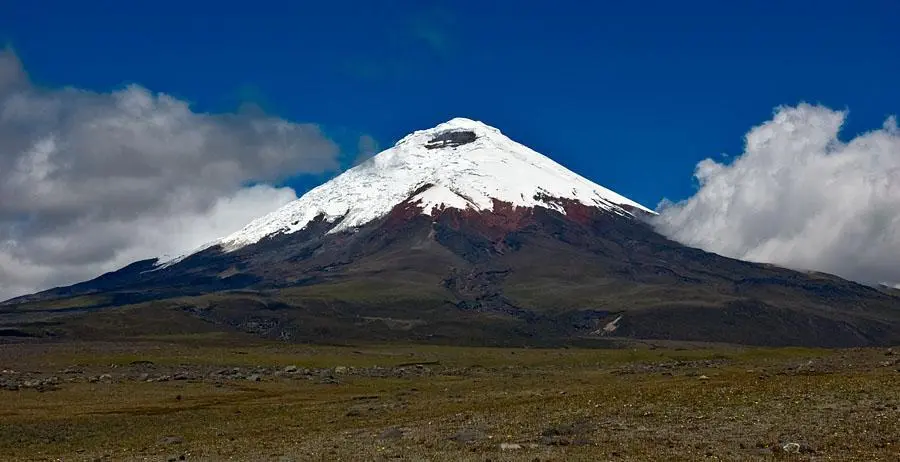
You step off the bus into Quito's rare, thin air and the city opens like a map of layered histories—colonial plazas, Andean ridgelines and distant volcanic cones. The first days move through highland contrasts: Cotopaxi’s near-perfect cone dominating grassland, Quilotoa’s jade crater lake framed by windswept ridgelines, and Otavalo’s bustling market where textiles and barter keep tradition alive.
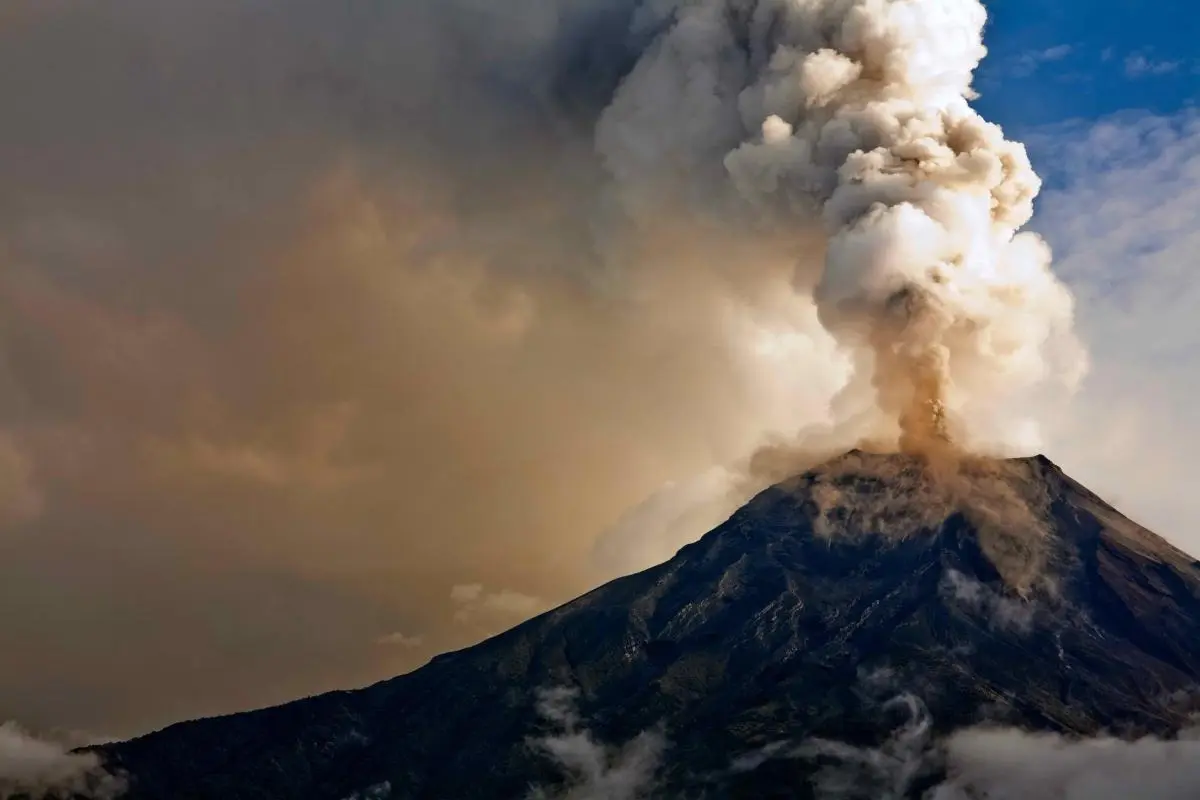
Geology here is loud and recent—an arc of active volcanoes carved by subduction of the Nazca Plate. Cultural threads are just as visible: indigenous Kichwa communities maintain weaving techniques and market days that trace centuries of trade. In the Amazon basin, rivers push the landscape into flooded forests where macrolobium trees stand like pillars and the Cuyabeno Reserve shelters a tight web of life from caimans to canopy monkeys.
Practical guidance: pace yourself for altitude—Quito sits near 2,850 m and highland passes exceed 4,800 m; hydrate, limit alcohol, and sleep low when possible. Expect varied terrain: short crater rim hikes at Quilotoa (3 km loop with steep sections), lowland jungle trails that can be muddy and uneven, and multi-hour canoe transfers on winding rivers. Pack layers for rapid temperature swings, insect protection for the Amazon, and a reliable daypack for boat-to-lodge transitions.
Logistics note: the trip mixes hotels and jungle lodges, bilingual guides, and motorized canoe transfers—plan for limited connectivity in the rainforest and small-cash needs for markets.
Things to know before you go
Acclimate before high passes
Spend the first 24–48 hours in Quito or similar elevation; ascend gradually to avoid severe altitude sickness.
Bring strong insect protection
Use DEET or picaridin repellent and consider a permethrin-treated layer for rainforest evenings.
Be prepared for long river transfers
Canoe trips can be 2–3 hours; bring dry bags, motion-sickness meds if vulnerable and layered clothing.
Carry small local cash
Markets, tips and remote lodges often accept only cash—carry small denominations of US dollars.
Your questions, answered.
Do I need vaccinations for the Amazon portion?
Consult your doctor; routine vaccines are recommended, and yellow fever and malaria prophylaxis may be advised depending on current health guidance.
How strenuous are the hikes at high altitude?
Many hikes are moderate but the elevation makes them feel harder; expect steep sections and plan for slower pace and rest breaks.
Is it safe to swim in Amazon lagoons?
Swimming is generally discouraged due to currents, submerged hazards and wildlife—ask guides for approved safe spots.
Will I have cell service throughout the trip?
Expect reliable service in cities and larger towns but limited or no connectivity inside Cuyabeno and remote jungle lodges.