Te Anau, New Zealand
Milford Track Water Taxi to Brod Bay — Te Anau Lake Crossing for Multi‑Night Hike
from $144.89USD
VAYCAI · ATTRACTION GUIDE
The Milford Track is a definitive Fiordland experience where multi-day hiking stacks with boat transfers, rainforest walks, and alpine views. Travelers typically combine the track with a scenic drive from Te Anau and a Milford Sound cruise to round out the trip. Expect wet weather, earned vistas, and planning logistics around boat windows and hut availability.
Explore experiences ↓Your guide to places, experiences, and adventures.
THE GOOD STUFF STARTS HERE
Te Anau, New Zealand


Te Anau, New Zealand
Te Anau, New Zealand

Listed starting prices may vary by option, travel date and group size. Confirm the final total and availability on Viator. Sponsored links: we may earn a commission from qualifying bookings.
STORIES WORTH GOING FOR
GET TO KNOW THE PLACE
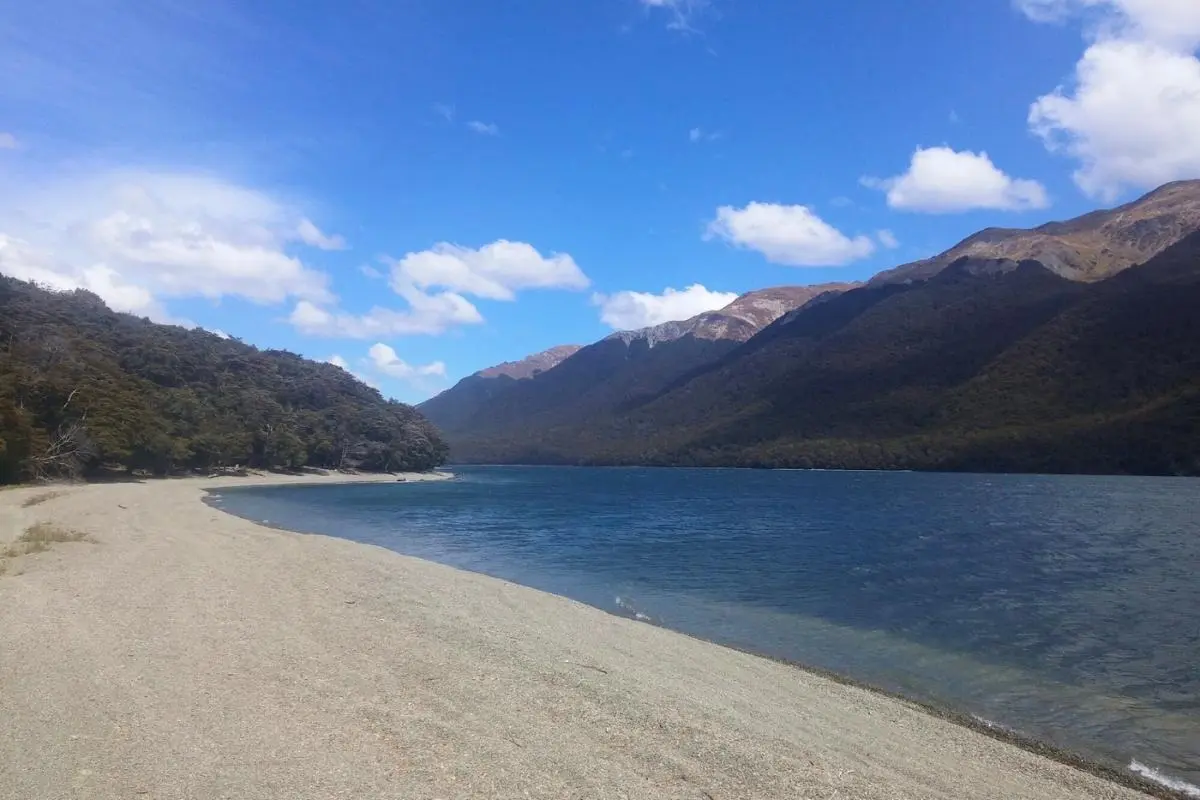
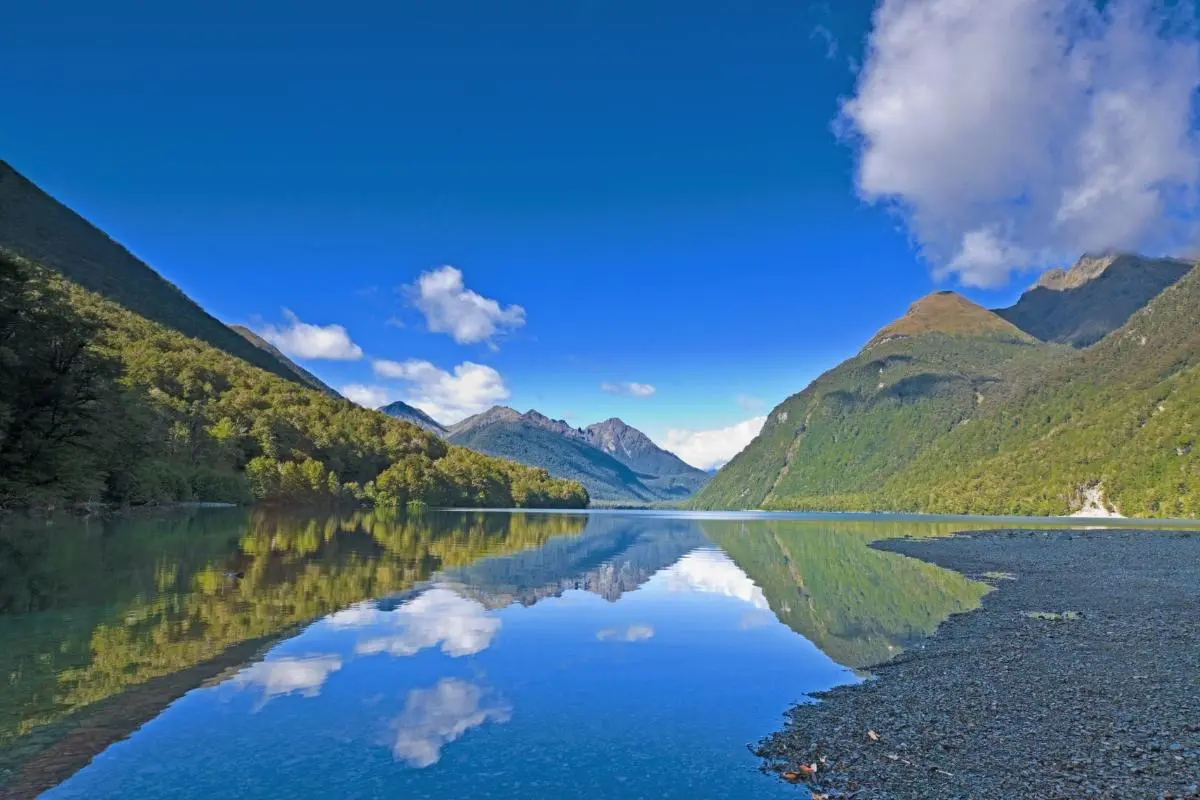
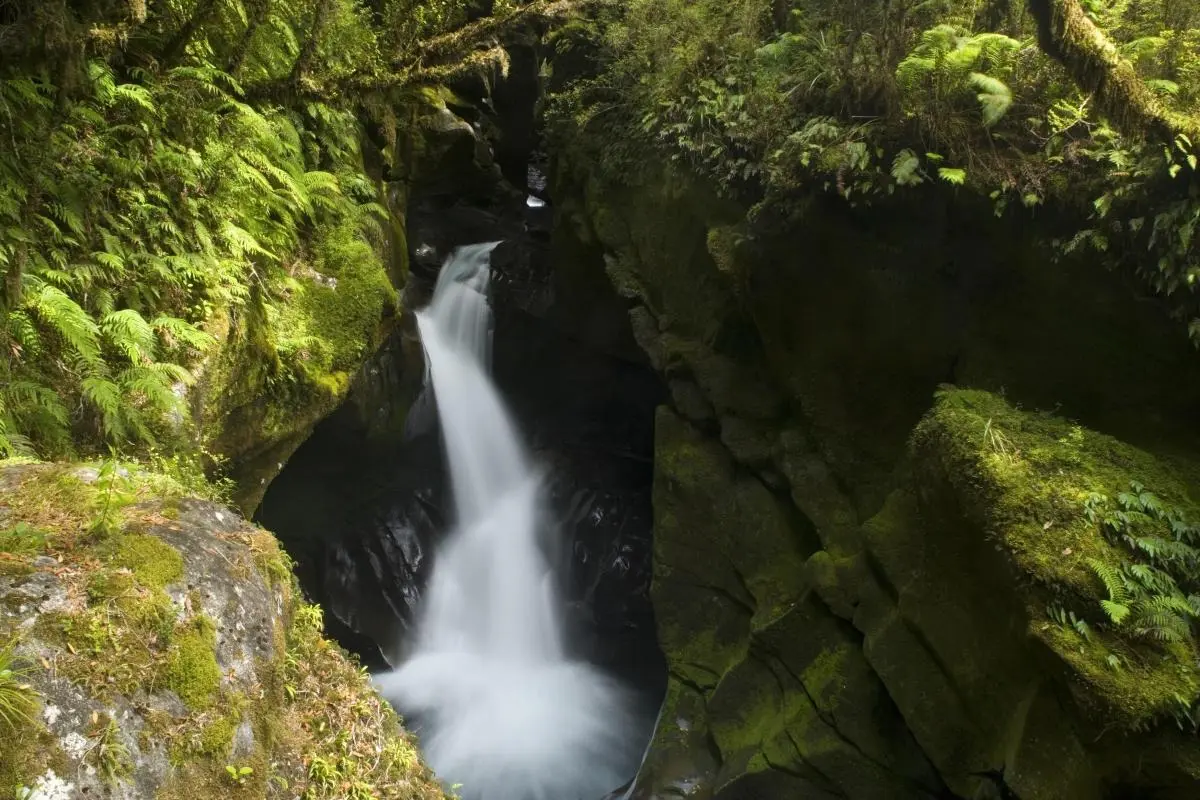
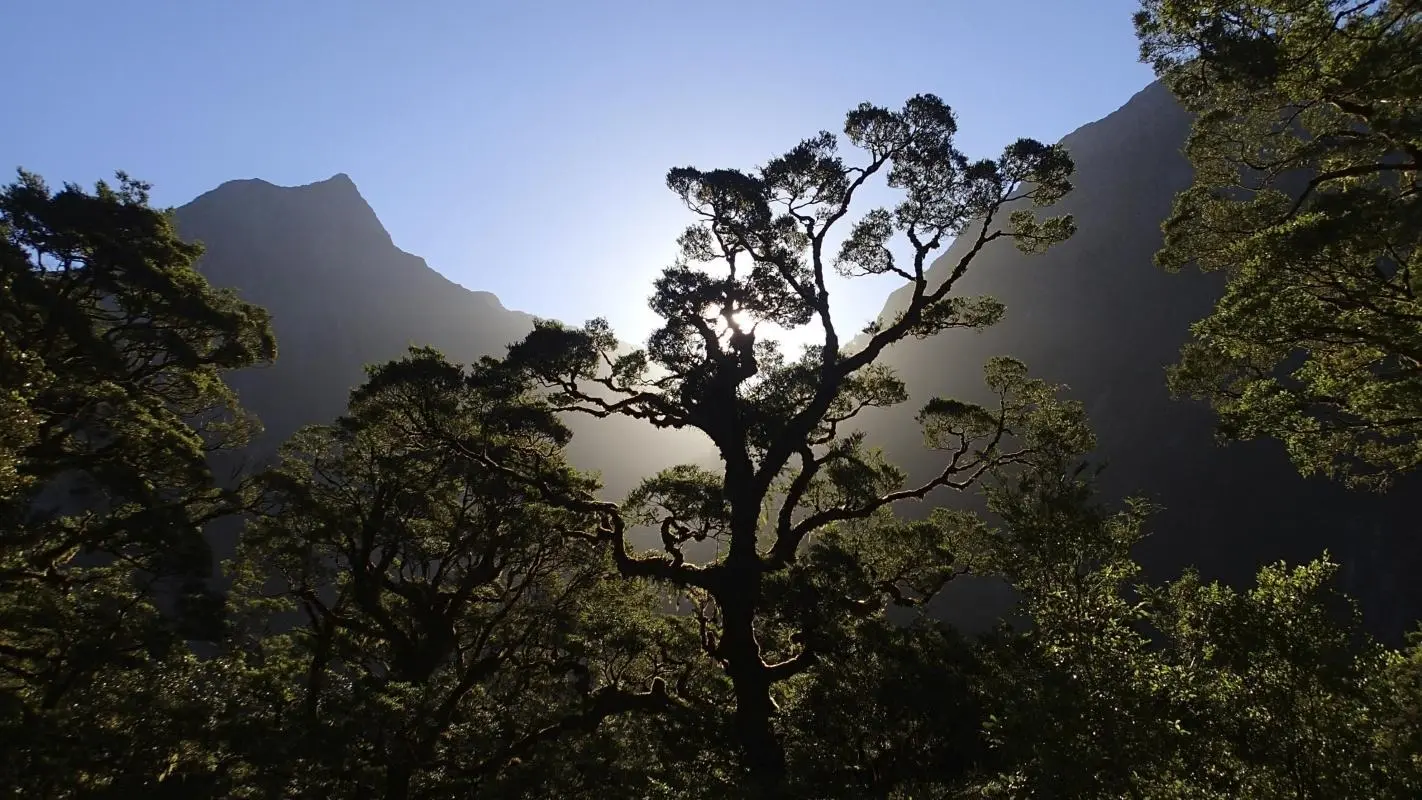
You step onto moss-draped boardwalks and the forest seems to lean in, guiding you downriver toward the sound. Water is the story here—rivers that nudge at your shoes, waterfalls that drum on the valley walls, and the ocean waiting at the end. The track condenses Fiordland’s dramatic geology and weather into a route that rewards persistence with cathedral-like vistas.
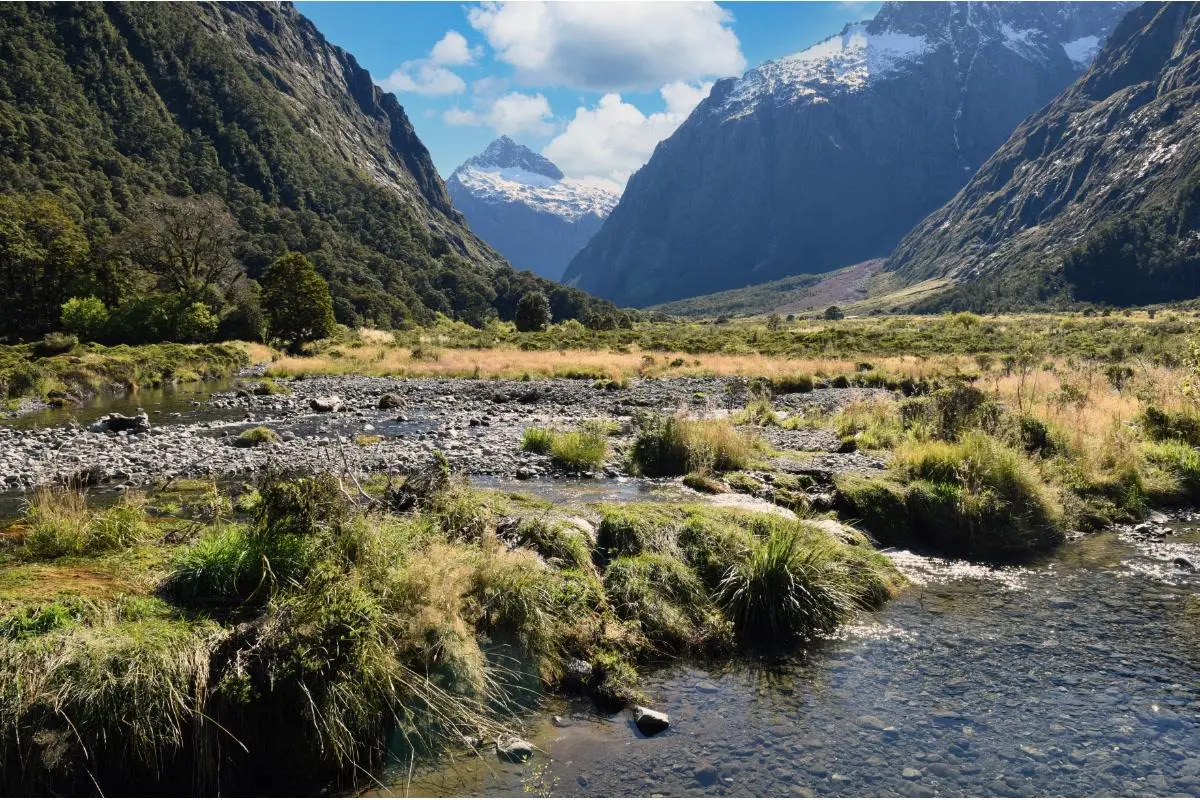
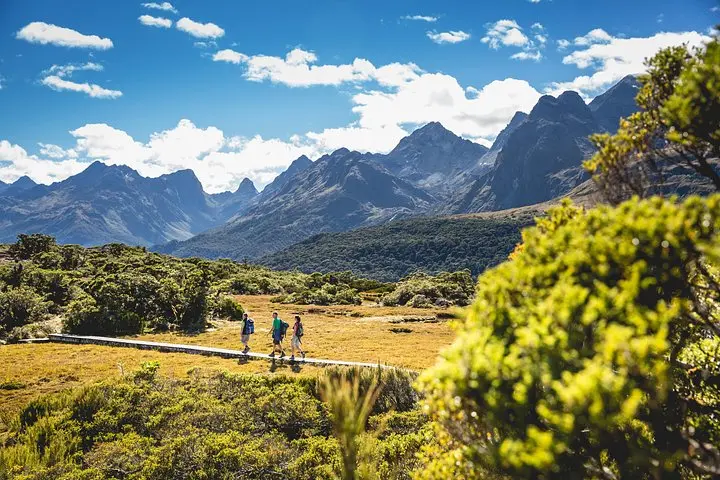
Geology and history are visible on every switchback. Glaciers carved the U-shaped valleys; rivers and hanging waterfalls continue the work. Māori traveled these coastal and inland routes seasonally and later European explorers mapped passages through a landscape that resists easy movement. Today, the route threads beech forest, subalpine slopes, and alpine ridgelines, giving hikers a compact cross-section of Fiordland’s geology. The mountains hold snow in shoulder seasons and clouds in summer; the valley collects water and makes the bush gleam, so packing for rain is planning for the norm, not the exception.
Practical travel planning matters here more than on a weekend loop. Access typically begins with a drive from Te Anau and includes scheduled boat or water transfers at one end; those connections structure arrival and exit times and affect how you stack nights. Huts and campsites on the track simplify logistics but require reservations during summer months—book early, plan flexibility, and have contingency plans for weather delays. Daylight and tides influence side trips and photo angles; start early if you want quiet at viewpoints and midday light for waterfall photography. The track’s rhythm is steady: long days between huts, short shoreline moments, and big views that arrive in the last hour of walking.
Culturally, Fiordland is the intersection of conservation priorities and remote tourism. Conservation-led management balances access with habitat protection; respect for the land and for other hikers is part of the route’s etiquette. On-trail behavior—pack out what you pack in, keep noise low, and follow campsite rules—keeps the corridor wild for everyone. If you’re layering this trek with a Milford Sound cruise or a kayak on the fiord, build buffer time for weather and boat schedules. In short: prioritize reservations, accept variable weather, and plan your days so each segment links cleanly to the next.
PLAN YOUR VISIT
November, December, January, February, March
Fiordland weather is famously changeable: summers bring milder temperatures but frequent rain and afternoon storms; shoulder seasons have cooler days and clearer skies at times; winters are quieter but can bring snow and limited services. Always expect moisture and plan for rapid weather shifts.
The busiest period runs in the Southern Hemisphere summer months; during this time huts, boat transfers, and accommodation around Te Anau book early—reserve months ahead and start days early to avoid crowding at key viewpoints.
Outside peak months you'll find fewer hikers, lower prices, and a more solitary experience, but expect shorter daylight, muddy tracks, and reduced service availability; choose routes and gear with wet, slippery conditions in mind.
PACK WITH PURPOSE
FIND YOUR PACE
Advanced adventurers can extend into alpine side trips, technical backcountry routes, or sea-based exploration of the fiord requiring extra skills and planning.
Beginner travelers can enjoy short, supervised sections and scenic boat cruises around the fiord without committing to the full multi-day track.
Intermediate hikers will find the multi-day track approachable with steady fitness and proper gear, enjoying long walking days and hut-to-hut logistics.
BEFORE YOU GO
Both options are possible; experienced hikers can self-guide if they book transfers and huts in advance, while guided trips handle logistics, local knowledge, and weather contingencies.
Most itineraries allocate three to four days on the trail plus arrival and exit days for travel; build in at least one buffer day for weather-related delays.
Access typically involves a scenic drive and a scheduled boat or shuttle at one trail terminus; coordinate timing with your transporter and allow extra time for road or weather delays.
Changeable weather, river fords in some seasons, and long distances between facilities are the main concerns—carry waterproofs, a basic first-aid kit, and a charged communication device, and tell someone your plan.
Yes, there are managed huts and campsites that simplify packing, but they require advance reservations during busy months—confirm availability before traveling.
Have flexible plans: contact your provider for rebooking options, and consider staying an extra night in Te Anau or the nearby lodge while weather clears.