

VAYCAI · ATTRACTION GUIDE
Routeburn Track Visitor Guide
The Routeburn Track pairs dense beech forest with sharp alpine views, ideal for stacking multiday tramping with short-day walks and scenic drives out of Te Anau. Plan a hut-to-hut overnight or a focused day-hike to waterfalls and viewpoints; combine the trail with nearby boat or lake activities to round out the trip.
Explore experiences ↓Your guide to places, experiences, and adventures.
THE GOOD STUFF STARTS HERE
Experiences around Routeburn Track

Te Anau, New Zealand
Milford Sound Sea to Summit Experience from Te Anau — Cruise Milford & Key Summit Hike
See current price
Listed starting prices may vary by option, travel date and group size. Confirm the final total and availability on Viator. Sponsored links: we may earn a commission from qualifying bookings.
STORIES WORTH GOING FOR
Stories from Te Anau
GET TO KNOW THE PLACE
Why Visit the Routeburn Track
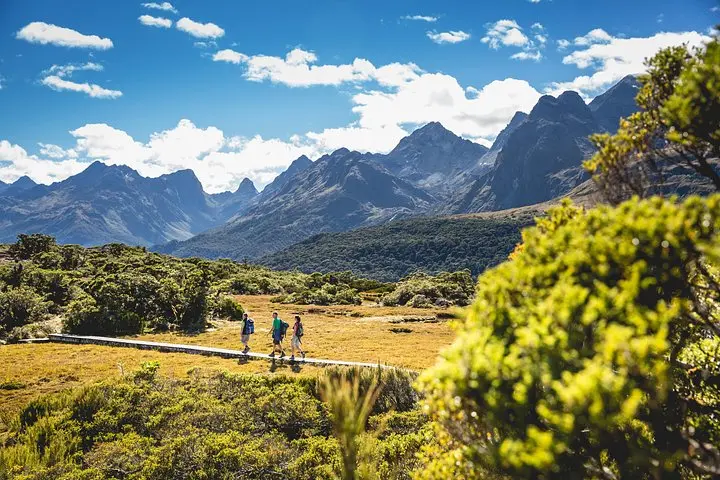
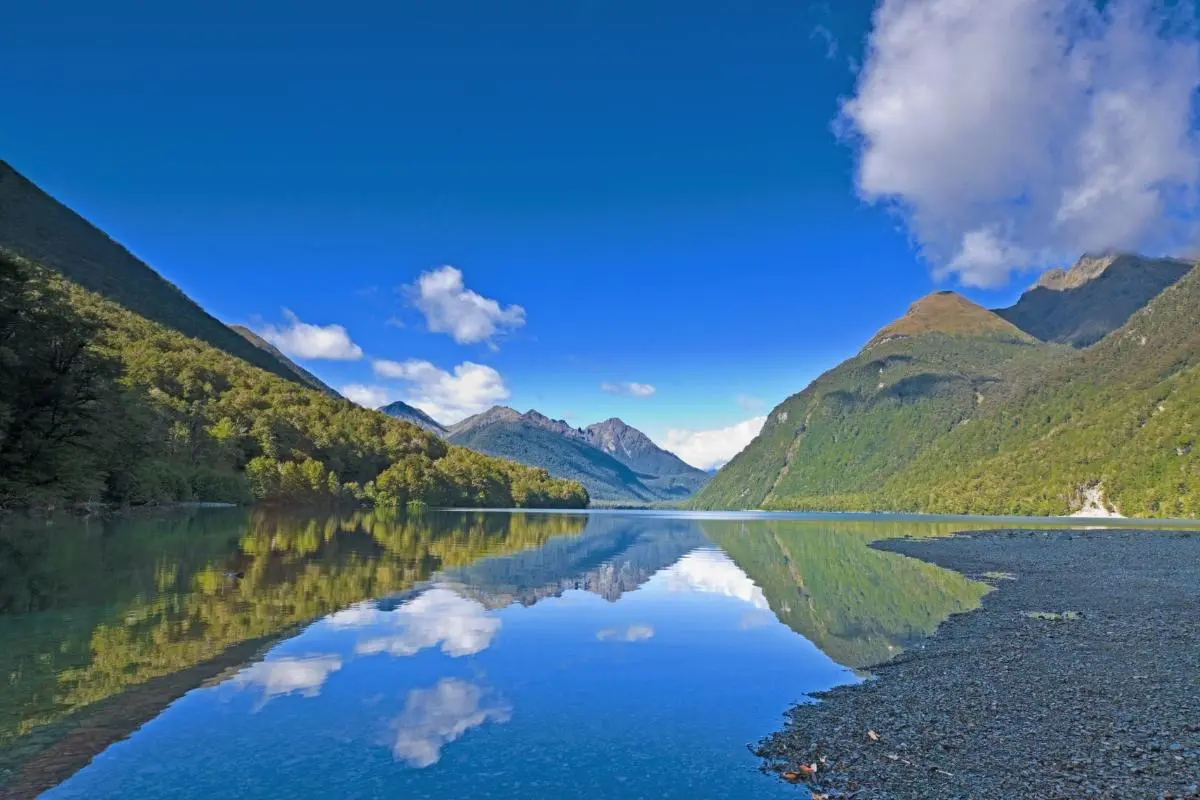
Walk into a place where forest breathes moisture onto your pack and ridgelines hold panoramic views like a promise. The Routeburn Track compresses New Zealand’s dramatic transitions—rainforest to alpine in a few hours—making it a compact, high-value alpine trek for first-time trampers and seasoned hikers alike.
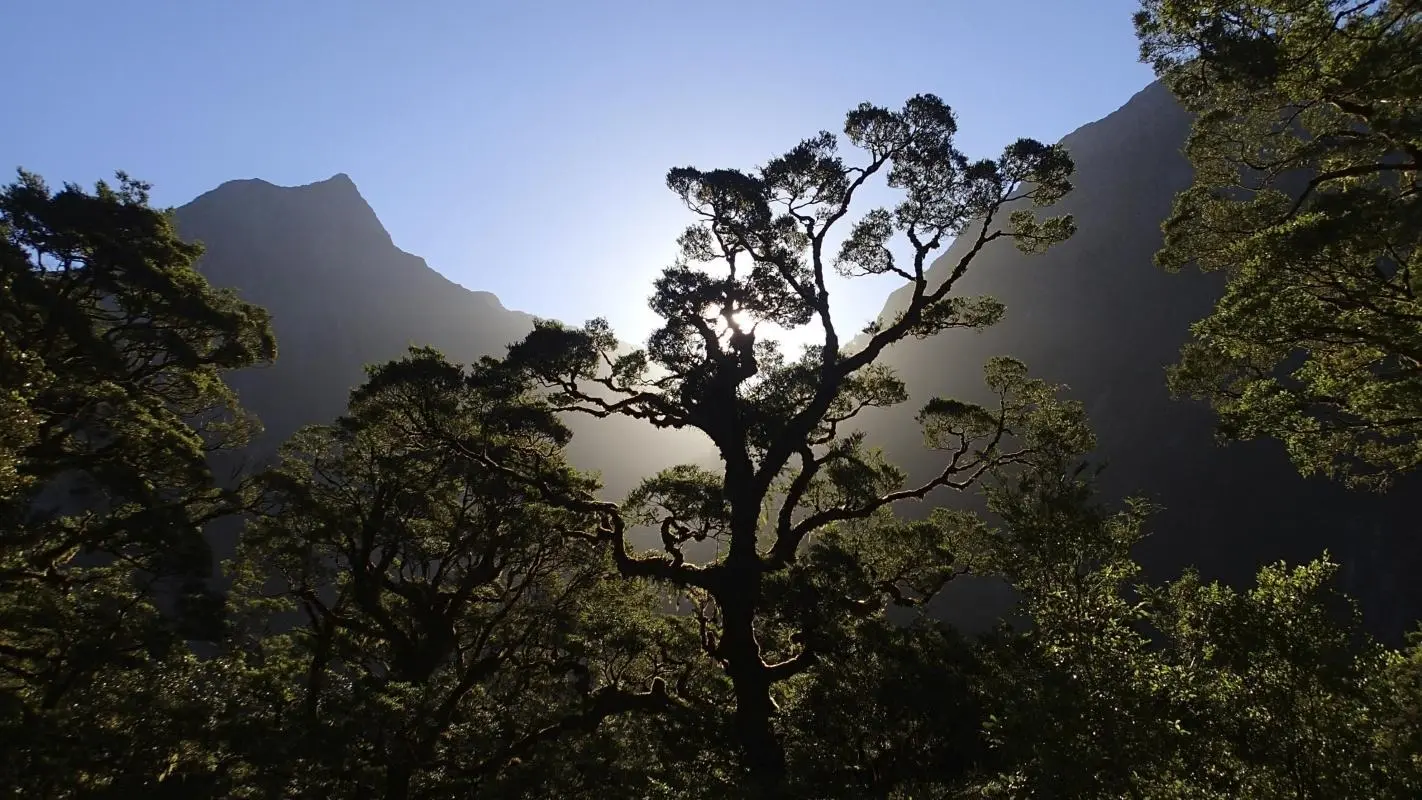
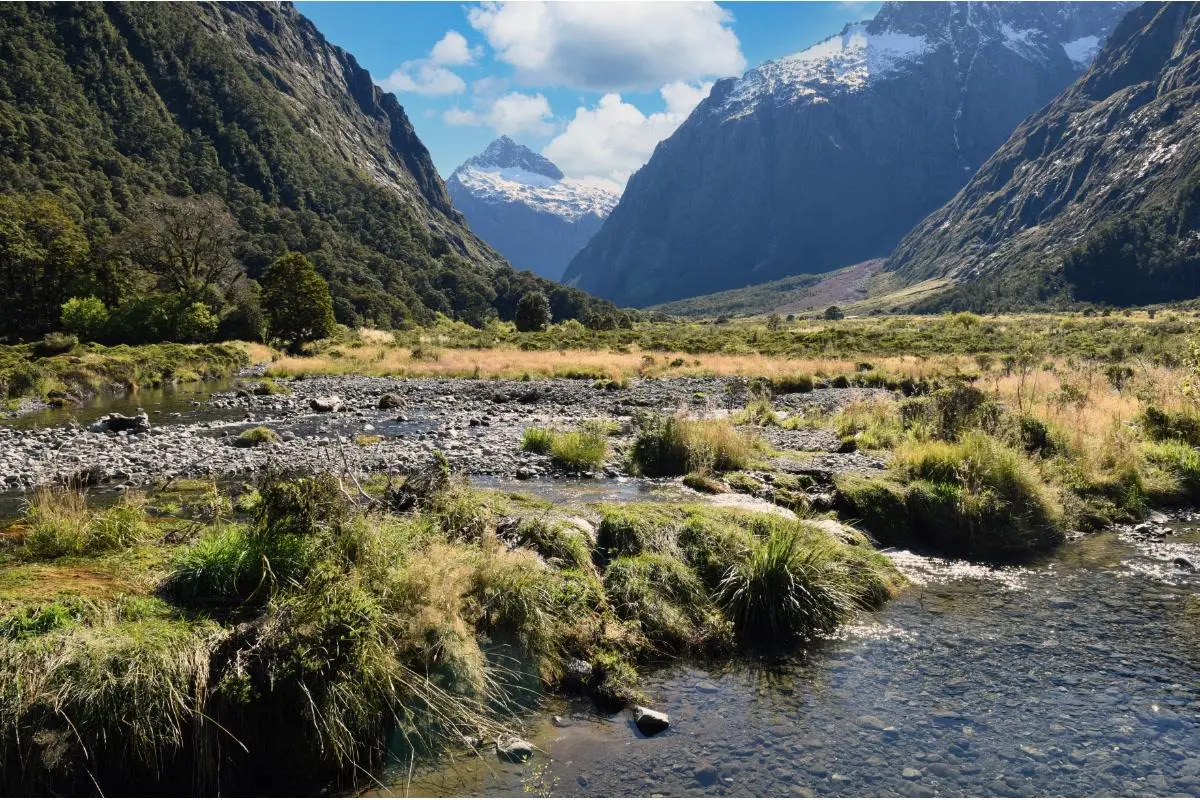
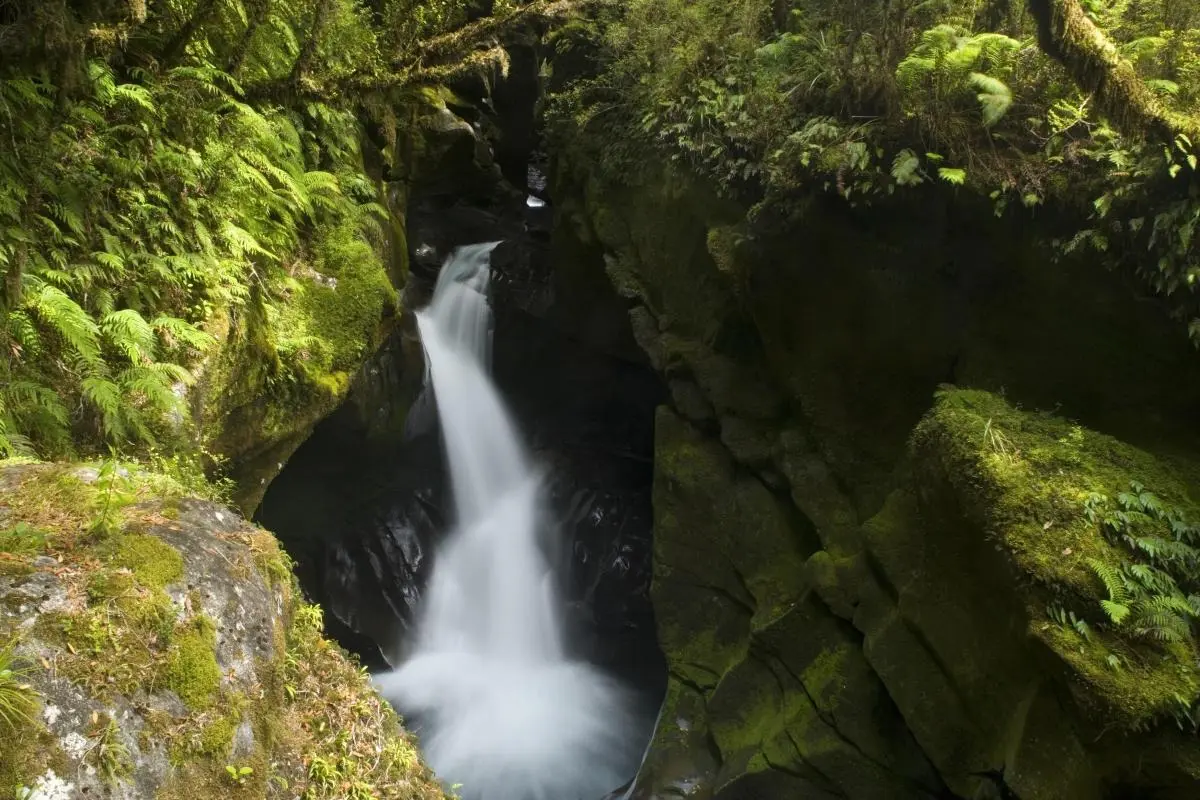
Begin in the low, green hush of beech forest where streams nudge at your ankles and the path threads over moss-draped logs. The Track’s geology tells a simple story: glaciers carved the valleys, and tectonic lift shaped the jagged skyline. Along the way, waterfalls assert themselves—sudden and loud—while alpine meadows open like chapters. Māori visited these passes for seasonal resources, and European exploration in the 19th century turned the valleys into routes of movement. Today, the Routeburn sits inside Fiordland National Park, protected and managed, with a culture of shared track etiquette and hut stewardship.
Planning is practical: decide if you want a one-day out-and-back to a waterfall and viewpoint or the full multi-day hut experience. Huts are purpose-built to concentrate impact and require advance booking in peak months; track access comes via trailheads off the Milford Road and routes near Glenorchy. Weather changes fast—sun here can flip to sleet in an hour—so kit, route flexibility, and an eye on the forecast matter. If you have limited time, stack a one- to two-day section with a scenic drive and a lake paddle for variety without committing to five full days.
Prioritize what matters to you: close-up waterfalls and forest, alpine panoramas at sunrise, or an uninterrupted multi-day rhythm. Start early to avoid crowds on popular viewpoints, and be prepared to alter plans if conditions demand it. Services and lodgings cluster around Te Anau and Glenorchy; use those towns as logistical hubs for transport, gear shops, and last-minute provisioning before you head into the backcountry.
PLAN YOUR VISIT
When to go.
Best months
November, December, January, February, March
Weather
Late spring to early autumn offers the most stable hiking weather, but Fiordland is famously changeable—expect wind and rain even in summer. Temperature swings are common from valley floors to exposed alpine tops.
Peak season
The busiest period is December through February; book huts, shuttles, and accommodations well in advance and plan early starts to avoid concentrated periods at viewpoints.
Beyond the peak
Shoulder months provide fewer crowds and lower prices, and can offer dramatic light for photography; be mindful of wet, muddy tracks and occasional snow at higher elevations and choose routes accordingly.
PACK WITH PURPOSE
What to bring.
optional
- Binoculars for birdwatching
- Action camera or compact camera
- Compact picnic kit for scenic lunches
essential
- Layered clothing system (base, insulating midlayer, waterproof shell)
- Sturdy, broken-in hiking boots with good traction
- Water and a filtered or treated backup plan
- Sun protection (hat, sunglasses, sunscreen)
- Map and compass or offline digital navigation
- Basic first-aid kit and emergency whistle
- High-energy food and snacks
recommended
- Lightweight rain shell and overtrousers
- Headlamp with spare batteries
- Trekking poles for descents and variable terrain
- Waterproof dry bag for electronics and clothing
- Gaiters for muddy sections or snow patches
FIND YOUR PACE
Choose your kind of adventure.
advanced
Advanced adventurers push for full-track traverses, longer runs, and off-track alpine exploration where skills in navigation and alpine conditions are needed.
- Full multi-day traverse with light pack and fast pace
- Alpine scrambling and ridge navigation in stable weather
- Route-finding and extended backcountry photography missions
beginner
Beginner travelers can enjoy short sections and day-walks that showcase waterfalls and forest without committing to multi-day hut logistics.
- Day-hike to a popular waterfall and viewpoint
- Short valley walks through temperate rainforest
- Guided half-day interpretive walks
intermediate
Intermediate hikers can tackle multi-day hut routes and longer day sections, balancing effort with alpine views and photography stops.
- Two- to three-day hut-to-hut trekking
- Extended day-hike to an alpine saddle for sunrise
- Combination itinerary with a scenic drive and a lake paddle
BEFORE YOU GO
Your questions, answered.
Do I need a guide or can I hike the Routeburn Track independently?
Both are possible: independent hikers with experience can complete sections or the entire track, but guided trips simplify logistics, include expertise in route and weather, and are a good option for first-time multi-day trampers.
How long should I plan for the Routeburn Track?
Options range from a focused day-hike to a classic two- to three-day hut-to-hut trek; choose based on fitness, time available, and how many viewpoints you want to reach.
How do I get to the trailheads from Te Anau?
Trailheads are accessed via road transfers from Te Anau or Glenorchy; shuttles and private transfers commonly coordinate drop-offs and pick-ups—book transport in advance during peak season.
Are the huts crowded and do they require reservations?
Huts are managed and often fill during peak months; reservations are highly recommended and sometimes required, so secure spots early to guarantee a place to sleep.
What are the main safety concerns on the track?
Weather change, river crossings after heavy rain, and exposure at alpine sections are primary concerns; carry appropriate kit, check forecasts, and allow extra time for slow conditions.
Can I combine the Routeburn Track with other activities in the region?
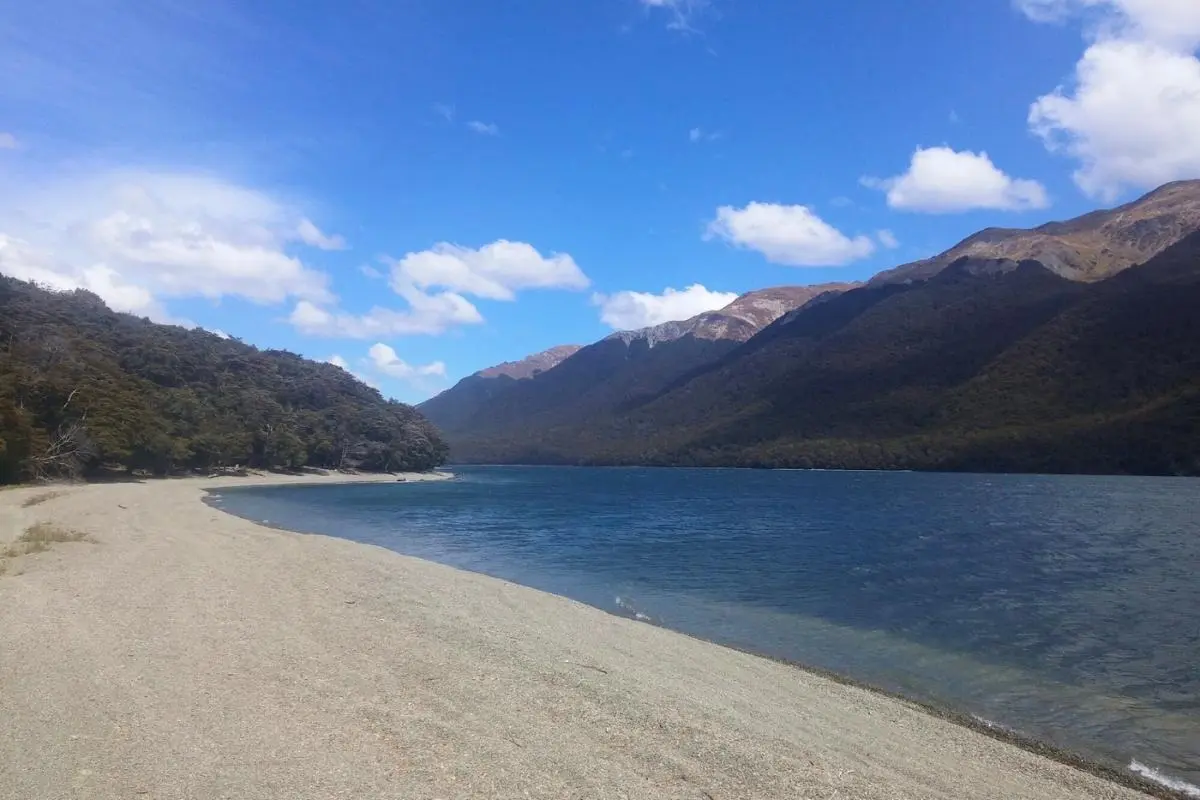
Yes—many travelers add scenic drives on the Milford Road, lake paddling, wildlife tours, and photography stops around Te Anau and Glenorchy to create a varied itinerary.