La Paz, Mexico
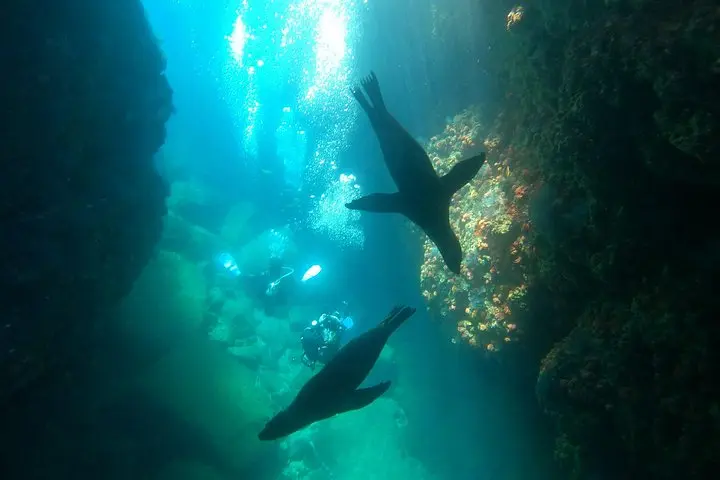
Espiritu Santo Island Snorkel & Sea Lion Encounter — Day Trip from La Paz
from $182.29USD
Loading the next place…
Gathering stories, stays, and experiences for you.

VAYCAI · ATTRACTION GUIDE
A short boat ride from La Paz, Isla Espiritu Santo pairs glass-blue water with arid ridgelines and white-sand coves. Stack half-day snorkeling and sea-kayak trips with a night of beach camping to combine wildlife viewing, coastal hiking, and sunrise panoramas. Access is straightforward from La Paz’s malecon—plan water time early or late in the day for calmer seas.
Explore experiences ↓Your guide to places, experiences, and adventures.
THE GOOD STUFF STARTS HERE
La Paz, Mexico


La Paz, Mexico

La Paz, Mexico

La Paz, Mexico

San José del Cabo, Mexico

La Paz, Mexico

La Paz, Mexico

Listed starting prices may vary by option, travel date and group size. Confirm the final total and availability on Viator. Sponsored links: we may earn a commission from qualifying bookings.
STORIES WORTH GOING FOR
La Paz · Mexico
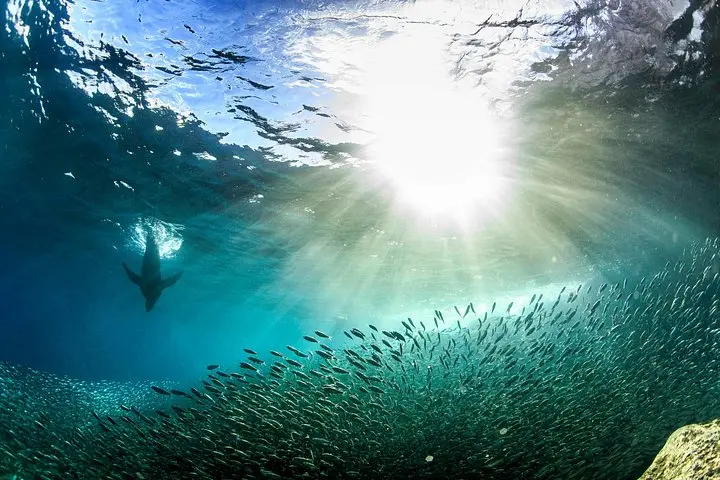
A micro-archipelago a short boat ride from La Paz, Isla Espíritu Santo offers crystal snorkeling with sea lions, short coastal hikes, and nights on silver sand—an accessible wild-coast trip that rewards simple preparation.
Read the story ↗
La Paz · Mexico
White sand, waist-deep turquoise water and a mushroom-shaped rock—Balandra is more than a photo op. This guide shows how to experience its snorkel coves, sea lions and hilltop views without harming the bay.
Read the story ↗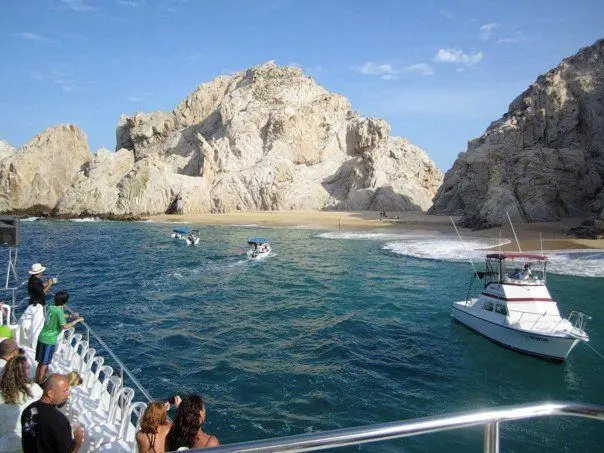
La Paz · Mexico
A jagged coastline, vaulted islands, and impossibly clear water make the Sea of Cortez a bucket-list ocean for snorkelers, anglers and wildlife lovers. Here’s what to expect, when to go and how to plan a responsible trip.
Read the story ↗GET TO KNOW THE PLACE
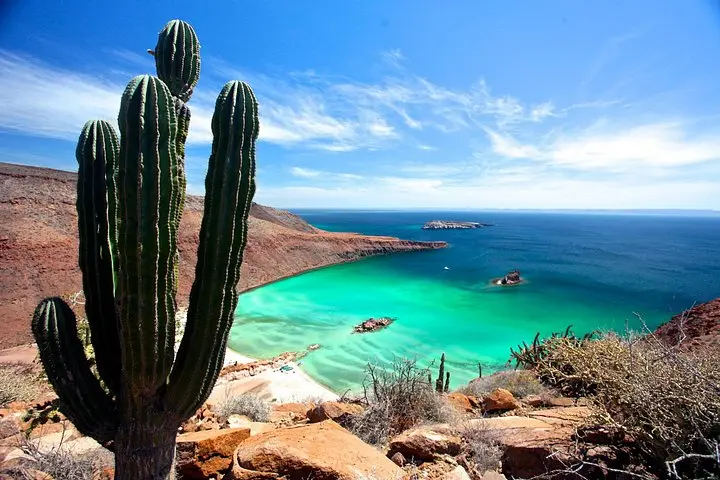
Step off the pier in La Paz and the sea takes over: the island’s coves open like pockets of glass, reefs hum with color, and scrubby ridges hold horizon views back to the city. Isla Espiritu Santo is a compact, accessible slice of Baja where you can stack snorkeling, kayaking, short hikes, and beach camping into a tidy multi-day escape without complicated logistics.
From a traveler's vantage the island reads simply: salt, stone, and sky. Geologically, the rock is a sun-bleached mix of volcanic and sedimentary outcrops that rise from shallow shelves into steep shorelines; tides and currents shape small sea caves and sheltered bays where marine life concentrates. Historically the islands were used by indigenous peoples and later by ranchers and fishermen; today they sit close to La Paz but feel remote. The sea nudges visitors toward the water—snorkelers watch schools of reef fish braid through kelp, while pelagic visitors sometimes pass offshore—so build shoreline time into any itinerary.
Practical planning is straightforward but benefits from a few rules of thumb. Most people reach the island on day trips or private charters from La Paz’s waterfront; boat schedules and operator offerings vary, so book in advance if you want a specific landing, a guided snorkel, or an overnight camp. Stack activities: a morning snorkel when the water is calm, a midday beach hike to warm up, and a late-afternoon paddle to explore adjacent coves and sea cliffs. Bring sun protection and an easy hiking shoe for scrambly ridgelines. Currents can change with wind and tide—local operators adjust routes, so rely on them for safety and to find the best snorkeling.
The island’s protected status and local conservation efforts shape how visitors move here. Respect marked no-landing zones, avoid touching coral or harassing wildlife, and carry out all trash. There are no large services on the island, so provisioning in La Paz is part of trip prep—water, snacks, and fuel for a stove if you plan to camp. Timing matters: early and late-season trips can reduce crowds and provide calmer seas, while mid-day in high season brings more operators and busier beaches. With a little planning, Isla Espiritu Santo delivers big-water adventure in a small footprint.
PLAN YOUR VISIT
October, November, December, January, February, March
Fall through spring typically offers cooler air, clearer water, and calmer seas suited to snorkeling and paddling; summer is hotter with a higher chance of storms and choppier conditions.
Busiest period is winter holidays and early spring when international visitors arrive; book charters and lodging well in advance and plan early departures to avoid day-trip crowding.
Visiting in late spring or summer can mean fewer crowds and lower prices, but be prepared for hotter conditions, possible higher winds, and limited services; choose sheltered coves if seas are rough.
PACK WITH PURPOSE
FIND YOUR PACE
Advanced adventurers plan longer paddling legs, backcountry campsite logistics, and exposed ridge scrambling.
Beginner-friendly adventures focus on calm-water activities and short shoreline walks with minimal technical demand.
Intermediate visitors combine paddling and hiking with longer snorkel sessions and multi-stop island tours.
BEFORE YOU GO
You can visit with a licensed operator or a private charter; guided trips add safety, gear, and local knowledge for the best snorkeling and landing spots.
Overnight camping is possible in designated areas with approved operators; bring your own gear and confirm campsite availability and rules before you go.
Yes—operators supply flotation and guide close to calm coves; non-swimmers should use a life jacket and stay near the boat or shore.
A strong day trip gives a taste, but a 2–3 day trip lets you stack multiple activities—snorkel, kayak, hike, and camp without rushing.
Sun and dehydration are the top risks—carry water, use sun protection, heed operator advice on currents and weather, and avoid touching marine life or coral.
La Paz is served by regional flights and road connections from Los Cabos; allow time for transfers and coordinate boat departures with your arrival schedule.