
Adamas, Greece
Private Milos Boat Tour to Kleftiko, Tsigrado & Sikia — Unspoiled Secret Beaches
from $1,156.31USD
Loading the next place…
Gathering stories, stays, and experiences for you.
VAYCAI · ATTRACTION GUIDE
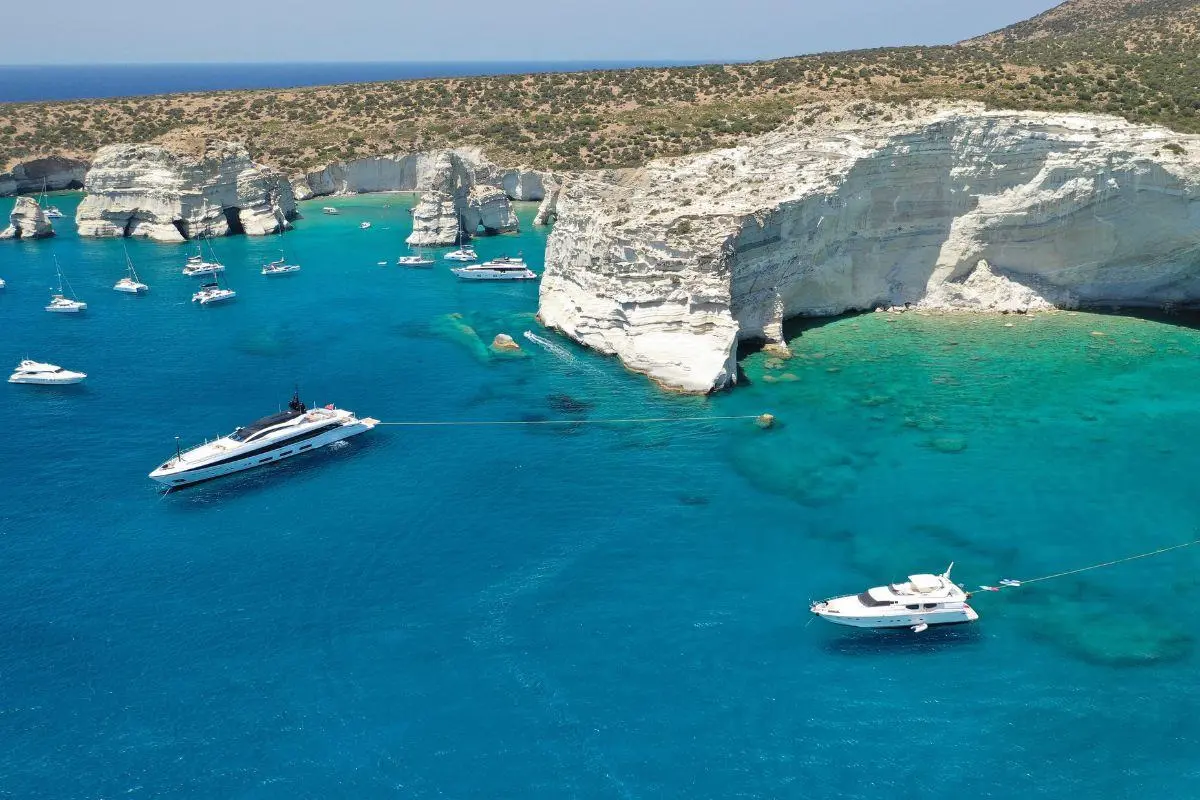
Kleftiko stacks marine adventure on top of geological theater: boat exploration of sea caves, snorkeling in aquamarine coves, and short rocky strolls along volcanic ledges for panoramic views. Most visitors stitch a morning boat trip to Kleftiko with stops at nearby coves and the surreal lunar coast of Sarakiniko for a full water-and-land day.
Explore experiences ↓Your guide to places, experiences, and adventures.
THE GOOD STUFF STARTS HERE
Adamas, Greece


Adamas (Adamantas), Greece

Pollonia, Greece

Adamantas (Adamas), Greece

Adamas, Greece


Adamantas (Adamas), Greece
Pollonia, Greece
Adamas, Greece
Listed starting prices may vary by option, travel date and group size. Confirm the final total and availability on Viator. Sponsored links: we may earn a commission from qualifying bookings.
STORIES WORTH GOING FOR
Milos · Greece
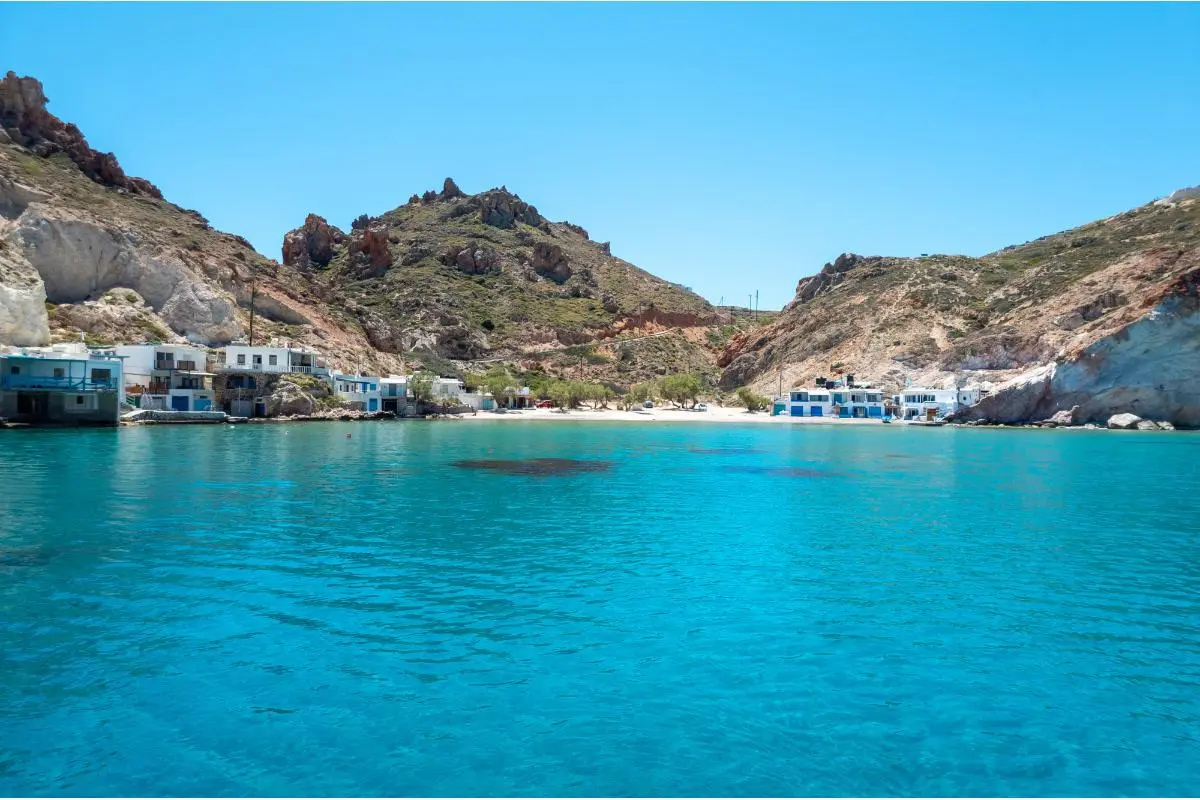
A small fishing cove with syrmata, calm emerald waters, and easy access to Milos’s volcanic coastlines. Firopotamos is a perfect spot to pair snorkeling and swimming with a Jeep safari or a boat trip to Kleftiko.
Read the story ↗Milos · Greece
Accessible only by sea, Kleftiko is Milos’ most theatrical coastline: sea caves, arches, and water so clear it feels like a different planet. Whether you choose a private yacht, a half-day sail, or a full-day exploration that includes Sykia Cave, the trip is a lesson in geology, light, and careful coastal travel.
Read the story ↗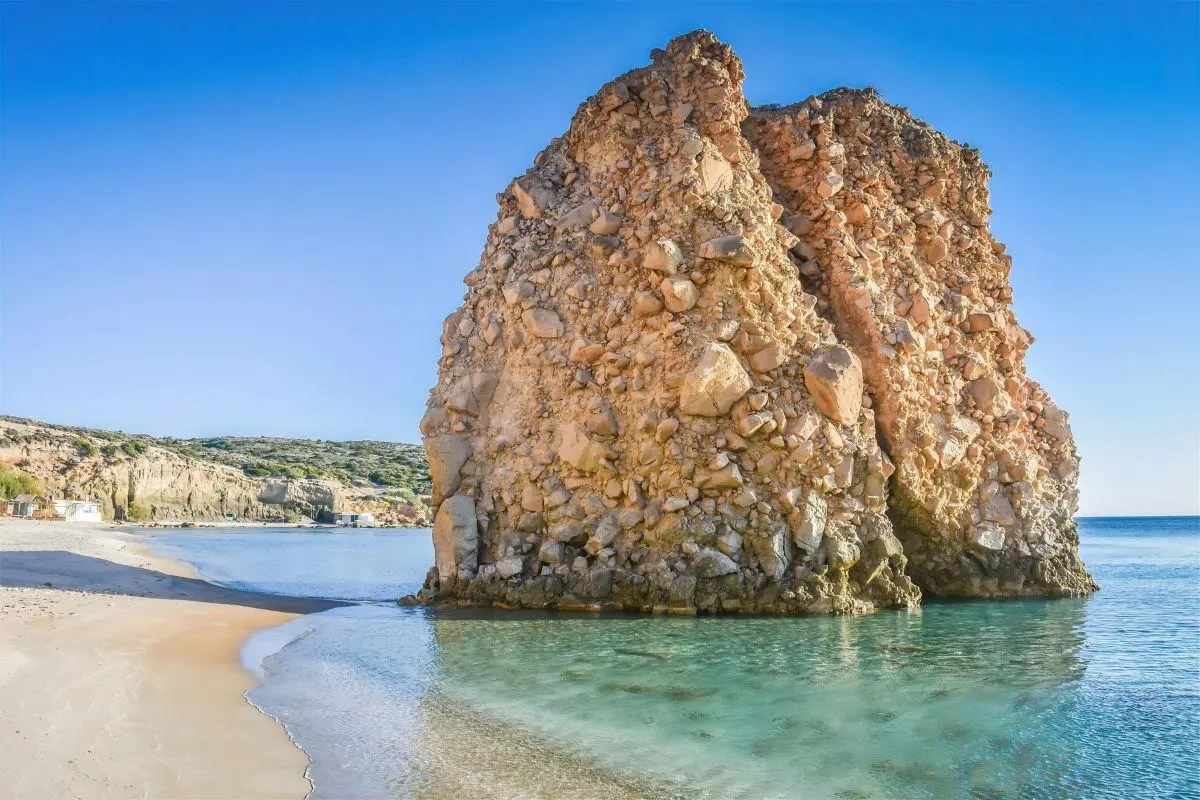
Milos · Greece
A wind-sculpted cove on Milos’s south coast, Firiplaka Beach pairs pale tuff cliffs and turquoise shallows with easy access to iconic sea caves — perfect for beach days and boat trips to Kleftiko.
Read the story ↗GET TO KNOW THE PLACE
A cluster of sculpted cliffs, hidden coves and archways, Kleftiko reads like a map of erosive theater—wind and sea have carved rooms and passageways big enough for a small boat. The result is a place that rewards both cautious swimmers and adventurous divers with dramatic caves, bright blue surf, and rock faces that hold sunlight differently over the day.
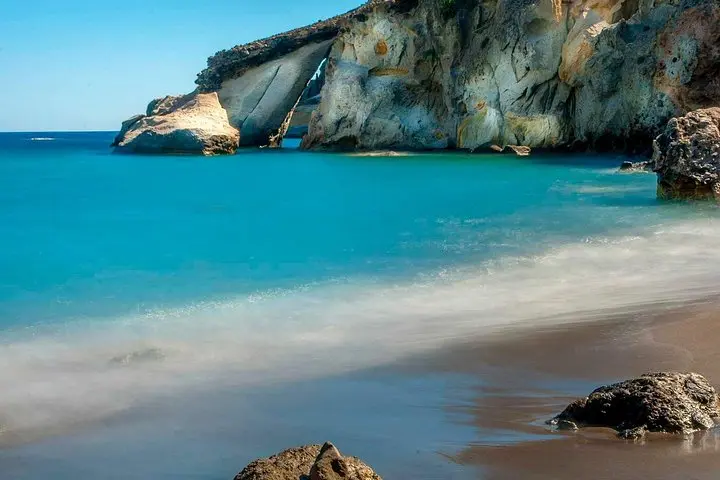
You step off a tender and the world narrows to water and stone. The cliffs are volcanic tuff and pumice that have been peeled into arches and honeycombed alcoves; they still smell faintly of salt and sulfur. Historically, Kleftiko’s caves offered hideouts for sailors and, local lore insists, for corsairs—hence the name, which hints at theft and refuge. Today the coves are visited by dayboats that make a loop around the southwest coast of Milos, dropping people in pockets of calm water for snorkeling and short swims. The sea here nudges you into movement: currents can pull you gently along passages, and sunlight catches suspended particles to light up the floor in aquamarine.
Practical planning shapes the quality of the experience. Access is predominantly by boat from Adamas or private charters; few formal land routes exist and those that do are exposed and rocky. Morning trips generally deliver the calmest water for snorkeling and clearer visibility; afternoon light is better for photography and sunsets. Bring footwear with grip for brief shore landings and expect unstable ledges if you climb—use the ladder, not the cliff, when offered. Safety matters: check sea conditions, move with a guide if you’re unfamiliar with open-Aegean currents, and treat cave entrances like narrow waterways where boats and swimmers share space.
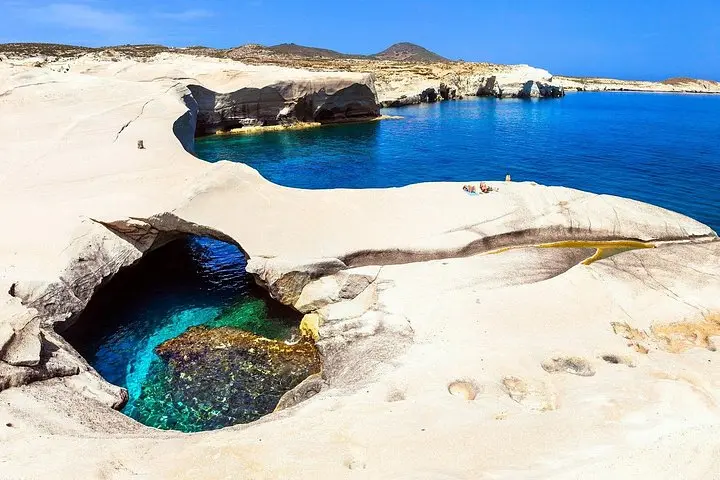
Kleftiko pairs well with other Milos highlights: a drive to Sarakiniko’s alabaster platforms, a quiet afternoon in Pollonia, or a return to Adamas for fresh seafood and a cold beer. Cultural rhythms are simple—slow mornings, busy boating hours, and calm evenings—so stack your day to avoid midday crowding and to give yourself time for unhurried swims. If your timing is flexible, book a private charter to stretch the itinerary: early swims in Kleftiko, a midday stop at a white-pebble beach, and a final drift along the coast as the light softens.
PLAN YOUR VISIT
May, June, September, October
Spring and early autumn usually deliver calm seas and mild temperatures, ideal for snorkeling and boat trips; summer is warmer but brings more visitors and afternoon meltemi winds while winter is offbeat and windier with limited services.
July and August are busiest with frequent dayboat traffic; book boats and accommodation well in advance and plan for early departures to avoid midday crowds.
Visiting in shoulder seasons gives clearer water, fewer boats and lower rates for lodging; note that crossings and local services may operate on reduced schedules and windier days can limit safe sea access.
PACK WITH PURPOSE
FIND YOUR PACE
Advanced visitors pursue extended sea swims, technical freediving, and multi-stop sailing itineraries that require experience in open-water conditions.
Beginner travelers can enjoy short, guided boat trips, calm-water snorkeling, and shore-side photography without specialized skills.
Intermediate adventurers combine private charters with longer swims, snorkeling in deeper water, and informal cliff-hopping where conditions permit.
BEFORE YOU GO
Most visitors reach Kleftiko by organized boat or private charter; independent access is limited and often impractical, so booking a reputable boat operator is the typical approach for safety and convenience.
Yes, in calm conditions Kleftiko offers excellent snorkeling; check sea state, enter the water with a buddy, and avoid caves if the water is rough or the operator advises against it.
There are no well-serviced public land routes to Kleftiko—access is primarily maritime and shore landings can be rocky and exposed, so boats are the recommended option.
Plan a half-day minimum for a visit when combined with other stops; many charters run full-day loops that let you explore caves, snorkel, and visit neighboring beaches.
Operators monitor conditions and will adjust itineraries; if weather forces cancellation, ask about rebooking or refunds and have a dry-plan such as a coastal drive or museum visit on standby.
There are no permanent facilities at the coves; bring food and water or plan to return to Adamas or nearby ports for meals and bathrooms.