

VAYCAI · ATTRACTION GUIDE
Brighton Beach Visitor Guide
Brighton Beach pairs easy urban access with genuine Atlantic exposure—boardwalk strolling, open-water swims at calmer tide windows, and waterfront cycling are the headline acts. Stack short morning runs or a sunrise walk with an afternoon of casual paddling or birdwatching at nearby inlets to get the full mix without a long drive.
Explore experiences ↓Your guide to places, experiences, and adventures.
THE GOOD STUFF STARTS HERE
Experiences around Brighton Beach

Brooklyn, United States
Private Brooklyn Sightseeing Tour — 6-Hour Driver-Guide from NYC
from $1,199.00USD
Listed starting prices may vary by option, travel date and group size. Confirm the final total and availability on Viator. Sponsored links: we may earn a commission from qualifying bookings.
STORIES WORTH GOING FOR
Stories from Brooklyn
GET TO KNOW THE PLACE
Why Brighton Beach
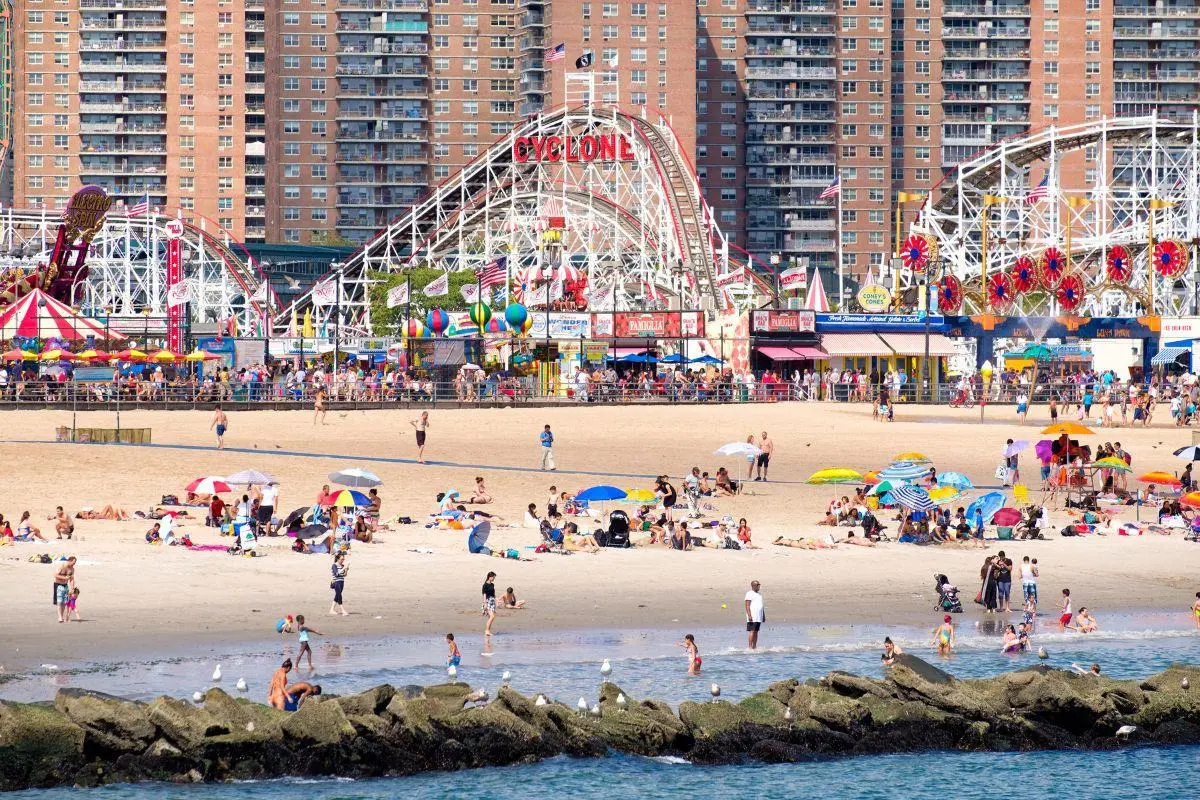
Brighton Beach feels immediate: the surf nudges at the sand, the boardwalk hums, and the city’s edge is never far. It’s a coastal entry point for urban explorers who want salt-water days without leaving Brooklyn—perfect for short runs, family-friendly swims, and quick paddles where the Atlantic shows both gentler and more restless faces.
Walk onto the sand and the city’s hand is obvious—lamps, subway lines, and local businesses fold into the shoreline. Geologically this stretch is part of the glacially formed Atlantic coastal plain, a flat, sandy fringe that holds wind and wave energy differently than the region’s rockier headlands. The boardwalk acts as the neighborhood’s spine: at dawn the tide retreats like a shy neighbor, offering shell hunts and a quiet place to run; by afternoon it holds a steady stream of families and anglers. Local culture is a blend of old-school Brooklyn and immigrant communities that keep cafes and eateries lively—food becomes part of the outdoor itinerary as readily as a sunbreak or a set of rolling swell.
History here is civic and seasonal; Brighton’s seaside role evolved from 19th-century resort ambitions to a resilient urban beachscape. The Atlantic shapes plans—on windy days the ocean pushes surf that draws more experienced swimmers and surfers while the calmer pockets near the bay invite paddlers. Practical access is straightforward: subway and bus routes land you within minutes of sand, so day trips are simple to organize. Timing is everything—early mornings and weekday afternoons reduce crowds; late summer weekends are busy. For planning, check tide and swell notes before swimming or paddling, and pick a protected launch for small boats when conditions are windy.
If you’re stacking experiences, aim for a compact day: sunrise walk or run along the boardwalk, a midmorning coffee and pier-side people-watching, a midday paddle in calmer coves, then an evening seafood meal. Nature here is cooperative and occasionally capricious—the wind will roll in and the sea will push back—so build flexibility into each day and favor short, modular activities that can be rearranged around weather and crowds.
Get to know the place
Attractions worth a closer look.


PLAN YOUR VISIT
When to go.
Best months
May, June, July, August, September
Weather
Late spring through early fall offers the most reliable warm weather for swimming, paddling, and boardwalk activity, while shoulder months are cooler with fewer crowds. Summer can bring humid afternoons and occasional coastal storms.
Peak season
The busiest period is mid-June through August; expect crowded weekends and limited parking—plan to arrive early, use transit, or book lodging well in advance.
Beyond the peak
Spring and fall bring quieter walks, lower rates, and good birdwatching; winter offers solitude but watch for cold water and stronger winds—avoid unguarded swimming during off-season conditions.
PACK WITH PURPOSE
What to bring.
optional
- Binoculars for birdwatching
- Action camera or phone mount
- Compact picnic kit
essential
- Layered clothing (cool mornings, warmer afternoons)
- Plenty of water and snack supplies
- Traction footwear or beach shoes
- Sun protection (hat, sunscreen, sunglasses)
- Offline map or saved transit directions
recommended
- Light rain shell or windproof layer
- Headlamp or small flashlight for early starts
- Lightweight dry bag for electronics and valuables
FIND YOUR PACE
Choose your kind of adventure.
advanced
Suited to experienced outdoor enthusiasts who chase dynamic coastal conditions.
- Open-ocean surf sessions when conditions are suitable
- Long-distance coastal cycling linking Brooklyn waterfronts
- Early-morning paddle or photo mission in variable winds
beginner
Ideal for newcomers seeking low-commitment coastal activity close to transit.
- Boardwalk stroll and morning coffee
- Shallow-water beach wading or supervised swimming
- Casual cycling along the Brooklyn shore
intermediate
For active visitors wanting moderate exertion and basic water skills.
- Sunrise run along the boardwalk and shoreline
- Stand-up paddle in protected coves or bays
- Shore fishing or beach volleyball
BEFORE YOU GO
Your questions, answered.
Do I need a guide to explore Brighton Beach?
No—many visitors self-guide for boardwalk walks, swimming at lifeguarded times, and casual cycling; guided options help with paddling launches, surf lessons, or deeper local history tours.
Is Brighton Beach family-friendly?
Yes—there are shallow sand areas and family-oriented spaces, but always supervise children near the water and swim at lifeguarded sections when available.
What are the transportation options?
Subway and bus lines serve the area directly, and rideshares and local parking are available though limited during summer weekends—public transit is often fastest.
When is it safe to swim or paddle?
Swim near lifeguarded zones and avoid heavy surf; check local tide, wind, and swell forecasts before paddling and choose protected launch spots when winds are strong.
How long should I plan for a visit?
A meaningful visit can be a half-day, but stacking a sunrise walk, midday paddle, and evening meal makes for a relaxed full-day itinerary; overnight stays allow more flexibility.
What should I do if weather turns?
Have a rain- or wind-friendly fallback—local museums, cafés, and indoor markets provide easy pivots; for outdoor options, favor protected parks or postpone water activities.