
Lahaina, United States
Olowalu Turtle Snorkel: Lahaina Small-Group Tour with Photos & Guarantee
See current price

VAYCAI · DESTINATION GUIDE
The USA is a patchwork of adventure: steep ridgelines, inland deserts, and endless coastline that you can stack into one efficient trip. Combine a few days of backcountry hiking with a river paddle or a scenic drive between regions to maximize variety without repeating transit. Practical planning—regional timing, transport hubs, and a flexible itinerary—is the key to turning a broad country into a tightly curated outdoor escape.
Explore experiences ↓Your guide to places, experiences, and adventures.
THE GOOD STUFF STARTS HERE
Lahaina, United States

Los Angeles, United States

Inverness, United States

Guerneville, United States


Roanoke, United States

Breckenridge, United States


Oljato-Monument Valley, United States

Klamath Falls, United States


Front Royal, United States

Honolulu, United States

Sedona, United States

Green Bay, United States

Tampa, United States

Barstow, United States

Saint Paul, United States

Miami, United States

Key West, United States

Annapolis, United States

Virginia City, United States

Sacramento, United States

Portland, United States
Listed starting prices may vary by option, travel date and group size. Confirm the final total and availability on Viator. Sponsored links: we may earn a commission from qualifying bookings.
GET TO KNOW THE PLACE
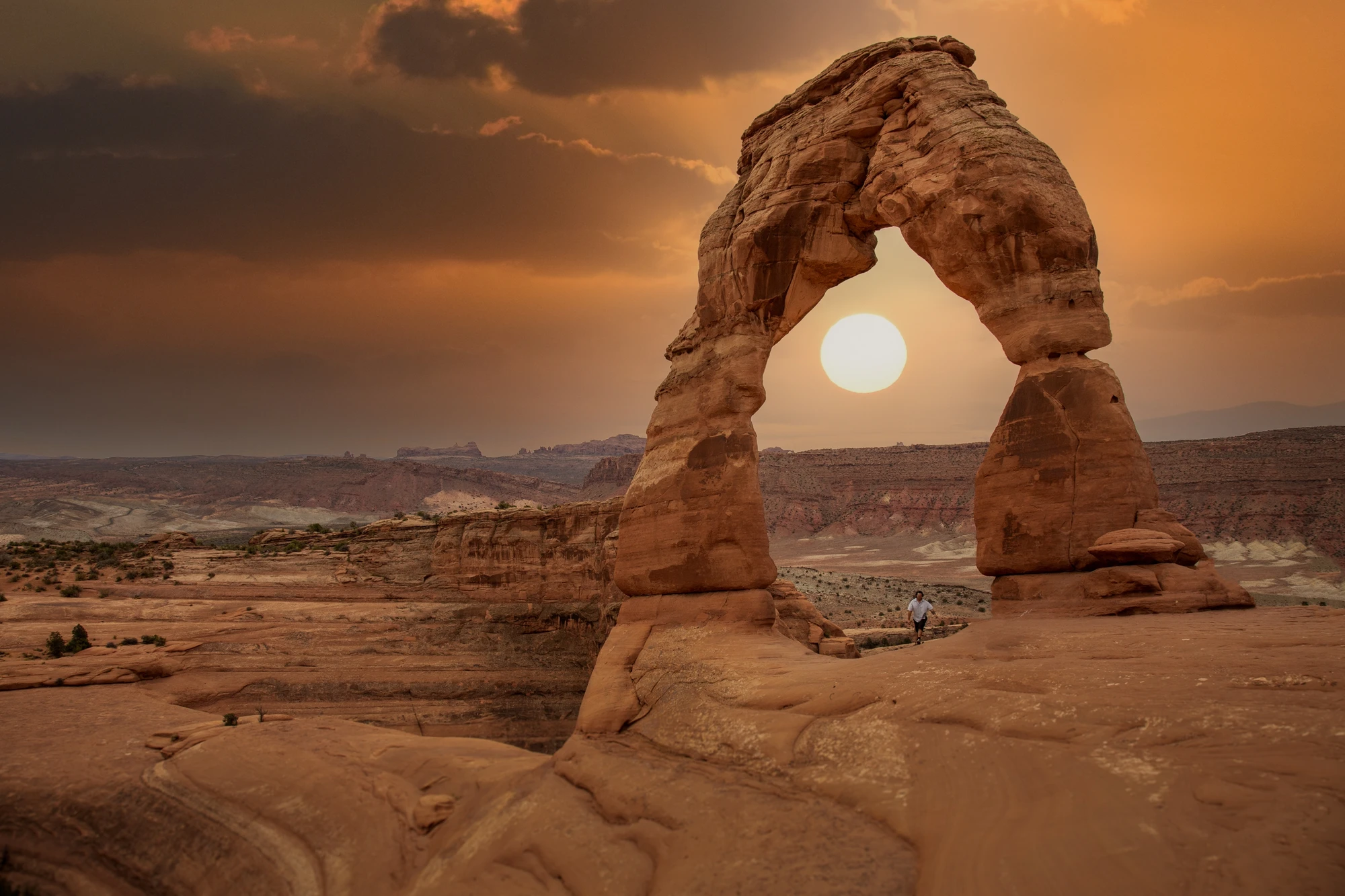
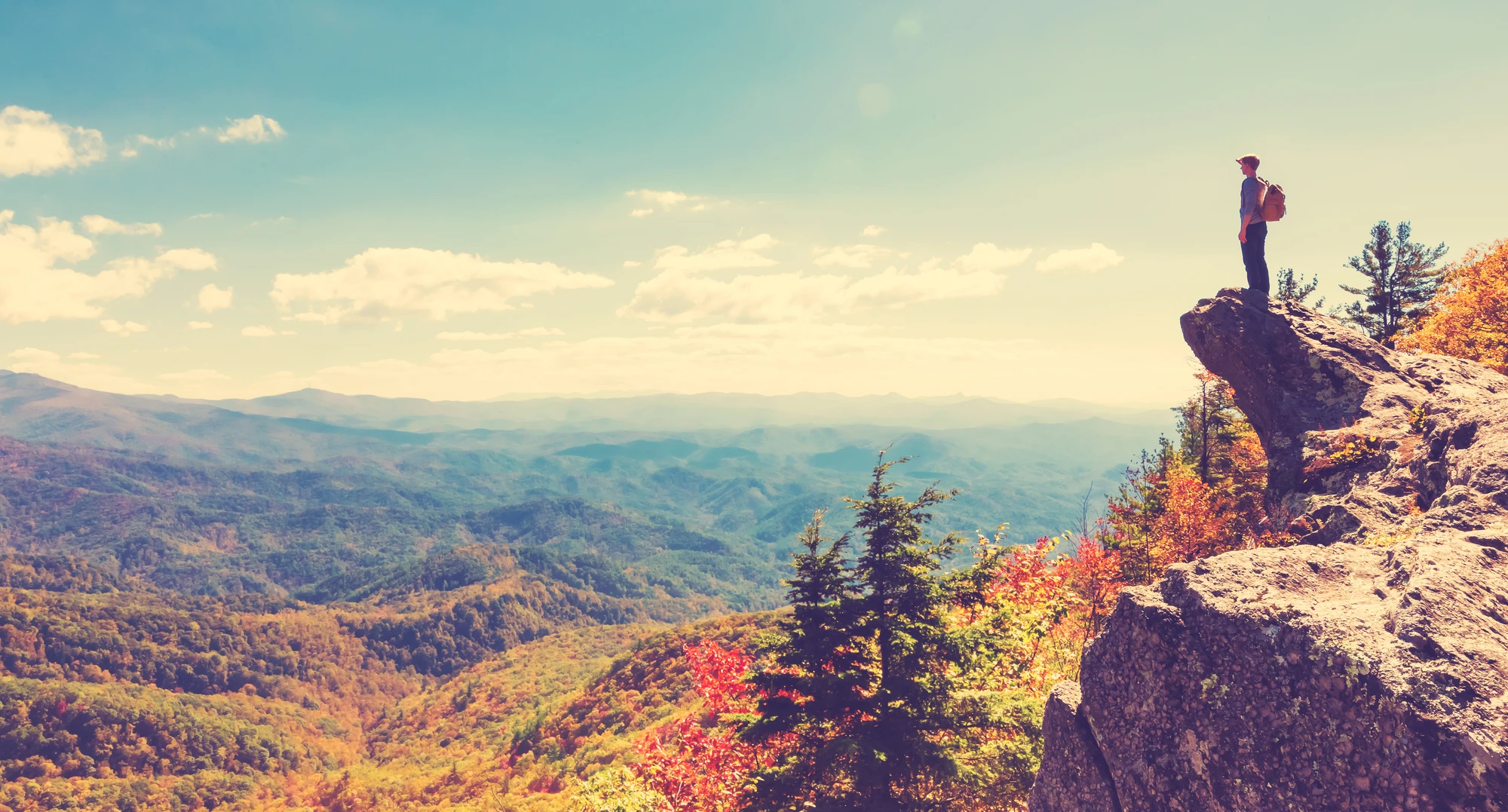
A morning in the USA can begin with a salt breeze along the Pacific, move to a red-rock canyon by noon, and finish on a high-country ridgeline under stars. The scale is the point: landscapes nudge you to try different activities in close succession, so a single trip can include hiking, paddling, biking, and scenic driving without feeling repetitive.
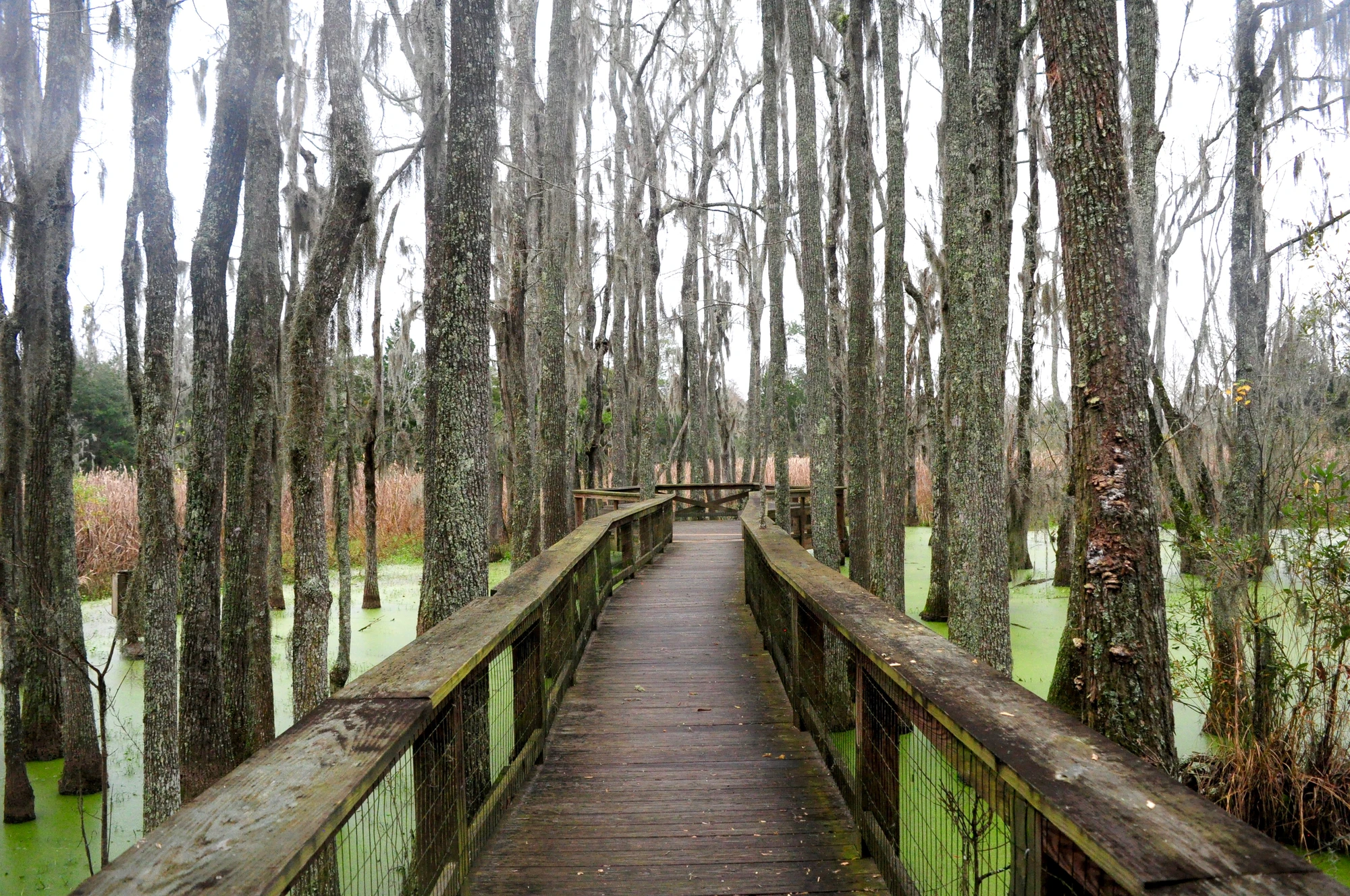
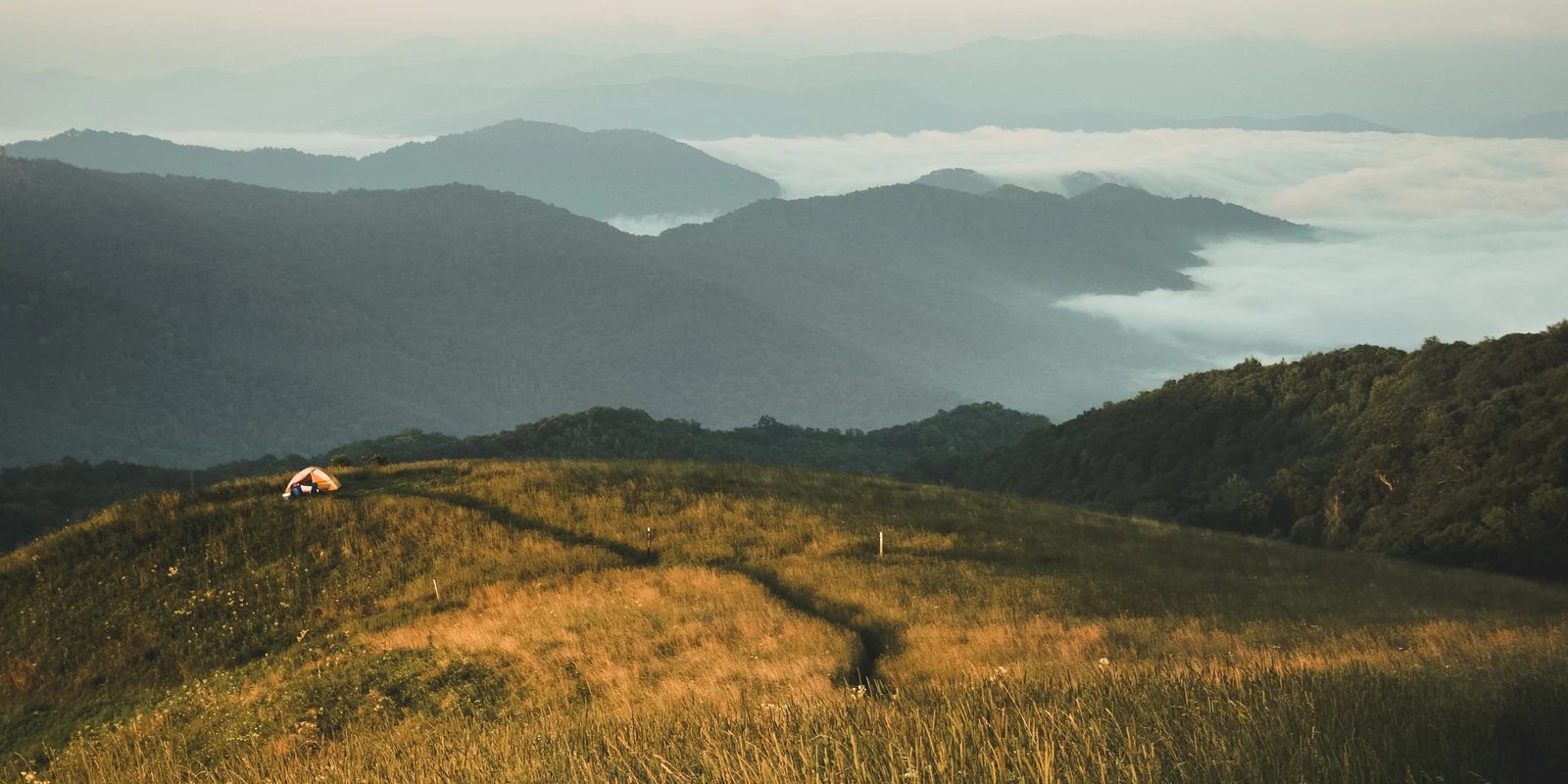
Geology and culture intersect across a vast country shaped by glaciers, rivers, and tectonic uplift. The Rocky Mountains rise like a spine of stone in the West while the Appalachian ridgelines hold a softer, older profile in the East; coastal plains and barrier islands wear the ocean’s fingerprints. Indigenous histories, pioneer routes, and modern conservation efforts thread through trail networks and public lands. That mix means you'll pass historic sites between trailheads and find local outfitters who know microclimates and seasonal hazards, which is useful when planning one-day logistics or multi-day routes.
Timing matters. Spring and fall are prime windows for long hikes in many regions: mornings can be crisp, afternoons clear, and days long enough to move efficiently. Summer opens high-country trails and alpine lakes but brings afternoon storms in mountain ranges and hot, dry conditions in deserts that change how you pack and move. Winter is quieter in many national parks and ideal for northern skiing and lower-elevation coastal walks, but it requires winter kits and a different pace. Access varies: some roads are seasonal, remote campsites fill quickly, and river levels shift with snowmelt and rainfall, so check conditions before committing to routes.
Practical planning is straightforward when you break the country into regions and stack experiences. Fly into a regional hub, rent a car or use a mix of local shuttles, and prioritize a few major highlights rather than trying to cross coasts in a rush. Local guides add value on technical water or alpine routes; outfitters will advise on permits and recent trail conditions. For travelers who want variety with minimal fuss, combine a guided paddling day or biking loop with self-guided hikes and one scenic drive to tie the itinerary together.
Places to explore


Get to know the place









PLAN YOUR VISIT
May, June, September, October, December
Spring and fall offer temperate days and fewer crowds across many regions; summer opens alpine zones but brings afternoon storms in mountains and heat in deserts; winter is ideal for northern and alpine pursuits but requires winter gear.
Peak season varies regionally but generally centers on summer months; expect busier trailheads and booked lodging, so start early on hikes and reserve accommodations and tours well in advance.
Off-season travel offers lower rates, quieter trails, and clearer access to popular viewpoints, but watch for seasonal road closures, muddy trails, and reduced services in remote areas.
PACK WITH PURPOSE
FIND YOUR PACE
Advanced itineraries require technical skills, navigation, and self-sufficiency over remote terrain.
Beginner trips focus on low-risk, high-reward activities with straightforward logistics.
Intermediate adventures introduce longer mileage, varied terrain, and a few technical sections.
BEFORE YOU GO
You can self-guide for many hikes and scenic drives, but hire a guide for technical paddling, river rafting, technical climbs, or backcountry navigation if you lack experience.
Plan at least 4–7 days per region to move between highlights without rushed travel; shorter 3-day trips work well for focused pursuits like biking or a guided paddle.
Watch for rapidly changing mountain weather, river currents, and heat in desert areas; carry navigation tools, sufficient water, and tell someone your route and schedule.
Permits and park passes differ by site; check official park websites or ask your travel agent to confirm permit needs, reservation windows, and any quota systems.
Public transport can connect to regional hubs, but many trailheads and backcountry access points require a car or booked shuttle; combine transport modes for efficient routing.
Have backup activities planned—scenic drives, museum visits, or coastal walks—and check local outfitters for last-minute guided options that suit current conditions.