New Orleans, United States
French Quarter Walking Tour: Jackson Square to Bourbon Street (90-Minute)
from $39.00USD

VAYCAI · ATTRACTION GUIDE
Jackson Square is a compact urban adventure: a centuries-old plaza framed by cathedral spires, river views, and streets alive with buskers and artists. Stack experiences easily here—historic walking loops, café stops, a riverfront stroll, and a short detour for a bayou or paddle trip outside the city—making it a practical hub for a 24- to 72-hour New Orleans exploration.
Explore experiences ↓Your guide to places, experiences, and adventures.
THE GOOD STUFF STARTS HERE
New Orleans, United States

New Orleans, United States

New Orleans, United States

New Orleans, United States

New Orleans, United States

New Orleans, United States

New Orleans, United States
New Orleans, United States
New Orleans, United States

New Orleans, United States

New Orleans, USA

New Orleans, United States

New Orleans, United States

New Orleans, United States

New Orleans, United States

New Orleans, United States

New Orleans, United States

New Orleans, United States

New Orleans, United States

New Orleans, United States

New Orleans, United States

New Orleans, United States

New Orleans, United States

New Orleans, United States
Listed starting prices may vary by option, travel date and group size. Confirm the final total and availability on Viator. Sponsored links: we may earn a commission from qualifying bookings.
STORIES WORTH GOING FOR
GET TO KNOW THE PLACE
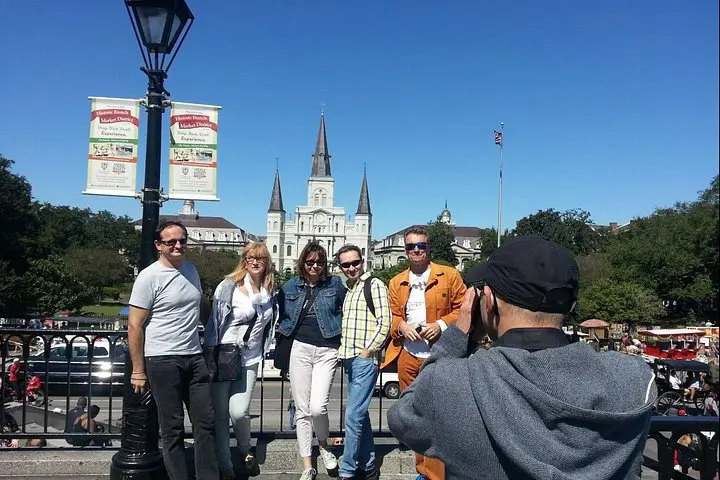
Stepping into Jackson Square feels like walking into a living postcard: the cathedral watches over horse-drawn carriages, painters arrange their canvases, and the river nudges the edge of the plaza. It’s not wilderness, but it is a distilled place where walking becomes an adventure—history, music, and flavor all within a few blocks and easily stacked into longer regional outings.
Jackson Square sits at the heart of the French Quarter, the oldest settled neighborhood in New Orleans. The site has layered histories: colonial outpost, marketplace, public square and ceremonial space. Geology here is less mountain story than river story—the Mississippi’s floodplain shaped the street grid and the levees you’ll see on the riverfront. The square’s built environment tells the city’s cultural arc: soaring cathedral facades, wrought-iron balconies on nearby streets, and centuries of Creole, French and American influences reflected in the food and music around you. When planning a visit, treat the square as a basecamp for urban exploration rather than a single destination.
Practical timing matters. Mornings carry a cooler, quieter energy ideal for photography and reflective walks; afternoons warm quickly, and evenings bring musicians and crowds that can feel like an outdoor theater. Access is straightforward—most streets funnel into the plaza on foot, and transit, ride-shares, and riverboats converge within easy walking distance. Prioritize the cathedral steps and the riverwalk for views, then slot in ritual stops: a café for shade and coffee, an art vendor for a quick conversation, and a short guided tour if you want deeper historical context. If you plan to pair the square with natural outings—swamp tours or paddling trips—reserve those as half-day excursions outside the urban core.
Cultural respect and safety are part of the experience. Street performance and open-air art are central to Jackson Square’s character; tipping performers, asking before photographing people close-up, and walking with situational awareness will keep interactions positive. Weather can shift dramatically—sudden summer storms roll through—and the plaza can be crowded during festivals and holiday weekends. For a practical day, start early, carry water and shade, and use the square as the rhythmic center of a broader New Orleans plan that might include river excursions, neighborhood walks, and evening music sessions.
PLAN YOUR VISIT
February, March, October, November
Spring and fall offer mild, comfortable weather for walking; summers are hot and prone to afternoon storms, while winters are mild but can be damp. Sudden rain showers are common in warm months.
Carnival season and spring festivals draw the largest crowds, so plan to arrive early, reserve lodging well in advance, and expect busy streets and booked tours.
Visit in late fall or winter for fewer crowds, lower rates, and quieter streets; be mindful of occasional rain and check event calendars since closures or festival setups can change access.
PACK WITH PURPOSE
FIND YOUR PACE
Full-day itineraries that pair urban exploration with regional adventures and early starts for photography or long river paddles.
Low-impact, sensory urban adventures focused on walking, food, and music with minimal gear required.
Stacked half-day experiences combining guided tours, cycling, and a short water-based outing.
BEFORE YOU GO
No—self-guided walking through the square is fulfilling, but a local guide adds historical context, shortcuts, and access to stories you’ll otherwise miss. Consider a half-day guided tour if you want deeper insight.
The area is generally safe and lively after dark, but use common urban precautions: stay in well-lit areas, keep valuables secure, and travel with companions or reputable transportation when returning to lodging.
Budget at least 1–2 hours to see the square and cathedral, plus additional time for cafes, galleries, and a riverwalk; stack half-day or full-day excursions for nearby swamp tours or paddling trips.
Formal kayak launches are not within the square, but organized paddling excursions and river trips depart from nearby points; book with reputable operators who provide gear and safety briefings.
Many primary routes around the square are accessible, though some side streets have uneven pavement; check with specific venues or tours about wheelchair access and assistance.
Visit early morning on weekdays for the quietest experience, or plan mid-afternoon departures; if a festival is scheduled, expect heavier crowds and limited seating around the plaza.