

VAYCAI · ATTRACTION GUIDE
Manoa Falls Visitor Guide
A verdant rainforest trail that ends at a waterfall, Manoa Falls is an easy, immersive hike you can pair with city-side activities. Stack a morning at the falls with an afternoon at a botanical garden or a sunset drive up Tantalus for panoramic views—perfect for travelers who want nature without a long transfer.
Explore experiences ↓Your guide to places, experiences, and adventures.
THE GOOD STUFF STARTS HERE
Experiences around Manoa Falls

Honolulu, United States
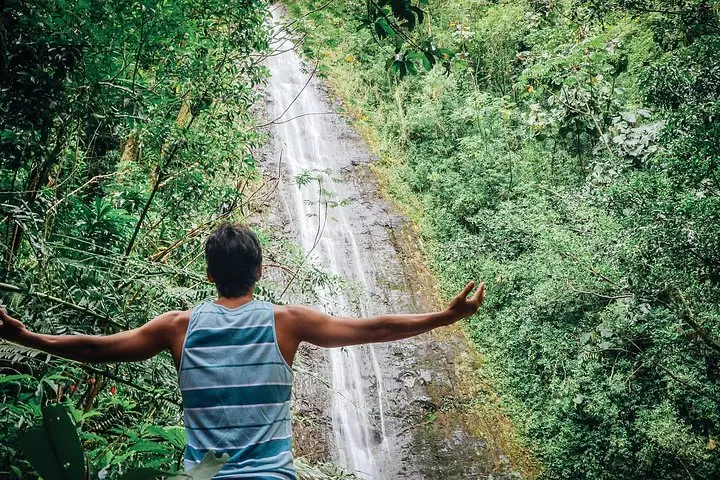
Private Honolulu Jungle Hike: Manoa Falls or Kalawahine Trail (2–4 hrs)
from $150.00USD

Honolulu, United States
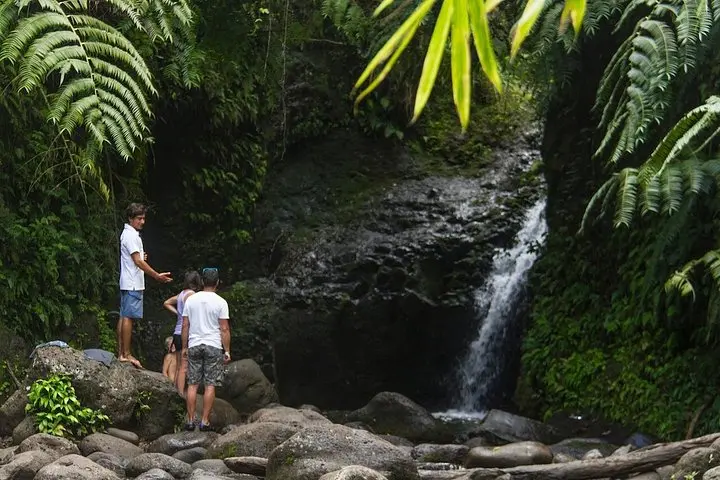
Manoa Waterfall Hike: Rainforest Walk, Waikiki Pickup & Tantalus Lunch
from $107.10USD
Honolulu, United States
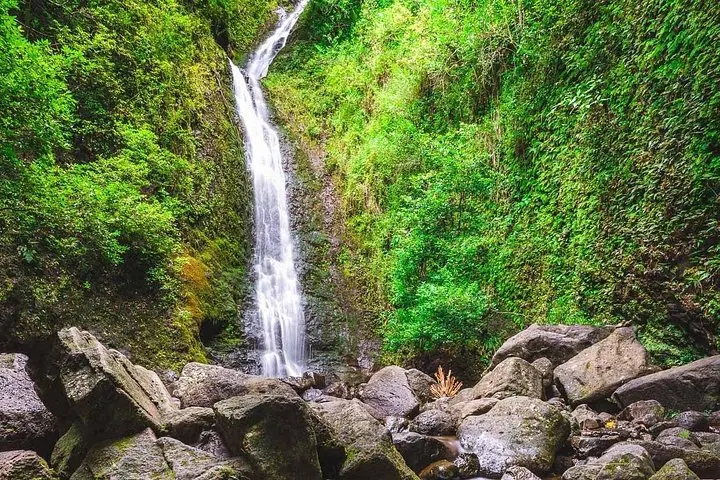
Oahu Friendly Hiking Experience: Waikiki Waterfalls, Lighthouse Views & Native Flora
from $285.00USD
Honolulu, United States
Manoa Falls Hike: Self-Guided Nature Walk to Oahu's Tallest Accessible Waterfall
from $79.00USD

Honolulu, United States
Manoa Falls Self-Guided Hike: Shuttle from Waikiki to a 150-Foot Waterfall
from $52.99USD

Honolulu, USA
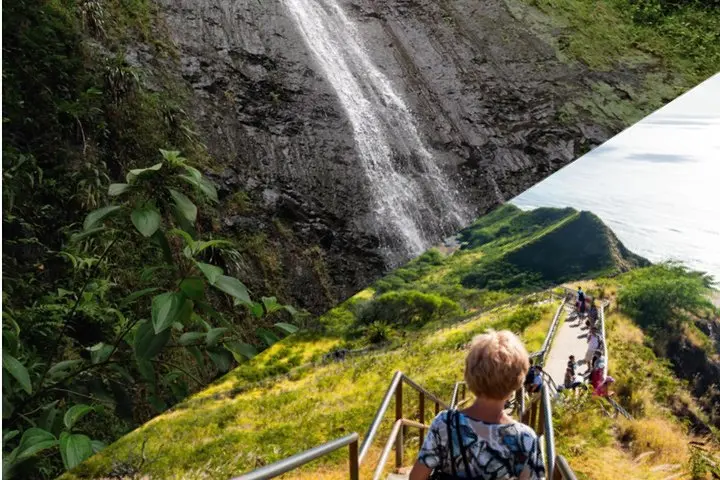
Diamond Head and Manoa Falls Hike — Waikiki Crater to Rainforest Waterfall
from $149.00USD
Honolulu, United States
Hawaiian Beauty Package: Hike Diamond Head and Manoa Falls from Waikiki
from $85.00USD

Honolulu, USA
Honolulu Rainforest Audio Drive: Manoa Falls, Tantalus Lookout & Chinatown
from $19.99USD

Honolulu, USA
Manoa Falls Hike & Hanauma Bay Snorkel — One-Day Tropical Adventure in Oahu
from $76.99USD

Honolulu, United States
Customizable Oahu Private Tours — Half- & Full-Day Waikiki to North Shore
from $175.00USD

Honolulu, USA
Waikiki Electric Bike Tour to Manoa Falls: Self-Guided E-Bike & Short Hike
from $72.99USD
Listed starting prices may vary by option, travel date and group size. Confirm the final total and availability on Viator. Sponsored links: we may earn a commission from qualifying bookings.
STORIES WORTH GOING FOR
Stories from Honolulu
GET TO KNOW THE PLACE
Why Manoa Falls Matters
Walk under a canopy that filters Honolulu’s sun until the ridgeline opens and the waterfall holds its steady curtain of water. Manoa Falls is accessible, lush, and immediate—an uncomplicated rainforest encounter that demonstrates Oʻahu’s volcanic backbone and the island’s wet-windward climate in a single outing.
The trail to Manoa Falls threads through a valley carved by streams that follow ancient lava flows; the Koʻolau Range holds the water in, and the clouds obey the windward slope. Geology here is direct—steep ridges and deep valleys shaped by erosion and tropical rain—so expect a trail that is green, rooted, and, after rain, slick. Culturally, Mānoa Valley has long been a place of cultivation and settlement, with taro patches and later horticultural experimentation that fed Honolulu’s development. Today the walk is a mix of native and introduced vegetation, and that diversity is part of the experience—ferns unfurl like small flags and alien fruiting trees drop color onto the path. The forest nudges along beside you, and the fall itself announces its presence before you see it.
Planning is straightforward but benefits from practical timing: mornings reduce crowding and minimize muddy sections after nightly showers. The trail is short enough for casual hikers but demands traction and awareness; roots and rain-wash can rearrange footing on a weekly basis. Access is close to urban Honolulu, which makes it easy to stack the hike with a half-day of cultural stops or a beach session. Respect posted signage and private property boundaries, and consider a guided option if you want botanical, cultural, or photographic context. Because the waterfall’s flow varies with rainfall, check conditions if a plunge pool swim is part of your plan; many visitors simply take in the cascade and head back refreshed.
For a single-day strategy, aim to hike early, then drive the winding Tantalus road for ridge views or visit the nearby botanical garden for a calmer follow-up. If you have several days on Oʻahu, use Manoa as the easy nature day while reserving other days for surf lessons, longer ridge hikes, or south-shore snorkeling. The key is pairing: a short, intense nature fix in the morning and lighter cultural or coastal activities in the afternoon gives a satisfying, low-logistics day that still feels like an adventure.
Get to know the place
Attractions worth a closer look.

ATTRACTION
Maunalua Bay
Explore this place ↗
ATTRACTION
Manoa Valley, Honolulu, Hawaii, United States
Explore this place ↗
ATTRACTION
Makapuu Lighthouse
Explore this place ↗
ATTRACTION
Koʻolau Range
Explore this place ↗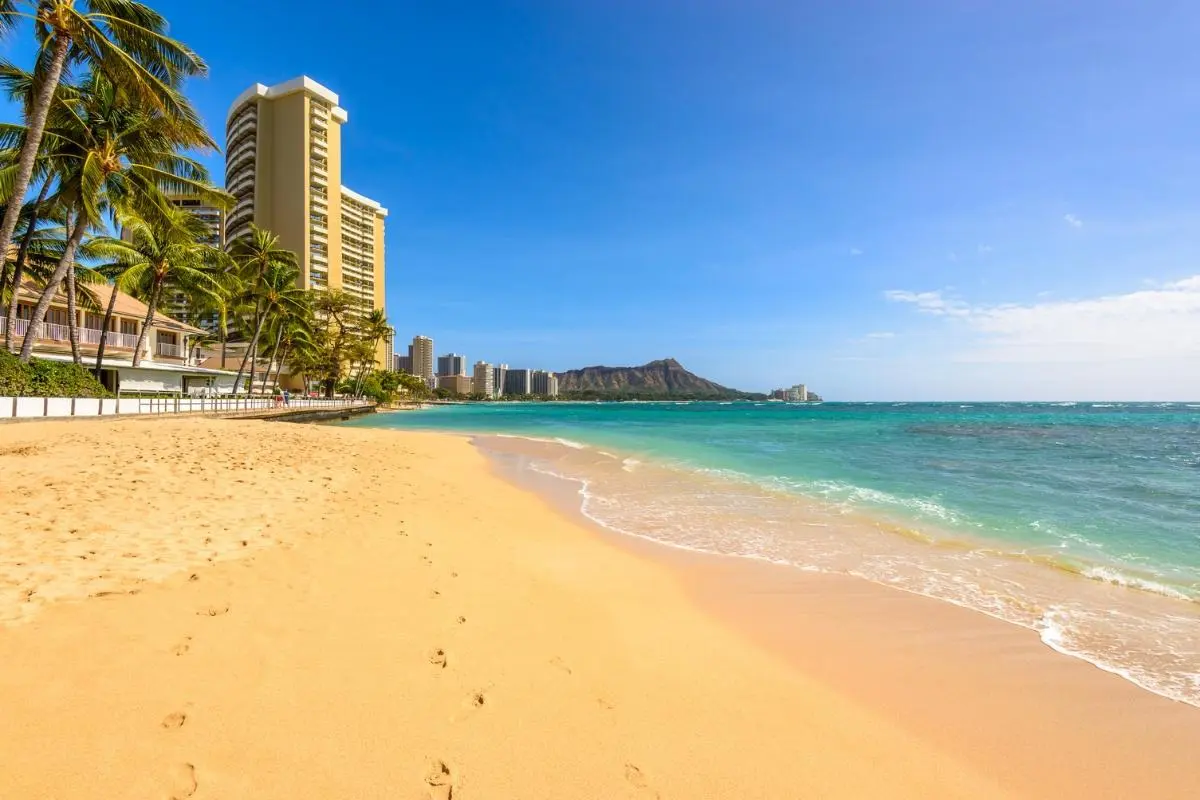
ATTRACTION
Waikiki Beach, Honolulu, Hawaii, United States
Explore this place ↗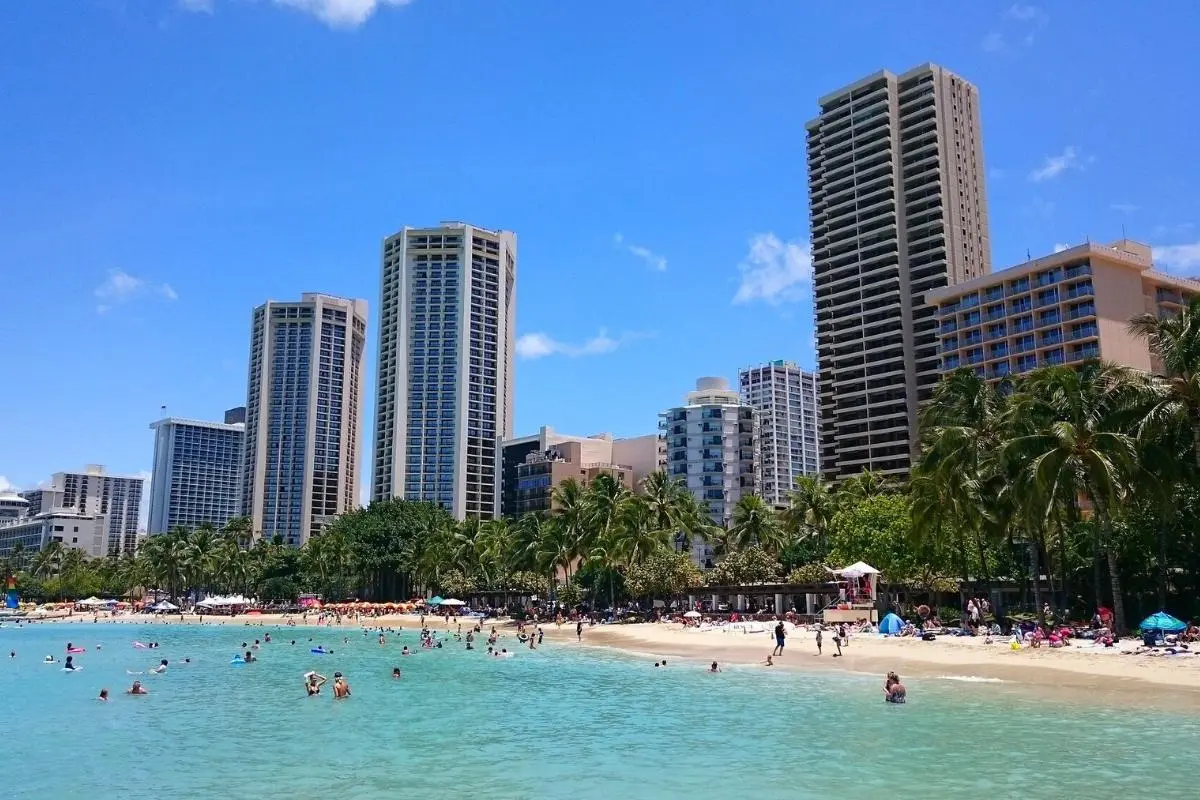
ATTRACTION
Kuhio Beach
Explore this place ↗
ATTRACTION
Kewalo Basin
Explore this place ↗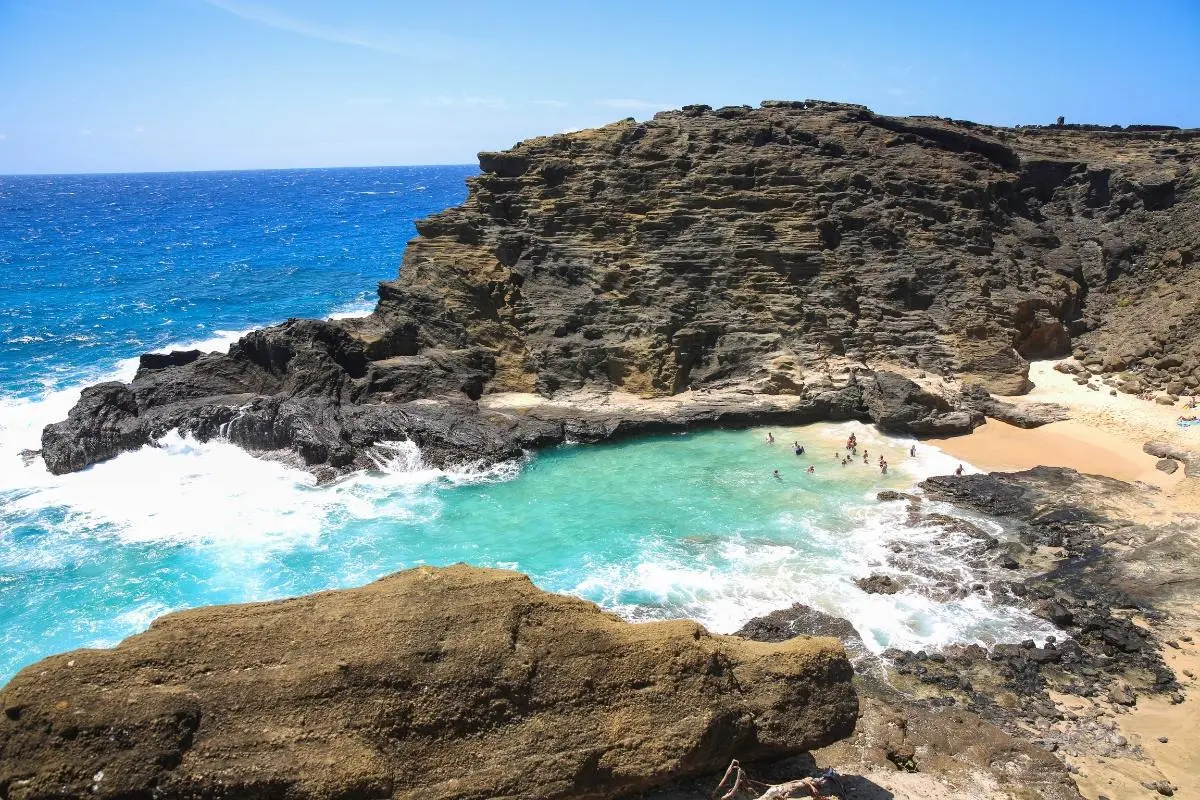
ATTRACTION
Halona Blowhole
Explore this place ↗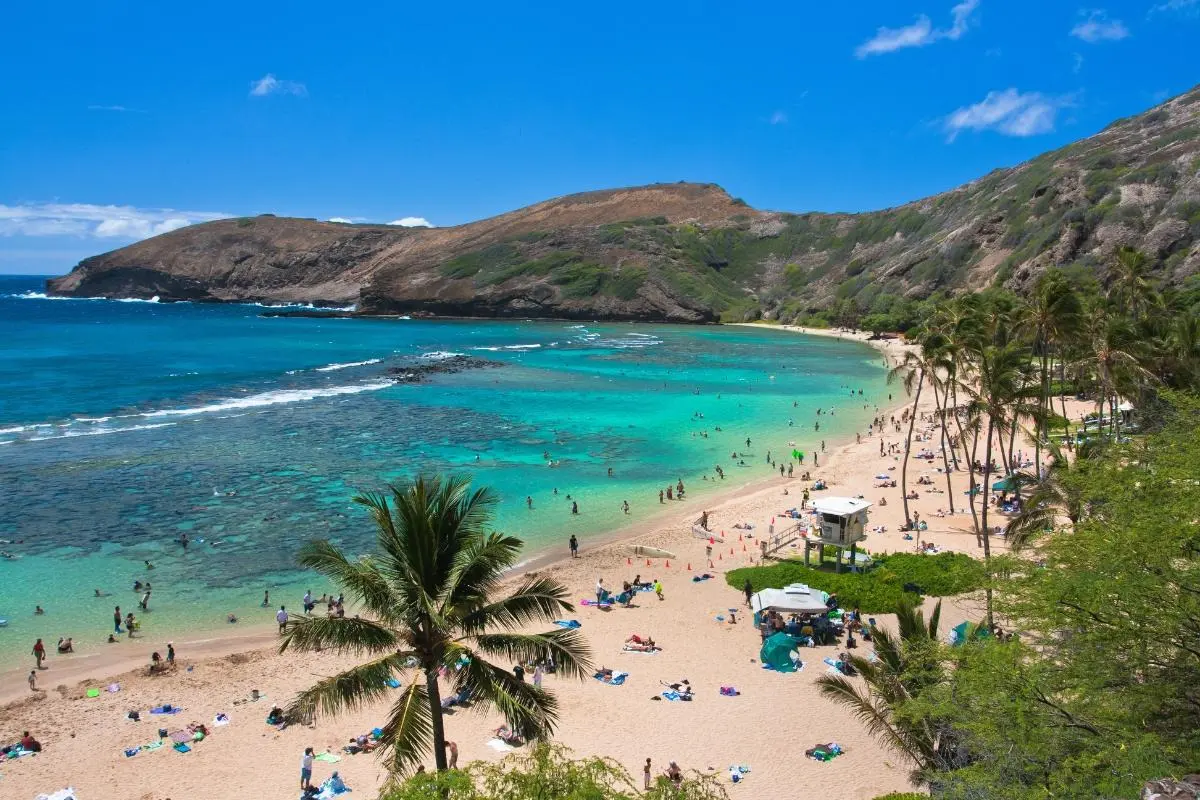
ATTRACTION
Sandy Beach Park
Explore this place ↗
ATTRACTION
China Walls
Explore this place ↗
ATTRACTION
Lyon Arboretum
Explore this place ↗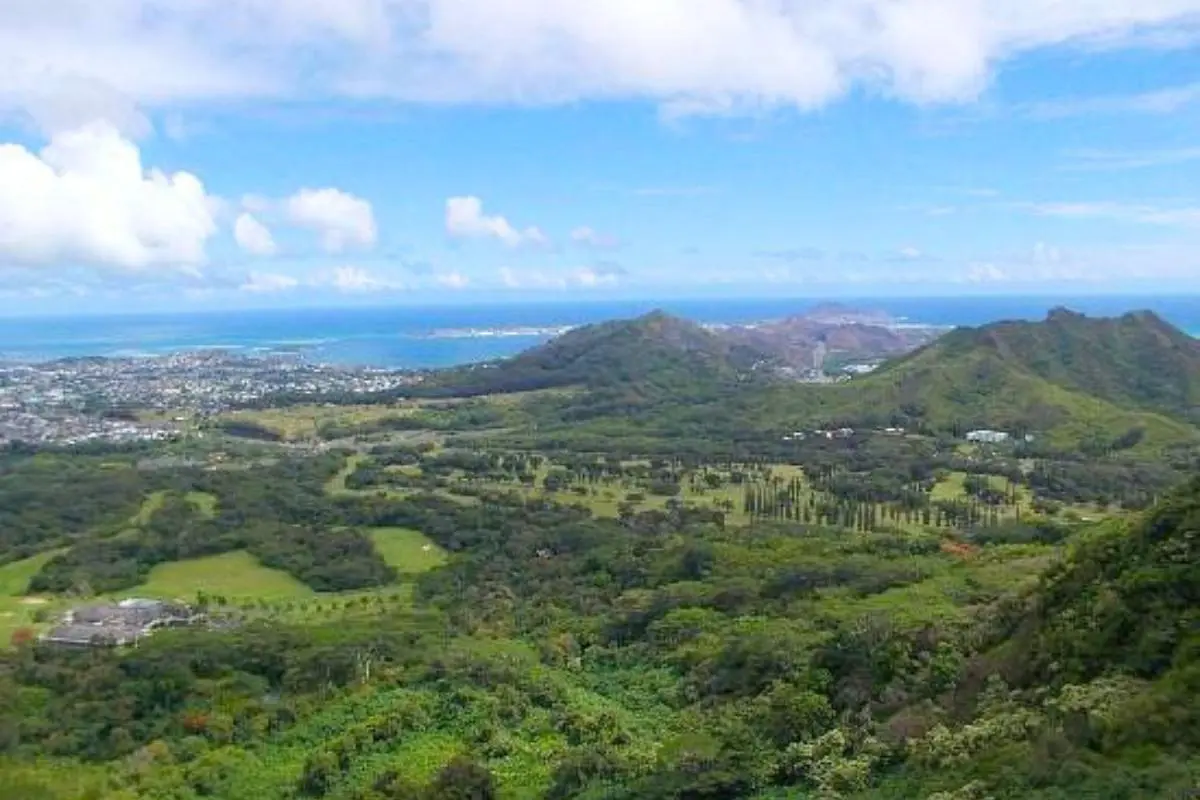
ATTRACTION
Nuuanu Valley Rain Forest
Explore this place ↗
ATTRACTION
Ka'au Crater
Explore this place ↗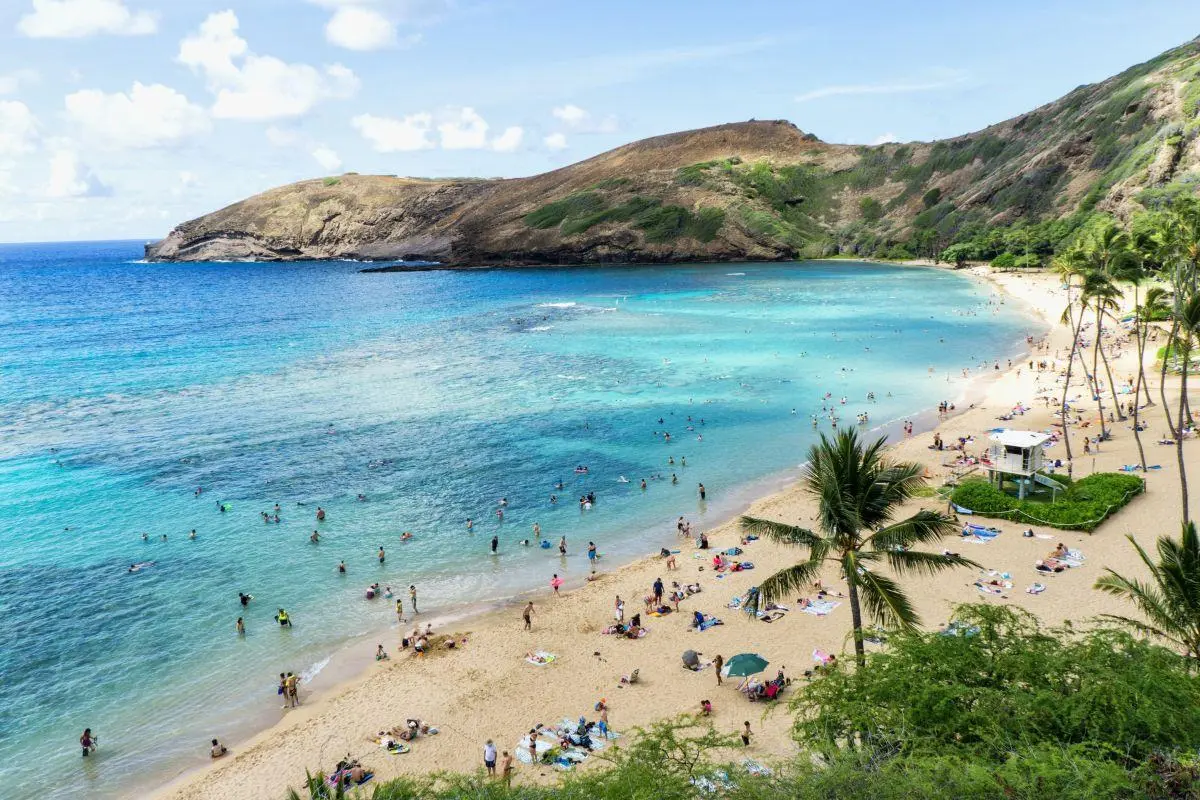
ATTRACTION
Hanauma Bay
Explore this place ↗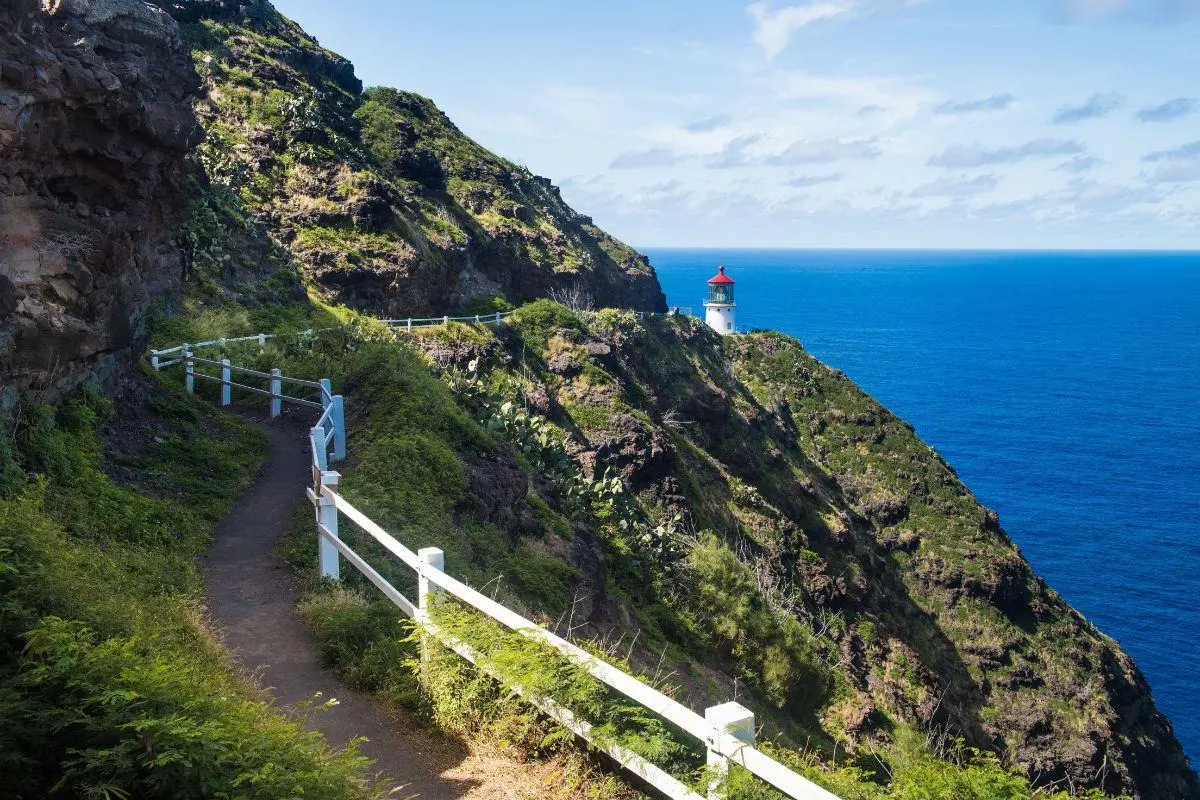
ATTRACTION
Makapu‘u Point Lighthouse Trail
Explore this place ↗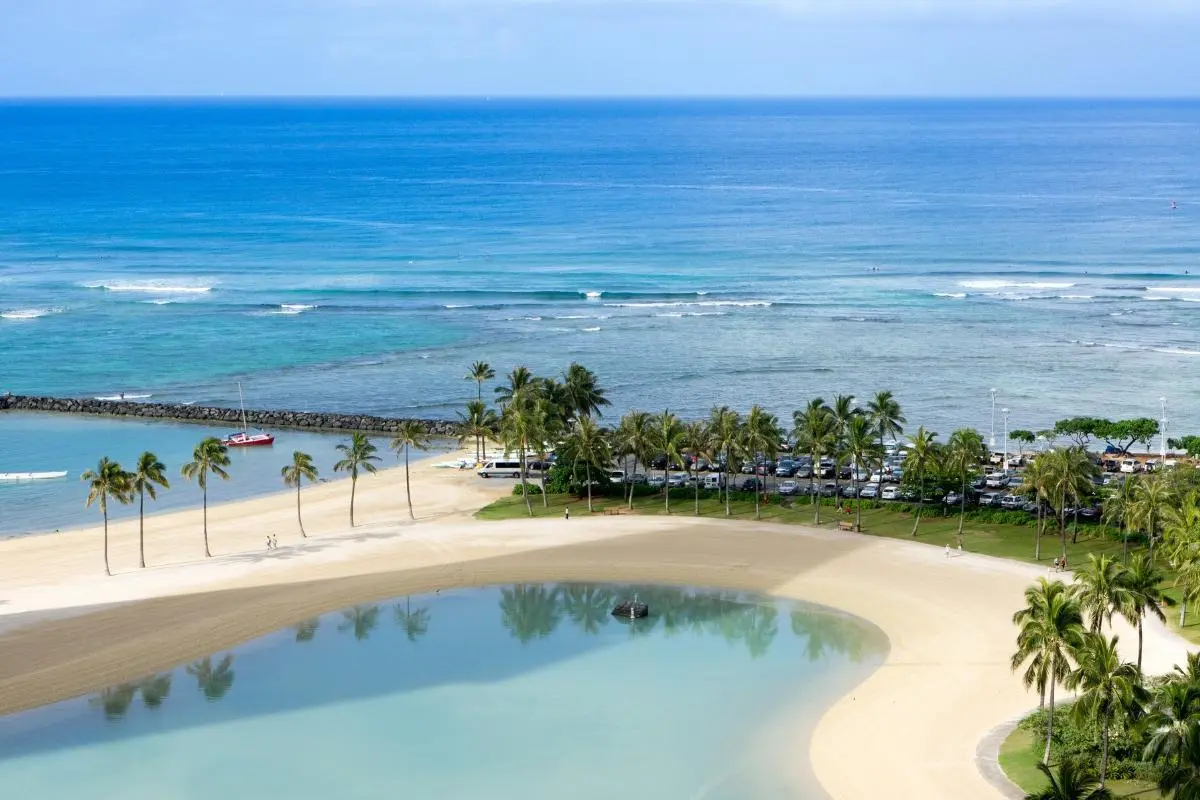
ATTRACTION
Duke Kahanamoku Beach
Explore this place ↗
ATTRACTION
Koko Crater
Explore this place ↗
ATTRACTION
Kapiolani Park
Explore this place ↗
ATTRACTION
Ala Moana Center
Explore this place ↗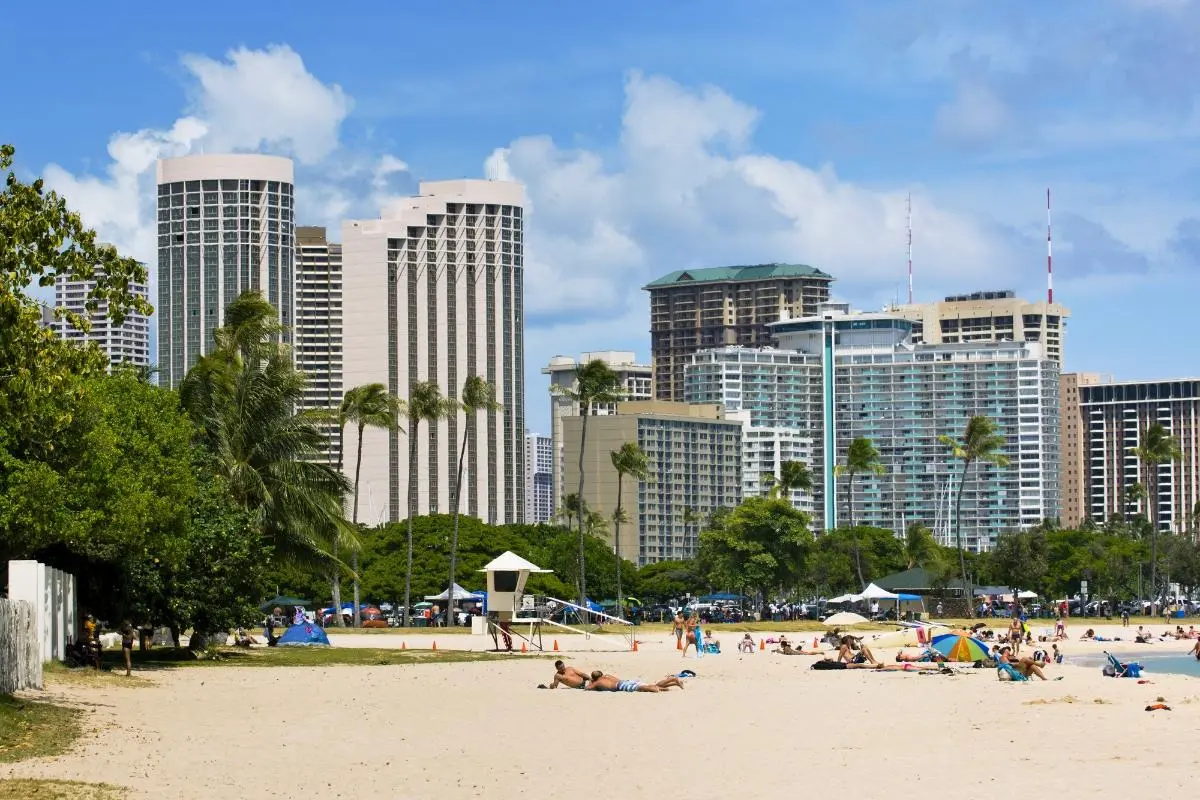
ATTRACTION
Ala Moana Beach Park
Explore this place ↗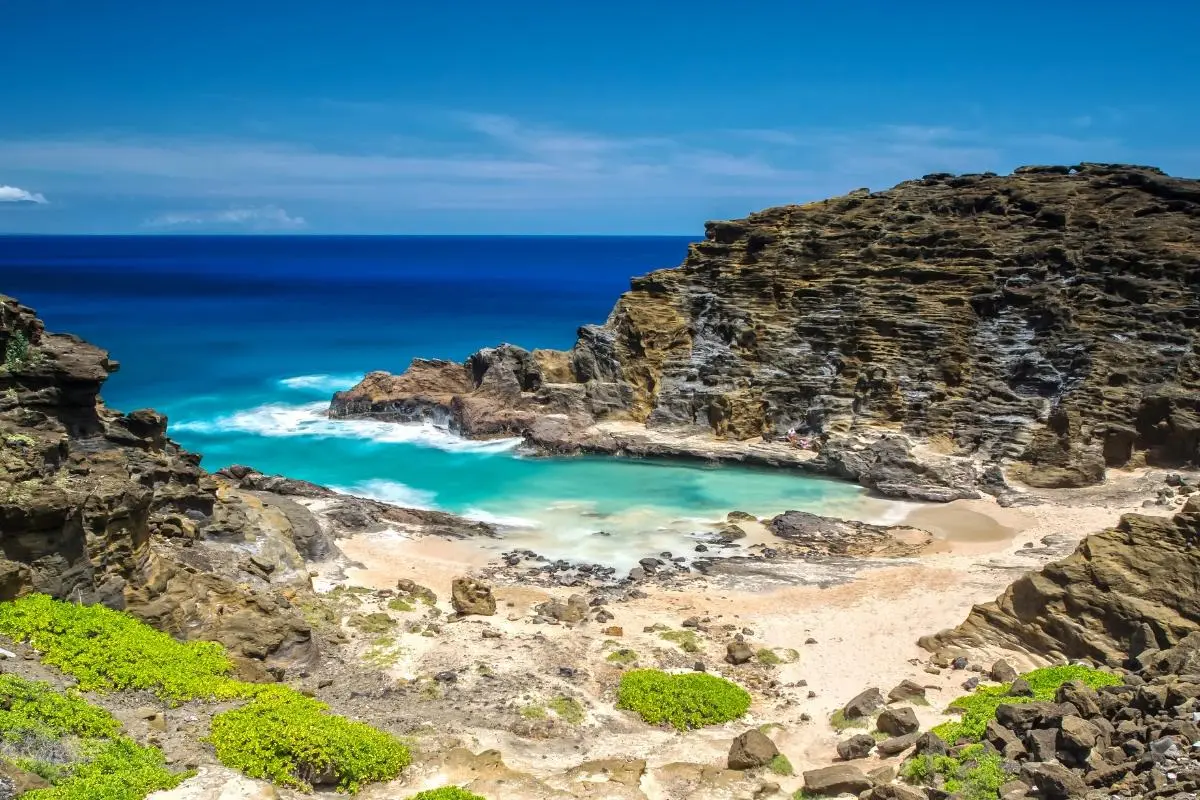
ATTRACTION
Eternity Beach
Explore this place ↗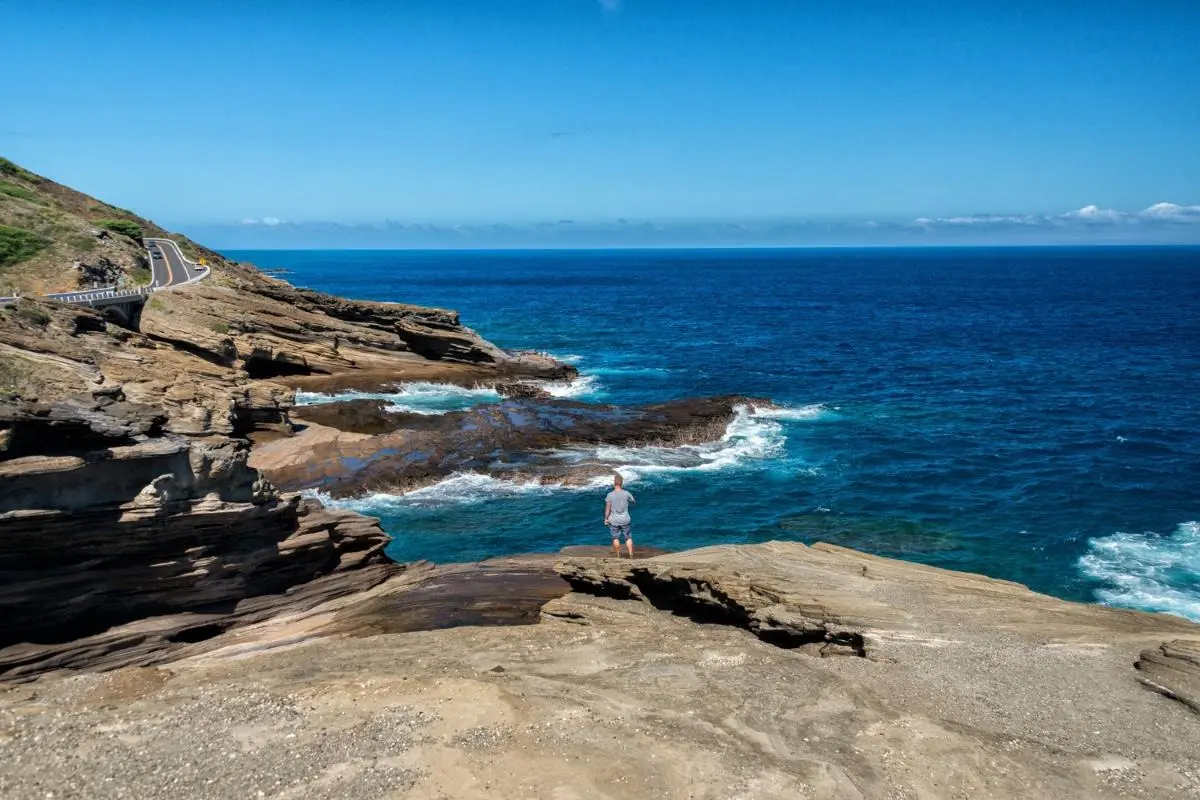
ATTRACTION
Lanai Lookout
Explore this place ↗PLAN YOUR VISIT
When to go.
Best months
April, May, September, October
Weather
Oʻahu’s windward side is wetter than leeward beaches; expect frequent brief showers and lush, green trails year-round. Late spring and early fall tend to offer stable conditions with fewer heavy downpours.
Peak season
Winter and summer holidays bring the most visitors to Honolulu and increase trail use; start hikes early in the day and book accommodations in advance during these times.
Beyond the peak
Visiting during shoulder months often means fewer crowds and slightly lower lodging rates; be prepared for muddier trail conditions and choose early starts to avoid washouts.
PACK WITH PURPOSE
What to bring.
optional
- Binoculars for birding
- Action camera or waterproof phone case
- Compact picnic kit
essential
- Trail shoes with good traction
- At least 1 liter of water per person
- Sun protection (hat, sunscreen)
- Light layers for variable conditions
- Offline map or route description
recommended
- Lightweight rain shell
- Trekking poles for wet sections
- Small first-aid kit
- Dry bag or ziplock for electronics
FIND YOUR PACE
Choose your kind of adventure.
advanced
Experienced outdoorspeople seeking longer, technical routes on the Koʻolau ridges or guided backcountry exploration.
- Guided ridge and backcountry hikes in the Koʻolau Range
- Wet-weather trail navigation and photography expeditions
- Full-day multi-activity combination with coastal paddling or mountain-biking elsewhere on Oʻahu
beginner
Short, accessible rainforest hike suitable for casual walkers and families when conditions are dry.
- Guided short rainforest walk to waterfall
- Casual birdwatching along the valley trail
- Half-day visit paired with a botanical garden
intermediate
Hikers comfortable with uneven, wet terrain who want to combine the trail with nearby viewpoint loops.
- Walk plus photography session at the falls
- Looping scenic drive and short ridge viewpoint stops
- Mixed hiking and cultural stops in Mānoa Valley
BEFORE YOU GO
Your questions, answered.
Do I need a guide to hike Manoa Falls?
No, the trail is popular and well-trodden for self-guided visitors, but a guide adds botanical, cultural, or photo expertise if you want deeper context.
Is swimming allowed at the waterfall?
Swimming is sometimes discouraged for safety and water quality reasons; check current signage and conditions before entering any pool.
How long should I plan for the hike?
Allocate 1.5 to 3 hours total depending on pace, photography stops, and how muddy the trail is after rain.
What’s the best way to get there from Waikiki?
A short drive or rideshare is the most practical; public transit options exist but may add time—factor that into your day plan.
Are dogs allowed on the trail?
Dog policies can change; verify current rules before bringing pets and always keep dogs on leash and pack out waste.
What should I do if it’s been raining heavily?
Avoid the trail after heavy rain due to slippery conditions, potential flash flooding, and trail damage; check local advisories and choose a drier day.