
Honolulu, United States
Oahu circle island tour — snorkel with turtles, Byodo-In temple & North Shore flavors
from $140.00USD
VAYCAI · ATTRACTION GUIDE
Lanai Lookout is a compact, high-reward stop on Oahu’s southeastern rim where the island stretches into open ocean views of Lanai and Molokai. It stacks perfectly with a sunrise drive, a nearby ridge walk, and beach time—ideal for travelers who want a quick panoramic hit without committing to a full-day trek.
Explore experiences ↓Your guide to places, experiences, and adventures.
THE GOOD STUFF STARTS HERE
Honolulu, United States


Honolulu, United States
Listed starting prices may vary by option, travel date and group size. Confirm the final total and availability on Viator. Sponsored links: we may earn a commission from qualifying bookings.
STORIES WORTH GOING FOR
GET TO KNOW THE PLACE
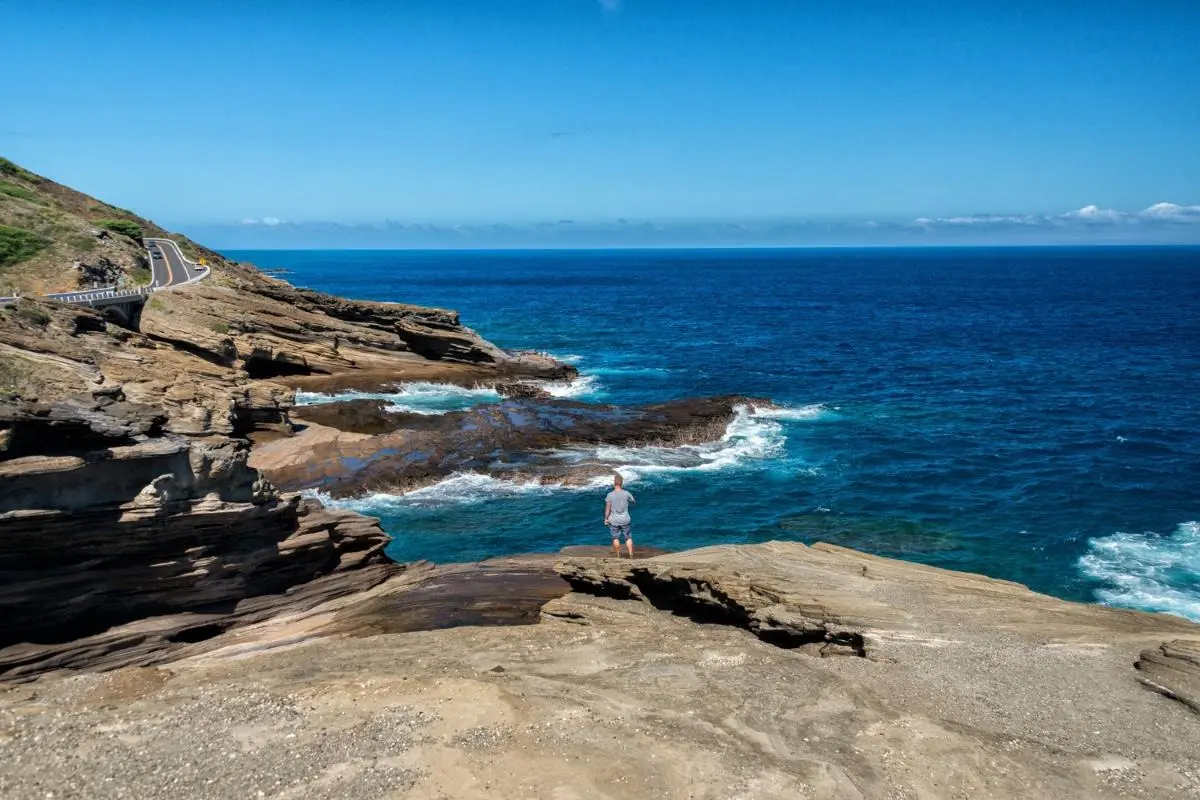
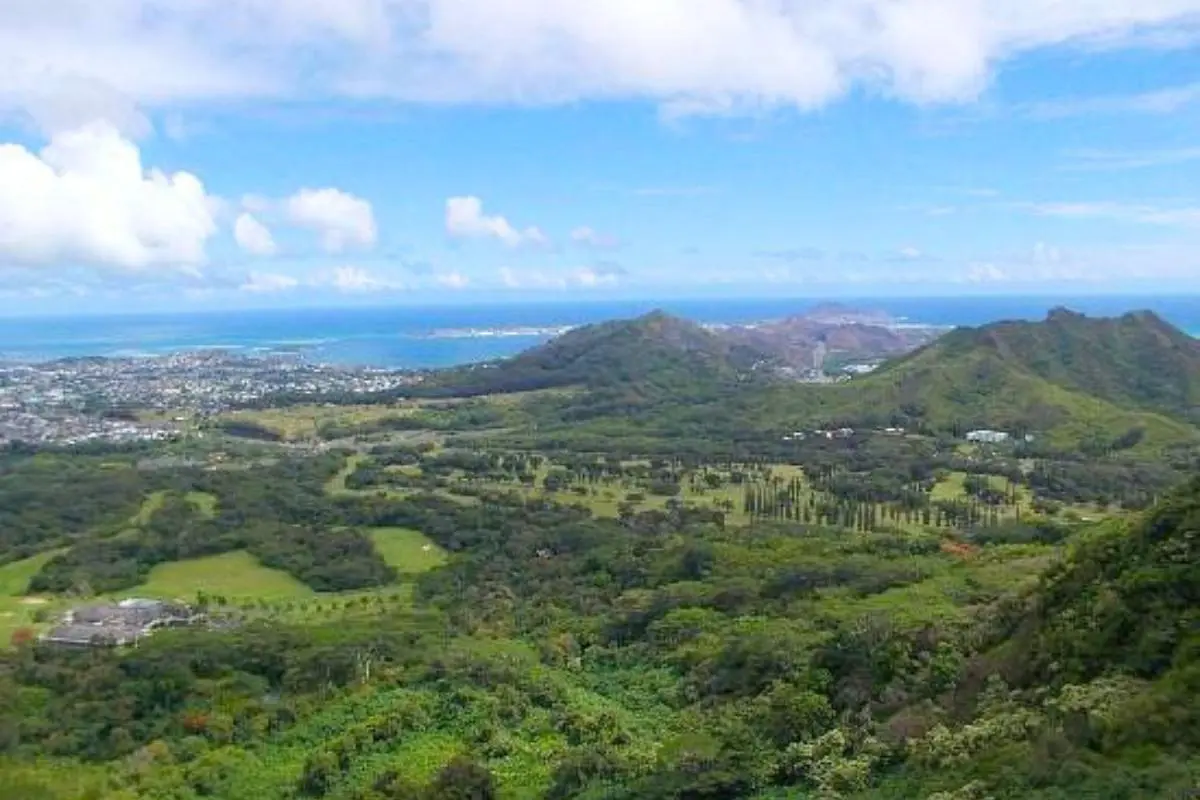
Step up to the cliff edge and the ocean opens like a map: Lanai hovers on the horizon while the wind tugs at the grasses behind you. Lanai Lookout is a fast-earning payoff—minimal approach, maximum exposure—and it’s a natural hub to combine a viewpoint with coastal trails, beaches, and marine watching. It’s the kind of place you can visit between flights of time: quick, reliable, and cinematic.
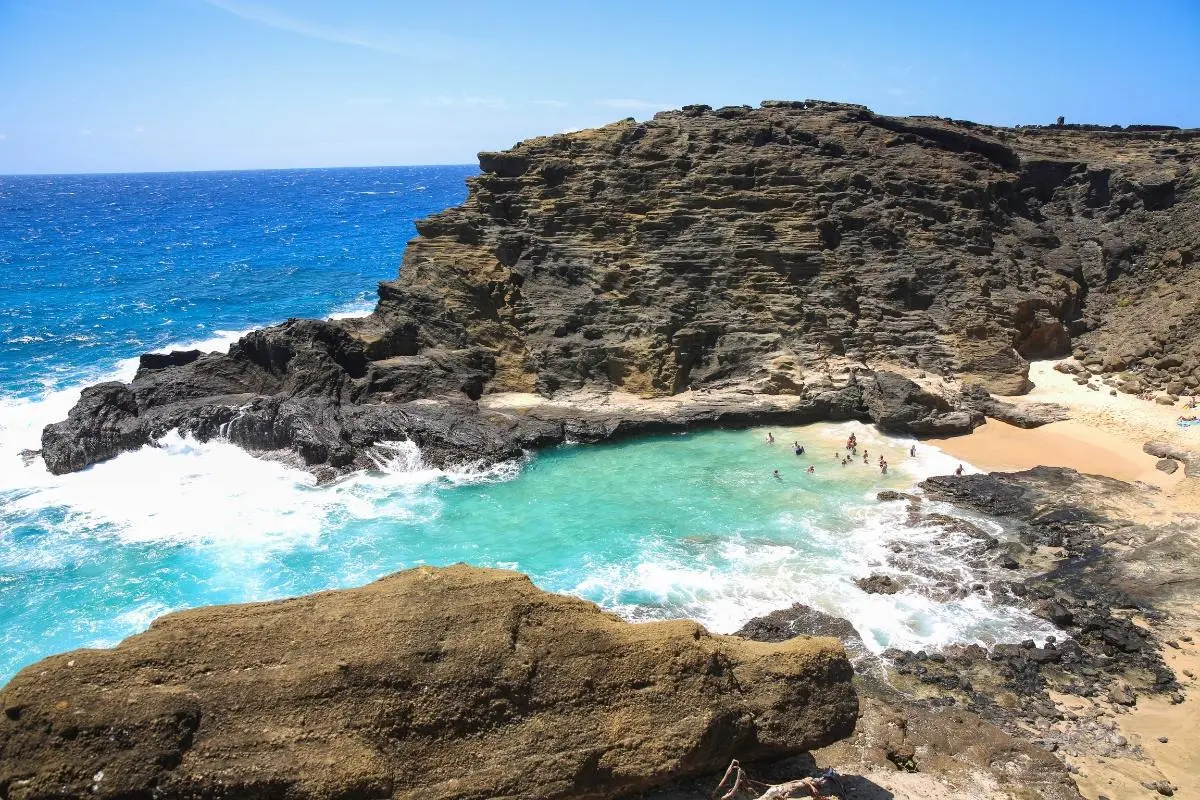
The first thing you notice is motion: trade winds that nudge the brush, waves that carve the shoreline, and distant islands that hold still like landmarks. Geologically, the coastline here is the product of volcanic uplift and relentless surf, so cliffs are sharp and the sea drops off quickly. That contrast—rock that resists, water that persists—gives Lanai Lookout its drama. Historically, these shores were waypoints for native navigators and later for European sailors; today the lookout is a public vantage, a place where the island’s navigational past and present meet.
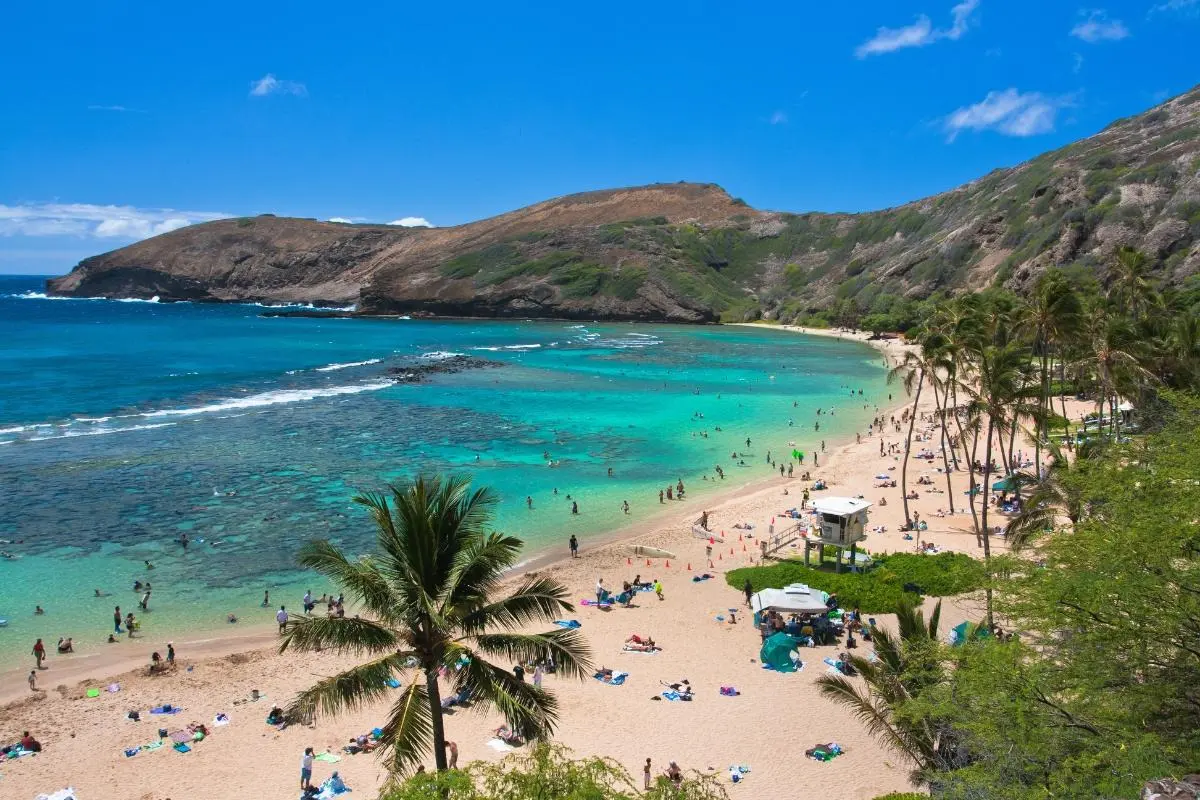
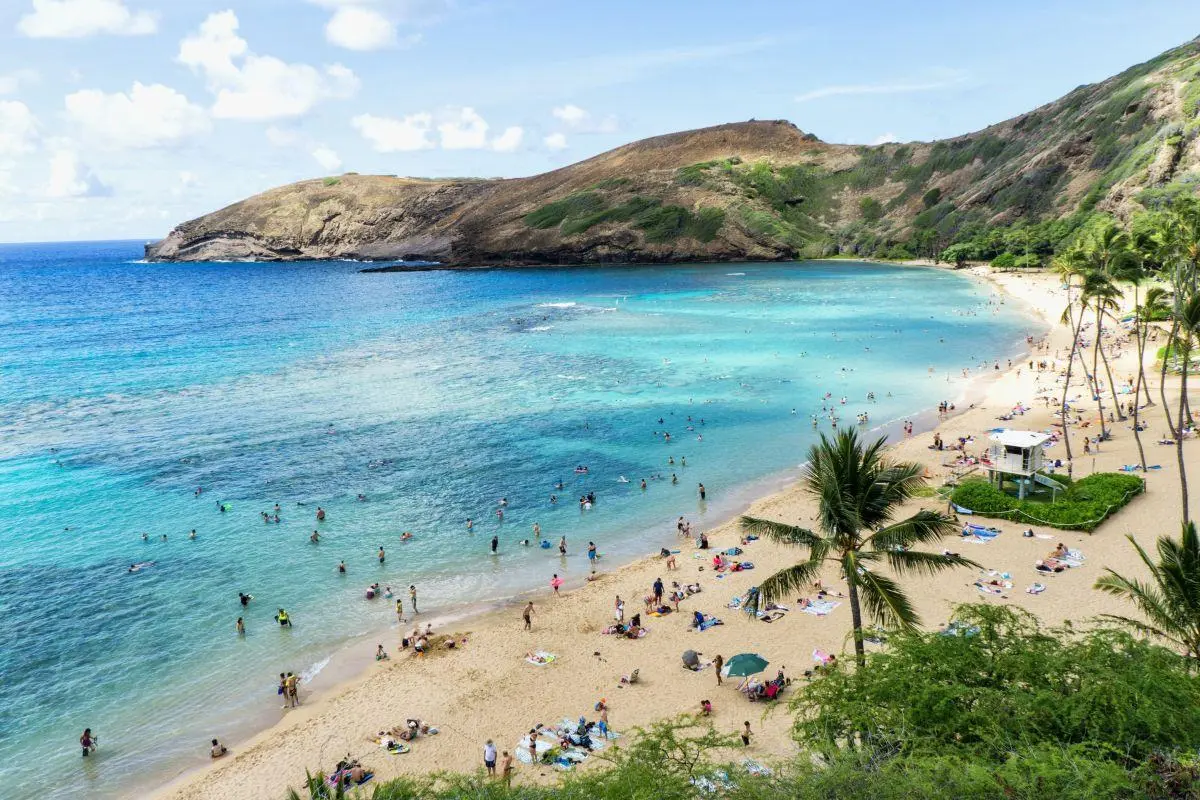
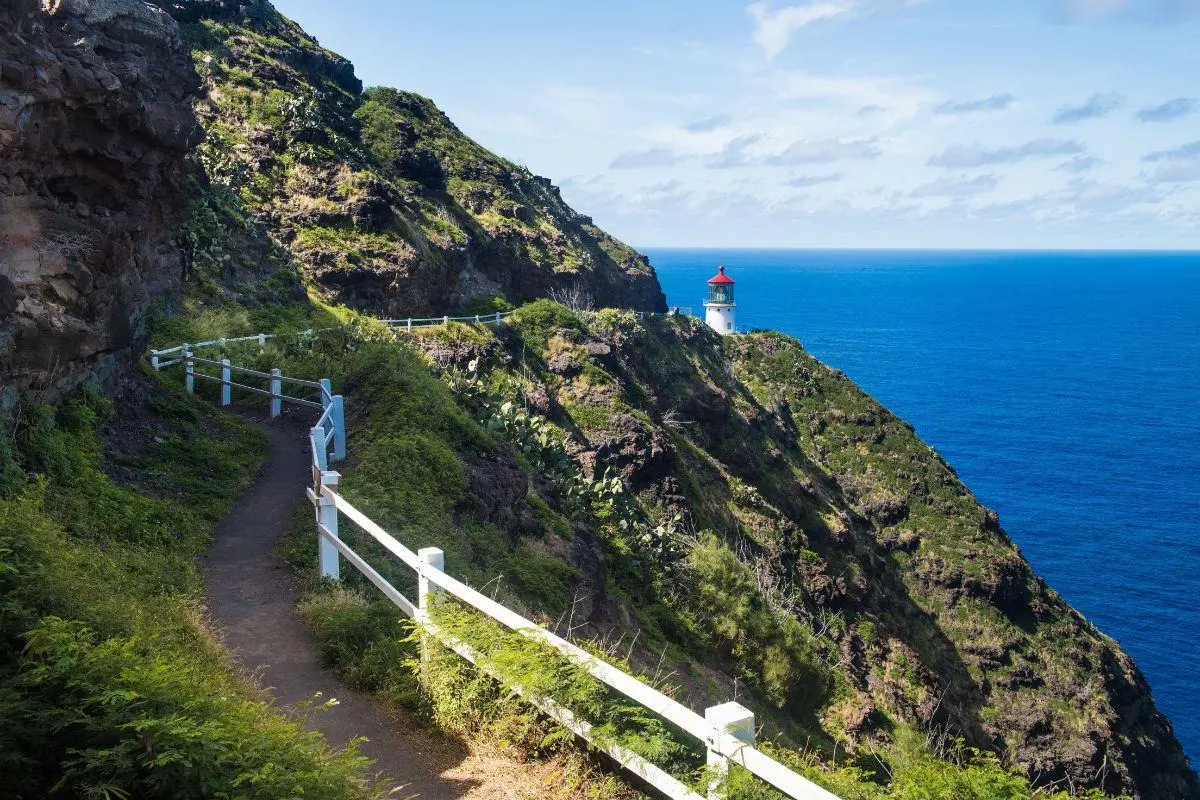
Culturally, the Windward coast feels different from Honolulu’s urban side—quieter, more exposed to ocean conditions, and more subject to sudden weather shifts. Planning matters: aim for early morning to avoid late-afternoon trade-wind gusts and to catch clean light on the islands. Access is typically roadside with a short walk, so you can pair the lookout with a seaside hike, a visit to a nearby lighthouse trail, or a stop at a sandy beach for snorkeling when conditions are calm. When stacking activities, give yourself margin for ocean-watching and for checking surf advisories before swimming.
Practicalities are simple but important. Wear shoes with good traction near cliff edges; bring layers because the wind can make a sunny morning feel cool; and carry water—the sun is stronger than it looks. If you’re photographing sunrise, scope out parking and approach times in advance. For any ocean activities, check local conditions and consider booking guided snorkeling or boat trips if you want a safer window into marine life. A short visit here pairs well with a scenic drive along Kalanianaole Highway and a stop at other coastal viewpoints, making it an efficient addition to a single-day Oahu itinerary.
Get to know the place






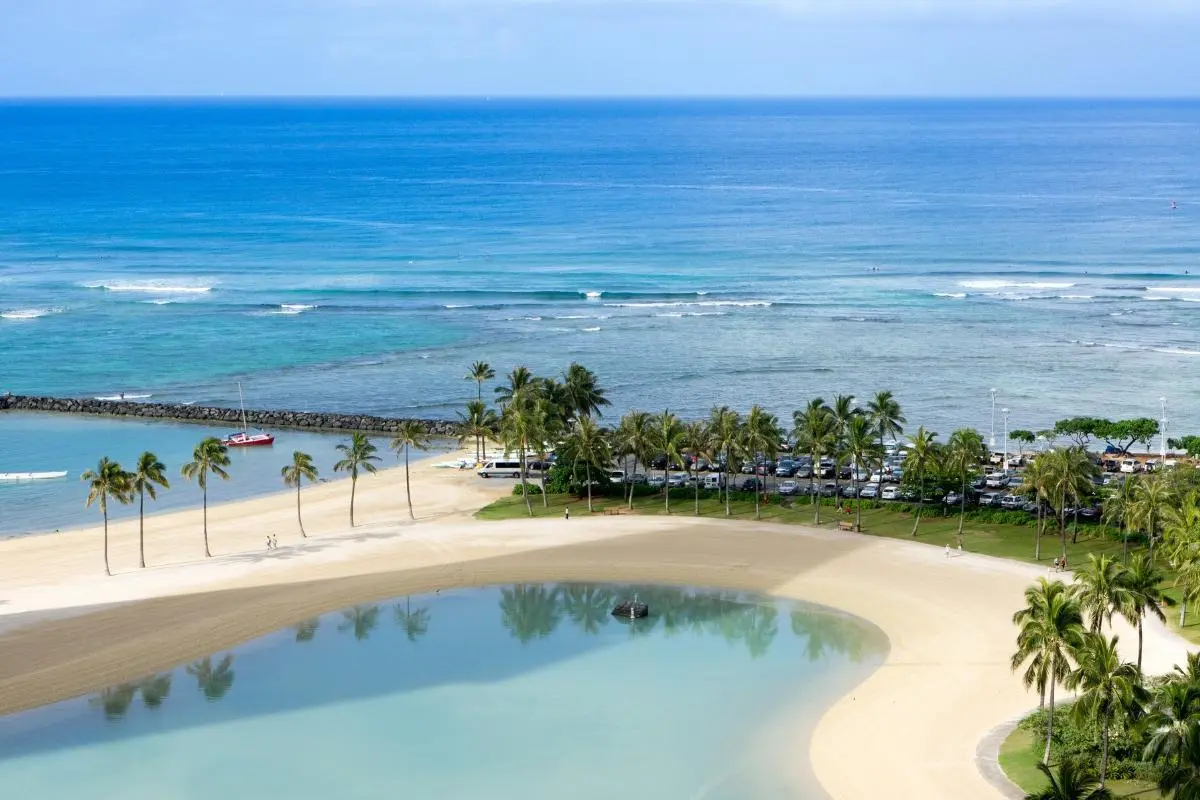



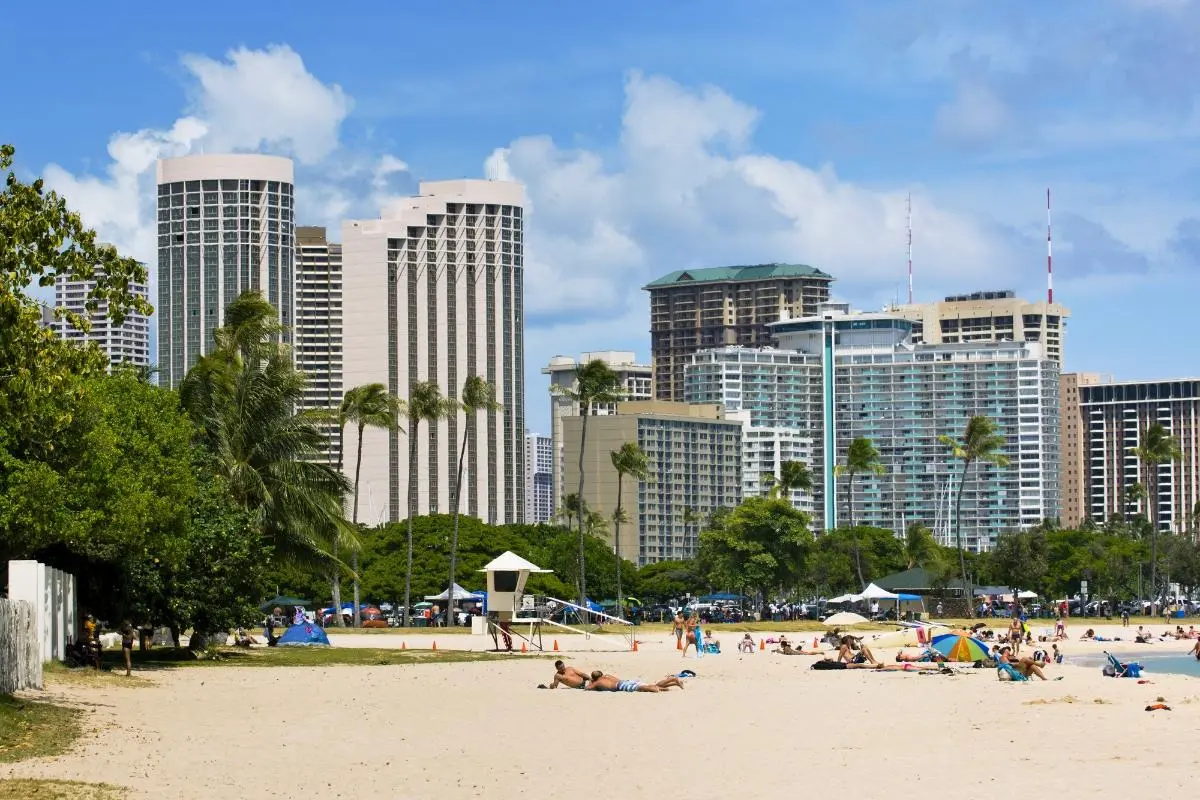
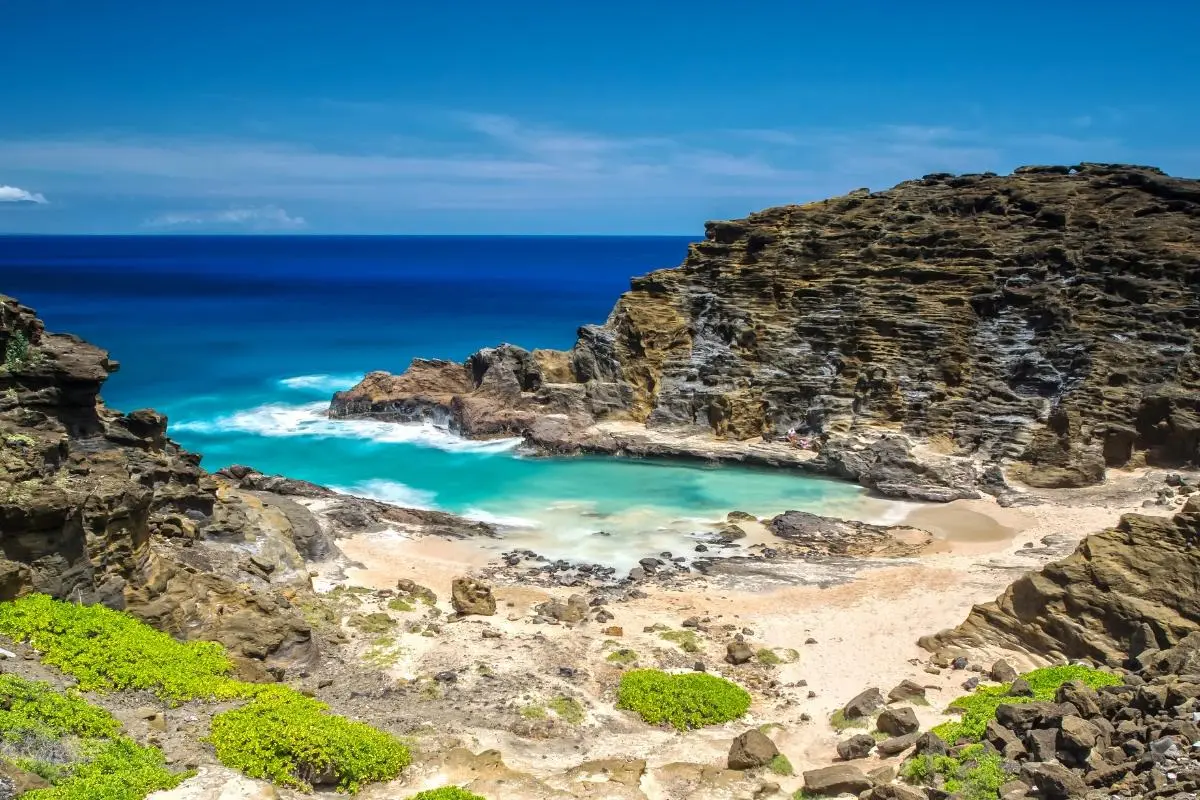
PLAN YOUR VISIT
April, May, September, October
Trade-wind conditions dominate much of the year; late spring and early fall often bring clearer, calmer mornings for coastal viewing and snorkeling. Winter can produce larger ocean swells and more rain on the windward side.
The busiest periods are winter holidays and summer months when visitors flock to Oahu; plan early starts, reserved parking where available, and book guided activities ahead of time.
Shoulder months offer fewer crowds and more value, but trails and beaches can be muddier after storms—choose paved viewpoints or well-drained routes when surfaces are wet.
PACK WITH PURPOSE
FIND YOUR PACE
Longer ridge routes, technical coastal hiking, and advanced ocean activities for experienced outdoor travelers.
Easy, short visits focused on viewpoints and light beach time for travelers new to Oahu’s outdoors.
Stack a moderate coastal hike or lighthouse trail with snorkeling and shoreline exploration for a fuller day.
BEFORE YOU GO
Most visitors spend 20–60 minutes at the lookout for photos and views; combine it with a nearby hike or beach stop for a half-day outing.
The viewpoint is accessible but near cliffs; supervise children and keep pets leashed, staying clear of cliff edges and unstable ground.
You can visit self-guided for the lookout itself, but guided snorkeling, boat trips, or complex coastal hikes are safer and easier when booked with a local provider.
If wind or rain makes the cliff edge slick, pivot to a scenic drive, a protected beach, or a museum/cultural stop—always check local conditions before swimming.
Yes—during winter months the lookout offers shore-based whale spotting opportunities, but for closer encounters choose a certified boat charter.
Parking is typically roadside; availability varies by time of day—arrive early during peak periods and verify any local signage for restrictions.