
VAYCAI · ATTRACTION GUIDE
Makapuu Lighthouse Visitor Guide
Makapuu Lighthouse is a compact, high-reward outing on Oʻahu’s windward coast: a short coastal hike delivers panoramic ocean views, whale-watching vantage points in season, and access to nearby beaches and tide pools. Stack a sunrise hike with a scenic drive along Kalanianaole Highway and a snorkel or beach stop for a full half-day of coastal adventure.
Explore experiences ↓Your guide to places, experiences, and adventures.
THE GOOD STUFF STARTS HERE
Experiences around Makapuu Lighthouse
Honolulu, United States
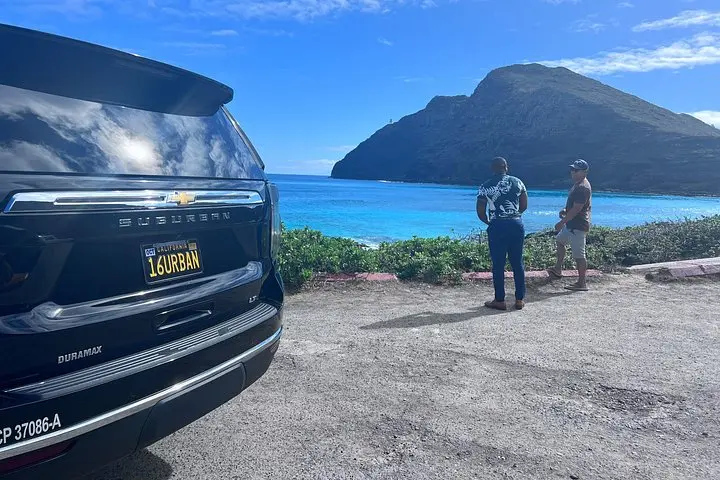
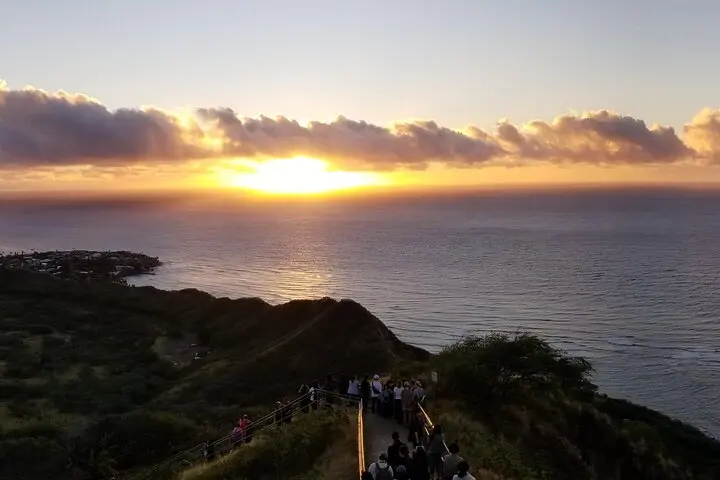
Half-Day Diamond Head and Makapuu Lighthouse Hike Combo from Waikiki
from $70.99USD
Listed starting prices may vary by option, travel date and group size. Confirm the final total and availability on Viator. Sponsored links: we may earn a commission from qualifying bookings.
STORIES WORTH GOING FOR
Stories from Honolulu
GET TO KNOW THE PLACE
Why Makapuu Lighthouse
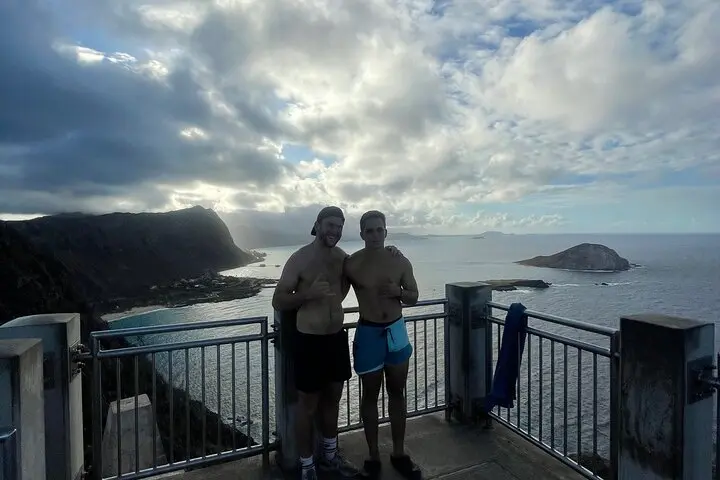
On a clear morning the trail pitches you up a sun-baked ridge and the Pacific opens like a plain of moving glass. The lighthouse perches above a jagged coastline; sometimes whales arc offshore and seabirds wheel in the thermals. It’s an accessible, kinetic piece of Oʻahu—part history, part geology and entirely coastal adventure.
Makapuu’s white tower is a modern sentinel on land shaped by lava flows and ocean erosion. The point marks one edge of the long, exposed Kaiwi Coast where trade winds carve the landscape and waves have hollowed basalt into sharp, weathered shorelines. The trail itself moves through low, salt-tolerant vegetation and native shrubland that hold the wind like a hand, offering frequent view windows back toward Honolulu and out to Molokaʻi and Maui on clear days. This is day-hike terrain: short, exposed, and intensely coastal, so timing and sun protection matter more than technical gear.
Historically the light and signal station tied into twentieth-century shipping and wartime coastal observation; culturally the windward side of Oʻahu has always been defined by ocean connection—fishing, voyaging, and contemporary recreation. Visiting here is a lesson in how geology, oceanography and human story converge: basalt cliffs that resist the sea, currents that herd whales along seasonal routes, and a lighthouse that became a place people hike to, rather than just navigate by. Plan the visit around light and tide: sunrise shows the cliffs in side light and whale blows stand out best, while low tides reveal tidepools and marine life in hidden coves.
Practical logistics are straightforward but deserve respect. Parking fills early, so arrive before sunrise or later in the afternoon on weekdays. The trail is short and mostly paved in spots but exposed, meaning sun, wind and occasional slippery surfaces after rain. There are no on-trail services; bring water, sun protection and a lightweight layer for wind. If you want a fuller day, combine the hike with a visit to nearby beaches for snorkeling or a drive east toward scenic overlooks. Verify current access and closures before you go, and plan alternate beach or inland activities in case of high surf or heavy rain.
Get to know the place
Attractions worth a closer look.

ATTRACTION
Maunalua Bay
Explore this place ↗
ATTRACTION
Manoa Falls
Explore this place ↗
ATTRACTION
Manoa Valley, Honolulu, Hawaii, United States
Explore this place ↗
ATTRACTION
Koʻolau Range
Explore this place ↗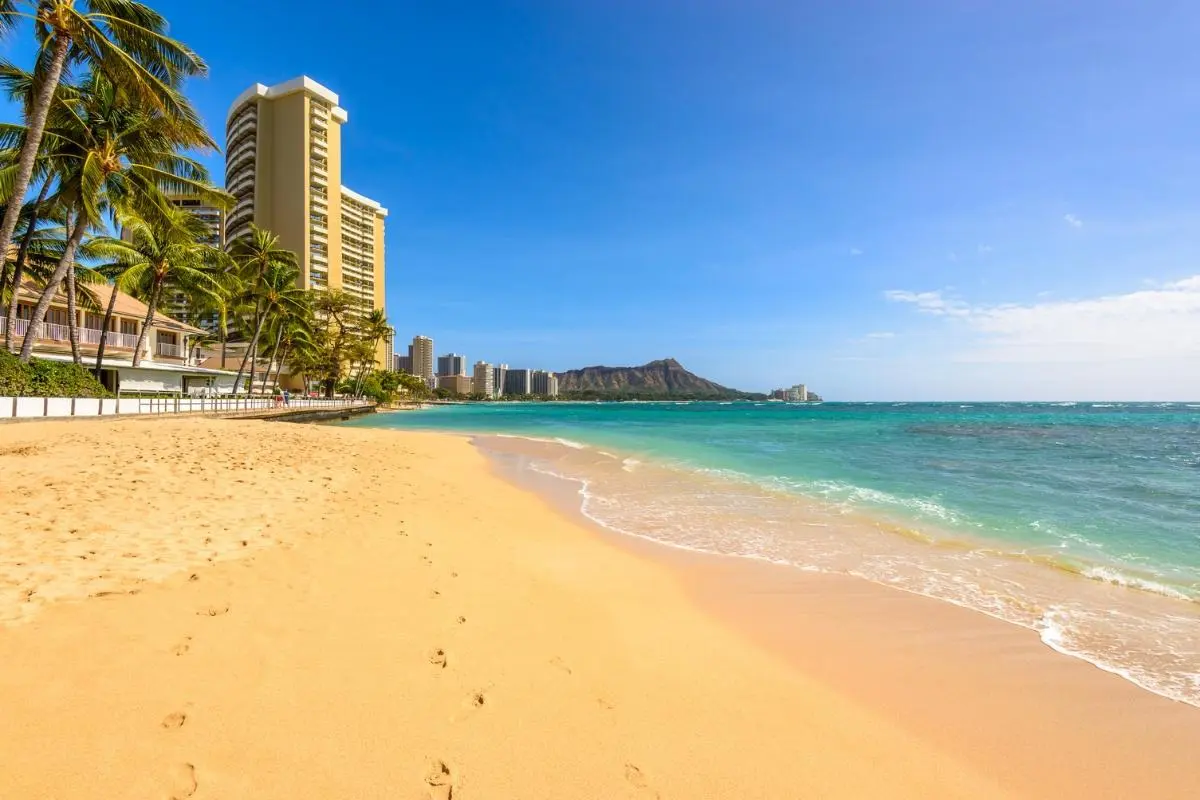
ATTRACTION
Waikiki Beach, Honolulu, Hawaii, United States
Explore this place ↗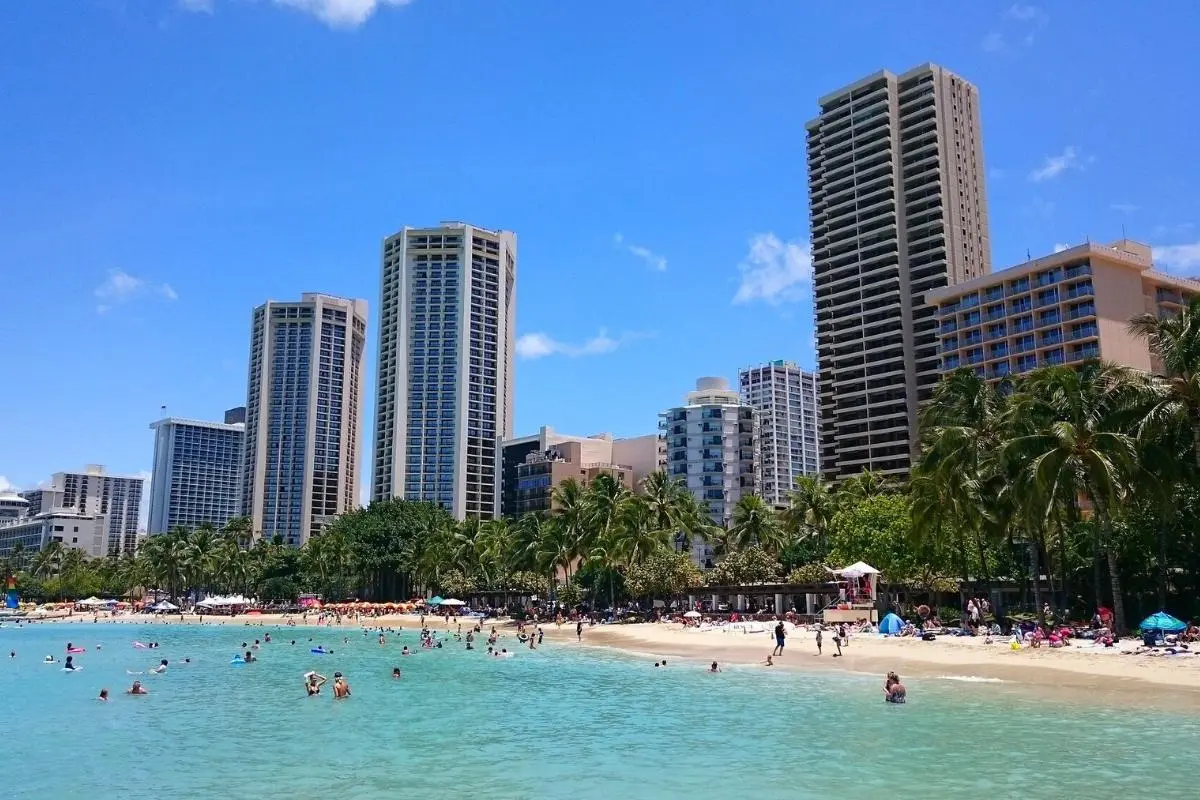
ATTRACTION
Kuhio Beach
Explore this place ↗
ATTRACTION
Kewalo Basin
Explore this place ↗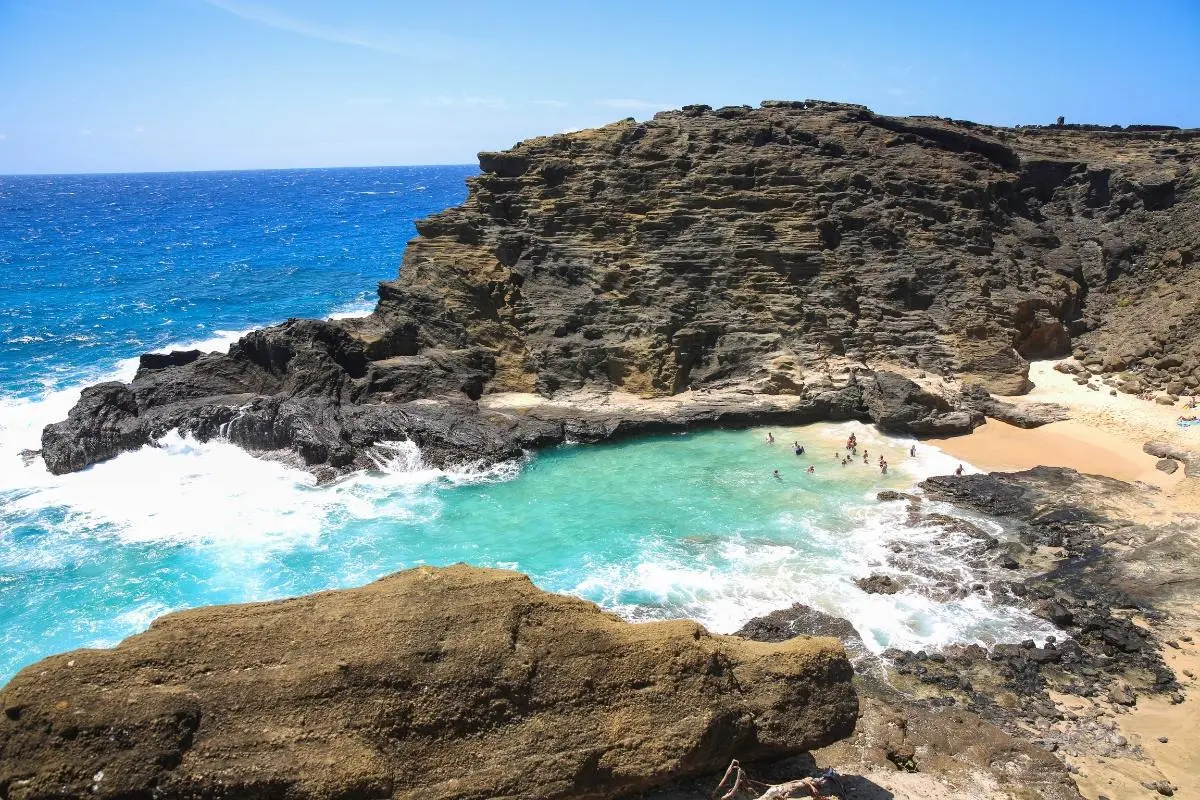
ATTRACTION
Halona Blowhole
Explore this place ↗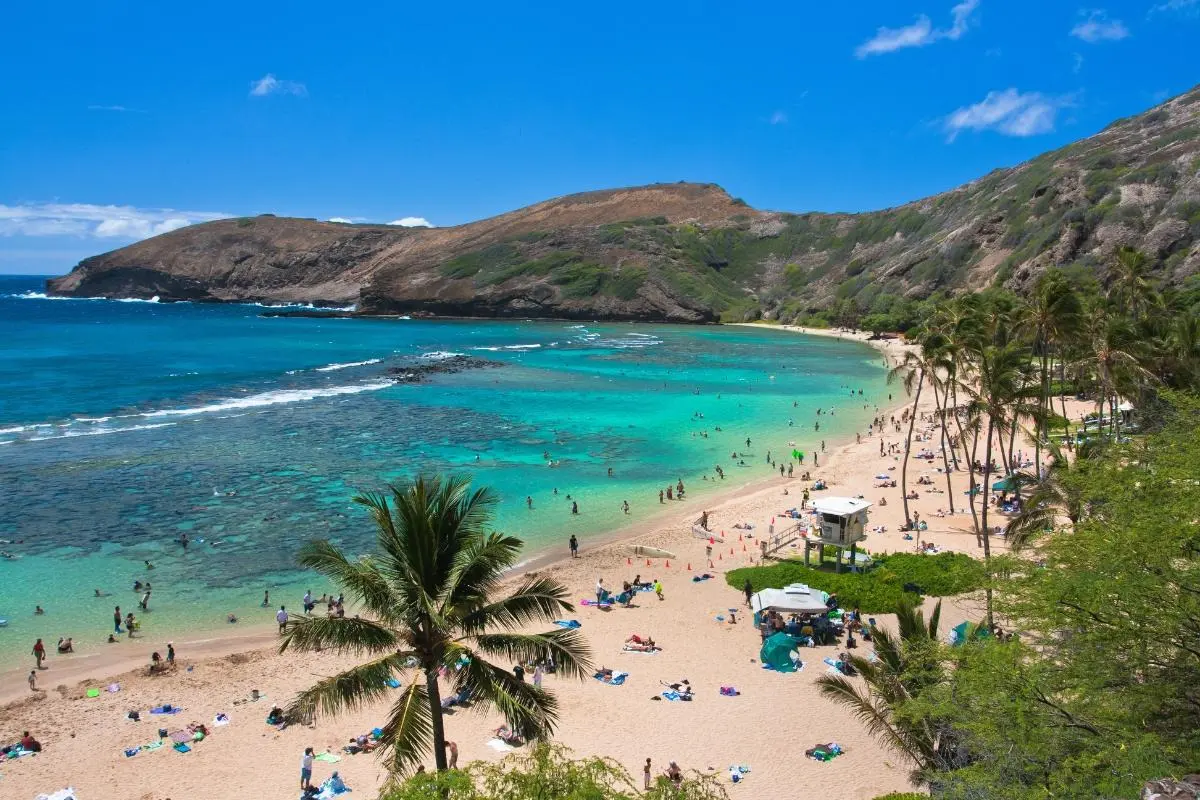
ATTRACTION
Sandy Beach Park
Explore this place ↗
ATTRACTION
China Walls
Explore this place ↗
ATTRACTION
Lyon Arboretum
Explore this place ↗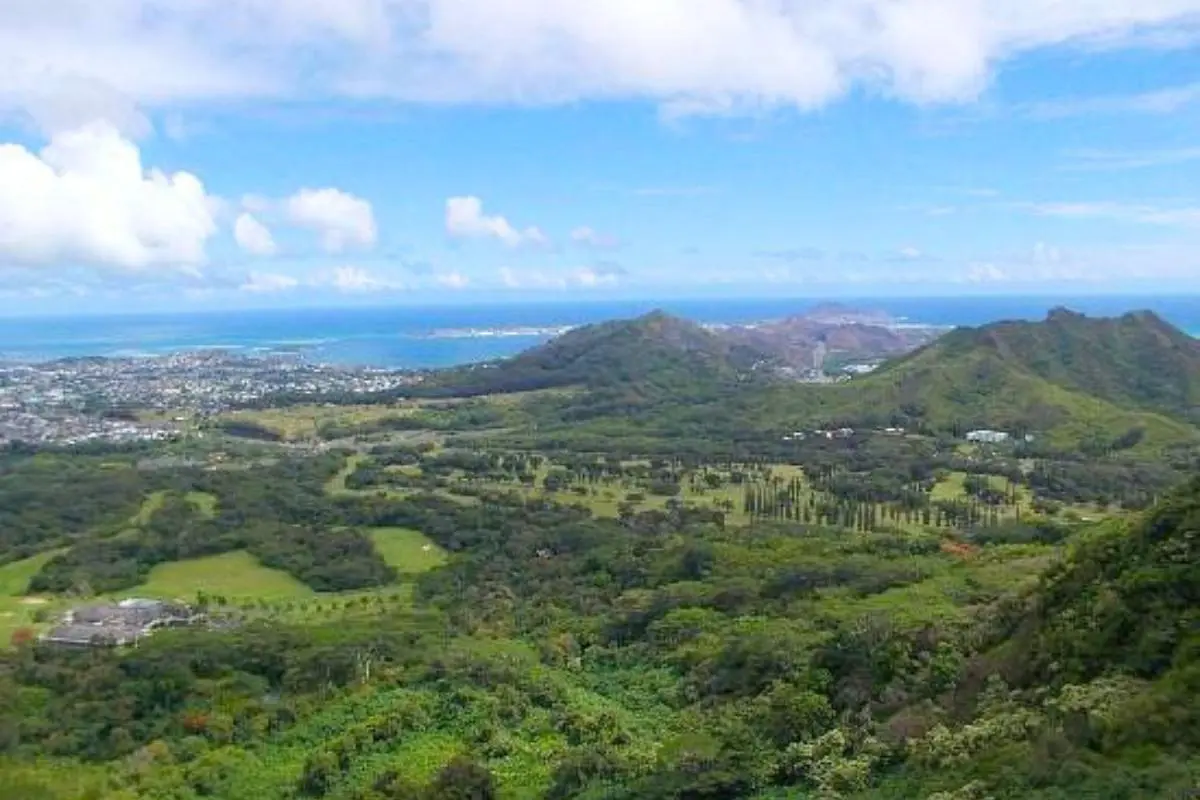
ATTRACTION
Nuuanu Valley Rain Forest
Explore this place ↗
ATTRACTION
Ka'au Crater
Explore this place ↗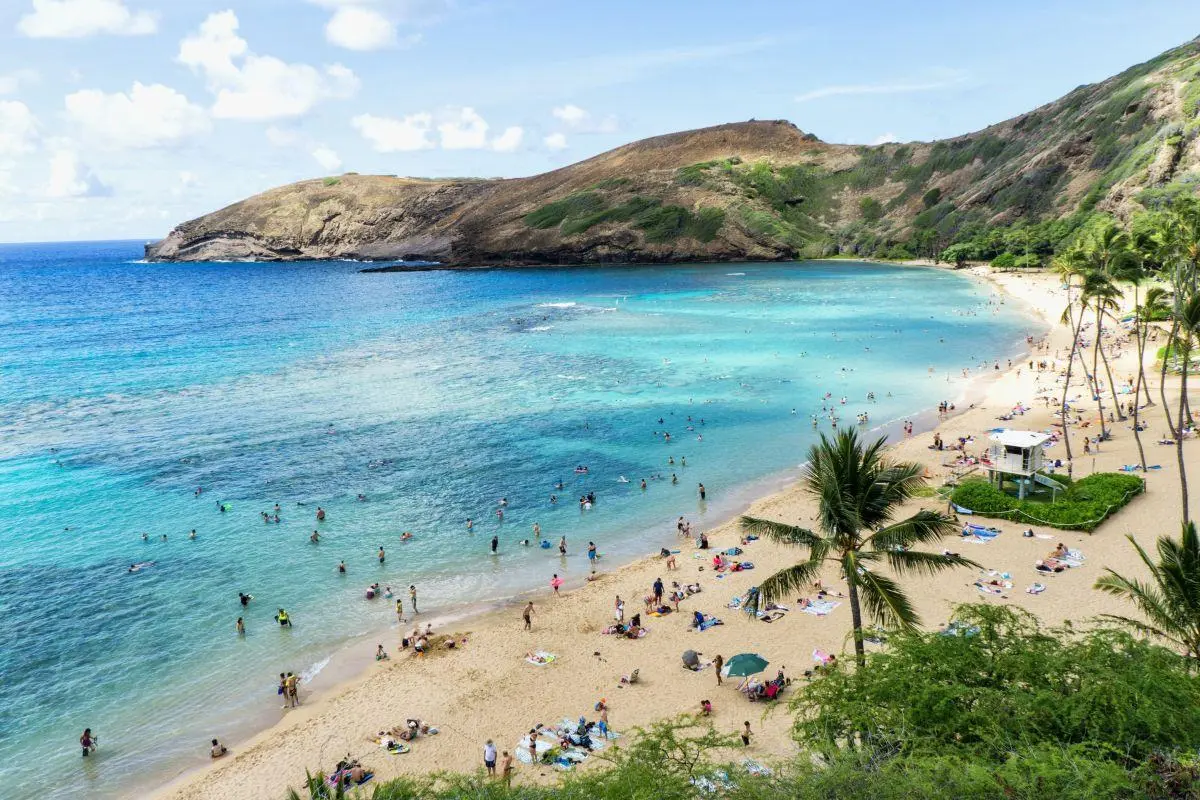
ATTRACTION
Hanauma Bay
Explore this place ↗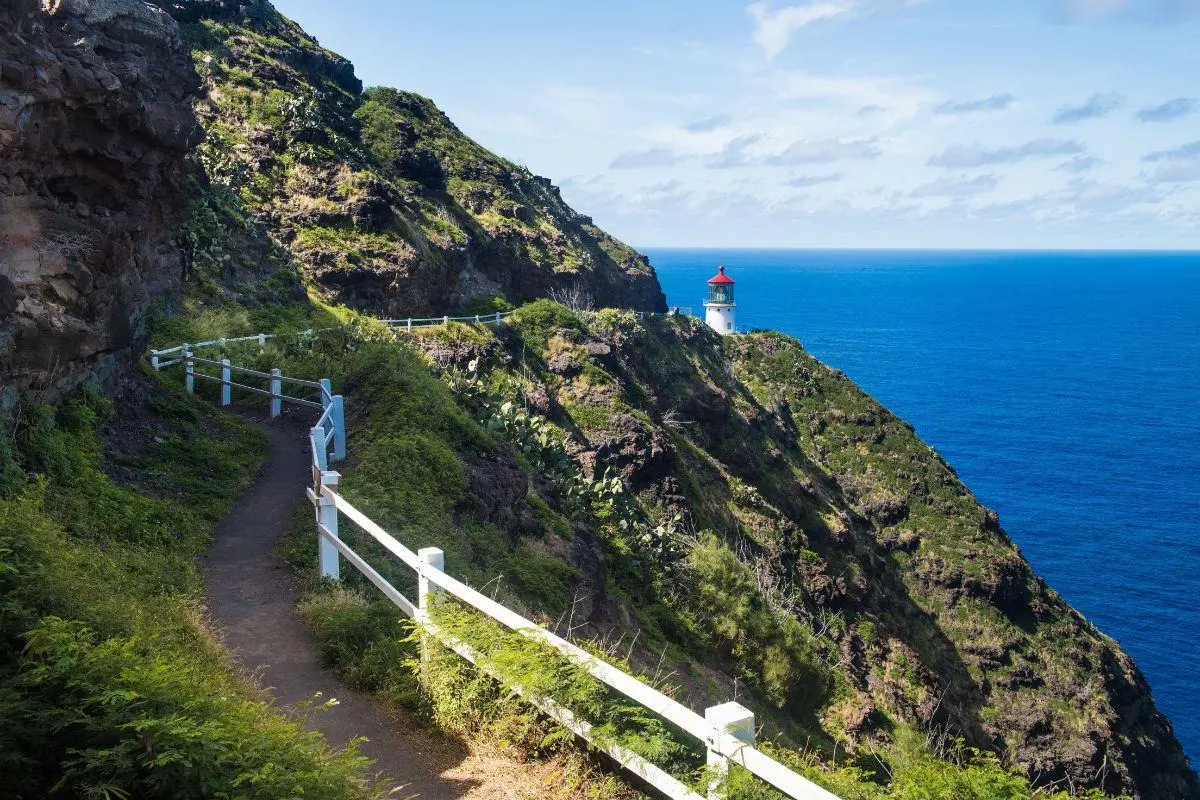
ATTRACTION
Makapu‘u Point Lighthouse Trail
Explore this place ↗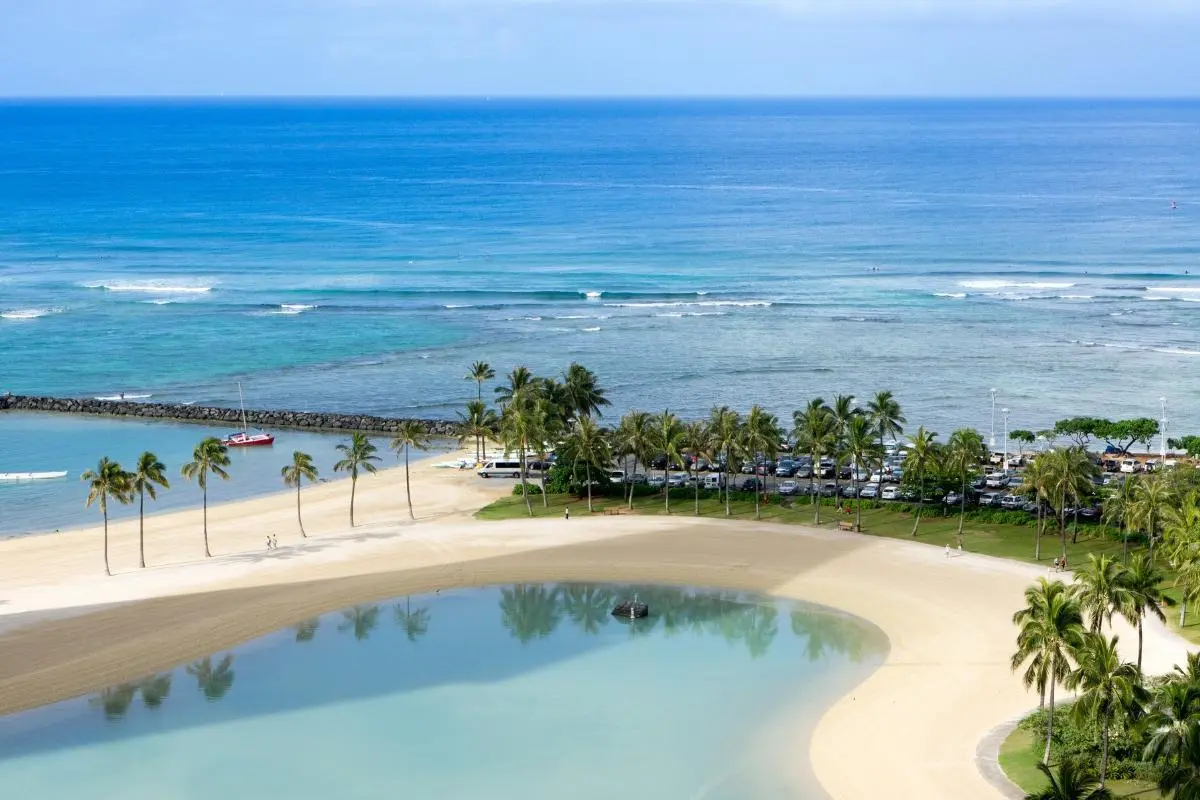
ATTRACTION
Duke Kahanamoku Beach
Explore this place ↗
ATTRACTION
Koko Crater
Explore this place ↗
ATTRACTION
Kapiolani Park
Explore this place ↗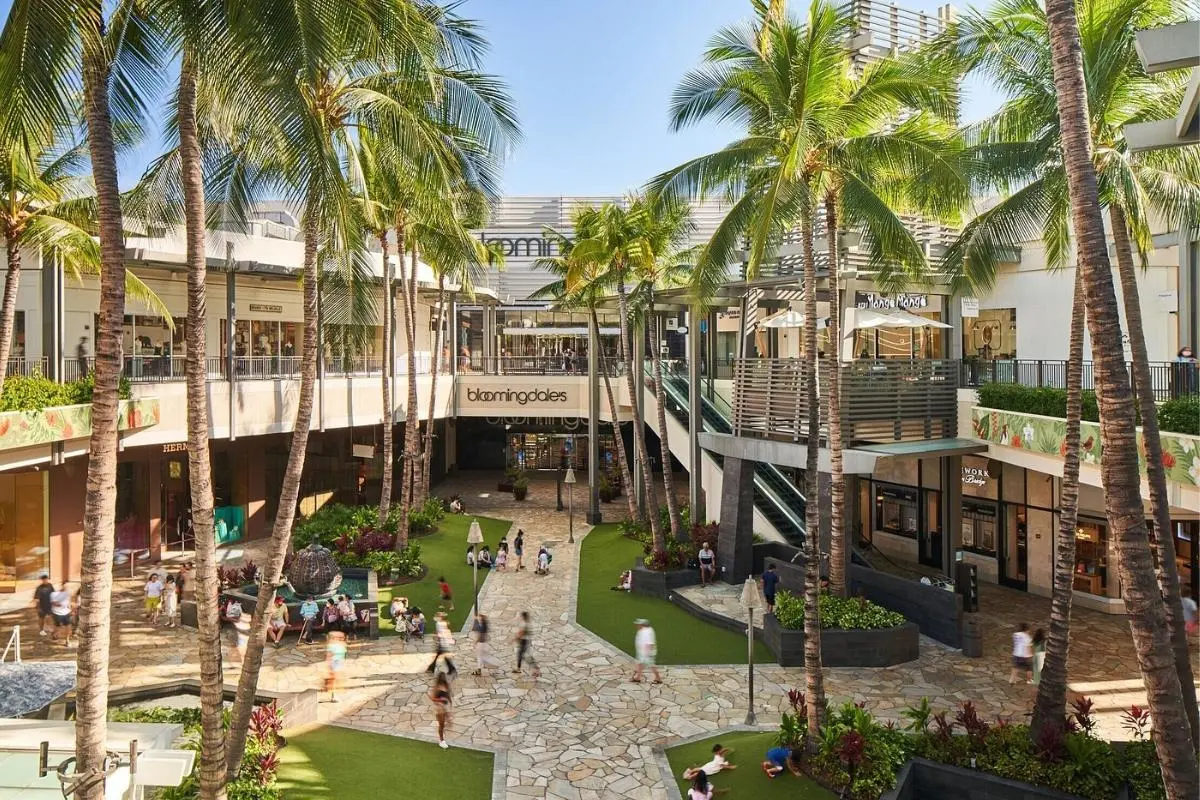
ATTRACTION
Ala Moana Center
Explore this place ↗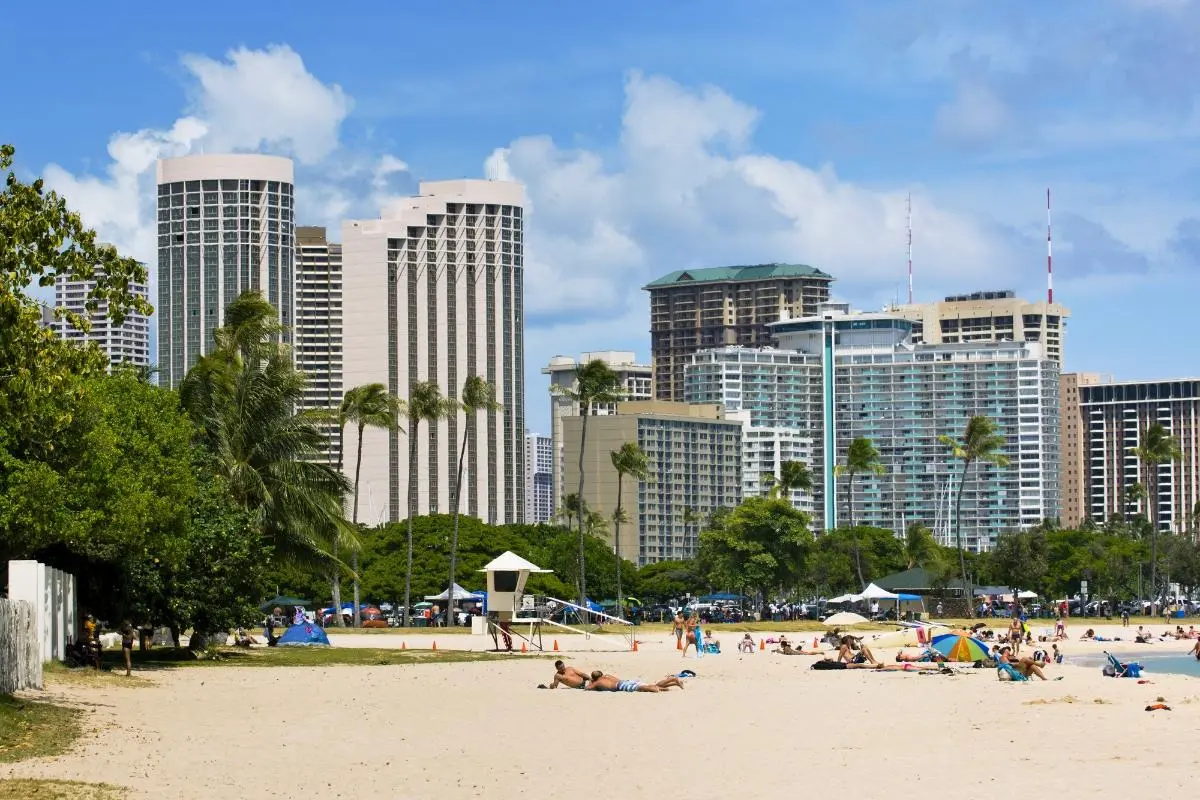
ATTRACTION
Ala Moana Beach Park
Explore this place ↗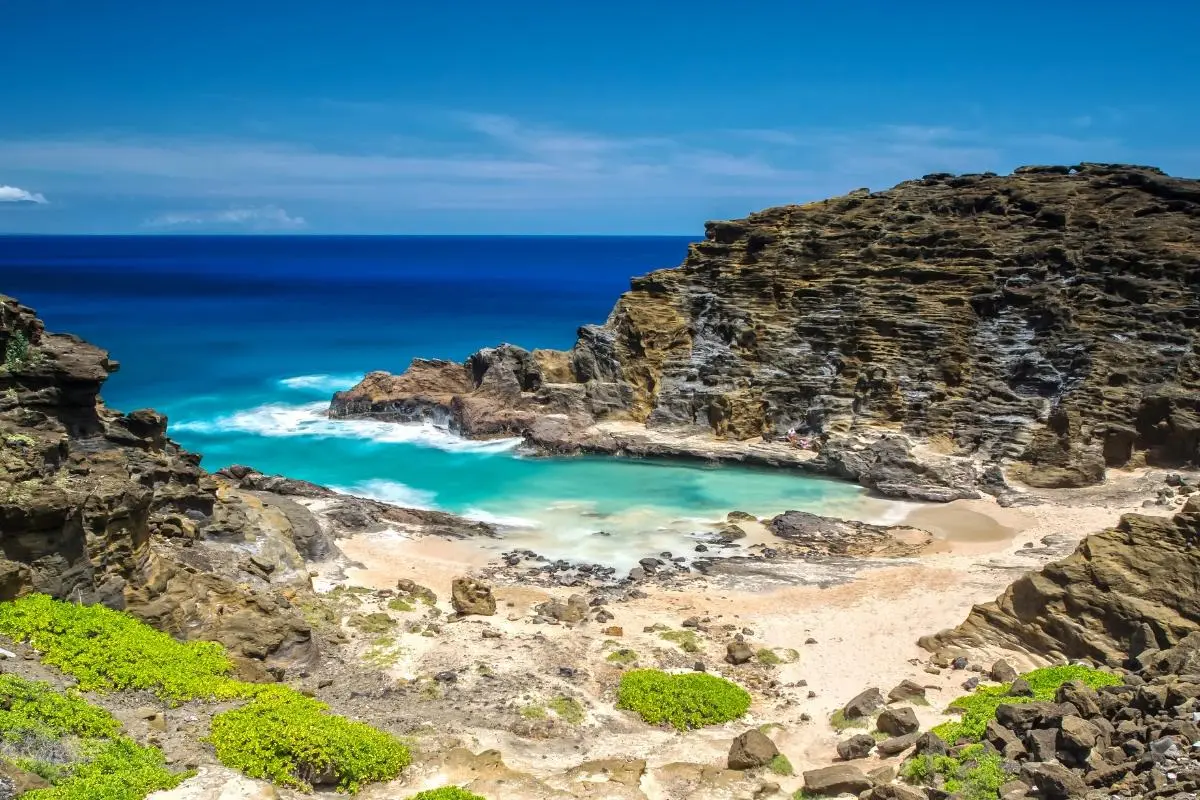
ATTRACTION
Eternity Beach
Explore this place ↗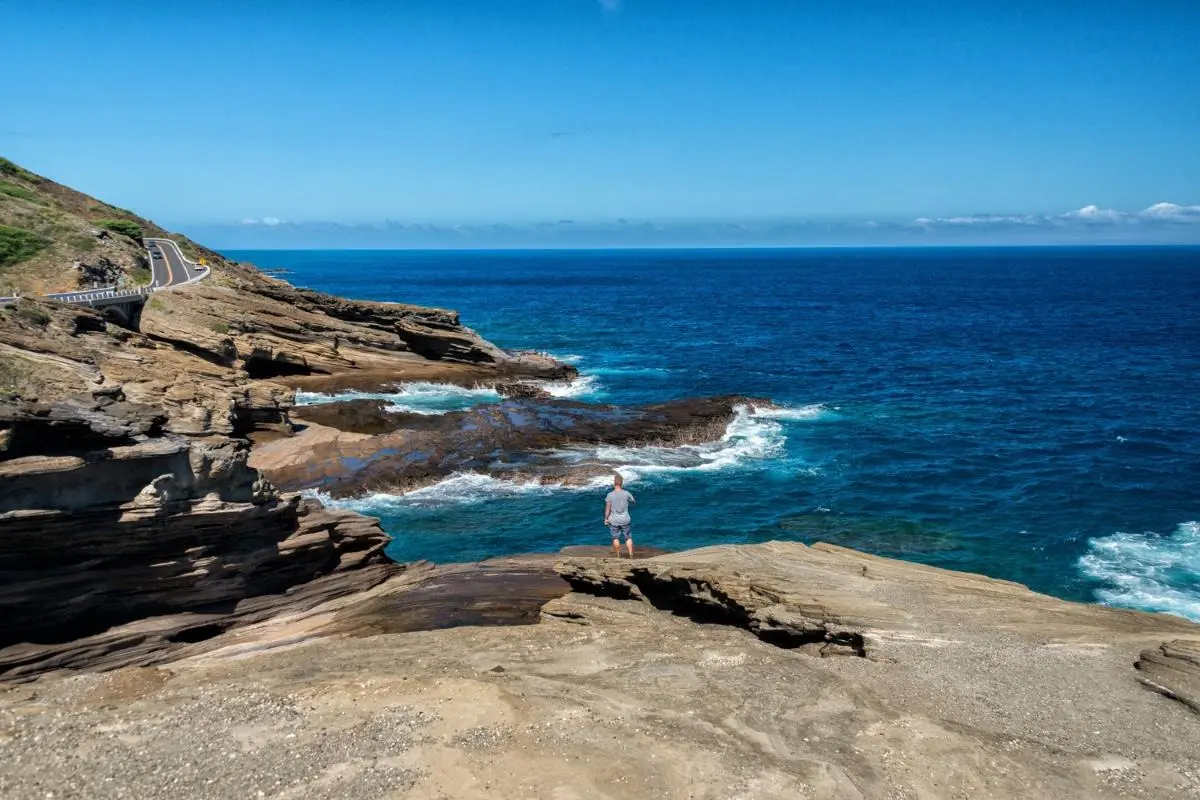
ATTRACTION
Lanai Lookout
Explore this place ↗PLAN YOUR VISIT
When to go.
Best months
April, May, September, October, November
Weather
Oʻahu’s windward side sees tradewinds year-round; mornings are often calmer. Late winter and spring bring increased chance of rain showers and the best whale-watching months, while summer favors clearer skies but stronger sun.
Peak season
Winter and holiday periods are busiest because of whale season and general island tourism; expect early parking congestion and consider starting before dawn or later in the afternoon.
Beyond the peak
Shoulder months offer fewer crowds, better parking and value; be mindful of muddy or slick sections after heavy rain and avoid fragile tidepool areas to protect marine life.
PACK WITH PURPOSE
What to bring.
optional
- Binoculars for whale and bird watching
- Action camera or telephoto lens
- Small picnic kit
essential
- Water (minimum 1 liter per person)
- Sun protection (hat, sunscreen, UV shirt)
- Sturdy traction footwear (trail shoes or sneakers)
- Light layer or wind shell
- Offline map or downloaded directions
recommended
- Rain shell (brief showers possible)
- Headlamp if arriving before dawn
- Hiking poles for stability on slippery sections
- Dry bag for electronics near tidepools
FIND YOUR PACE
Choose your kind of adventure.
advanced
Active coastal pursuits that require planning, ocean awareness, and more technical skill or endurance.
- Sea-kayaking along the Kaiwi Coast (advanced paddling conditions)
- Trail running on exposed coastal ridgelines
- Boat-based whale watching and ocean photography trips
beginner
Accessible coastal outing with short, well-marked trails and rewarding viewpoints suitable for casual hikers and families.
- Makapuu Lighthouse viewpoint hike
- Birdwatching and shoreline photography
- Scenic drive along Kalanianaole Highway with beach stops
intermediate
Longer half-day combinations that include beach time, tidepool exploration, and moderate walking on exposed coastal paths.
- Combine Makapuu hike with tidepool exploration at nearby coves
- Snorkeling at adjacent beaches on calm days
- Exploratory ridge walk and coastal photography sessions
BEFORE YOU GO
Your questions, answered.
Do I need a permit or guide to hike to Makapuu Lighthouse?
No permit is required for the primary Makapuu trail; it’s a popular self-guided route. Guided options are available for wildlife or photography tours if you prefer interpretive context.
Is the trail family- and dog-friendly?
The trail is family-friendly for active children but exposed; dogs may be restricted in some park areas—check local signage and bring ample water and sun protection for kids and pets.
How long should I budget for the visit?
Allow 1.5 to 3 hours for parking, the out-and-back hike, and quick viewpoint time; add more if you plan tidepool exploration or beach stops nearby.
When is whale season and can I see whales from the trail?
Humpback whales migrate through Hawaiian waters in winter months; you can often spot spouts and breaches from the Makapuu lookout during peak season from shore.
Is parking available at the trailhead?
There is a parking area that fills quickly at popular times; arrive early in the morning, use weekdays, or combine with shuttle options if available.
What safety concerns should I be aware of?
Watch for strong coastal winds, sun exposure, and slippery surfaces after rain; do not enter rough surf or climb on wet rocks near the shoreline.