
Honolulu, United States
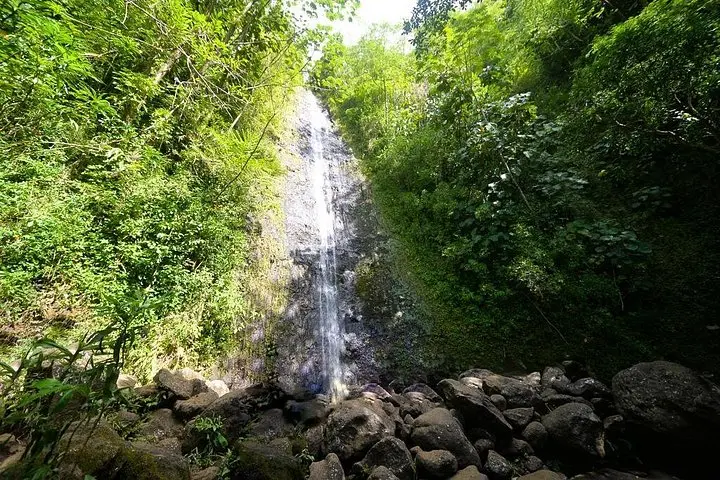
Manoa Falls Self-Guided Hike: Shuttle from Waikiki to a 150-Foot Waterfall
from $52.99USD

VAYCAI · ATTRACTION GUIDE
Manoa Valley pairs short, lush hikes with a close-in waterfall and easy access from central Honolulu, making it ideal for stacking a morning trail, botanical stroll, and afternoon city exploring. Visitors can combine rainforest paths and scenic overlooks with cultural stops near the university to get a full Oʻahu day without long drives.
Explore experiences ↓Your guide to places, experiences, and adventures.
THE GOOD STUFF STARTS HERE
Honolulu, United States
Honolulu, United States

Honolulu, United States
Listed starting prices may vary by option, travel date and group size. Confirm the final total and availability on Viator. Sponsored links: we may earn a commission from qualifying bookings.
STORIES WORTH GOING FOR
GET TO KNOW THE PLACE
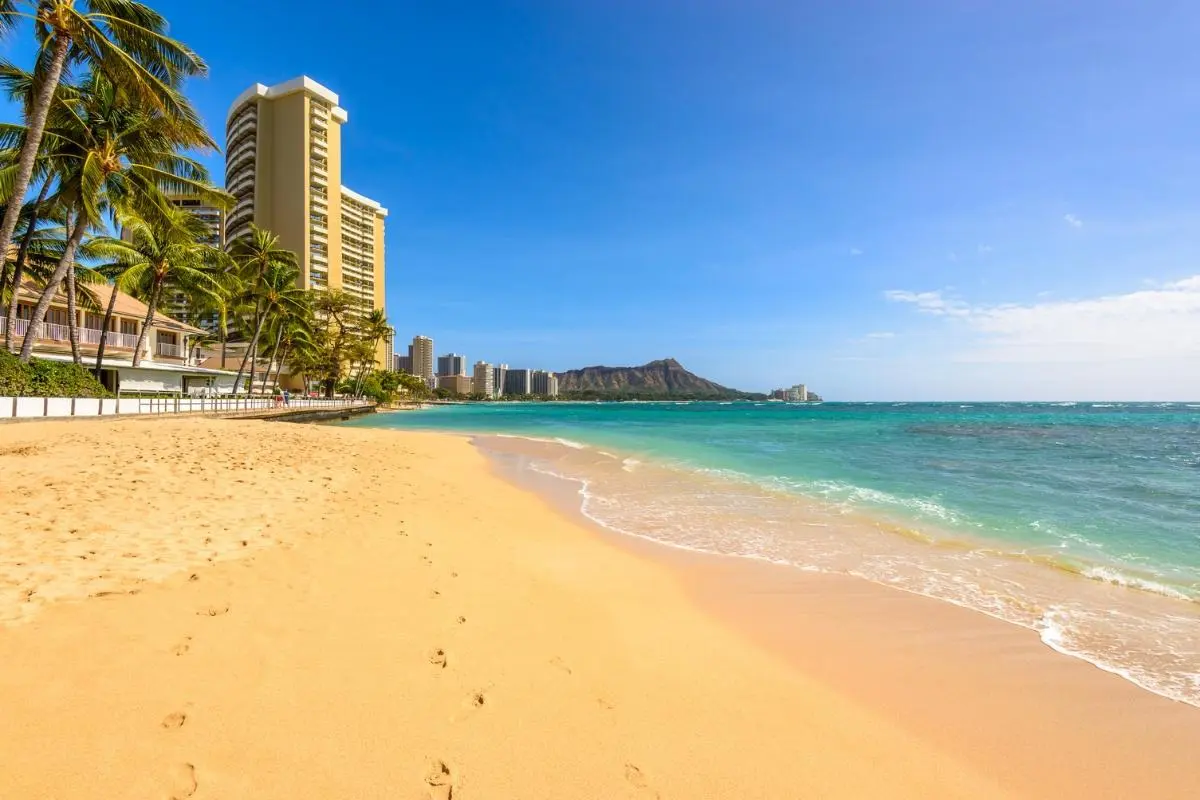
Step off a Honolulu street and into a valley that breathes. Manoa Valley is a pocket of rainforest where trails thread through ferns and bamboo, leading to a classic island waterfall and overlooks that hold the city in view. It’s the sort of place where a short hour of walking feels like a proper escape without losing your grip on Honolulu conveniences.
The valley’s landscape tells a straightforward geological story: steep, volcanic ridges channel trade-wind moisture into a narrow bowl, and those regular showers shape the thick understory of palms, ʻōhiʻa, and wild ginger. Native Hawaiian history here is present in place names and in the aloha of neighborhood residents; the University of Hawaiʻi at Mānoa sits on the valley’s edge, anchoring cultural institutions and botanical collections that make good pre- or post-hike stops. Walk slowly and you’ll hear the valley respond—the stream nudges past boulders, birds call from hidden perches, and the ridgeline keeps the weather moving like a hand over a curtain.
Practical planning in Manoa is straightforward but pays off with small choices. Trails are typically short but can be muddy after rains, so bring traction-friendly shoes and plan a morning start to avoid afternoon showers and local crowds. Parking is limited near trailheads and neighborhood streets; a midweek visit or early arrival mitigates the squeeze. Because the valley sits close to central Honolulu, it’s an ideal half-day outing stacked with a museum visit, farmer’s-market stop, or a surf session later in the day. Respect private property signs and local residents—stay on official paths and pack out any trash.
Priorities are simple: expect a green, humid walk with a memorable waterfall and city backdrop rather than a high-altitude summit. Time your visit for cooler mornings, bring a lightweight rain shell that doubles as sun protection, and consider a short loop that combines the valley floor with an elevated Tantalus overlook for a different perspective. Tour options range from self-guided hikes to guided nature walks focused on plants and cultural history—book guided experiences if you want deeper context or a logistics-light day.
Get to know the place



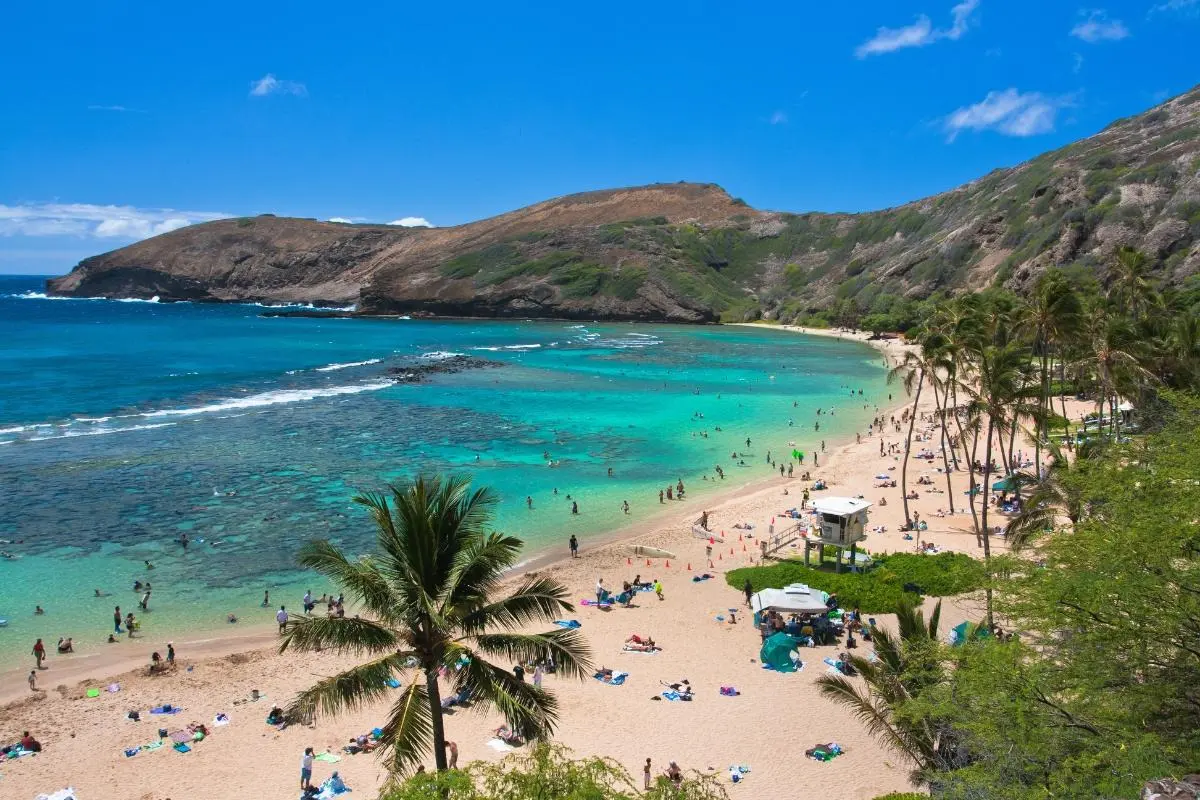


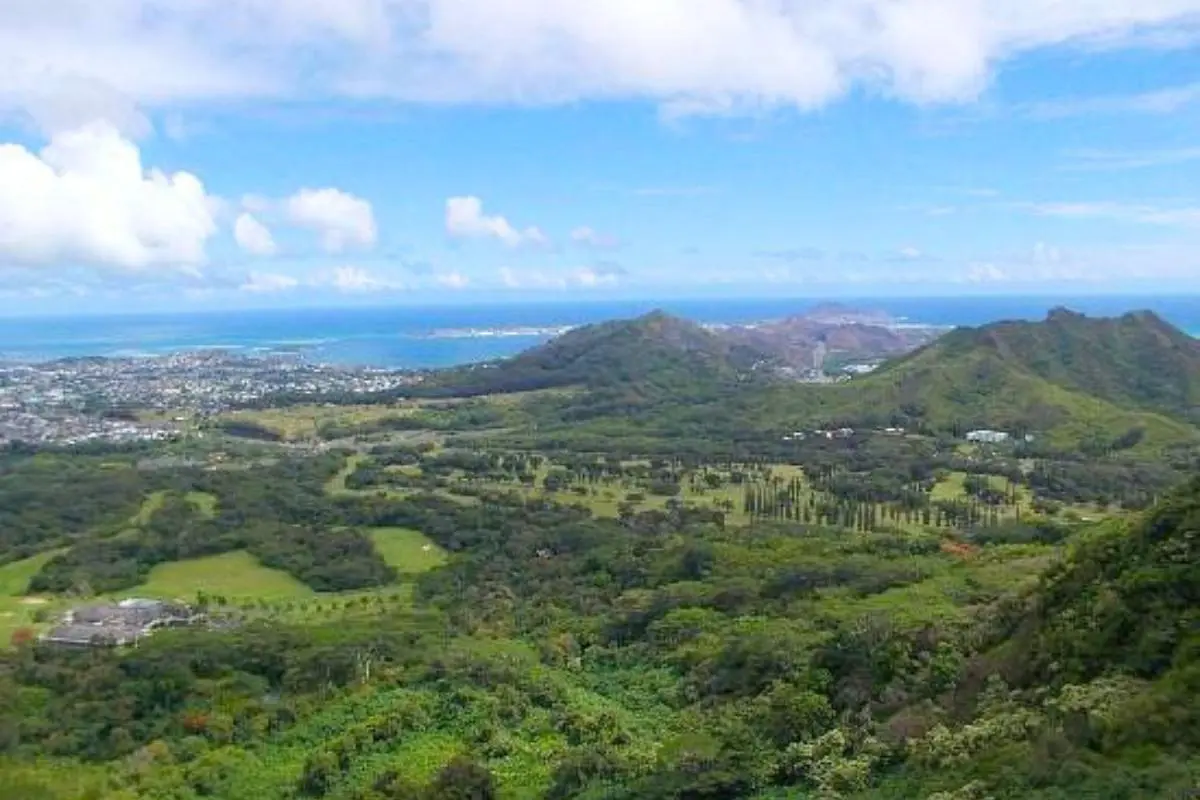

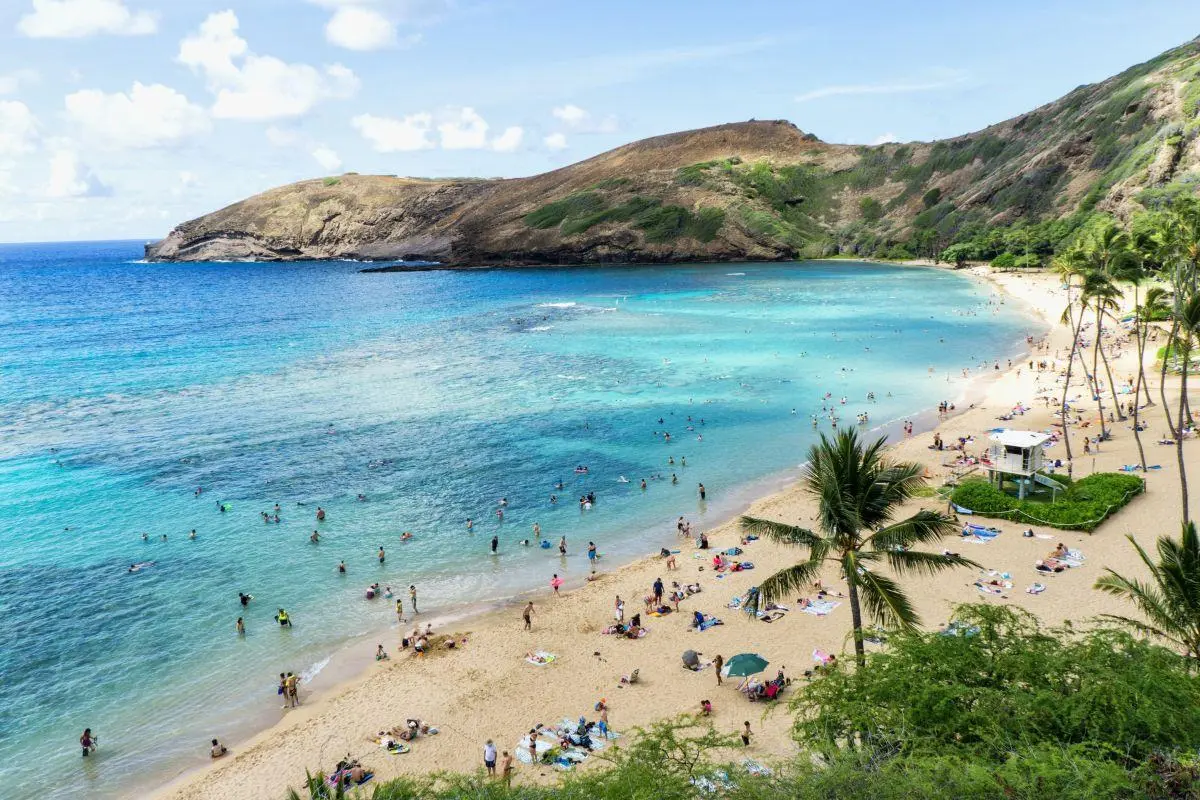
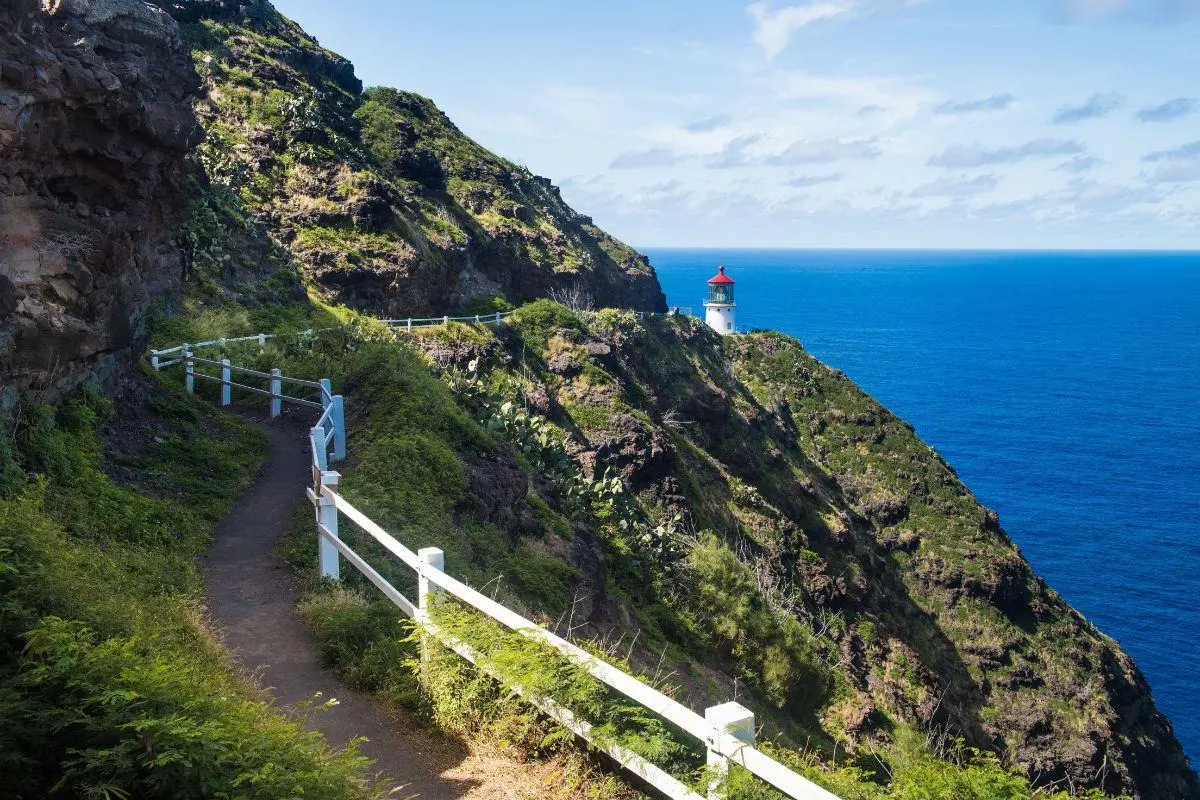



PLAN YOUR VISIT
March, April, September, October
Manoa sees frequent trade-wind showers year-round; spring and early fall offer a balance of milder rain frequency and comfortable temperatures. Afternoon showers become more common in summer and winter can bring cooler, wetter spells.
Winter holidays and summer months bring the most visitors to Oʻahu; during these times, arrive early and reserve guided experiences and accommodation well in advance.
Visiting in shoulder months reduces crowds and can yield lower lodging rates; trails may be muddier so choose firmer routes and respect wet-season etiquette to minimize trail damage.
PACK WITH PURPOSE
FIND YOUR PACE
Advanced visitors can combine technical ridgelines and long cross-island days that link Manoa to other interior trails for sustained effort.
Short, mostly forgiving trails and close parking make Manoa ideal for beginner hikers and families.
Intermediate travelers can extend walks to ridgeline overlooks and mix steeper connector trails for more effort and views.
BEFORE YOU GO
No—many trails are well-marked and suitable for self-guided visits, but guides add cultural, botanical, and safety value if you want interpretation or a more relaxed logistics experience.
Allow 2–4 hours to complete a waterfall walk, linger at viewpoints, and visit nearby botanical areas or a campus attraction.
Parking is limited near trail access and neighborhood streets can fill early; plan for early starts, weekday visits, or rideshare to avoid parking issues.
After rain trails can be slippery and stream crossings may become more challenging; wear proper footwear, check recent conditions, and avoid risky crossings.
Yes—Manoa makes an efficient half-day natural stop that pairs well with coastal paddling, a scenic drive up Tantalus, or afternoon cultural visits in Honolulu.
Rules vary by specific path and neighborhood; check local signs and keep dogs leashed, respecting private property and sensitive habitats.