
Wilmington, USA
Wilmington Scavenger Hunt: Self-Guided Let's Roam Adventure in Downtown Wilmington
from $12.31USD
Loading the next place…
Gathering stories, stays, and experiences for you.
VAYCAI · ATTRACTION GUIDE
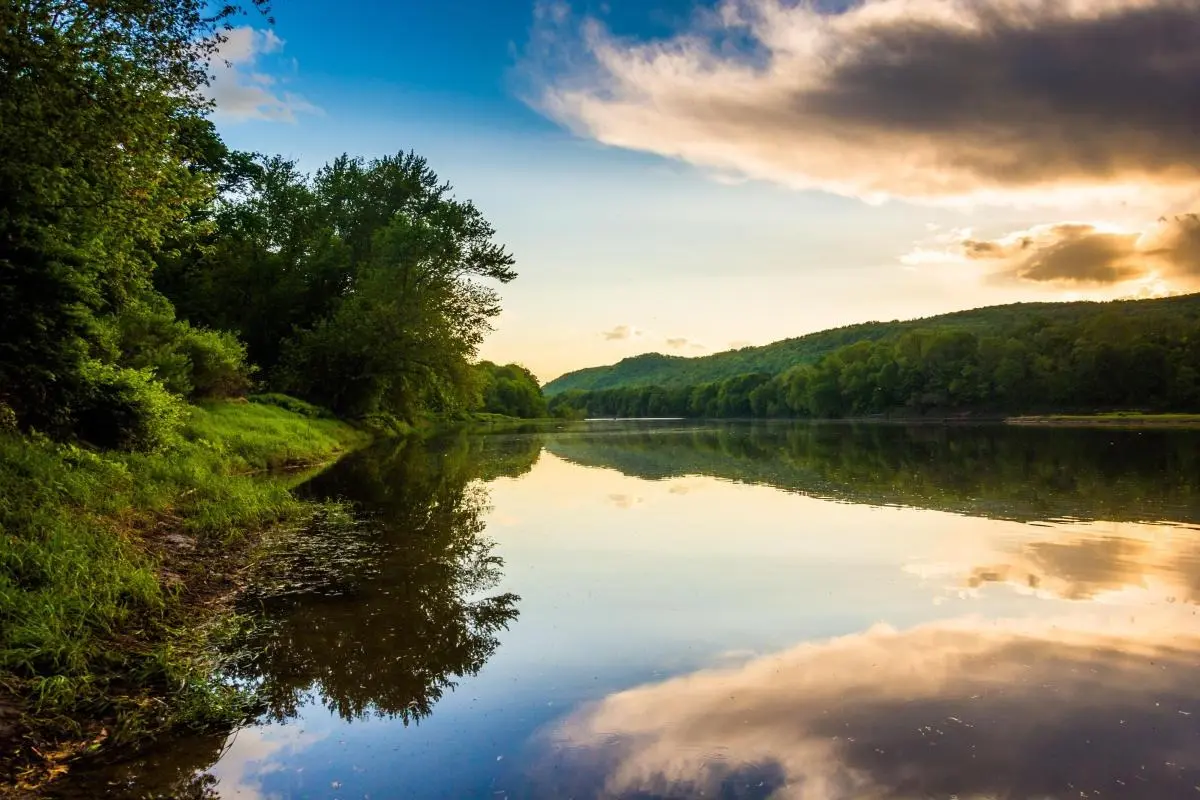
The Delaware River through Philadelphia is an accessible spine of outdoor options you can stack into a single trip: morning paddles past historic piers, mid-day bike loops through parklands, and sunset walks along revitalized waterfronts. The mix is practical and modular—pair a short kayak with an easy trail ride, then sleep in a city neighborhood with restaurants steps from the river.
Explore experiences ↓Your guide to places, experiences, and adventures.
THE GOOD STUFF STARTS HERE
Wilmington, USA

Delaware Water Gap, United States

Philadelphia, USA


Philadelphia, United States

Philadelphia, United States

Philadelphia, USA

Philadelphia, United States

Philadelphia, USA
Listed starting prices may vary by option, travel date and group size. Confirm the final total and availability on Viator. Sponsored links: we may earn a commission from qualifying bookings.
STORIES WORTH GOING FOR

Philadelphia · USA
Step beneath the Gothic façade of Eastern State Penitentiary and into a carefully constructed world of solitude and architecture. This guided feature traces its radical beginnings, notorious inmates, and how to visit with purpose.
Read the story ↗Philadelphia · United States
From the flat promenades of Penn’s Landing to helicopter views above the skyline, the Delaware River is Philadelphia’s overlooked frontier. Here’s how to experience it—on foot, by ferry and from the air.
Read the story ↗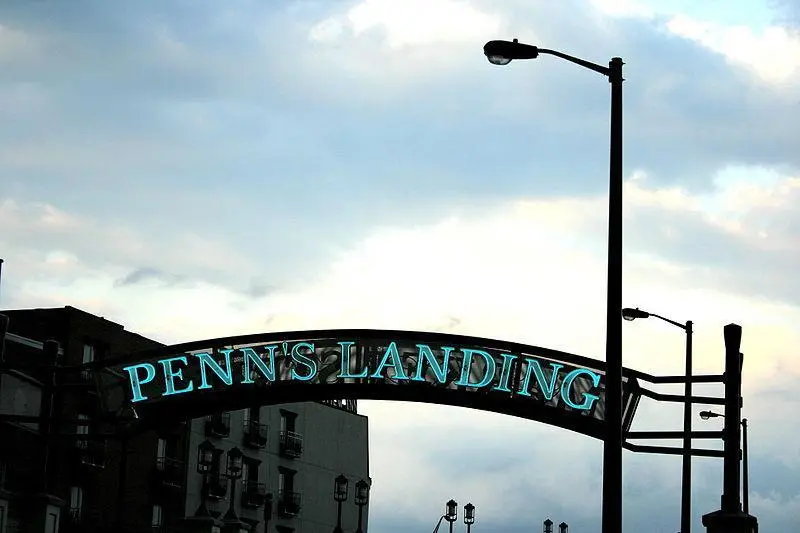
Philadelphia · United States
A resilient stretch of waterfront where the Delaware River meets Philadelphia’s civic life—Penn’s Landing is equal parts working harbor and public gathering place. From dinner cruises to self-guided mystery walks in Old City, the destination offers accessible riverfront adventure for every traveler.
Read the story ↗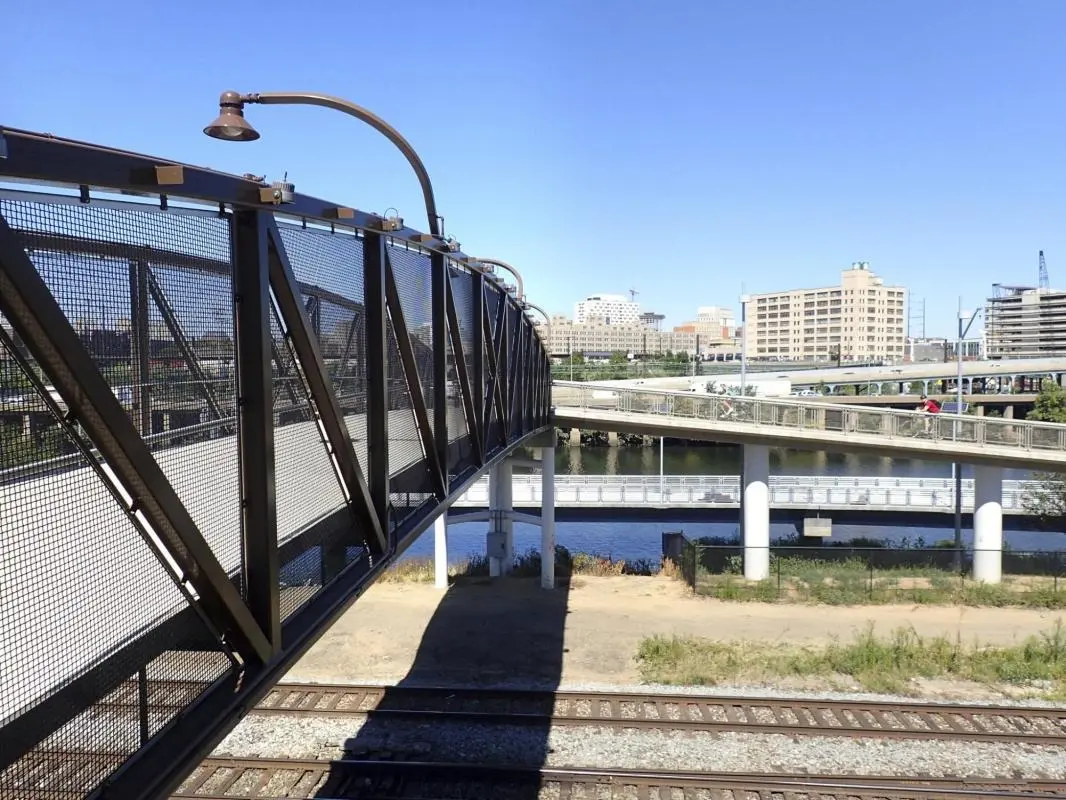
Philadelphia · United States
A wide, multi-use ribbon along Philadelphia’s most storied river, the Schuylkill River Trail offers skyline views, industrial history, and an easy-to-access urban escape. Whether you ride a guided city bike tour or plan your own out-and-back, the river sets the pace.
Read the story ↗GET TO KNOW THE PLACE
Stand on a pier in Philadelphia and the Delaware feels like a living seam: barges, tides, and neighborhoods meet a surprising amount of green. The river nudges you out of the city and into accessible outdoor pursuits—paddling under historic bridges, biking park loops, and exploring riverside trails—making it possible to build a full outdoor itinerary without long drives.
The Delaware River’s story is practical and layered. Geologically, it carves low-lying valley corridors and tidal flats rather than dramatic peaks, which makes its energy readable at the shoreline: currents that change with tides, broad flats that collect migratory birds, and bluffs that catch late light. Historically the river has been a trade and transportation artery for centuries, and those industrial bones now frame parks, piers, and restored waterfronts. Walk a riverside trail and you’re moving through geology, commerce, and city planning in equal measure. For timing, mornings bring glassy water for paddling and fewer people; afternoons are better for cycling and exploring neighborhoods when cafes are open.
Culturally the river is both boundary and connector. On the Philadelphia side you pass historic districts, shipping infrastructure, and revitalized entertainment piers. Cross the bridges and you hit different restaurant scenes, quieter residential stretches, and access points for longer natural corridors upriver. Local insight: public launches, boathouses, and park entrances are clustered near transit hubs and parking, but water levels and currents vary with rain and tide, so plan with flexibility. A half-day paddle plus a bike loop makes a satisfying stack; if you prefer to minimize logistics, choose a guided launch that handles permits, safety briefing, and gear.
Practical planning is straightforward: use low-profile daypacks, lock your bike at regulated racks, and carry an offline map because signal can dip under bridges and in riparian woodlands. If you’re chasing migratory birds, bring optics and aim for shoulder seasons. For families or mixed-ability groups pick short, sheltered paddle sections and paved trail loops. And if you want a multi-day adventure, anchor one night in the city for food and comfort, then head upriver to quieter campgrounds or small towns for more remote paddling and hiking.
PLAN YOUR VISIT
May, June, September, October
Spring and fall offer comfortable temperatures and good paddling windows; summers are warm with occasional thunderstorms and higher visitation; winters are quiet but cold and may limit water activities. Tidal influence and recent rains affect flows and access.
Summer is the busiest period with increased waterfront activity and guided-tour bookings; plan ahead, arrive early, and reserve guided experiences and rentals in advance.
Shoulder seasons provide lower crowds, migratory bird viewing, and better light for photography; be mindful of muddy trails and check access points, which can be more sensitive after heavy rains.
PACK WITH PURPOSE
FIND YOUR PACE
Advanced itineraries include technical paddling in varied current conditions, multi-day routes upriver, and longer cross-region bike tours.
Beginner itineraries emphasize short, sheltered paddles, easy paved trails, and low-exertion river access points.
Intermediate travelers can combine longer self-guided paddles, mixed-surface cycling, and multi-stop day routes along the river corridor.
BEFORE YOU GO
You can self-guide on calm, well-marked sections if you have basic paddling experience, but beginners benefit from a guided launch that handles safety briefings, local currents, and shuttle logistics.
Many waterfront parks and sheltered paddle zones are family-friendly, but always use life jackets, pick calm stretches, and check conditions for tides and recent rain before launching.
A practical day trip includes a 2–3 hour paddle or a 1–3 hour bike ride plus time for meals and transfers; plan for half- to full-day itineraries depending on your activity mix.
Public transit, rideshares, and regional rail reach several waterfront hubs; many launch sites and boathouses have nearby parking but verify overnight rules if leaving vehicles.
Yes—stacking a morning paddle with an afternoon bike loop and a short riverside hike is a common and practical itinerary for the area.
Have a contingency: know nearby sheltered exits, carry a waterproof layer, monitor forecasts, and be prepared to shorten or postpone water activities if storms or high winds develop.