
San Francisco, United States
Guided Presidio Hike: Main Post to the Golden Gate Bridge — History, Art & Coastal Views
from $59.00USD
VAYCAI · ATTRACTION GUIDE
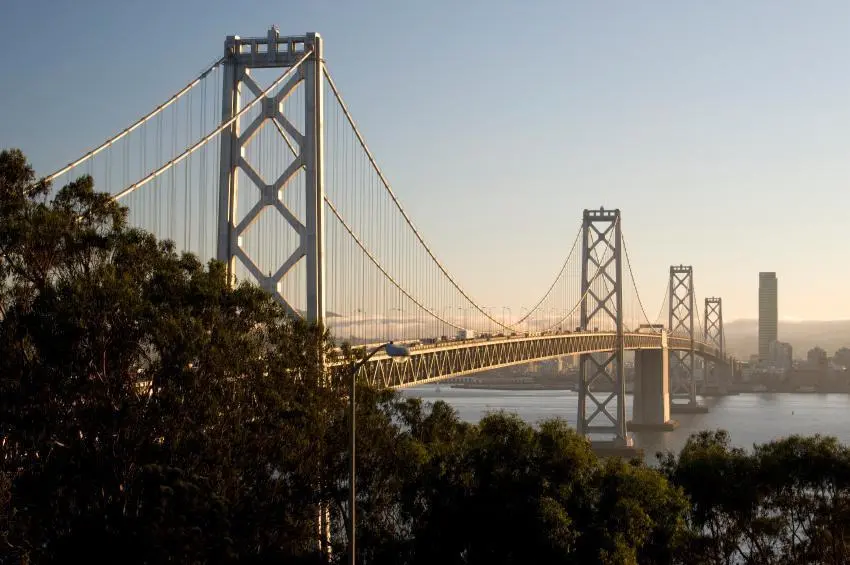
The Bay Bridge frames San Francisco’s eastern waterfront and serves as a natural hub for stacking short urban adventures: waterfront walks, skyline boat trips, and viewpoint hops on Treasure Island and the East Bay. Combine cycling or a ferry ride with a skyline picnic and a short hike in nearby hills for a compact day that feels much larger than the miles traveled.
Explore experiences ↓Your guide to places, experiences, and adventures.
THE GOOD STUFF STARTS HERE
San Francisco, United States

San Francisco, United States

San Francisco, United States

San Francisco, United States

San Francisco, United States

San Francisco, United States

San Francisco, USA


San Francisco, United States

San Francisco, USA

San Francisco, United States

San Francisco, United States
San Francisco, United States

San Francisco, United States

San Francisco, United States

San Francisco, United States

San Francisco, United States

San Francisco, United States

San Francisco, United States
San Francisco, United States
San Francisco, USA

San Francisco, United States
Listed starting prices may vary by option, travel date and group size. Confirm the final total and availability on Viator. Sponsored links: we may earn a commission from qualifying bookings.
STORIES WORTH GOING FOR
GET TO KNOW THE PLACE
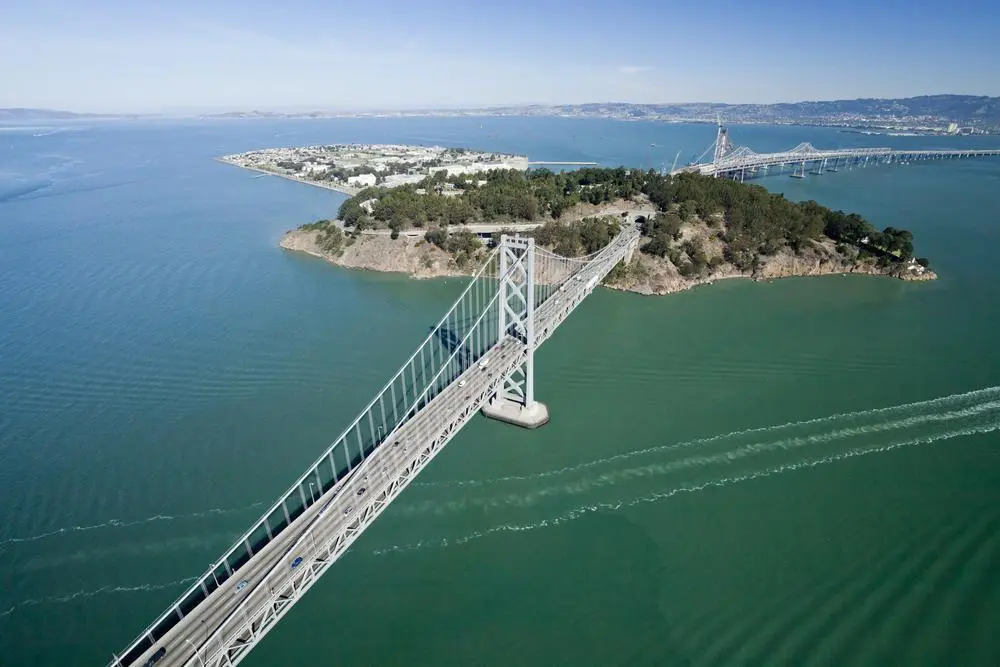
You feel the bridge before you see it: cables humming with wind, the bay nudging against pilings, and a skyline that clicks into focus as you step onto the waterfront. The Bay Bridge is less a single destination than a connective spine—linking downtown San Francisco to islands, East Bay overlooks, and waterborne routes that invite short, layered adventures.
The Bay Bridge is an engineering presence threaded through San Francisco Bay—steel and cable holding a city’s movement across water. Its line draws shipping lanes and ferries, and the islands beneath its spans—man-made and natural—hold views that reward modest effort. Geologically the bay is a tidal theater: currents pull, fog rolls, and wind sculpts the surface. Culturally the bridge sits at an urban crossroads; fishermen, sailors, commuters, and photographers share the same views and the same practical rhythms of tides and transit.
Access is pragmatic and flexible. Start from the Embarcadero for paved waterfront promenades and public transit links, or aim for Treasure Island for a different skyline angle and quieter vantage points. Watercraft departures—ferries, charter sailboats, and guided kayaks—are the best way to physically experience the bridge’s scale, while bike routes and short East Bay hikes let you stack solid cardio and panoramic payoff into a half- or full-day plan. Time your outing around wind and fog: mornings can be clear on the east side when the city wears its marine layer.
Planning means thinking in small stacks: a morning coffee and stroll, a midday boat trip or kayak, and a late-afternoon viewpoint with a short hike or picnic. Parking can be tight near popular viewpoints and weekends bring more crowds, so consider public transit or arriving early. If you plan to paddle or sail, allow extra time for safety briefings and changing conditions; currents in the bay are active and water can be cold. With modest prep you convert the bridge from a commute line into a layered adventure playground.
Get to know the place
PLAN YOUR VISIT
May, June, September, October
San Francisco’s bay environment produces cool, windy summers with frequent coastal fog and clearer conditions in fall; winters are mild with occasional rain. East-facing viewpoints often see less fog than the city’s western side.
Late spring through early fall sees the most visitors, especially on weekends and holidays; plan early starts and book any guided experiences in advance to secure spots.
Winter and early spring offer fewer crowds and lower rates for lodging and tours, but expect rain and muddy conditions on unpaved shoreline paths—pack waterproof gear and check local access advisories.
PACK WITH PURPOSE
FIND YOUR PACE
Higher-effort adventures that require technical skills, experience with currents or long-distance logistics.
Low-impact outings that prioritize views and easy access along paved waterfronts and ferry routes.
Active half-day plans mixing cycling, short hikes, and supervised water activities for solid cardio and scenic payoff.
BEFORE YOU GO
Pedestrian and bike access on the Bay Bridge varies by span and maintenance schedules; many visitors use waterfront routes, bridge viewpoints, and ferries for the best views—check current access rules before planning a crossing.
Beginners should go with a guided operator who knows local currents and safety protocols; conditions can change quickly and cold water requires proper gear and flotation.
A focused visit can be 2–4 hours (walk or short ferry plus viewpoint), while a full-day plan that includes a boat trip, cycling, or a hike in the East Bay requires 6–8 hours.
Public transit to the Embarcadero and nearby ferry terminals is convenient; rideshare and paid parking are options for island and East Bay viewpoints—allow time for weekend traffic and event-related delays.
Guided experiences are recommended for on-water activities and for first-time paddlers; self-guided options work well for waterfront walks and bike rides if you have local maps and a weather plan.
Prepare for wind and cool temperatures even in summer; layer up, bring a windproof shell, and expect clearer conditions in late afternoon or during fall months.