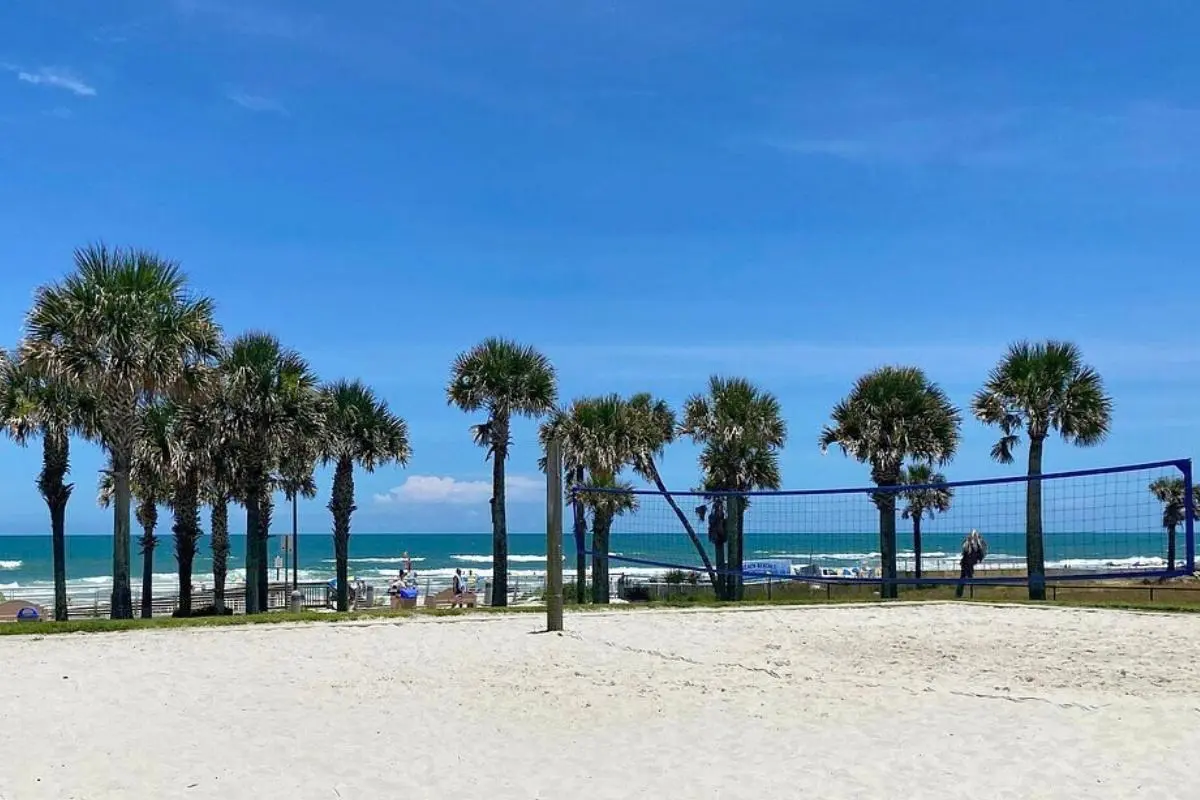
Daytona Beach, USA
Daytona Beach Sunrise Cruise: Atlantic Dawn with Dolphins and Mimosas
from $110.00USD
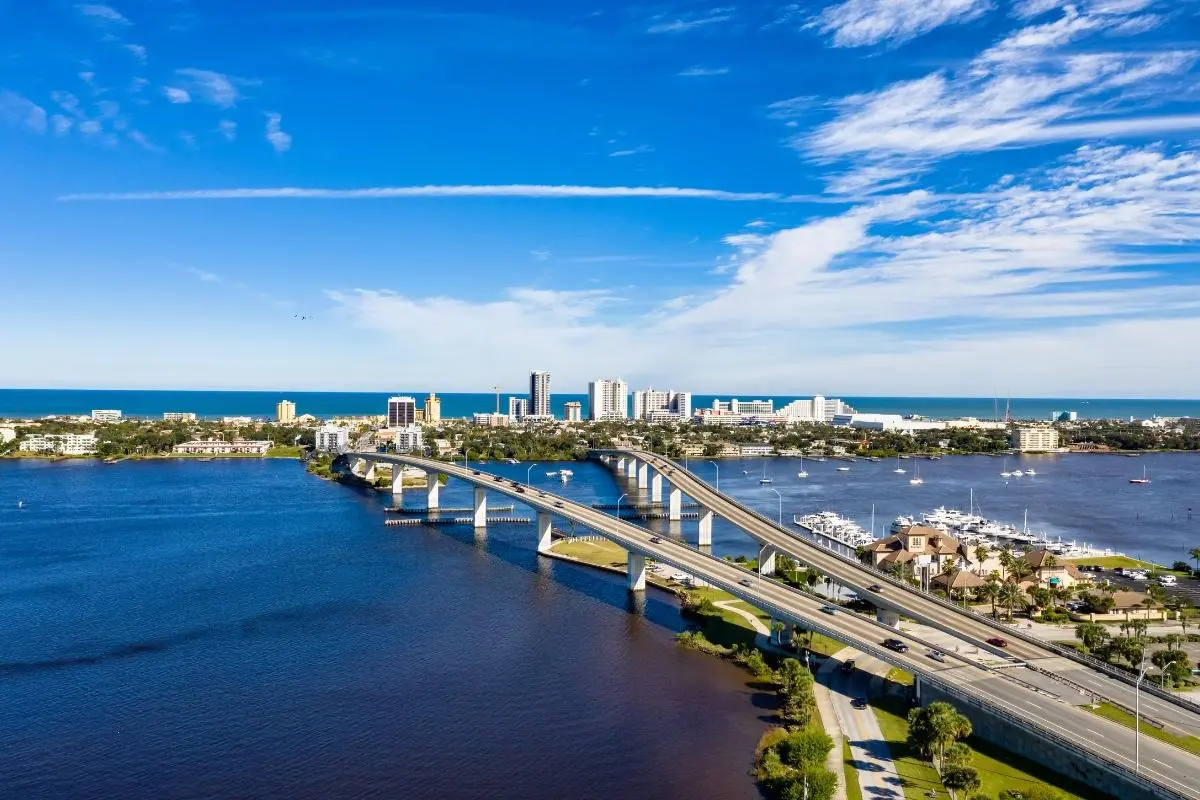
VAYCAI · ATTRACTION GUIDE
The Halifax River offers an accessible coastal playground where paddling, fishing, and quiet riverside rides stack into a full-day adventure. Combine an early morning kayak or paddleboard trip with birding at a state park and an afternoon bike loop along the beach for a balanced mix of water and shoreline exploration.
Explore experiences ↓Your guide to places, experiences, and adventures.
THE GOOD STUFF STARTS HERE
Daytona Beach, USA

Daytona Beach, USA

Daytona Beach, USA

Daytona Beach, United States

Daytona Beach, United States


Daytona Beach, USA

Daytona Beach, United States
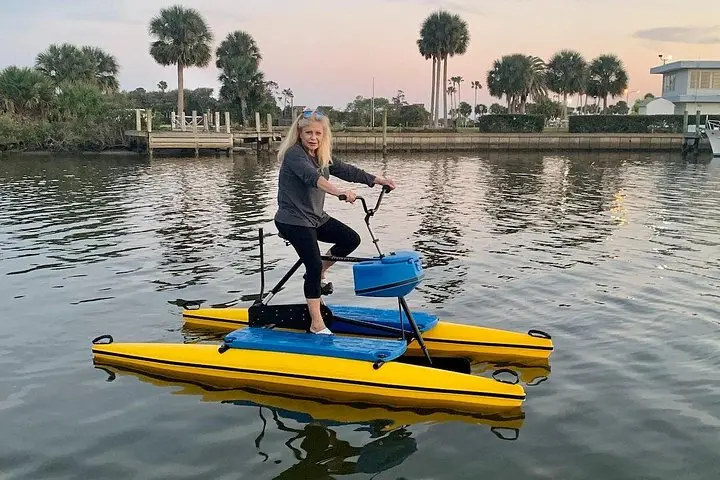
Daytona Beach, United States

Daytona Beach, United States
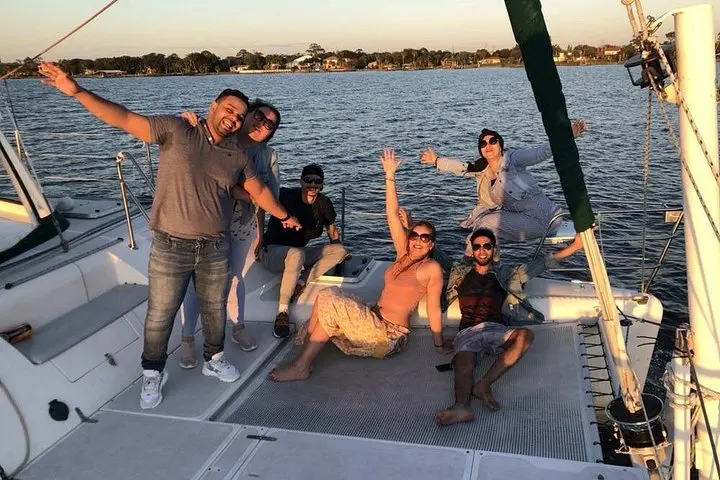
Daytona Beach, USA

Daytona Beach, United States

Daytona Beach, United States
Daytona Beach, United States

Daytona Beach, United States

Daytona Beach, United States

Daytona Beach, United States

Daytona Beach, United States
Listed starting prices may vary by option, travel date and group size. Confirm the final total and availability on Viator. Sponsored links: we may earn a commission from qualifying bookings.
STORIES WORTH GOING FOR
GET TO KNOW THE PLACE
A low-slung waterway that threads Daytona Beach, the Halifax River feels like a channel that nudges you into slow, purposeful adventure. It’s not about big peaks; it’s about currents, shorebirds, and the hush of early morning paddles that pair perfectly with short rides and shoreline exploration.
The Halifax River sits in a coastal plain carved by sea level changes and tidal influence, a soft landscape of mangroves, marsh, and tidal flats where water and land trade places with the seasons. Indigenous peoples and later colonial settlers used these sheltered channels for transport and fishing, and traces of that working waterfront remain where marinas and bait shops cluster. Geologically, the river is an estuarine arm of the Intracoastal Waterway; its character comes from tides, wind, and the long slide of barrier islands that hold the Atlantic offshore. On a calm morning the river holds light and reflections, then by noon it can push a small chop under a steady breeze.
For practical planning, the Halifax is best approached by boat launch or rental point nearest the city’s marinas and state park access. Mornings are prime for paddling and birding before the daytime winds pick up and the shoreline heats. If you prefer to keep feet dry, plan a bike loop along the beachside roads and cycle paths, stopping at river-access points for photos or a quick shoreline walk. Fishing tends to be productive around structure — docks, mangrove edges, and creek mouths — so bring tackle suited to inshore species. Facilities are clustered; pack what you need for the day but expect easy services in town if you run out.
Stacking experiences is straightforward here: an early paddle into low light, a mid-morning stop at a riverside café or picnic area, and an afternoon ride along the coast. Nature keeps a quiet presence — wading birds stride like sentinels, kingfishers dart, and gulls will test your patience at lunch. Keep plans flexible: afternoon showers can roll in during the summer, and tides will change where you can land or beach a kayak. With short travel times between activities, the Halifax River rewards a layered itinerary rather than a single long push.
Get to know the place
PLAN YOUR VISIT
November, December, January, February, March, April
Winters are mild and drier, ideal for paddling and cycling; summers are hot and humid with frequent afternoon thunderstorms and higher humidity affecting comfort on the water.
Late winter through early spring sees the most visitors, especially around spring break and major events; book rentals and lodging early and plan morning starts to avoid crowds.
Summer brings lower rates and fewer weekday crowds but expect heat and storm risk; tides and muddy shorelines can limit some landings, so choose harder-surfaced launches and plan flexible water times.
PACK WITH PURPOSE
FIND YOUR PACE
More committed outings that demand stronger paddling, tidal knowledge, or multi-segment planning.
Gentle, low-stress activities that require minimal skills and provide high enjoyment for families and first-timers.
Mix of self-guided paddles and shoreline exploration that benefit from basic navigation and fitness.
BEFORE YOU GO
No, the river is suitable for self-guided paddles if you have basic skills, but first-time paddlers or those unfamiliar with tidal navigation may prefer a guided option for local knowledge and safety.
Check tide charts and wind forecasts, wear a PFD, carry a way to call for help, and avoid exposed paddling during strong wind or lightning. Sun protection and hydration are essential.
Block a half-day for a relaxed paddle or combined paddle-plus-bike day; a full-day lets you add fishing, birding, and a beach stop without rushing.
Most public launches and marina areas have parking, but spaces can be limited during peak times; check individual launch policies and plan to secure gear in your vehicle or with a rental provider.
Yes — the river and beach are close, making it easy to start on the water and finish on the sand, or vice versa, for a balanced coastal day.
Have a rain or wind contingency: know the nearest launch points, carry a lightweight rain jacket, and be prepared to shorten or postpone water time if conditions deteriorate.