
Loading the next place…
Gathering stories, stays, and experiences for you.
Loading the next place…
Gathering stories, stays, and experiences for you.
VAYCAI · ATTRACTION GUIDE
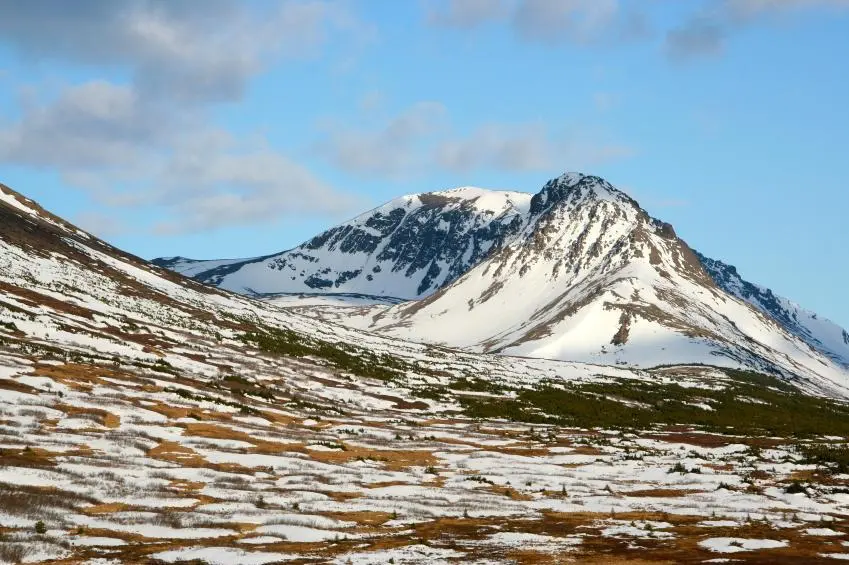
Chugach State Park is Anchorage’s rugged backyard, where forested trails, scree slopes and coastal views stack into full-day and multi-day adventures. Mix a ridge hike with a glacier outlook, add a lakeside paddle or mountain-bike loop, and finish with a scenic drive along Turnagain Arm—easy to plan and endlessly variable depending on weather and skill.
Explore experiences ↓Your guide to places, experiences, and adventures.
THE GOOD STUFF STARTS HERE


Eagle River, United States

Anchorage, United States

Anchorage, United States


Anchorage, United States
Listed starting prices may vary by option, travel date and group size. Confirm the final total and availability on Viator. Sponsored links: we may earn a commission from qualifying bookings.
STORIES WORTH GOING FOR
Anchorage · USA
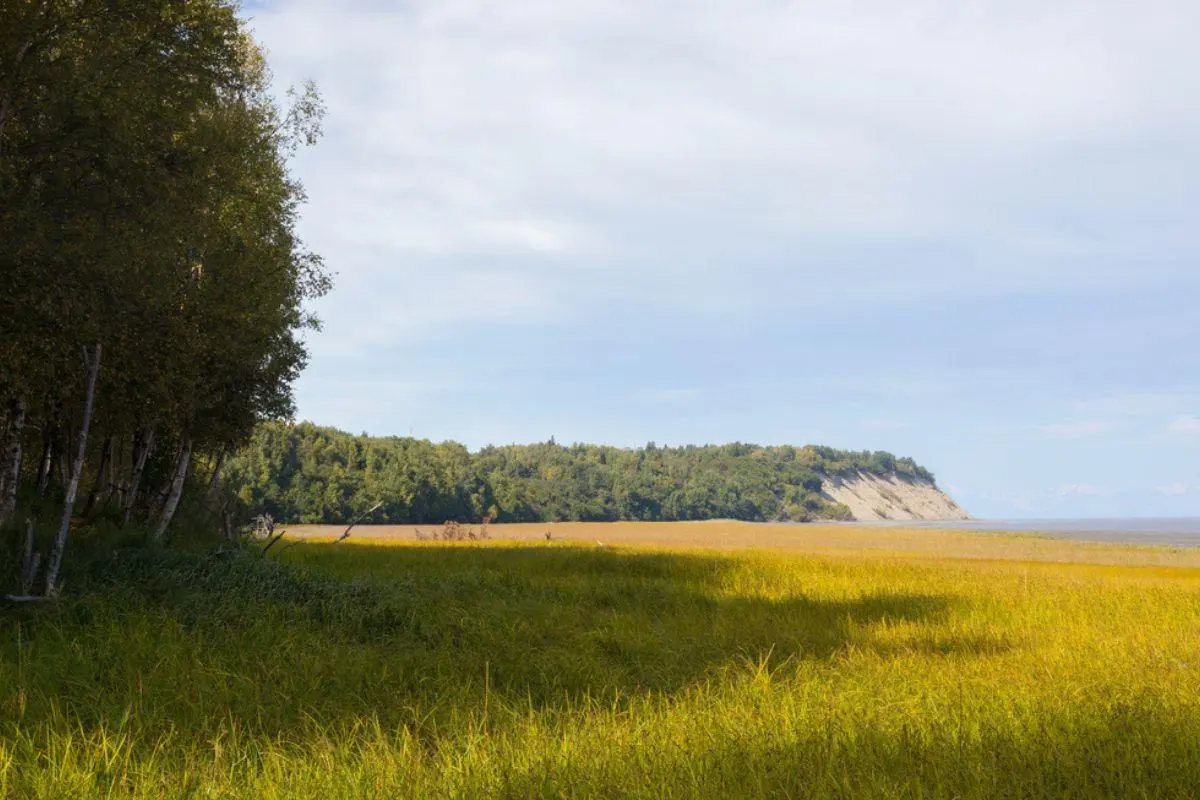
A paved, wildlife-rich coastal corridor that threads Anchorage’s downtown to Kincaid Park—perfect for a day ride or long walk with repeatable, close-range views of Cook Inlet and the Chugach Mountains.
Read the story ↗
Anchorage · United States
A short drive from Anchorage along the Seward Highway leads to Portage Lake, where one-hour cruises take you to the face of Portage Glacier. This feature walks you through the scenery, science, and logistics so you can plan a crisp, unforgettable day on the water.
Read the story ↗Anchorage · USA
Just east of Anchorage, Chugach State Park delivers big-mountain energy without requiring an expedition. From summit scrambles and glacier-carved lakes to aurora hunts and sunset photo safaris, this is Alaska in a day—or as many as you can spare.
Read the story ↗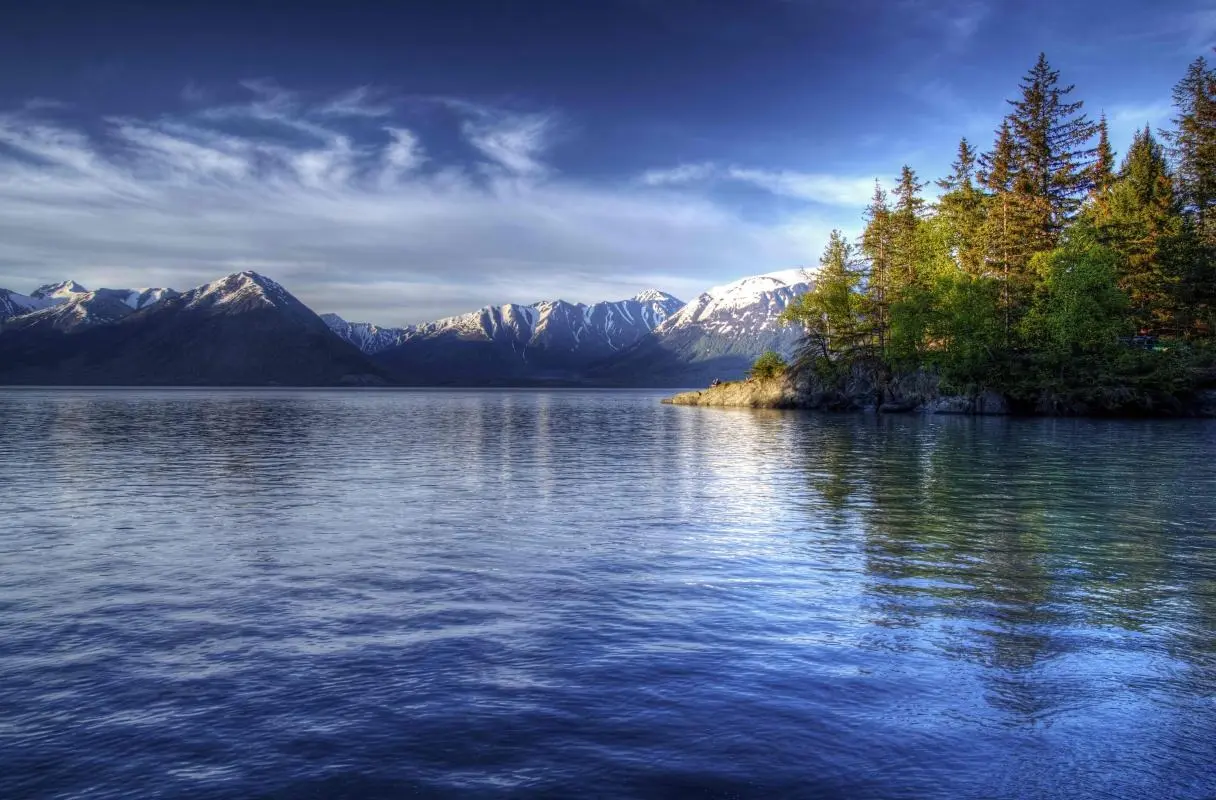
Anchorage · United States
Cook Inlet is a study in contrasts — huge tides, glacier-calved fjords and a wildlife-rich coastline that’s seconds from Anchorage. This practical, immersive guide will help you time tides, choose the right tours and experience the inlet responsibly.
Read the story ↗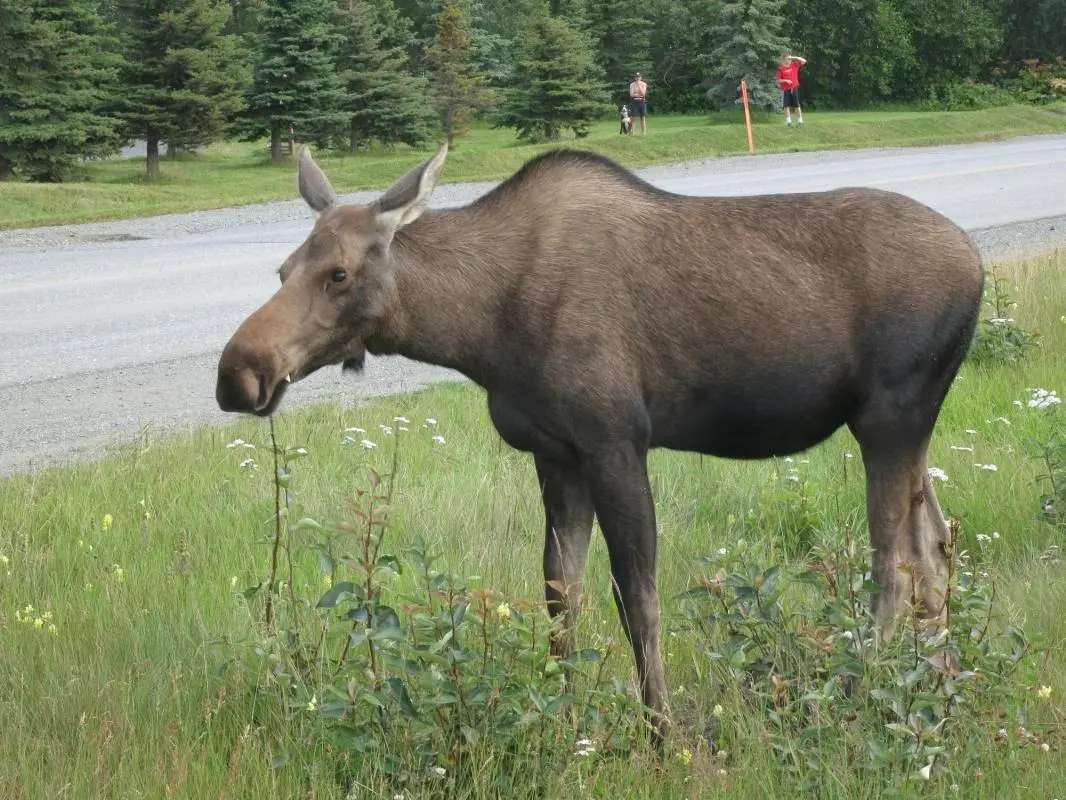
Anchorage · United States
Earthquake Park is a short, powerful walk along Cook Inlet where the ground still remembers the 1964 Good Friday earthquake. Between rippled shorelines, floatplanes at Lake Hood, and frequent moose sightings, the park offers a compact lesson in Alaska’s geology and contemporary life.
Read the story ↗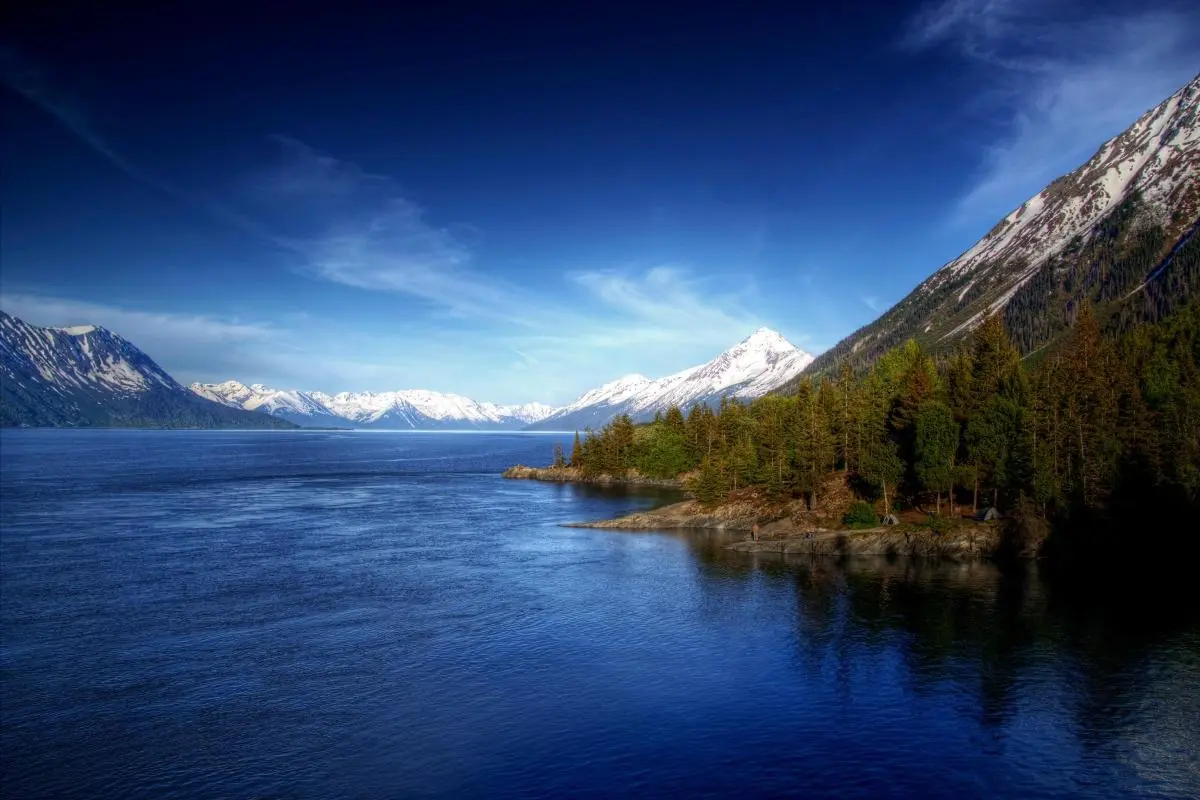
Anchorage · United States
Turnagain Arm is where the Chugach Range folds into an inlet that breathes with massive tides, bore waves, and big-sky views. This guide explains how to see the arm’s best viewpoints, time the tides, and add a glacier cruise or tram ride for a full Alaskan day trip.
Read the story ↗GET TO KNOW THE PLACE
Step out of Anchorage and you’re quickly inside a landscape that alternates between dense spruce forest and wind-scoured alpine bench. Trails climb from mossy creek corridors to open ridgelines that hold views of glaciers, the Knik and Turnagain waterways, and the city tucked below. It’s a place to stack short hikes, paddles, and scenic drives into a single adventurous day or a multi-day backcountry loop.
On the trail the park feels direct and immediate. Spruce and birch keep the lower slopes green and damp while higher routes open into rock and tundra that seem to breathe cold air back toward the city. Geologically, Chugach State Park is the seaward flank of the Chugach Mountains, shaped by repeated glaciation; U-shaped valleys and moraine ridges are reminders that ice has been the architect here. Local history folds in Alaska Native use of the land, early mountaineering routes, and the more recent conservation efforts to keep large parcels of wild within reach of Anchorage. The terrain nudges you to move deliberately—boggy in spring, sticky with summer mosquitoes, and quick to shed weather come autumn.
Practical planning in Chugach is about timing and flexibility. Morning clouds often lift to reveal long views, so starting early pays off; storms can roll in fast, so bring a rain shell and navigation tools even on seemingly benign days. Access is straightforward from Anchorage: multiple trailheads along the hillside and near lakes provide launch points without long approaches. Parking fills on weekend days during summer, so weekdays or early starts reduce hassle. If you want glaciers closer up or boating access to remote coves, consider a guided option for safety and logistics—glacial terrain and tide-influenced coastal zones require local knowledge.
Wildlife and etiquette are part of the experience. Dall sheep thumb ridgelines, and black and brown bears use valley bottoms seasonally; make noise on brushy approaches, keep food secured, and respect closures around sensitive areas. For a balanced itinerary, pair one strenuous ridge or scramble with a restorative paddle or scenic drive so you get both exertion and landscape perspective. Trail conditions and water levels vary with season—check current reports before you go and plan a conservative turnaround time to account for weather shifts.
PLAN YOUR VISIT
June, July, August, September
Summer offers the warmest and longest days for hiking and paddling, though afternoon showers are common; shoulder months bring fewer bugs and crisp air but more variable trail conditions.
Mid-June through August is the busiest period; book lodging and guided experiences in advance and start hikes early to avoid crowded trailheads.
Late spring and early fall provide quieter trails, dramatic light, and lower rates; be prepared for muddy approaches, early snow at higher elevations, and shorter daylight hours.
PACK WITH PURPOSE
FIND YOUR PACE
Advanced adventurers can pursue technical scrambles, glacial approaches, winter backcountry routes, and multi-day remote traverses that demand skills and preparation.
Beginner-friendly options include shorter, low-elevation trails and flat lakeside strolls that offer big views with minimal technical demands.
Intermediate travelers will enjoy longer ridge hikes, moderate scrambles, and mixed-surface mountain-bike loops that require fitness and basic navigation.
BEFORE YOU GO
You can enjoy many trails unguided, but guides are recommended for glacier approaches, remote paddles, or winter travel to manage safety and logistics.
A focused day trip covers a ridge hike plus a scenic drive or short paddle; plan 2–4 days to explore different zones without rushing.
Most trailheads are a short drive from Anchorage; car access is common, and private shuttles or guided transfers are available for remote starts.
Dogs are allowed on many trails but must be leashed in parking areas and near wildlife-sensitive zones; check specific trail rules before heading out.
Weather can shift rapidly—bring layers, a waterproof shell, and navigation tools, and give yourself extra time for route changes or retreats.
Cell coverage is spotty in many valleys and ridgelines; carry offline maps and a communication plan for emergencies.