
Cartagena, Colombia
Day Trip to the Rosario Islands: Snorkel, Sun, and Bioluminescent Plankton from Cartagena
from $110.00USD
Loading the next place…
Gathering stories, stays, and experiences for you.

VAYCAI · ATTRACTION GUIDE
Sand Key Reef sits just offshore of Key West and stacks marine adventures into short, high-value days: guided snorkeling or shore-approach boats, half-day scuba from the harbor, and wildlife-watching at dawn or dusk. Pair water time with island exploration in Key West for dining and logistics, or book a liveaboard if you want back-to-back dives without the morning shuffle.
Explore experiences ↓Your guide to places, experiences, and adventures.
THE GOOD STUFF STARTS HERE
Cartagena, Colombia

Key West, United States


Listed starting prices may vary by option, travel date and group size. Confirm the final total and availability on Viator. Sponsored links: we may earn a commission from qualifying bookings.
STORIES WORTH GOING FOR
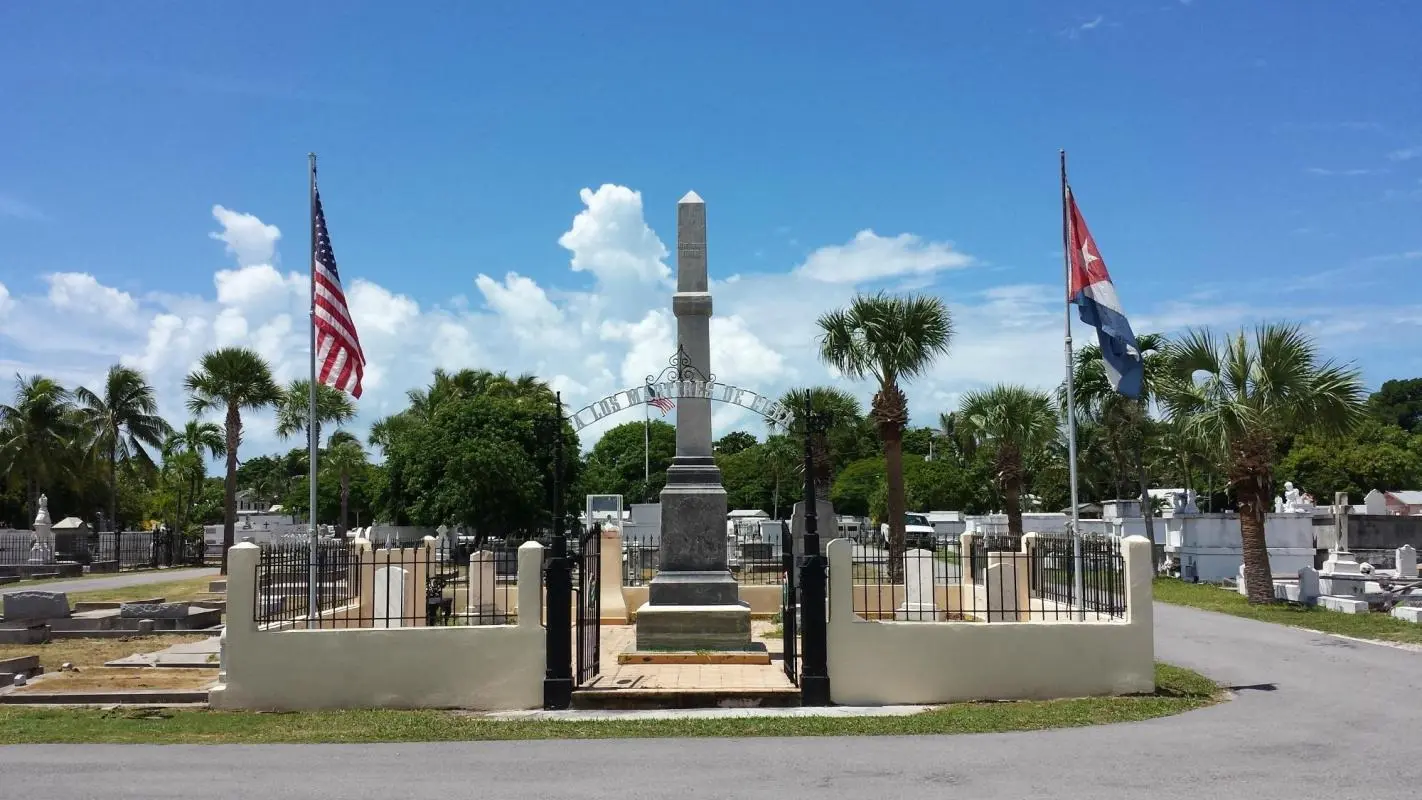
Key West · USA
A compact city of vaults and witty epitaphs, Key West Cemetery is where geology, maritime history, and island humor meet. Visit by day for details and by night for stories told under the moon.
Read the story ↗
Key West · United States
Duval Street condenses Key West into 1.25 miles of history, food, and nightlife. Walk it slowly: morning light reveals conch houses and coffee, afternoons bring buskers and bite-sized cultural lessons, and nights invite neon-soaked pub crawls and ghost stories.
Read the story ↗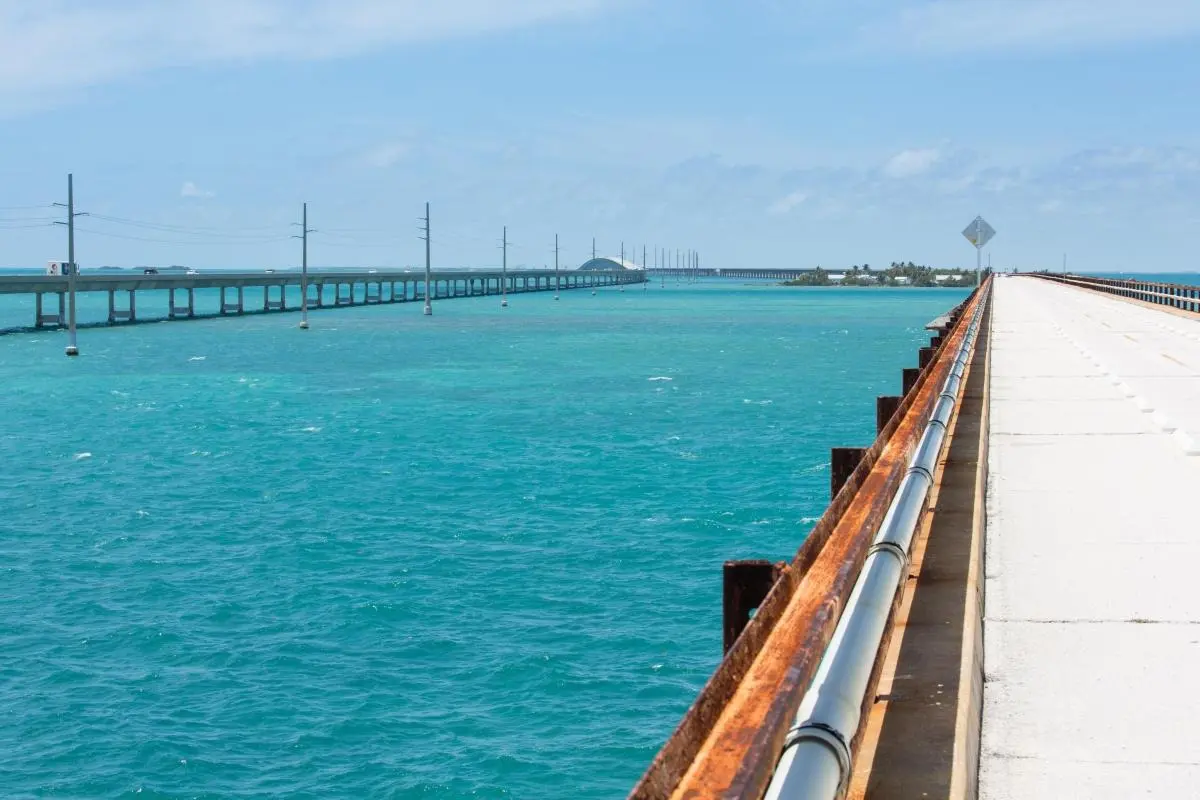
Key West · United States
Cross a chain of islands where bridges turn into horizons and history rides the wind. The Overseas Highway isn’t just a drive—it’s an itinerary of beaches, birds and surprising cultural corners on the way to Key West.
Read the story ↗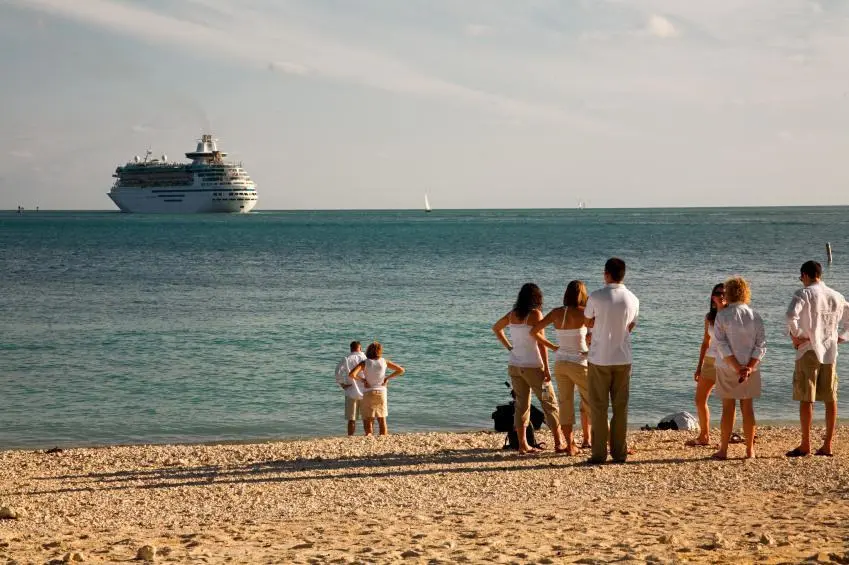
Key West · United States
From the gangway to Mallory Square, Key West compresses a lifetime of maritime history, reef ecology, and island culture into a perfect few hours ashore. Here’s how to turn your port stop into an efficient, sensory day that leaves time for sunset.
Read the story ↗
Key West · USA
Climb a 65-foot lookout, meet costumed salvagers, and trace how shipwrecks turned a tiny island into a maritime boomtown. The Key West Shipwreck Treasure Museum is a compact, hands-on primer on reef-made fortunes and coastal survival.
Read the story ↗
Key West · United States
Pastel porches, creaking piers, and the reef beyond: the Key West Historic District is a compact lesson in maritime history and seaside fun. Walk its streets, then drop into the water for snorkeling, dolphin watching, or a tiki-boat sunset.
Read the story ↗GET TO KNOW THE PLACE
The reef sits like a living necklace around the western edge of the Florida Keys, its coral heads rising from blue water and inviting both snorkelers and technical divers. Currents nudge you alongside ledges, while fish bustle through crevices. It’s a place built for short, intense marine days that pair neatly with Key West’s laid-back logistics and abundant boat operators.
Step off a charter in the morning and the ocean greets you with purposeful movement. The currents around Sand Key Reef can feel insistent, pushing you down the line of coral and past vertical walls. That motion concentrates life: turtles browsing on hard and soft corals, schools of jacks making quick, bright passes, and a scatter of reef fish holding stations. The reef’s geology is simple but dramatic — ancient reef framework capped by living coral — and it’s protected inside the Florida Keys National Marine Sanctuary, which shapes how operators run trips and how visitors behave.
Key West provides the practical scaffolding. Launches and dive shops cluster in the harbor, so a full day at Sand Key can look like a quick pre-dawn boat, two dives or a snorkel trip, lunch back on shore, and a late-afternoon kayak or sunset sail. Winter and spring bring the best visibility and calmer seas, while summer trade winds can churn chop into the afternoons. Local boat captains know when to move the pick-up point for cleaner water; a good captain will orient your day to tides and wind, which is how you turn a potentially rough outing into a memorable one.
History and culture show quietly here. The reef has long been a waypoint for fishing and navigation; nearby lighthouses and wrecks speak to maritime lives shaped by storms and trade. Conservation rules matter — reef-safe sunscreen, no-touch policies, and mindful anchoring keep the living structure whole. Plan your visit with time buffers: weather or sea conditions may shift start times, and prioritizing morning water time usually rewards you with calmer seas, clearer water, and fewer boats around the prime sites.
PLAN YOUR VISIT
December, January, February, March, April
Winters and early spring are generally drier with calmer seas and the best underwater visibility; summer brings heat, humidity, and a greater chance of thunderstorms and choppy afternoons. Hurricane season runs late summer into fall and can affect schedules and availability.
Peak visitation aligns with winter holidays and spring break when Key West is busiest; book boats, lodging, and popular operators well in advance and favor early departures to avoid crowds.
Summer and early fall can offer lower rates and more flexible booking, but expect warmer water, reduced visibility at times, and an increased chance of storms — plan flexible itineraries and watch forecasts closely.
PACK WITH PURPOSE
FIND YOUR PACE
Advanced adventurers tackle drift dives, multi-tank days, and private charters to more exposed sections of the reef where currents test technique and planning.
Beginner-friendly options are guided, shallow snorkeling trips and glass-bottom tours that let you see reef life without strong currents or deep water skills.
Intermediate travelers can handle guided scuba dives in moderate currents and full-day combo trips that blend snorkeling, short dives, and light fishing.
BEFORE YOU GO
For snorkeling no certification is required; for scuba you must hold a current certification and book with a licensed operator who will match you to appropriate sites based on experience.
Sand Key Reef is offshore and typically reached by boat; there is no practical shore access, so plan for a charter, dive shop shuttle, or guided trip.
Yes—currents can be significant and boat traffic is common; use licensed operators, stay inside marked areas, and follow briefings on currents and exit plans.
Take preventive meds before boarding, choose morning trips when seas are calmer, stay hydrated, and position yourself mid-boat where motion is minimized.
Half-day trips are common for snorkeling or a single dive; full-day itineraries allow for two dives or combined activities like snorkeling and fishing, plus buffer time for weather and transit.
Yes—use reef-safe sunscreen, never touch or stand on coral, avoid feeding wildlife, and follow operator instructions about anchoring and waste disposal.