

VAYCAI · ATTRACTION GUIDE
Bend Old Mill District Visitor Guide
A compact stretch of riverfront, parks, and converted mill buildings that lets you stack short hikes, flatwater paddles, and pedal-friendly routes into a single active day. Pair a riverside walk with coffee and a brewery stop, then loop out to larger trail networks in the cascades for mountain biking or alpine views.
Explore experiences ↓Your guide to places, experiences, and adventures.
THE GOOD STUFF STARTS HERE
Experiences around Bend Old Mill District
Listed starting prices may vary by option, travel date and group size. Confirm the final total and availability on Viator. Sponsored links: we may earn a commission from qualifying bookings.
STORIES WORTH GOING FOR
Stories from Bend
GET TO KNOW THE PLACE
Why Visit the Bend Old Mill District
Walk the river and you can feel Bend’s story underfoot: timber and mills gave way to parks and patios, and the Deschutes now threads recreation through old industrial edges. The district is compact, so you can build a half-day of activity or stack it into a longer Bend itinerary with mountain biking, climbing, or alpine hikes in the nearby Cascades.
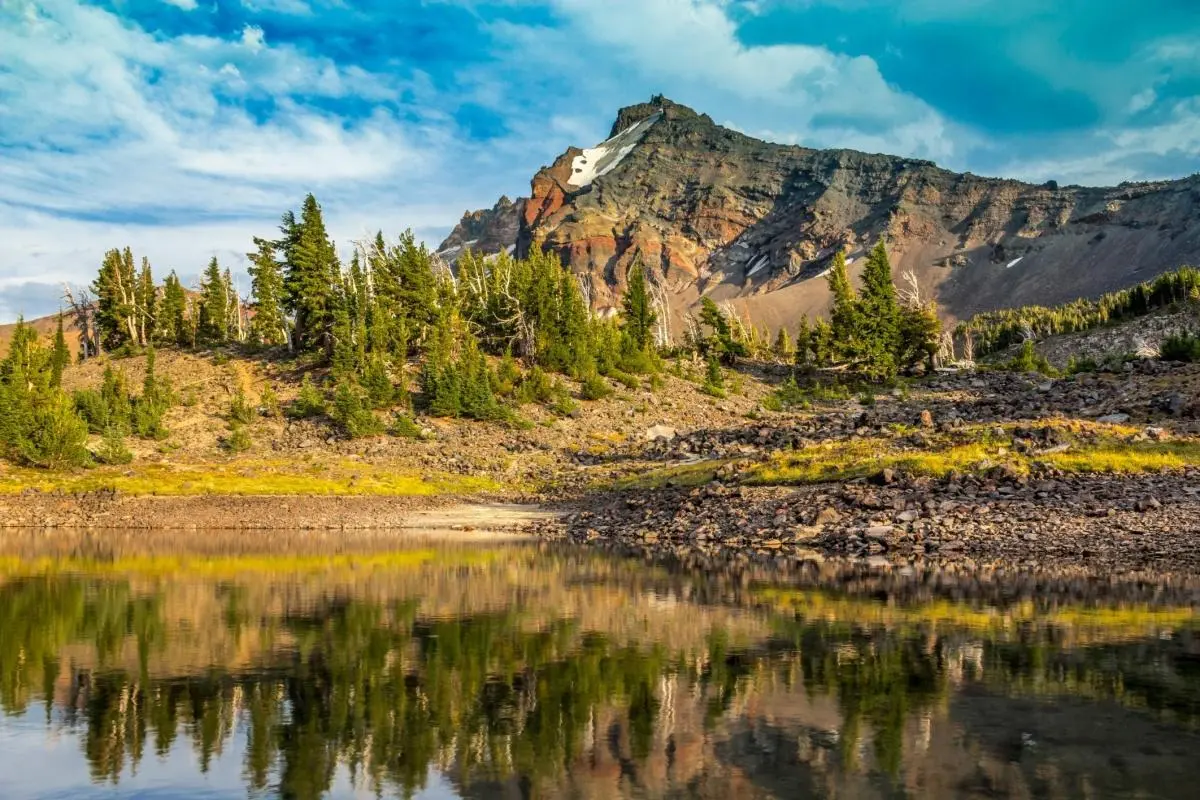
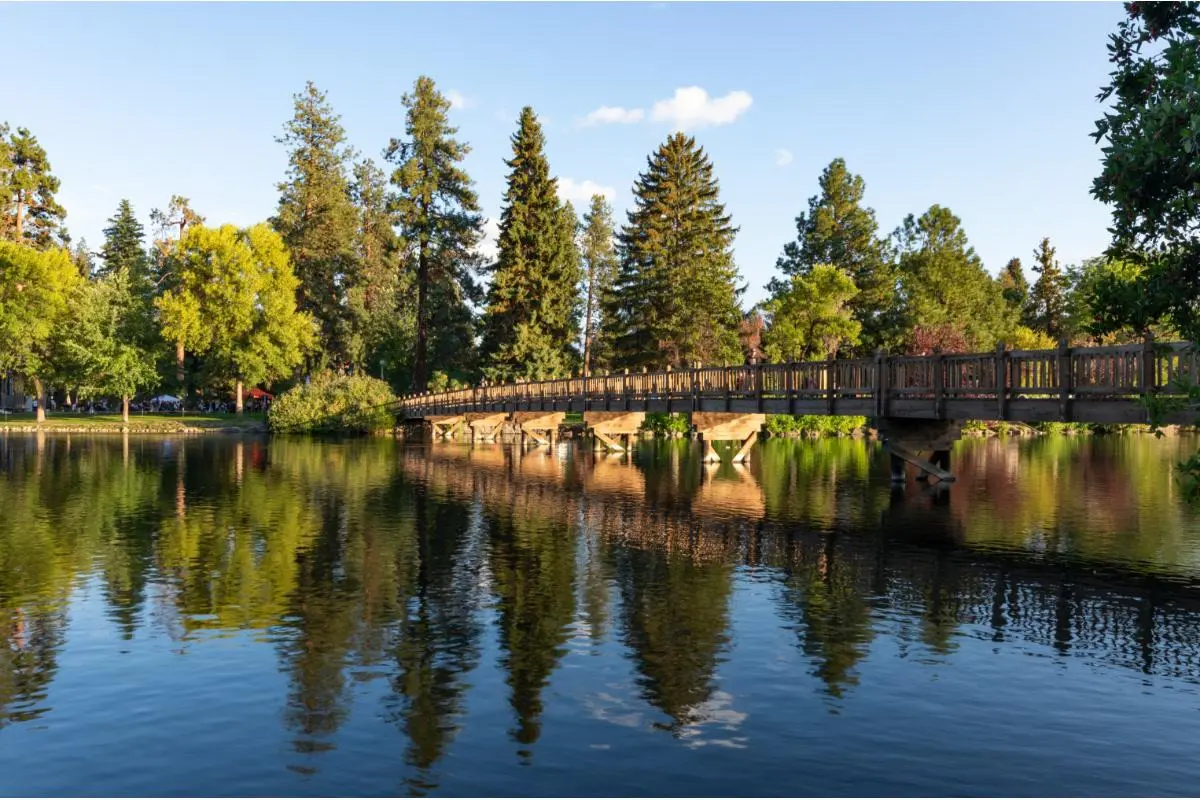
Start with the riverside: the Deschutes nudges the district’s edges, and the footpaths and green spaces are designed for movement—walkers, runners, families and cyclists find the same calm that used to power the mills. Historically the Old Mill was an industrial spine for Bend’s timber economy; those sturdy brick and metal structures now frame shops, galleries, and restaurants. Geologically, the nearby Cascades and basalt flows tell a volcanic story that shows up in the river’s gradient and the rounded ridgelines visible beyond town. The landscape here feels pragmatic—useful for travel and rewarding to explore—but it still surprises with quiet side channels and pocket wetlands where birds gather.
Plan like a traveler who wants options. Mornings are ideal for flatwater paddling or an easy run before the day warms; mid-afternoon is your bike window when winds typically settle and singletrack in the surrounding forests is less slick. Because the district links directly to downtown Bend, you can alternate active segments with urban comfort—coffee, snacks, and a covered patio. Access is straightforward from town; most paths are well signed and family-friendly, but if you want to move beyond the district to more remote alpine terrain, allow time for a short drive into the national-forest trail systems and check seasonal road openings.
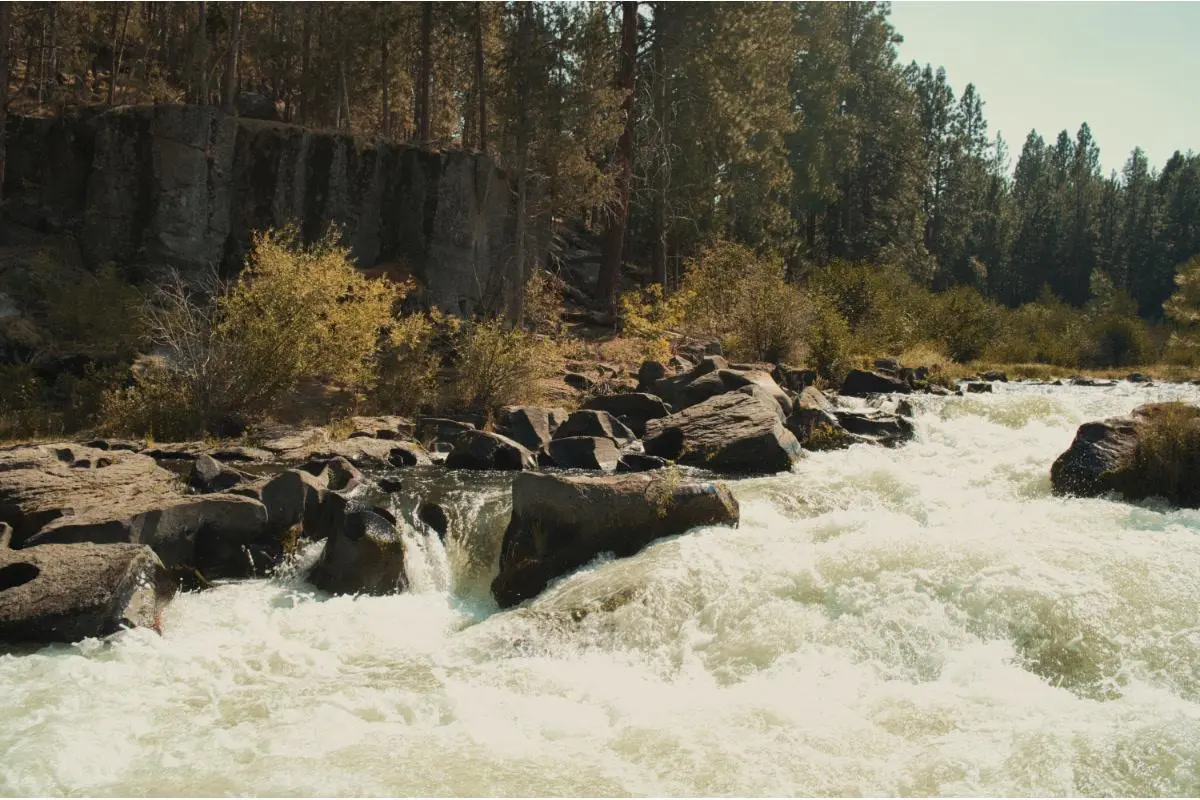
Practicalities matter: dress in layers, carry water, and treat the river with respect—the Deschutes can be placid and then change with runoff. Weekdays outside peak season give you the quietest experience, and evenings reveal temperature drops that invite a lightweight jacket. Local culture leans outdoors-first but also social—community events, farmers markets, and late-afternoon brewery crowds mean you can easily trade a trailhead for a table. When storms roll in, pivot to covered cultural stops or a brewery tasting room; when the sun holds, let the river pull you through the district and beyond.
Get to know the place
Attractions worth a closer look.
PLAN YOUR VISIT
When to go.
Best months
May, June, July, August, September
Weather
Spring and early summer bring clear hiking days and flowing rivers from spring runoff; summer is typically dry and warm with cool nights; winter is quieter with potential snow and icy patches on exposed routes.
Peak season
Peak visitation runs from late June through August; plan to start activities early and book lodging and popular rentals ahead of time.
Beyond the peak
Shoulder seasons offer lower rates, quieter trails, and migratory bird viewing; be mindful of muddy sections, seasonal road closures, and variable river conditions when planning outings.
PACK WITH PURPOSE
What to bring.
optional
- Binoculars for birdwatching
- Action camera or compact camera
- Picnic kit or lightweight blanket
essential
- Layered clothing for temperature swings
- Refillable water bottle or hydration pack
- Traction footwear or sturdy walking shoes
- Sun protection (hat, sunglasses, SPF)
- Offline map or downloaded route on your phone
recommended
- Light rain shell or windbreaker
- Headlamp or small flashlight
- Trekking poles for mixed routes
- Dry bag for electronics if paddling
FIND YOUR PACE
Choose your kind of adventure.
advanced
Challenging outings that extend beyond the district into regional singletrack, alpine terrain, or sustained paddling.
- Technical mountain biking on nearby forest singletrack
- Full-day river runs or multi-mile paddling excursions
- High-elevation hikes in the Cascade Range
beginner
Accessible, low-stress activities for those new to outdoor adventure or seeking an easy, scenic day.
- Riverside promenades and casual walking loops
- Introductory flatwater paddling near calm channels
- Leisurely bike rides on paved connectors
intermediate
Active options that require moderate fitness or basic technical skills and can include longer distances or mixed terrain.
- Longer runs or hiking loops beginning in the district
- Bridge-to-trail bike routes linking to singletrack
- Stand-up paddleboard tours on steady water
BEFORE YOU GO
Your questions, answered.
Do I need a guide to explore the Old Mill District?
No—much of the district is easy to navigate on your own, but booking a guided paddle or bike tour is helpful if you want local context or technical trail instruction.
Is the Deschutes River safe for paddling near the district?
Sections near the district are typically calm and suitable for flatwater paddling, but water levels and currents vary; check conditions and wear a life jacket.
How long should I plan to spend here?
You can experience the district in a focused half-day, but plan a full day to combine river time, a longer bike ride, and meals with local fare.
What’s the best way to get around without a car?
The district is walkable and bike-friendly, and downtown Bend is nearby; many rentals and bike shops support car-free days.
Are there family-friendly activities?
Yes—flat paths, parks, and easy paddling options make the area suitable for families with children; stick to shorter loops and calm river sections.
What should I do if the weather turns?
Pivot to indoor cultural stops, local breweries, or covered markets; always carry a rain layer and check forecasts before heading to exposed trail networks.