
Seattle, United States
Exquisite Creatures Exhibit by Christopher Marley in Seattle — Natural Specimen Art Experience
from $34.00USD

VAYCAI · ATTRACTION GUIDE
The Potomac River pairs monument-side access with real outdoor adventure: shoreline trails for walking and biking, calm tidal paddling through the city, and whitewater and gorge country a short drive upstream. Stack a morning paddle or bike ride with an afternoon hike at nearby parks, and finish with a sunset view from a waterfront trail.
Explore experiences ↓Your guide to places, experiences, and adventures.
Nearby experiences in Washington. Check each itinerary for a visit to Potomac River.
THE GOOD STUFF STARTS HERE
Seattle, United States

Ashford, United States

Ashford, United States

Seattle, United States

Port Angeles, USA

Seattle, United States


Castle Rock, United States

Bainbridge Island, United States

Seattle, United States

Granite Falls, USA


Leavenworth, USA


Snoqualmie, USA


Spokane, United States

Mount Vernon, USA

Leavenworth, USA
Listed starting prices may vary by option, travel date and group size. Confirm the final total and availability on Viator. Sponsored links: we may earn a commission from qualifying bookings.
STORIES WORTH GOING FOR
GET TO KNOW THE PLACE
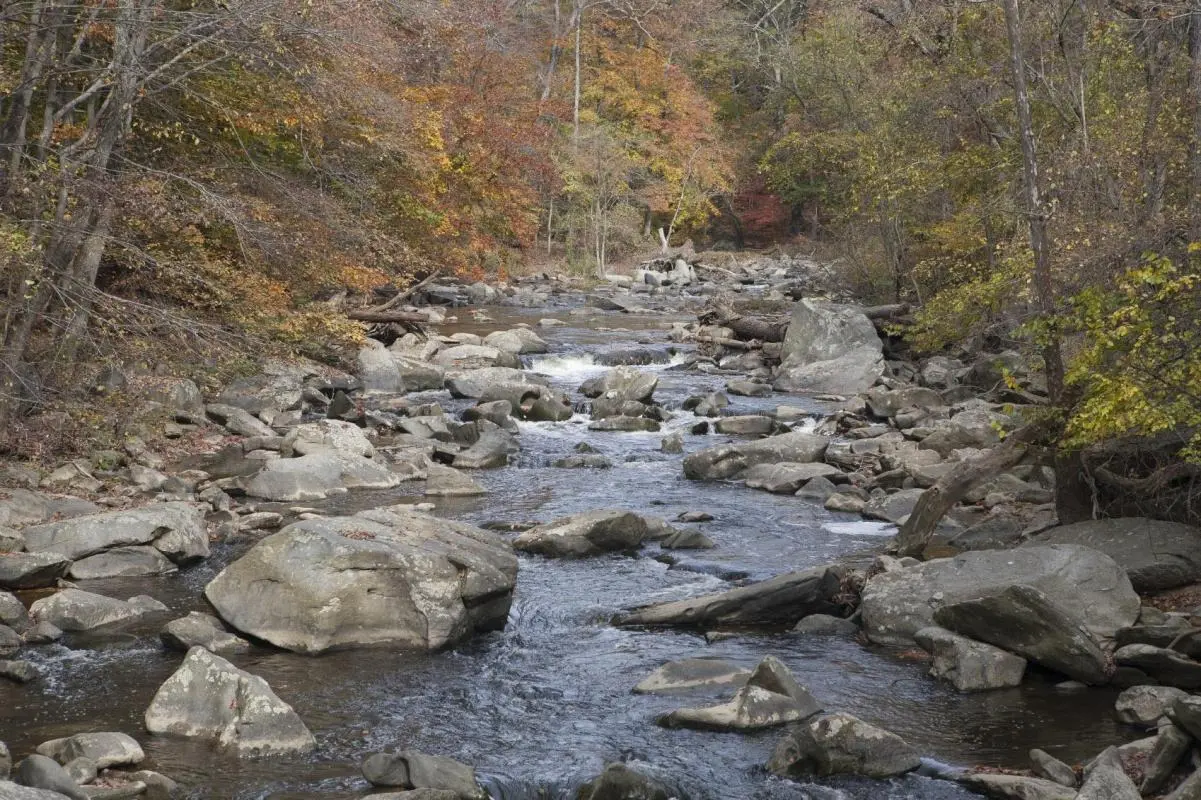
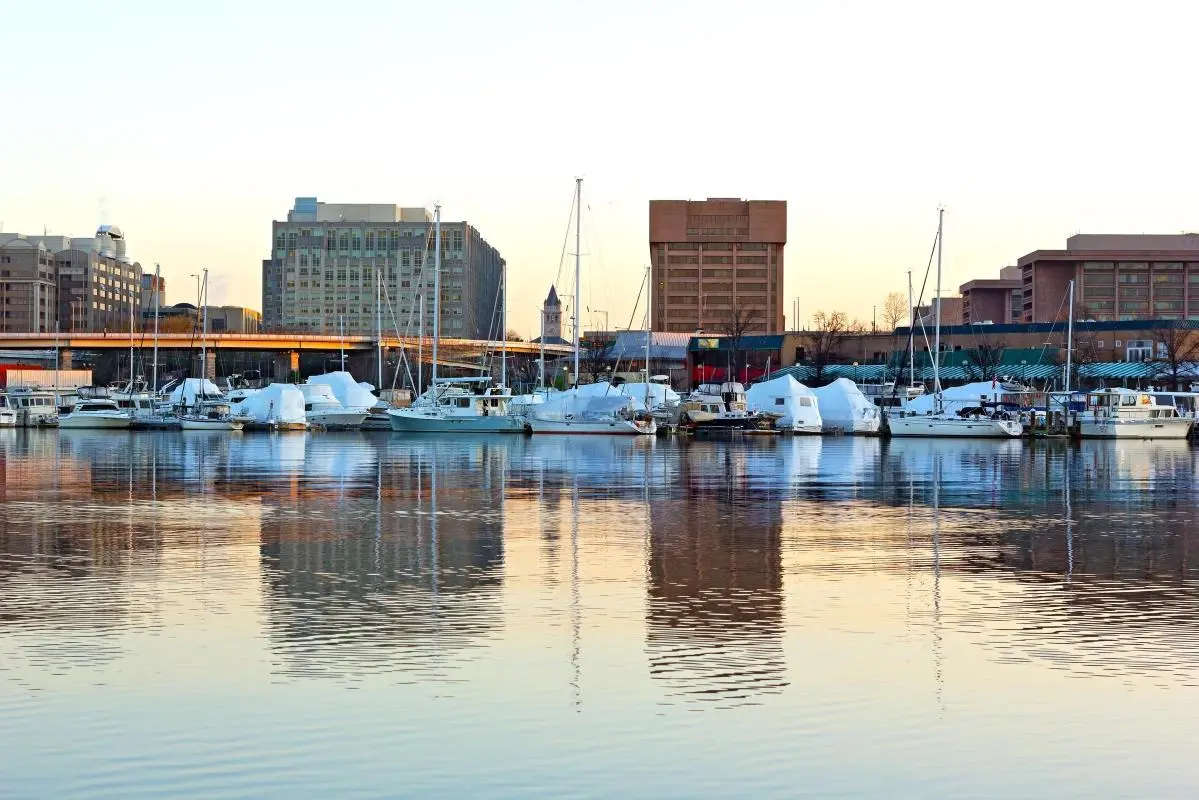
Stand at a riverbank in the shadow of the capital and you’ll notice the Potomac behaves like a city with two lives: a calm, tidal corridor threading urban history, and an upstream mood that grows wilder and steeper. The stretch that borders Washington, D.C. offers easy access to paddling, shoreline trails, and scenic cycling, while a short drive upstream leads to gorges, rapids, and forested ridgelines.
The Potomac’s story begins in geology and commerce. Glacial action and ancient rivers carved the valleys you'll see when you head upriver toward Maryland and Virginia; in the city the river widened into a tidal channel that shaped ports and promenades. Historic sites line its banks—plantations, forts, and canal engineering—but the river still moves with its own agenda. On summer afternoons it will lure boaters and swimmers; in spring and fall it nudges migratory birds and photographers to the shoreline. Planning-wise, most urban access points are easy on public transit or a short drive, while more adventurous sections (rock-strewn trails and whitewater) require an early start and basic route planning.
Culturally, the Potomac is shared ground. Neighborhood waterfronts like Georgetown and National Harbor host bike rentals and casual paddling, while conservation parcels upstream protect more physical terrain: ledges to scramble, lookouts to read the river’s course, and forests that hold steady through heat or storm. Local outfitters handle rentals, guided paddles, and shuttle logistics for upriver hikes, which removes most technical barriers for first-timers. If you plan a combined-city-and-country trip, book your downtown lodging early for peak weekend evenings and reserve guided experiences for a morning window when winds and tidal currents are most predictable.
From a practical perspective, stacking experiences here is straightforward: pair a morning kayak or SUP through calmer tidal sections with an afternoon bike along the C&O Canal towpath or a short drive to a nearby park. Expect variable winds in summer afternoons, and carry water and traction footwear for mixed surfaces. Safety is simple but essential—check tidal schedules if paddling inside the city, verify river conditions before heading into rapids upstream, and respect posted closures on sensitive shoreline habitats.
Get to know the place











PLAN YOUR VISIT
April, May, September, October
Spring and fall are generally dry and mild—ideal for paddling and hikes; summers are hot with possible afternoon thunderstorms; winters are quieter with cold river air and occasional ice upstream.
Late spring through early fall is busiest, especially weekends near downtown waterfronts and popular parks; book lodging and guided experiences in advance and plan early starts to avoid crowds.
Winter and late fall offer lower prices, open trail access on many routes, and a quieter river experience, but expect muddy trails and colder conditions—dress for layers and be cautious on icy surfaces.
PACK WITH PURPOSE
FIND YOUR PACE
Advanced trips include technical whitewater, rugged gorge hikes, and multi-leg river expeditions requiring planning and specialized gear.
Beginner adventures focus on easy waterfront access, flat-water paddling, and gentle bike or walking loops near the city.
Intermediate options add longer paddles, mixed-surface trails, and short uphill hikes within a short drive from the city.
BEFORE YOU GO
For calm tidal paddles within the city you can self-launch if you have basic paddling experience, but first-time paddlers or those unfamiliar with tides often benefit from a guided trip that covers currents and exit points.
Plan a full day if you intend to paddle in the morning and drive upriver for a hike; a relaxed city paddle plus waterfront walk or bike can fit into a half day.
Check tidal schedules and weather forecasts before paddling, wear a life jacket, avoid rocky shorelines in high water, and carry a charged phone and a basic first-aid kit.
Yes—several urban launch sites are reachable by metro, bus, or bike, but more remote trailheads and whitewater access points usually require a car or shuttle.
Many trails and the C&O Canal towpath permit dogs on leash, but check local regulations for specific parks and be respectful of wildlife and other users.
Avoid paddling in strong winds, during thunderstorms, or when river levels are high and muddy; upstream rapids require technical experience and current-condition checks.