Gathering stories, stays, and experiences for you.
VAYCAI · ATTRACTION GUIDE
Myrtle Edwards Park Visitor Guide
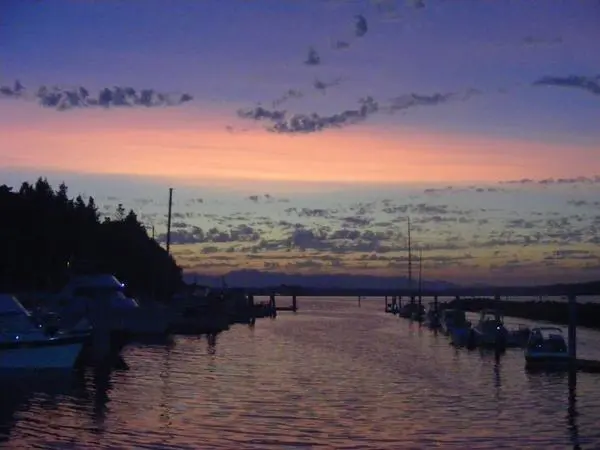
Myrtle Edwards Park is a narrow coastal park threading the Elliott Bay shoreline with easy waterfront trails, wide viewpoints, and quick access to downtown Seattle. Stack a brisk bike ride or run along the paved path with a paddling session or coastal birdwatching, then finish with sunset views across the Sound—urban adventure that’s compact, active, and highly accessible.
Myrtle Edwards Park is an immediate, urban escape where the city loosens its grip and the Sound nudges you into motion. A slim corridor of green and concrete runs along Elliott Bay, offering unobstructed views of water, boats, and the Olympic Range on clear days—perfect for quick active outings stacked into a larger Seattle itinerary.
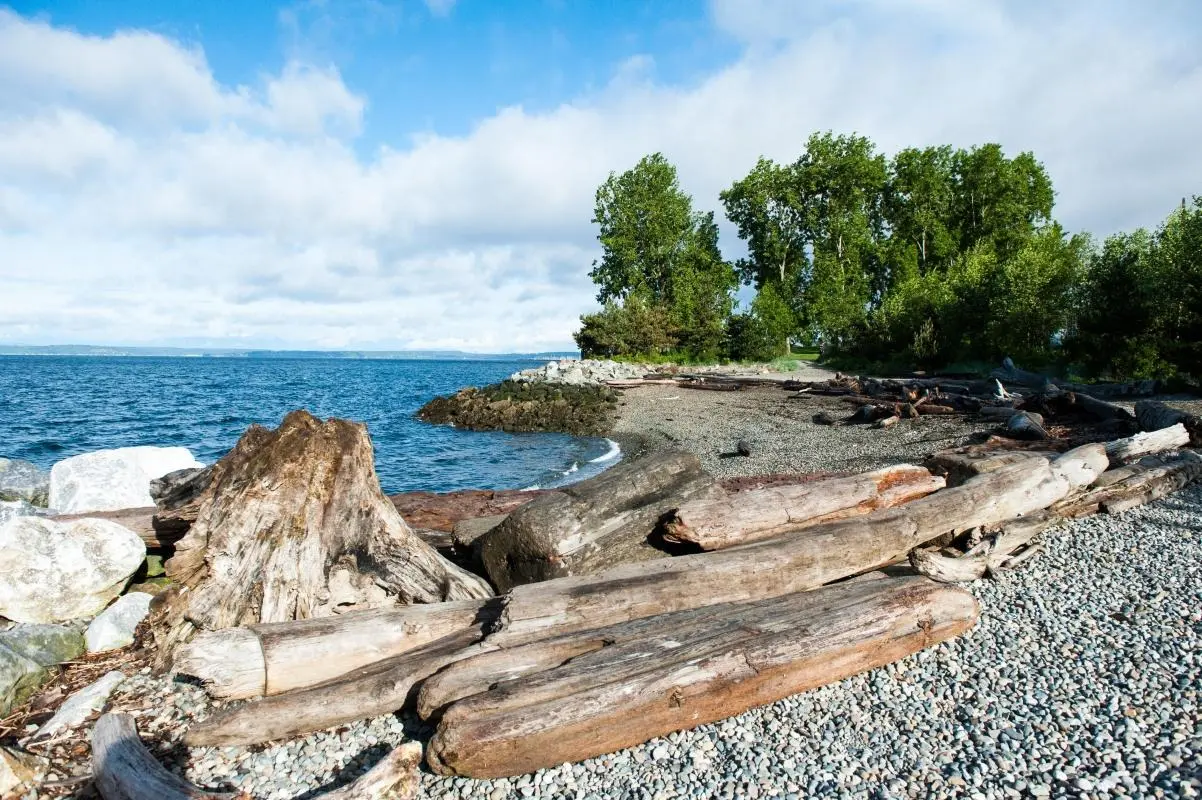
The park occupies a narrow strip of reclaimed shoreline on the downtown waterfront, created as part of Seattle’s post-industrial reinvention. Trees and grass breathe between wide paved paths and benches, and the bay itself becomes a moving backdrop: ferries and tugs steer in, gulls patrol the piers, and tides rearrange the shoreline. The vegetation and sculptures anchor the space to the human history of Seattle’s waterfront while the water keeps the scene in steady motion.
Geology here is subtle but present—Elliott Bay is a glacial-carved inlet that holds the city against the Olympic Mountains. On a clear morning the ridgeline appears like a distant companion, and in wind the bay pushes back with small whitecaps that make paddling feel purposeful. Locals use Myrtle Edwards for commuting runs and dog walks, and visitors often stack a bike loop or waterfront paddle with museum or market visits. Because the park sits immediately west of Belltown and north of the Seattle Art Museum area, access is simple by foot, bike, or short rideshare.
Plan practically: mornings and late afternoons deliver the best light for photography and calmer water for paddling; midday is busiest with walkers and cyclists. The paved path is flat and accessible, so it’s an easy add-on for travelers with limited time. Prioritize shoreline viewpoints and plan a detour through the Olympic Sculpture Park for art pauses. Always check local tide and wind conditions before launching a kayak or SUP—Elliott Bay can be forgiving but also deceptively choppy.
PLAN YOUR VISIT
When to go.
Best months
May, June, July, August, September
Weather
Late spring through early fall offers the most reliable dry weather and calmer bay conditions; shoulder months can be crisp with clear light. Winters are mild compared with inland mountains but bring rain and wind that change waterfront conditions quickly.
Peak season
Summer months are busiest, particularly on sunny weekends and evenings; plan to arrive early for parking and quieter trail stretches and reserve any rentals ahead of time.
Beyond the peak
Winter and early spring bring far fewer people and dramatic cloud-and-light contrasts ideal for photography; be mindful of muddy approaches and dress for rain and wind.
PACK WITH PURPOSE
What to bring.
optional
Binoculars for birdwatching
Action camera or compact camera
Picnic kit or small blanket
essential
Layered clothing for wind and changing temperatures
Reusable water bottle and snacks
Sturdy walking shoes or traction footwear
Sun protection (hat, sunscreen, sunglasses)
Offline map or phone with area map downloaded
recommended
Light rain shell or windbreaker
Headlamp or small flashlight for early starts
Trekking poles or walking pole if you prefer extra stability
Dry bag for paddling or waterfront activities
FIND YOUR PACE
Choose your kind of adventure.
advanced
Advanced adventurers use the park as a launch point for longer coastal rides, technical urban training, or timed paddle crossings when conditions allow.
Extended bike route linking waterfront, Ballard, and surrounding neighborhoods
Open-water paddle practice in varied wind conditions with a safety partner
Interval training and tempo runs using the park and adjacent hills
beginner
Flat, paved paths and easy access make Myrtle Edwards Park ideal for first-time urban outdoor explorers.
Leisurely waterfront walk with skyline views
Short, family-friendly bike ride along the paved path
Casual birdwatching from benches and shoreline
intermediate
Intermediate visitors can combine steady cardio with a short paddle or photography-focused exploration of the shoreline.
Brisk run or interval workout along the bay path
Guided kayak or SUP session in protected waters
Photography loop including Olympic Sculpture Park and viewpoint timing
BEFORE YOU GO
Your questions, answered.
Do I need a permit to walk or bike in Myrtle Edwards Park?
No permit is required for walking or casual biking on the paved path; commercial filming or organized large events may require permits from the city.
Is the waterfront safe for beginner paddlers?
Beginners can paddle in calm conditions, especially near protected areas, but check wind and tide forecasts and consider booking a guided lesson or rental that includes safety orientation.
How long should I plan to explore the park?
A focused visit can be 45–90 minutes for a walk and viewpoints; plan half a day if you add paddling, photography stops, or visits to nearby museums and the Olympic Sculpture Park.
What’s the best way to get there from downtown hotels?
The park is walkable from many downtown and Belltown hotels; bikes, rideshares, and local transit stops are also convenient for shorter transfers.
Are dogs allowed in the park?
Dogs are generally allowed but must be leashed in many areas and owners should follow posted rules and be prepared to clean up after pets.
What should I do if weather turns bad during my visit?
Have a rain shell and quick indoor options planned—nearby cafes, museums, and covered piers make easy pivots when rain or wind increases.