
Hilo, United States
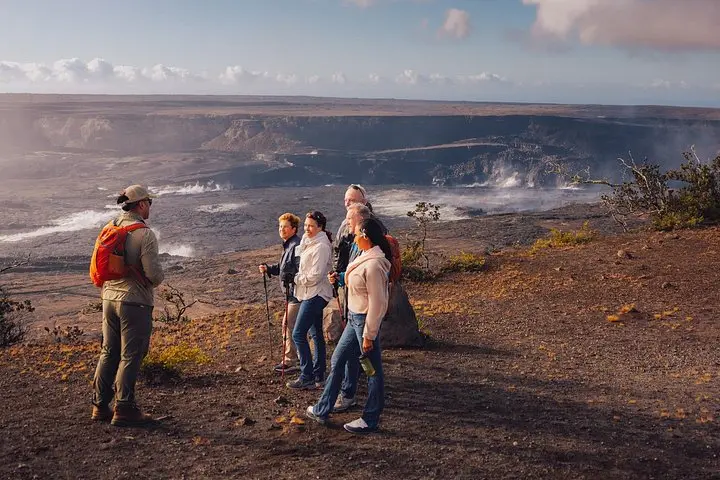
Kilauea Day Trip from Kauai: Hawaii Volcanoes National Park Highlights
from $595.99USD
Loading the next place…
Gathering stories, stays, and experiences for you.
VAYCAI · ATTRACTION GUIDE
Kilauea mixes stark volcanic landscapes with lush rainforests and coastal shores, so you can stack crater rim hikes, black‑sand beach walks, and scenic drives into a single itinerary. Expect a day of contrasts: sun-baked lava fields that hold heat like a memory and nearby fern-carpeted trails that cool and hush the air.
Explore experiences ↓Your guide to places, experiences, and adventures.
THE GOOD STUFF STARTS HERE
Hilo, United States
Volcano, United States
Volcano, United States


Volcano Village, United States

Hilo, United States
Volcano, United States

Volcano, United States

Volcano Village, United States
Hilo, United States

Kailua-Kona, USA
Listed starting prices may vary by option, travel date and group size. Confirm the final total and availability on Viator. Sponsored links: we may earn a commission from qualifying bookings.
STORIES WORTH GOING FOR

Hilo · United States
A shaded, seaside mile that feels like Hilo’s living room — Banyan Drive offers a calm introduction to the Big Island’s culture, gardens, and volcano-formed landscapes, and makes a perfect starting point for waterfall and volcano tours.
Read the story ↗
Hilo · United States
Kaumana Caves are a hike into Hawaii’s geological memory—skylit lava tubes just outside Hilo that invite short explorations and longer questions about volcanic power, ecology, and local stewardship. Learn how to see them safely, what to expect underground, and how to pair a cave visit with waterfalls and volcano panoramas.
Read the story ↗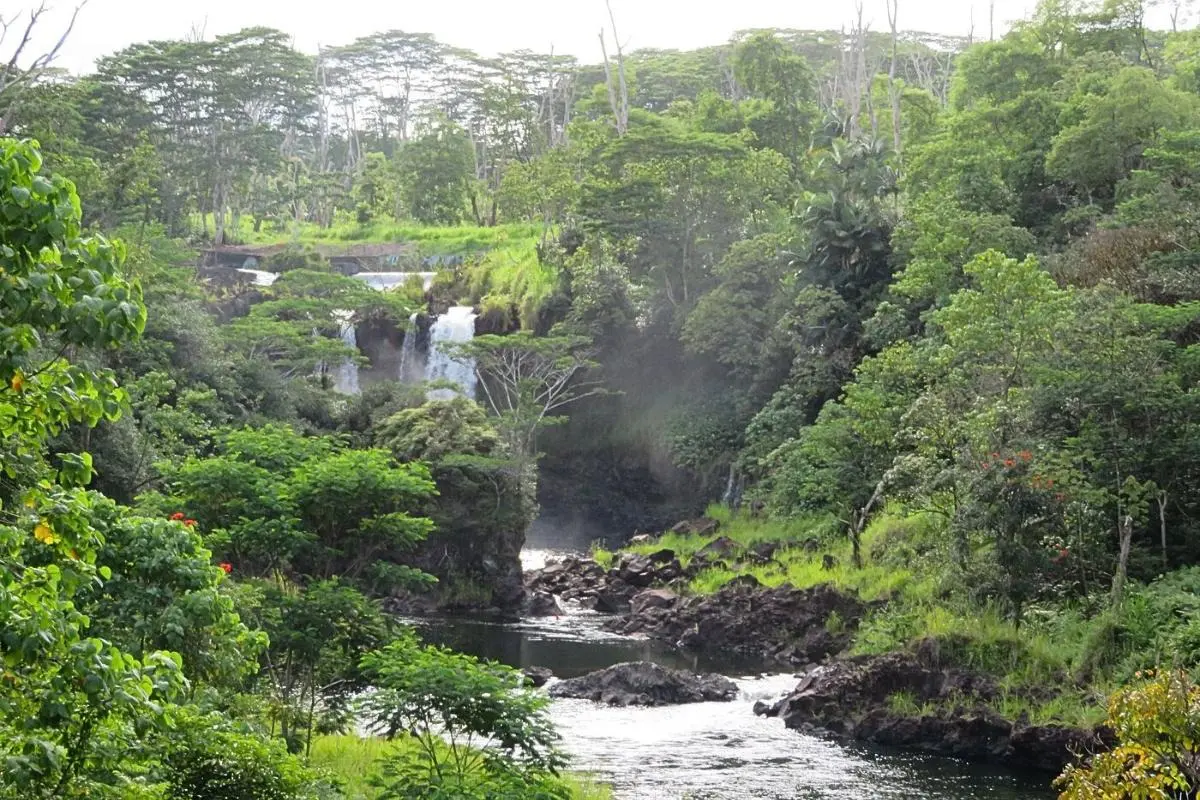
Hilo · USA
A compact natural spectacle upstream of Rainbow Falls, the Boiling Pots offer an immediate and tactile encounter with Hilo’s volcanic landscape. Walk a short trail, listen to the river’s churn, and learn why this spot is both geologic classroom and local touchstone.
Read the story ↗
Hilo · United States
A 19-mile descent from Kīlauea’s rim to the Pacific, Chain of Craters Road delivers lava fields, sea arches and sudden shifts in climate. This guide pairs sensory storytelling with practical tips so you can plan the drive, short hikes and tours that will make the day unforgettable.
Read the story ↗
Hilo · United States
Onomea Bay is where Hilo’s rainforest spills into the Pacific — a compact, dramatic coastline of waterfalls, cliffs, and tidepools that’s ideal for short hikes, storytelling cruises, and private waterfall tours.
Read the story ↗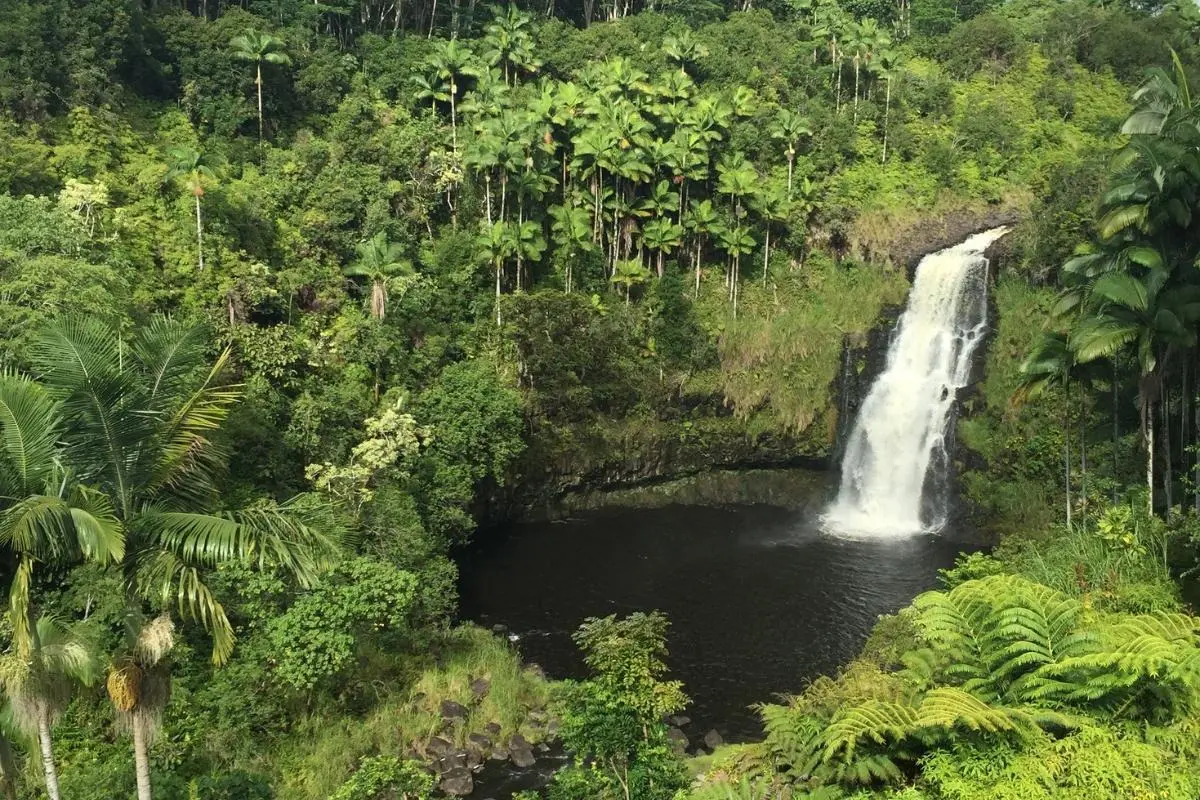
Hilo · USA
Tucked into the Hamakua Coast’s rainforest, Kulaniapia Falls is a private, plunge-pool waterfall best accessed with a knowledgeable guide—ideal for swimmers, photographers and anyone craving a quieter waterfall experience on the Big Island.
Read the story ↗GET TO KNOW THE PLACE
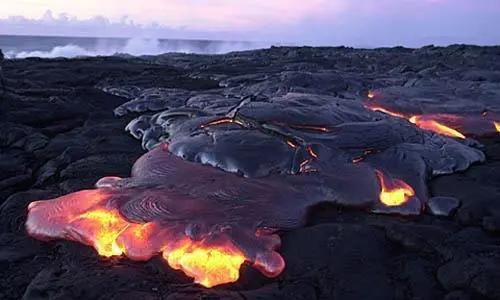
A morning on Kilauea begins with wind and light shifting across basalt and glassy pahoehoe; the landscape still feels alive, nudging you to notice how the earth builds and erases itself. That tension—between hot rock and green growth, between raw geology and practiced culture—is the core of the visit. It’s an outdoors destination you can taste, hear, and measure against practical logistics.
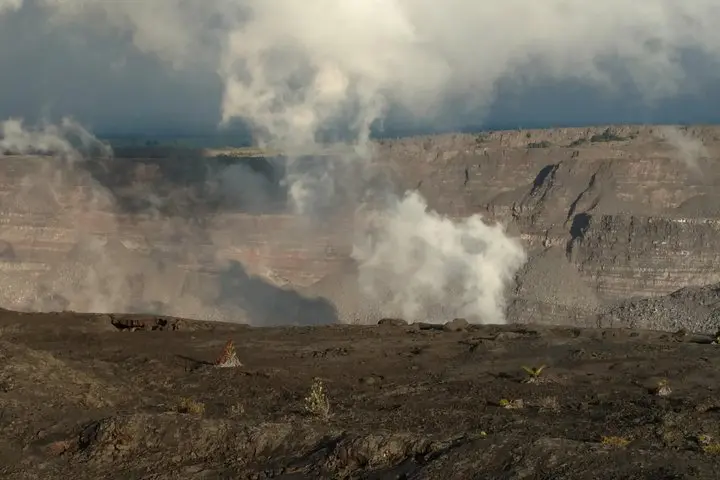
Kilauea is one of the most active volcanoes on Hawaiʻi’s Big Island, and its story is written in layers: ancient flows, recent lava benches, and the forested shoulders that reclaim cooled fields. Geology here is straightforward to read when you have a guide or a good map; a walk along the rim shows you vents and collapsed calderas, while coastal hikes reveal where lava met ocean and left behind jagged cliffs and black sand. The land’s restlessness shaped local culture and myth—Kilauea is home to Pele in Hawaiian tradition—and those stories are part of how communities interpret access and safety.
Practically, visits stack easily. Base yourself in Hilo for rainforest trails and waterfall options, then drive south into Hawaiʻi Volcanoes National Park for crater viewpoints and Chain of Craters Road. Routes vary from short, wheelchair-accessible overlooks to rougher trail sections over ʻaʻā fields that demand sturdy footwear. Weather shifts fast: heavy trade winds can clear vog in an hour, or stray showers can make the old flows slick. Plan for short windows of exploration, and prioritize what matters—sunrise rim views, a coastal hike, or an evening of stargazing—so you’re not pulled in too many directions on a single day.
Access and safety are part of the experience. Park roads and trailheads are generally reachable from Hilo by car, but some coastal access points are remote and require careful route-finding. Bring local maps or offline GPS, and check with park rangers or local guides for current advisories. If you want lava viewing, do that with an authorized guide; conditions change and guides know where to keep you safe while still delivering a memorable vantage. Whether you’re here for a day or a week, stack short hikes, a scenic drive, and one guided experience to get a complete, manageable itinerary.
PLAN YOUR VISIT
April, May, September, October
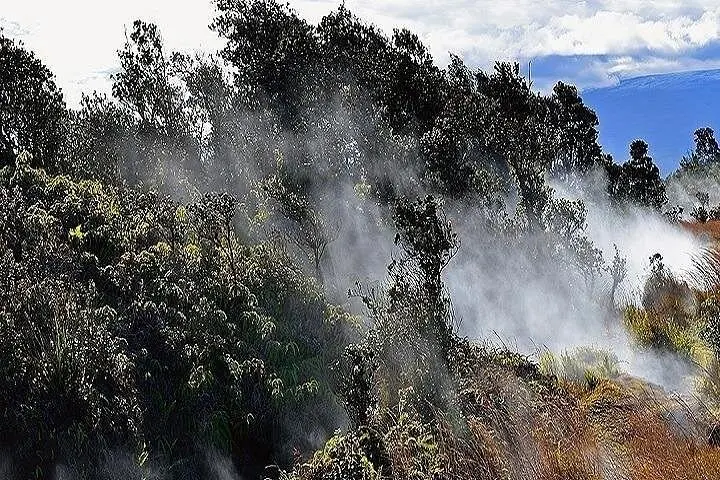
The Big Island has microclimates: Hilo side is wetter and greener, while the volcano's higher plateaus can be drier and windier; brief showers are common year-round. Trade winds and vog (volcanic haze) affect visibility and air quality at times.
The busiest periods are winter holidays and summer travel weeks, when visitor centers and main overlooks are most crowded; plan to arrive early, reserve lodging, and book guided experiences in advance.
Shoulder months offer fewer crowds and better rates; expect more rain in some areas, so choose trails with durable footing and be respectful of muddy routes to avoid damage.
PACK WITH PURPOSE
FIND YOUR PACE
Advanced adventurers tackle multi-segment routes, early-morning ridge approaches, and technical route-finding on older ʻaʻā fields.
Beginner-friendly visits focus on short paved overlooks, easy rim walks, and low‑effort coastal strolls.
Intermediate travelers can combine longer crater rim hikes, moderate uneven terrain, and coastal trail exploration.
BEFORE YOU GO
You can visit many overlooks and marked trails independently, but a guide adds safety and geological context—essential for close lava-viewing or remote coastal access.
A focused day trip from Hilo covers visitor center stops, a short rim walk, and a scenic drive; plan 2–4 days to add coastal hikes, waterfalls, and a guided experience without rushing.
Cooled lava can be sharp, unstable, and heat-retaining; wear sturdy shoes, follow marked routes, and avoid fresh flows unless with an authorized guide.
Check local air-quality advisories; those with respiratory issues should avoid low-wind days near active vents, and consider alternative outdoor activities on clearer days.
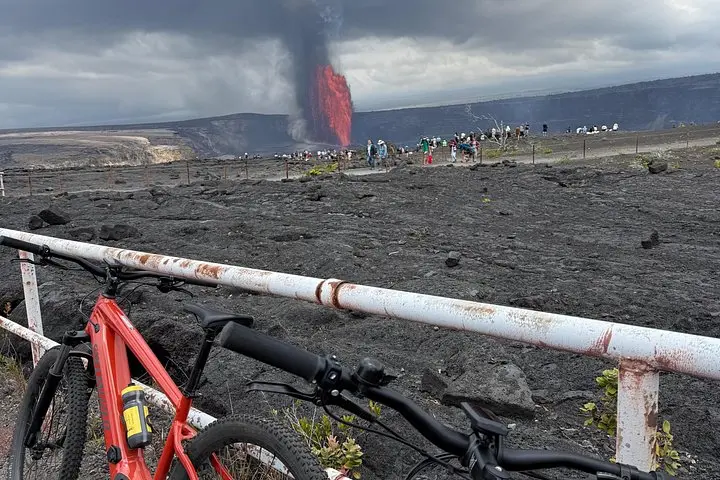
Lava viewing is condition-dependent and sometimes possible from safe, sanctioned viewpoints or guided tours; verify current conditions with park services and book through authorized operators.
Renting a car in Hilo gives the most flexibility; some areas are remote and lack public transit, so a vehicle is recommended for stacking hikes and scenic drives.