Cape May, United States
Grand Lighthouse Tour from Cape May — Delaware Bay Offshore Lighthouse Cruise
from $149.00USD
VAYCAI · ATTRACTION GUIDE
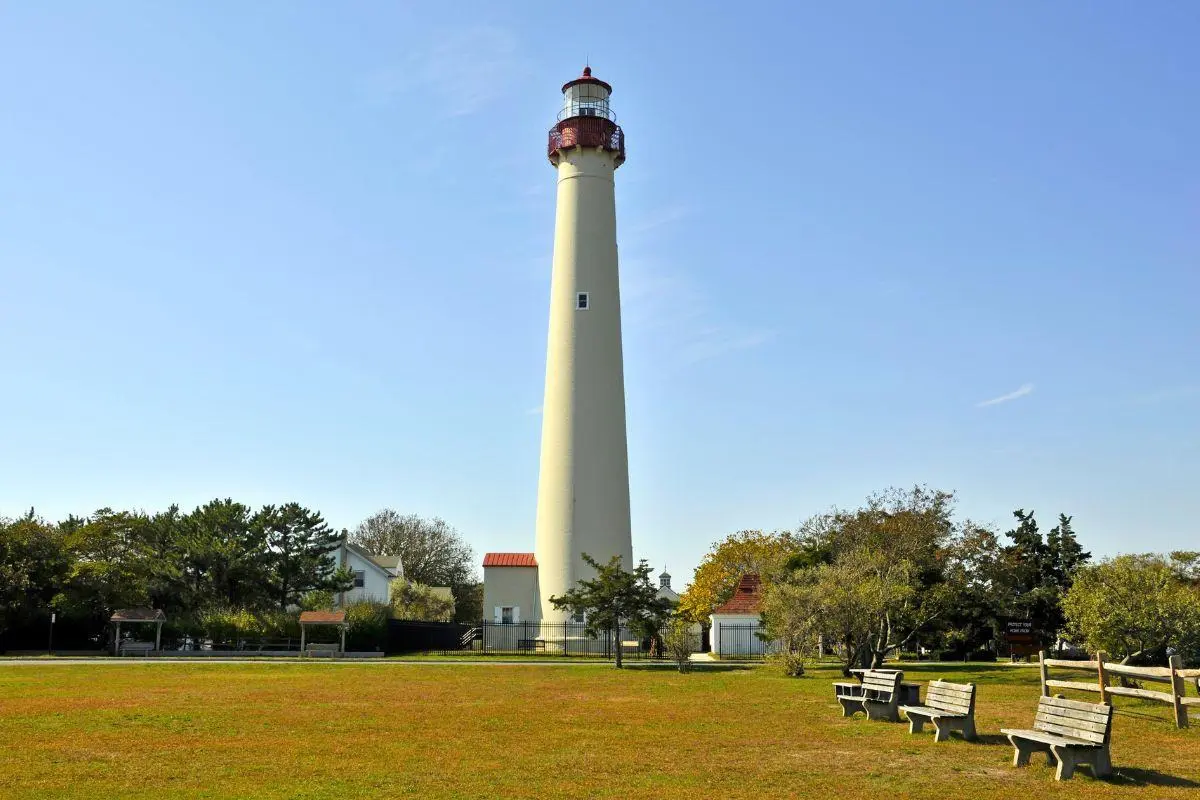
The Cape May Lighthouse anchors a day of stacked coastal experiences: a tower climb for panoramic views, marshside birding, and sea-breezy beach walks. Pair a morning ascent with an afternoon bike loop or kayak on the bay to get different faces of this coastline without feeling rushed.
Explore experiences ↓Your guide to places, experiences, and adventures.
THE GOOD STUFF STARTS HERE
Cape May, United States
Cape May, United States

Cape May, USA

Cape May, United States
Listed starting prices may vary by option, travel date and group size. Confirm the final total and availability on Viator. Sponsored links: we may earn a commission from qualifying bookings.
STORIES WORTH GOING FOR
GET TO KNOW THE PLACE
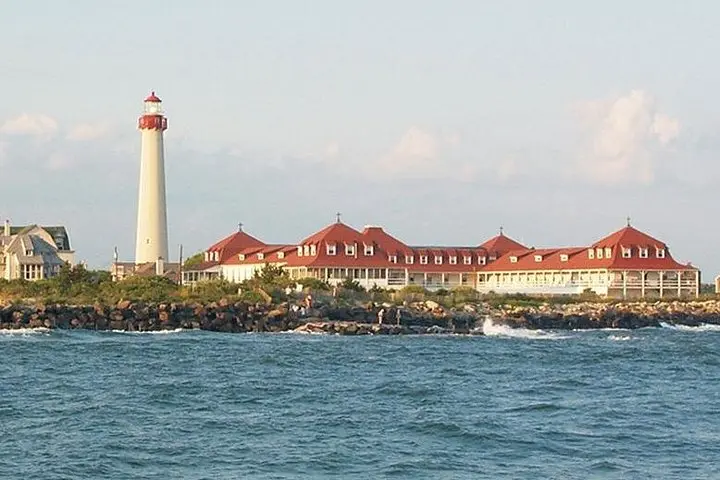
Rising from a salt-scrub knoll at Cape May Point, the lighthouse offers a human-scale vantage over everywhere the land meets water. It’s the kind of place you climb to reorient yourself—literal and figurative—then set off to explore beaches, marshes, and quiet roads that invite low-impact adventuring.
The scene at Cape May Point is both geological and cultural. A barrier spit shaped by shifting sands and tides holds the lighthouse and a wedge of protected beach, while the Delaware Bay and Atlantic Ocean trade tides and weather. The tower itself dates to the 19th century and has guided maritime traffic while also becoming a focal point for visitors who come to watch migration seasons and wide, open horizons. The shoreline nudges you toward simple activities—walking, watching, and listening—yet those same elements demand respect: winds can strengthen quickly and currents out on the Atlantic are unforgiving.
Historically, Cape May evolved from a whaling and shipping outpost into one of the country’s earliest seaside resorts; Victorian houses in nearby neighborhoods tell that story. Geologically, the area is young—sand and shell compressions that rearrange themselves with each storm—so plan around tides and recent weather when choosing routes. For a day trip, aim to climb the tower in the morning for calmer winds and clearer light for photography, then circle the point by bike or foot. If you’re birding, time your visit for migration windows in spring and fall; marsh channels and mudflats feel alive in those seasons and will reward patient scanning.
Practical timing matters. Weekdays in shoulder seasons deliver quieter parking and fewer lines at the tower. Bring traction-appropriate shoes for wet boardwalks and an eye for changing signage—access to some beach stretches or marsh paths can shift with seasonal closures meant to protect nesting birds. Where possible, combine experiences: book a guided kayak to learn local currents, pair an afternoon at the beach with an evening lighthouse climb or sunset drive, and allow buffer time for tides and traffic on narrow local roads.
PLAN YOUR VISIT
May, June, September, October
Spring and fall bring milder temperatures and prime bird migration; summers are warm with afternoon sea breezes and occasional storms, while winters are quiet and windy. Check marine forecasts before any open-water activity.
Mid-June through August is the busiest period for beaches and nearby accommodations; book lodging and any guided experiences well in advance and plan early starts to avoid midday crowds.
Late fall through early spring offers lower rates, empty beaches, and clearer birding windows; be mindful of colder winds, shorter daylight, and occasional muddy or closed access points near dunes and nesting areas.
PACK WITH PURPOSE
FIND YOUR PACE
Challenging coastal adventures that demand experience and good planning.
Gentle, low-effort experiences suited to casual travelers and families.
Active, moderate outings that require basic fitness and navigation awareness.
BEFORE YOU GO
No—visitors can usually climb the tower during open hours, but guided birding walks and kayak tours enhance wildlife interpretation and navigation safety.
Plan for two to four hours to climb the lighthouse, walk nearby trails, and visit the beach; add more time if you book a kayak, bike rental, or charter.
There is on-site parking but capacity can be limited during peak season; arrive early on busy days or consider biking from nearby neighborhoods.
Bay waters are often calmer than the Atlantic, but currents, tides, and weather change quickly—use life jackets, check local conditions, and consider a guided trip if unfamiliar with the area.
Yes—early morning climbs or walks paired with marsh-side observation points are ideal for migration viewing and coastal bird species.
Have backup indoor options like museum visits or historic-home tours in Cape May, or reschedule guided activities; your agent can coordinate timing to minimize disruptions.