
Hurricane, United States
UTV Surf and Sand Dunes Ride at Sand Hollow State Park — 2-Hour Off-Road Adventure
from $139.00USD

VAYCAI · DESTINATION GUIDE
Utah packs deserts, slickrock, alpine forests and saline flats into one trip you can stack: canyon hikes and scenic drives, mountain biking and alpine day hikes, then paddling or a salty float at sunset. Plan around elevation change and afternoon summer storms; combine short technical canyon approaches with mellow evenings in small towns or a mountain lodge to balance effort and rest.
Explore experiences ↓Your guide to places, experiences, and adventures.
THE GOOD STUFF STARTS HERE
Hurricane, United States

Moab, United States

Hurricane, United States

Salt Lake City, United States

Hurricane, United States

Park City, United States

Snowbird, United States

Salt Lake City, United States

Kanab, United States

Salt Lake City, United States

Wendover, United States


Oljato-Monument Valley, United States

Monument Valley, United States

Salt Lake City, United States

Wendover, United States

Ogden, United States

Torrey, United States


Moab, United States

Monticello, United States

Park City, United States

Provo, United States

Listed starting prices may vary by option, travel date and group size. Confirm the final total and availability on Viator. Sponsored links: we may earn a commission from qualifying bookings.
GET TO KNOW THE PLACE
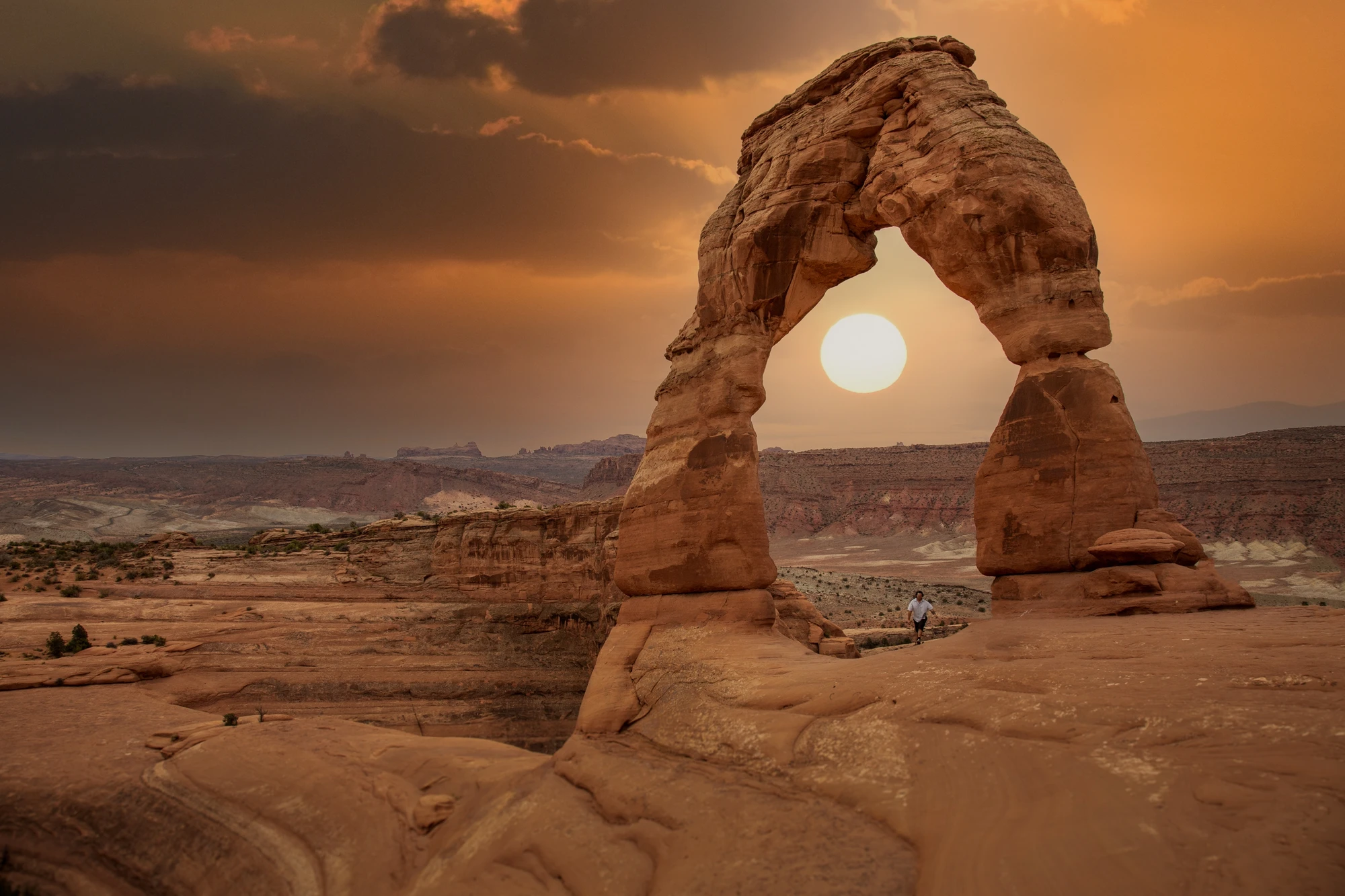
Utah is a landscape of contrasts: desert carving and alpine accumulation, salt flats and snowfields, slow horizons and steep, sudden drops. That variety makes it fertile ground for stacking different outdoor experiences in a single trip—short technical routes in the morning, a scenic drive through a canyon in the afternoon, and a mellow ridge walk at sunset to decompress.
Step into Utah and the land speaks in geological time. Ancient seas laid down the layers that wind and ice later sculpted into arches, fins and mesas; foothills hold forests that drink winter snow while desert washes shrug off summer storms. That geology is the itinerary generator here: narrow slot canyons appear where sandstone fractures, alpine trails climb into fragrant stands of aspen and fir, and wide overlooks open where uplift left cliffs to hold their view. The land nudges you—pick the right kit and you’ll move with it instead of against it.
History and culture are stitched through trailheads and towns. Indigenous peoples lived with and in these landscapes long before modern routes were drawn; small towns grew up around mining, rail and later, tourism. Local outfitters, guides and visitor centers carry that context and can help shape a responsible, rewarding visit. Logistics matter: elevation changes can create dramatic weather swings, and afternoon thunderstorms are common in summer, so plan early starts for exposed hikes and keep an eye on forecasts. Some technical routes benefit from a guide, and seasonal access or vehicle restrictions affect remote approaches, so confirm road conditions and permit needs while you plan.
Practical planning is where stacking trips becomes an art. Build your core around a base—mountain lodge, small town or regional hub—and run day trips outward so you can swap activities with little fuss. Prioritize one technical objective per day and one low-effort recovery option: a scenic drive, a riverside picnic, or a short lakeside paddle. Bring traction footwear for slickrock, layers for cool mornings and hot afternoons, and plan for limited services in remote sections. With sensible pacing, Utah’s breadth becomes accessible rather than exhausting.
Places to explore


Get to know the place


PLAN YOUR VISIT
May, June, September, October
Spring and fall offer mild daytime temperatures and cooler nights, summer brings hot low-elevation deserts with afternoon thunderstorms, and winter yields reliable snow in the mountains for skiing and quieter desert hikes at low elevations.
Late spring through early fall is busiest, especially holidays and long weekends; book accommodations and popular guided adventures well in advance and plan early starts to avoid crowds.
Winter and late fall bring fewer visitors, lower rates, and clearer skies for dramatic photography; be mindful of icy routes, closed access roads, and snowpack in higher canyons when choosing winter routes.
PACK WITH PURPOSE
FIND YOUR PACE
Advanced adventurers tackle technical canyoneering, multi-pitch climbs, steep alpine routes, and long backcountry trips that demand technical skills and planning.
Beginner-friendly options focus on short, well-marked hikes and scenic drives with limited exposure and lower technical demand.
Intermediate travelers can combine longer ridge hikes, moderate mountain biking, and non-technical canyon scrambles that require good fitness and route-finding.
BEFORE YOU GO
Technical canyoneering and multi-pitch climbing benefit from a guide unless you have proven rope skills; guides also help with permit navigation and safety in remote slots.
A focused long weekend (3–4 days) lets you hit a park or a mountain area; a week allows diverse stacking—desert canyons plus alpine trails—and reduces transit pressure.
Yes—many hikes and scenic drives are suitable for families; choose lower-elevation, short loop hikes or easy overlooks and avoid exposed technical routes for children.
Many remote approaches require high-clearance vehicles and sometimes four-wheel drive; check road conditions before you go and avoid unmaintained roads after rain.
Start early to beat heat and afternoon storms, carry layers for rapid temperature shifts, and have alternate plans if thunderstorms or high winds threaten exposed routes.
Some backcountry zones and popular technical routes use permits or quotas; verify permit requirements well before your trip and consider booking through a guide if unfamiliar with the process.