
Phoenix, United States
ZooLights at Phoenix Zoo: Evening Holiday Light Walk, Shows & Family Treats
from $35.00USD

VAYCAI · ATTRACTION GUIDE
A family-friendly hub for up-close desert wildlife, Phoenix Zoo pairs easy walking circuits and keeper talks with nearby Sonoran Desert hikes and Botanical Garden visits. Stack a morning of animal encounters with an afternoon on Papago Park trails or an evening stroll through nearby urban parks for a full-day outdoor rhythm.
Explore experiences ↓Your guide to places, experiences, and adventures.
THE GOOD STUFF STARTS HERE
Phoenix, United States

Listed starting prices may vary by option, travel date and group size. Confirm the final total and availability on Viator. Sponsored links: we may earn a commission from qualifying bookings.
STORIES WORTH GOING FOR
GET TO KNOW THE PLACE
The Phoenix Zoo sits in the heart of the Sonoran Desert where curated habitats meet city access. It’s an approachable outdoor adventure: wide paths, engaging animal encounters, and proximate desert trails make it simple to combine wildlife viewing with a classic Arizona hike in one day.
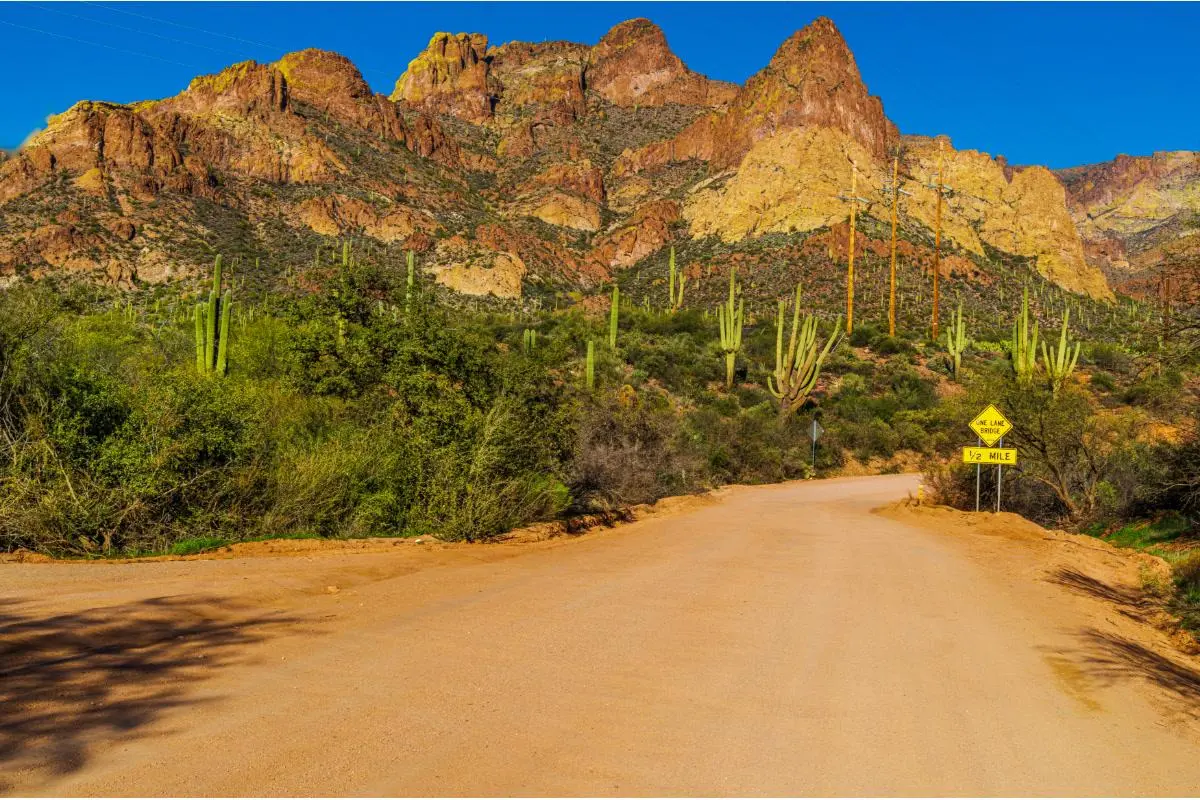
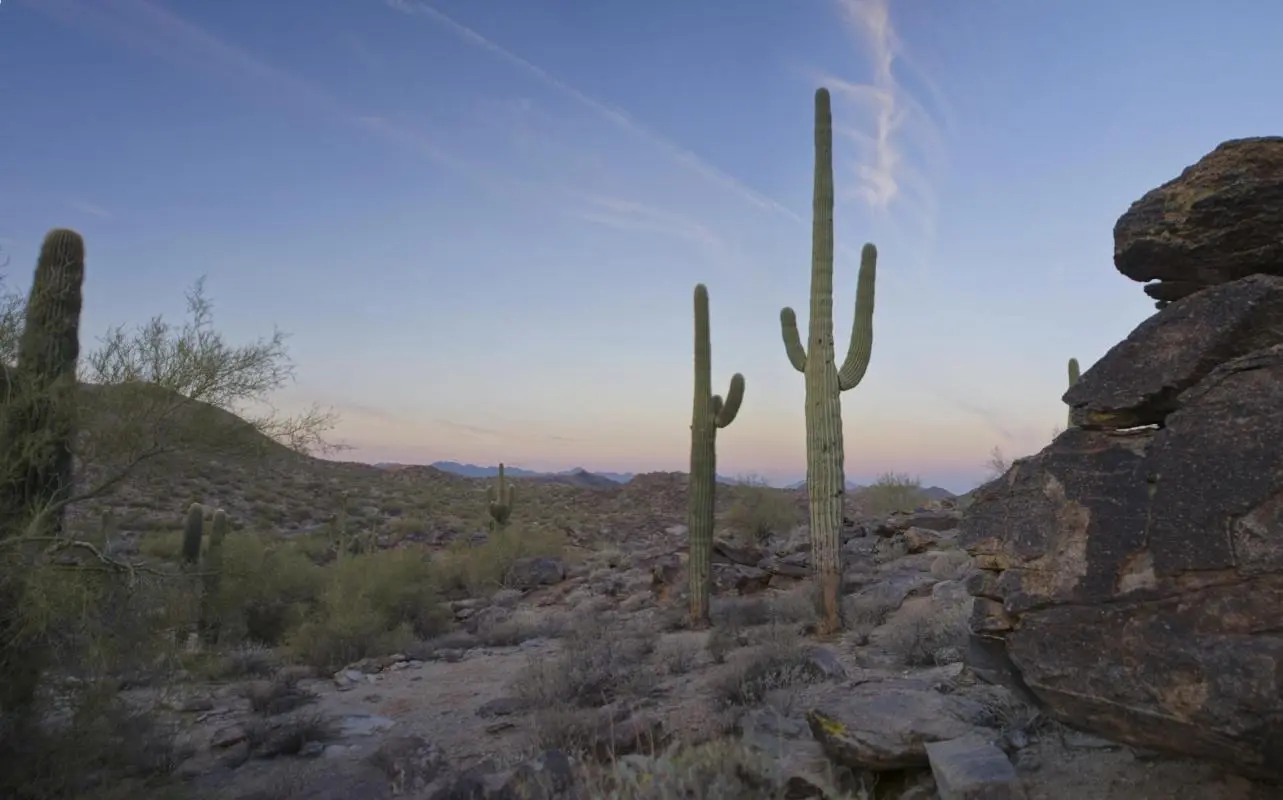
Step off the city grid and into a place where the desert insists on being noticed. The zoo’s exhibits are arranged to showcase animals adapted to arid climates—creatures that move with economy and watchful patience while the surrounding saguaros and palo verde trees hold the light. The land beneath is younger than mountain ranges to the north; basalt outcrops and sandy washes pattern Papago Park, and the human story here folds in early railroad settlements and a later turn toward conservation and public recreation. The zoo itself evolved from community-minded beginnings into a regional institution focused on species programs and education, anchored by walkable exhibits and accessible trails.
Planning a visit is practical: arrive early to beat heat and crowds, pair cooler hours with the most active animal windows, and allow two to four hours for a relaxed visit if you want keeper talks and a tram loop. From the zoo, short desert routes nudge you into easy hiking—red sandstone hummocks and paved connectors that are good for families and trail runners alike. For more ambitious hikers or mountain bikers, nearby ridgelines offer steeper, rockier terrain; factor in water, traction footwear, and sun protection when you leave the zoo’s shaded paths.
Stacking experiences makes the day feel larger than the place. Start with the zoo’s feeding demonstrations, then cross over to the Desert Botanical Garden for a curated walk through native-plant exhibits. Late afternoon is ideal for catching golden light on Papago Park’s sandstone and for an easy summit to watch city lights appear. For travelers short on time, combine a zoo visit with a scenic drive through the valley or an evening in nearby Roosevelt Row; for those with more days, use the zoo as a gentle acclimation before tackling Camelback or South Mountain.
Get to know the place






PLAN YOUR VISIT
October, November, December, January, February, March
Winters and early springs are mild and ideal for walking and nearby hikes; summers are hot with brief monsoon storms and limited midday activity. Morning and late-afternoon windows are most comfortable year-round.
Peak visitor months typically fall in late winter and early spring when temperatures are pleasant and regional events draw crowds; book timed experiences and lodging early and plan to arrive at opening to avoid the busiest hours.
Summer offers lower visitor density and value deals but requires early-morning visits, abundant water, and shade planning; monsoon season can bring thunder and flash-flood risk on nearby washes, so pick routes accordingly.
PACK WITH PURPOSE
FIND YOUR PACE
More strenuous desert adventures using the zoo as a warm-up before steep hikes or long mountain-bike rides.
Low-effort, family-friendly options focused on accessible paths and close-up animal encounters.
Moderate outings combining the zoo with short desert hikes or interpretive tours.
BEFORE YOU GO
Timed tickets are often available and useful on busy weekends; check the zoo’s ticketing page and book popular experiences ahead to secure specific programs.
Plan two to four hours for exhibits, a tram loop, and a couple of keeper talks; reserve more time if you plan to add nearby gardens or hikes the same day.
Yes—main paths are generally accessible and trams help reduce walking distance; check accessibility services for any specific assistance or rental options.
Visit early, stay hydrated, use sun protection, and avoid strenuous activity during midday heat; seek shaded exhibits and indoor venues when temperatures peak.
Yes—short Papago Park loops pair well with a zoo morning; leave extra time for transit, cooling down, and rehydrating between activities.
On-site parking is available though it can fill during peak periods; public transit and nearby light-rail or shuttle services may offer alternatives depending on event schedules.