
Big Sky, United States
Family-Friendly Gallatin River Rafting — Big Sky Half-Day Adventure
from $150.00USD
Loading the next place…
Gathering stories, stays, and experiences for you.
VAYCAI · ATTRACTION GUIDE
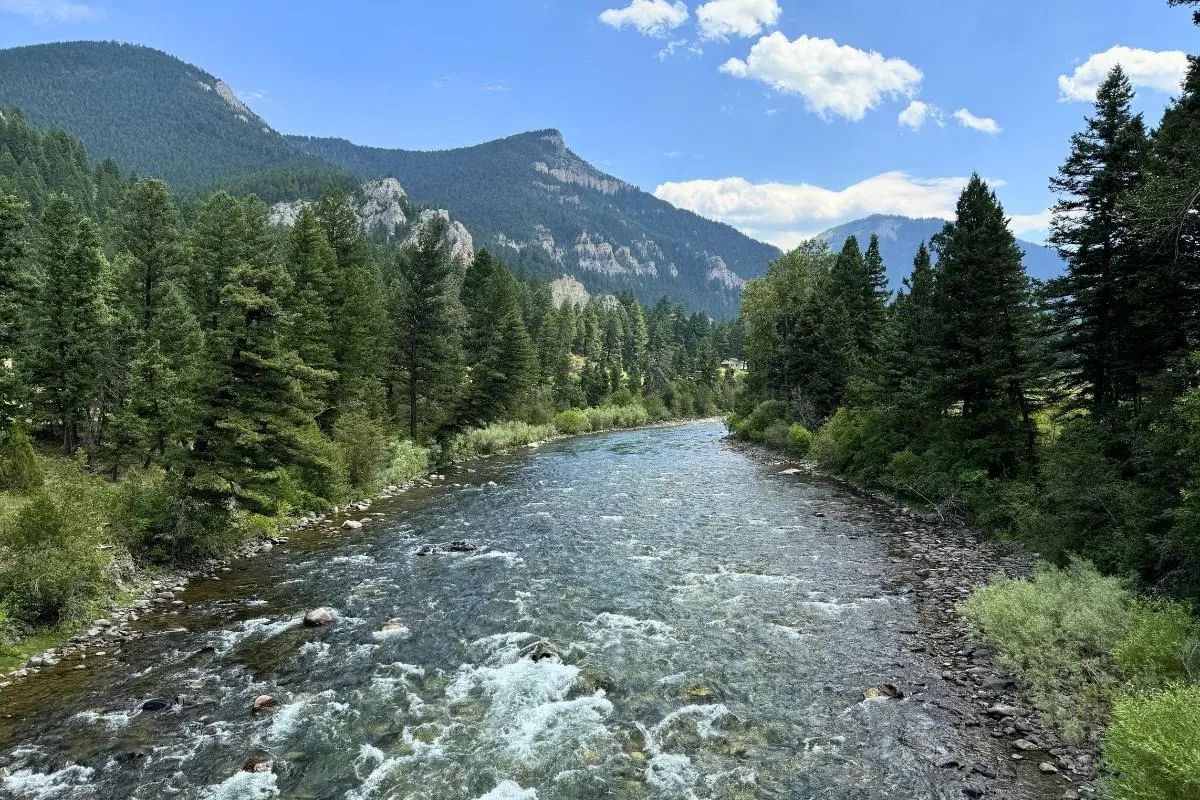
The Gallatin River is a compact corridor of high-desert foothills, pine-lined canyons, and clear, cold water that invites a stacked itinerary: morning fly-fishing or rafting, afternoon ridge hiking, and an evening soak in nearby hot springs. Access is easy from Bozeman, making it a practical base for mixing river days with mountain biking and scenic drives into Gallatin National Forest.
Explore experiences ↓Your guide to places, experiences, and adventures.
THE GOOD STUFF STARTS HERE
Big Sky, United States


Listed starting prices may vary by option, travel date and group size. Confirm the final total and availability on Viator. Sponsored links: we may earn a commission from qualifying bookings.
STORIES WORTH GOING FOR
GET TO KNOW THE PLACE
A compact mountain river a short drive from Bozeman, the Gallatin blends swift whitewater with serene fishing pockets, framed by volcanic bluffs and sentinel pines. It’s approachable for first-time paddlers with guide options, yet it keeps enough edge for competent rafters and anglers seeking wild trout runs.
The Gallatin’s story begins in high alpine basins and funnels down through canyons carved from old volcanic flows and glacial deposits; this geology gives the channel quick drops, clean riffles, and frequent gravel bars. The river feels purposeful — it nudges along, it quickens through narrows, and it opens into meadowy bends where eagles lift off and cottonwoods hold seasonal color. Indigenous peoples and early trappers knew the valley as a travel corridor, and later ranching and mining shaped the human footprint you see today. The result is a landscape where cultural threads are visible but nature still sets the pace.
From a practical planning view, the Gallatin is easy to stack into a Bozeman-centered trip. Base yourself in town for restaurants, outfitters, and last-minute gear, then plan half-day to full-day river outings depending on whether you want a guided raft, a private paddle, or a fly-fishing drift. Summer brings longer daylight and predictable access; spring run-off raises water and energy, which is great for rafting but requires local guides or up-to-date water information. Trails off the valley give short ridge climbs and lookout points ideal for sandwich breaks and photography. If you’re juggling activities, aim for a river morning when light is good and temperatures are cool, then move to land-based adventures in the afternoon.
Safety and stewardship matter here: water levels vary with season and weather, and cold water can overwhelm unprepared visitors. Angling follows state regulations; guided options simplify licensing and spot selection. Crowd patterns concentrate near popular put-ins and take-outs during peak months, so reserve guided trips and book lodging early. For those who value solitude, a weekday or shoulder-season paddle reduces visitorship. Ultimately the Gallatin rewards modest planning — know the season, pick the right gear, and you’ll experience a high-alpine river that’s both immediately accessible and quietly wild.
PLAN YOUR VISIT
May, June, July, August, September
Spring brings snowmelt and higher flows; summer is warm with afternoon convective storms possible; fall offers crisp air and fewer crowds while winter brings snow and limited vehicle access to some trailheads.
Peak visitation is typically June through August; expect busier put-ins, guided trips to book in advance, and early-morning starts to avoid heat and crowds.
Shoulder seasons provide lower rates and quieter river stretches, but water levels and access can be variable — choose lower-gradient routes and watch for muddy approaches or seasonal closures.
PACK WITH PURPOSE
FIND YOUR PACE
Advanced travelers chase higher-consequence whitewater, technical wading, and extended multi-day river-to-ridge itineraries.
Beginner-friendly outings focus on guided floats, short riverside hikes, and easy access viewpoints close to Bozeman.
Intermediate trips combine self-guided paddles or technical fishing spots with longer ridge hikes and cross-country bike loops.
BEFORE YOU GO
No, there are sections appropriate for self-guided paddlers, but local guides improve safety during high flows and simplify logistics like shuttles and equipment.
Trout fishing is productive across seasons, but conditions vary; spring runoff affects access and water clarity, while summer and fall often offer stable wading opportunities—check local regulations and stream flow reports.
Most put-ins are a short drive from Bozeman; many outfitters include shuttles, and rental vehicles are the usual option if you plan a self-guided trip.
Have layered clothing and quick shelter options, keep an eye on forecast windows, and carry a communication device; if storms roll in, seek higher ground away from metal or exposed ridgelines.
Yes — a morning float followed by an afternoon ride on nearby singletrack is a common stack; plan shuttles and drying time for gear between activities.
A 2–4 day trip lets you sample rafting or paddling, a guided fishing day, and a hike or scenic drive while allowing buffer time for weather and travel.