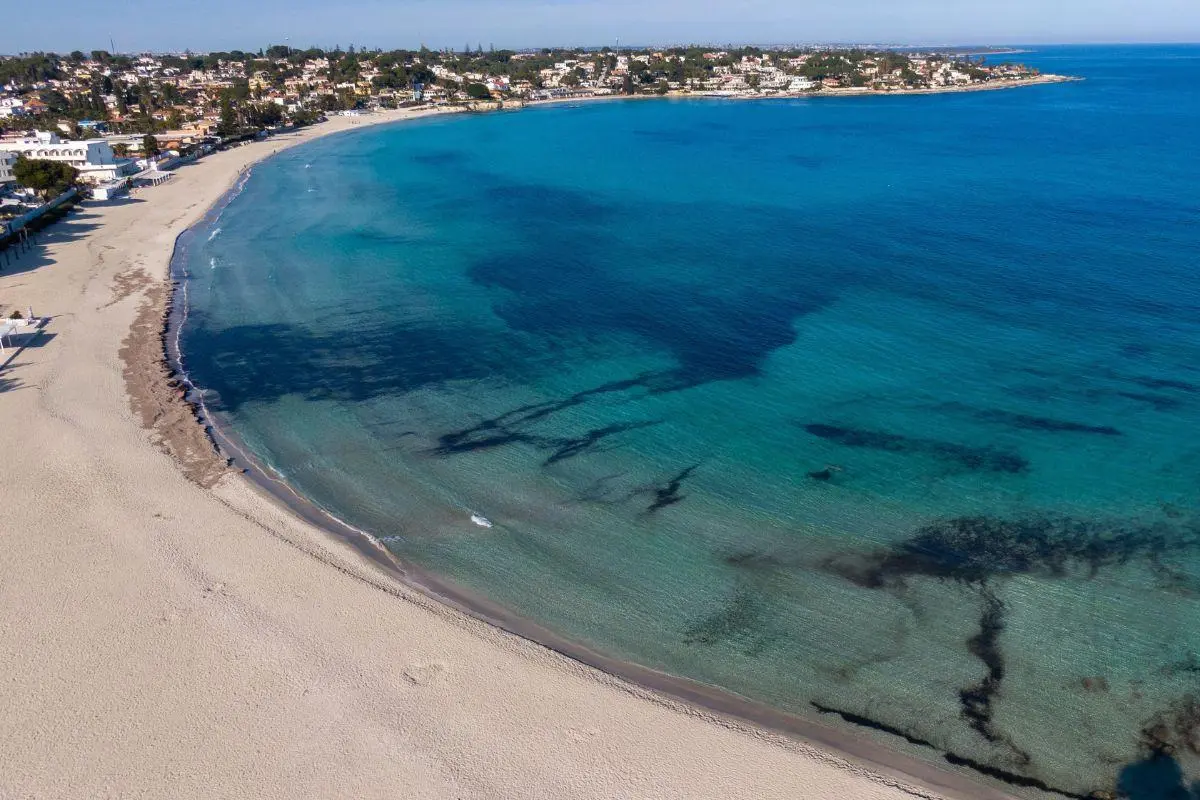
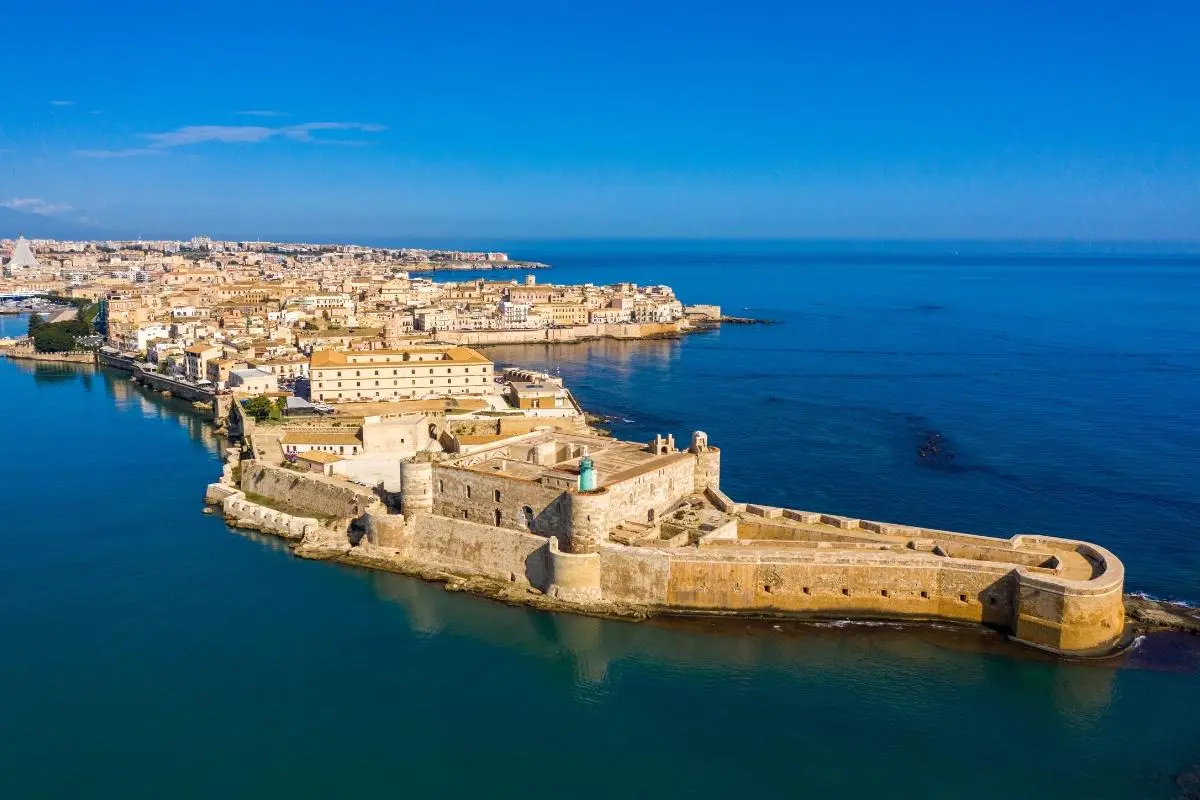
Fontane Bianche pairs glassy Ionian water with low, sandy dunes and coastal walking—ideal for stacking beach time with short hikes, boat trips, and nearby cultural day trips to Ortigia and Noto. Plan mornings for snorkeling and swimming, afternoons for scenic drives or cycling along the shore, and evenings for seafood and sunset photography.
Fontane Bianche sits like a well-kept secret on the Ionian coast: broad pale sand, shallow clear water, and a coastline that invites exploration. It’s a beach that rewards simple choices—swim, snorkel, stroll the shoreline—while offering quick access to the archaeological and culinary riches of Syracuse and the baroque towns inland.
Walk onto the sand and the sea nudges you forward rather than swallowing you whole; the shallows make early-season swims and family-friendly snorkeling straightforward. The coastline here is patient—gentle currents and long sightlines let you peer into the water and pick out rock formations, small caves, and beds of Posidonia. The sea has its own character: it cools in spring, warms decisively by June, and holds sunsets that simplify the day's decisions to one thing—stay until the light changes.
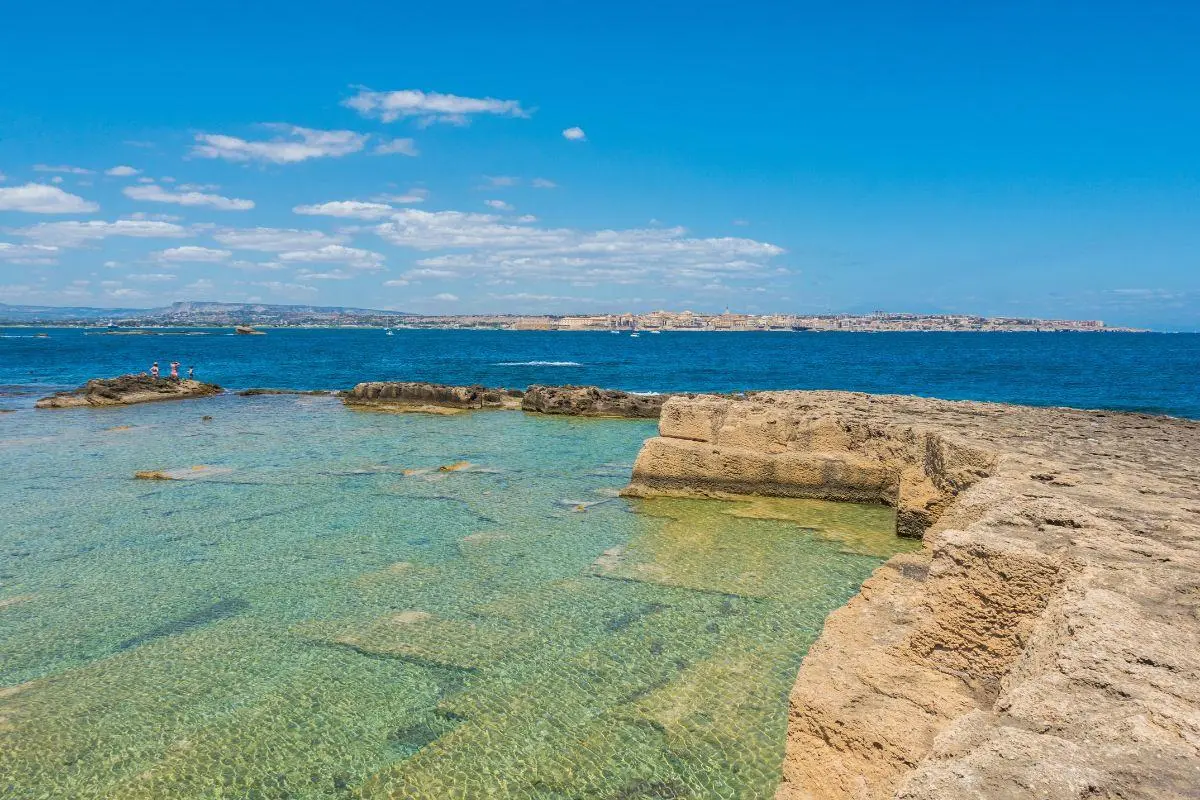
The terrain beyond the beach is low and approachable. Small dunes and scrub separate the coast from the road; a short bicycle ride or drive brings you to the Plemmirio Marine Reserve and the tangle of lanes leading to Ortigia. History is a compact map here: Syracuse’s Greek and Roman layers are a short drive away, and the baroque curves of Noto are a classic add-on for a half-day excursion. Geology is subtle but present—the Ionian coast around Syracuse is built of limestone shelves and sand deposited by longshore drift, which explains the broad beaches and occasional rocky outcrops that call divers and photographers alike.
Practical planning is simple: mornings belong to the water—snorkeling, paddleboarding, and calm swims—while afternoons are for drives and cafés. During July and August, the beach fills; plan to arrive early for the best parking and quiet stretches of sand. If weather turns, nearby towns provide excellent rainy-day pivots: museum visits, wine bars, and markets. Keep an eye on local advisories for marine protections and small-boat rules if you plan to kayak or rent a motorboat; conditions change with wind and seasonal swell, so verify before you launch.
PLAN YOUR VISIT
When to go.
Best months
May, June, September, October
Weather
Spring and early summer bring clear skies and warming sea temperatures; late summer is hot and busy while fall returns milder air and calmer crowds. Winter is mild but can be breezy and wetter.
Peak season
July and August are busiest with full beaches and high demand for rentals and parking; start early, book accommodations and equipment in advance, and expect limited last-minute availability.
Beyond the peak
Visiting in spring or October offers lower prices, clearer water for snorkeling, and quieter beaches; watch for occasional rain and cooler sea temperatures, and select routes that avoid soft, muddy tracks after storms.
PACK WITH PURPOSE
What to bring.
optional
Binoculars for seabird watching
Action camera for underwater shots
Portable picnic kit for sunset dinners on the sand
essential
Sun protection: broad-brim hat, SPF 30+, sunglasses
Reusable water bottle and snacks
Traction footwear or sturdy sandals for rocky approaches
Light layers for coastal breezes
Offline map or GPS and emergency contact information
recommended
Waterproof dry bag for electronics
Compact snorkeling mask or travel snorkel
Light rain shell for sudden squalls
Headlamp if you plan early starts or late returns
FIND YOUR PACE
Choose your kind of adventure.
advanced
More demanding outings for experienced adventurers comfortable with sea and open-water conditions.
Open-water sea-kayak or SUP crossings with route planning
Freediving or deeper scuba dives around rock outcrops
Multi-day bikepacking routes along the Ionian coast
beginner
Low-effort, high-reward activities suitable for casual travelers and families.
Shallow-water swimming and beachcombing
Short coastal walks and shoreline snorkeling near the shore
Leisurely cycling along the beachfront promenades
intermediate
Active but accessible pursuits that require basic skills or moderate fitness.
Guided snorkel or small-boat tours to marine reserve spots
Stand-up paddleboarding along sheltered coves
Longer coastal bike rides connecting to nearby towns
BEFORE YOU GO
Your questions, answered.
Is Fontane Bianche suitable for families with kids?
Yes—shallow water and gentle entry make it family-friendly, but always supervise children and bring shade and water as summer sun is strong.
Do I need a guide for snorkeling or is it safe to go alone?
Casual snorkeling near shore is common without a guide, but book a guided tour for better safety, local insights, and for exploring deeper or rocky spots.
How do I get there from Syracuse or Catania airport?
The easiest approach is by car or taxi from Syracuse; Catania and Comiso airports are regional hubs with rental cars or arranged transfers recommended.
Are there facilities and parking at the beach?
Facilities and parking exist but vary seasonally; arrive early in peak months for best parking and bring basic supplies if visiting off-peak.
Can I combine a beach day with cultural visits?
Absolutely—Ortigia and the archaeological park of Syracuse are short drives away, making for easy half-day culture-and-beach combinations.
What should I do if weather turns windy or choppy?
Have a land-based backup like a scenic drive to nearby towns, museums, or a seaside café; check local marine advisories before heading out again.